
Popular Japanese Toys and Games for Children

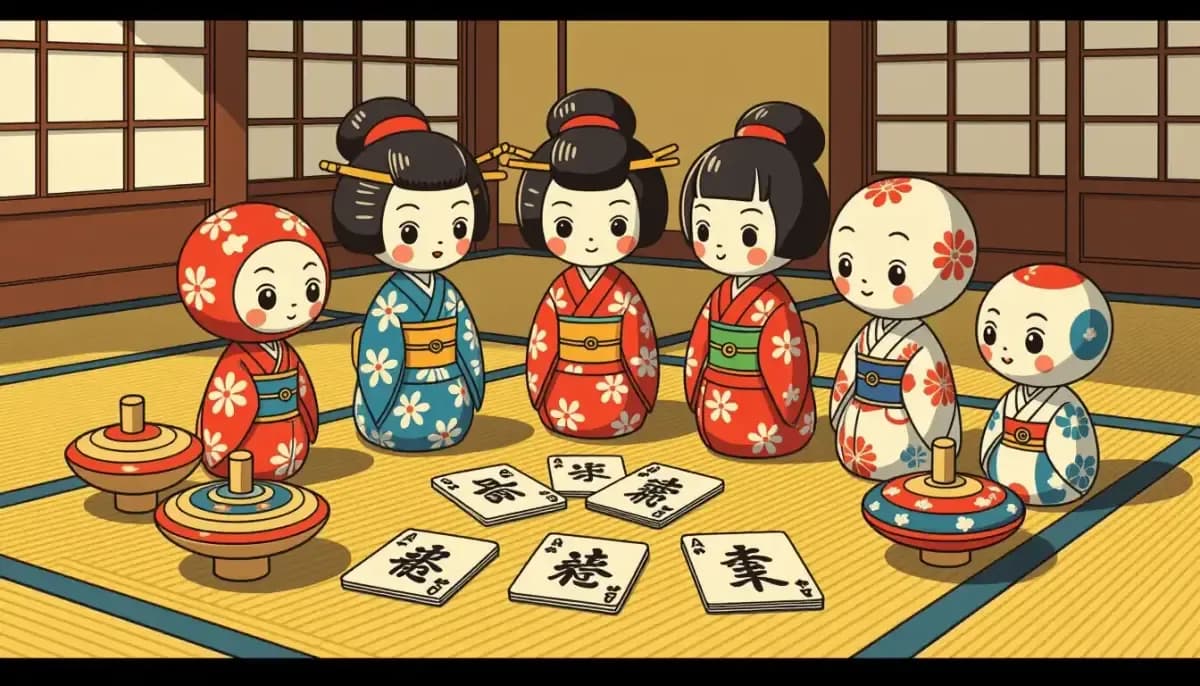
Discover popular Japanese toys and games for children—from traditional kendama and karuta to modern Beyblade and Tamagotchi. Complete guide for foreign parents in Japan.
Popular Japanese Toys and Games for Children: A Guide for Foreign Parents
If you've recently moved to Japan with kids—or you're raising children here—you'll quickly discover that Japanese toy culture is rich, diverse, and deeply rooted in history. From centuries-old traditional games to globally exported franchises, Japan's world of children's toys offers far more than most expat parents expect. This guide covers the most popular Japanese toys and games for children, with practical tips on where to buy them, how to play, and why they're worth introducing to your kids.
Why Japanese Toys Matter for Foreign Children in Japan
Japan's toy market reached a record ¥1.0992 trillion (approximately $7.3 billion USD) in fiscal 2024—four consecutive years of consecutive growth. The sheer variety reflects a culture that values both play as education and play as art. For foreign families raising children in Japan, engaging with local toys and games is one of the best ways to help children connect with their peers, understand Japanese culture, and feel at home in their new country.
Trading card games and board games alone represented the largest toy market segment in 2023, valued at over ¥277 billion—a sign of how deeply social tabletop play is woven into Japanese childhood. Whether your child attends a Japanese hoikuen (daycare) or an international school, knowing the local toy landscape will help them bond with classmates and feel included.
Traditional Japanese Toys and Games (Dentō Omocha)
Japan's traditional toys predate the modern toy industry by centuries. Many are still sold in specialty shops, department stores, and at cultural festivals.
Kendama (けん玉)
Kendama is a wooden cup-and-ball toy whose name combines ken (sword handle) and dama (ball). The goal is to land the ball in one of three cups or on the spike. Tricks range from beginner "big cup" catches to advanced moves like "Lighthouse" and "Around Japan." Kendama is experiencing a major revival among children and adults alike, and competitions are held nationwide. It's an excellent toy for developing hand-eye coordination and focus.
Karuta (かるた)
Karuta is a classical Japanese card game based on the 100 Heian-era poems of the Hyakunin Isshu anthology. One player reads the first half of a poem aloud while others race to slap the card bearing the matching second half. Competitive karuta is taken so seriously that it is a recognized school club activity across Japan—think speed, concentration, and memorization all rolled into one. For foreign children learning Japanese, karuta-style flashcard games using hiragana and simple vocabulary are widely available as a gentle introduction.
Beigoma (べいごま) and Beyblade
Beigoma are small cast-metal spinning tops roughly 3 cm wide, originally fashioned from seashells and sand. Today, only one factory in Japan continues traditional production. Their legacy lives on in the global Beyblade franchise: Beyblade's creators explicitly cite Beigoma as the direct inspiration. The 4th generation Beyblade X launched in 2023 and remains hugely popular. Both Beigoma and Beyblade are excellent gateway toys for children who are drawn to competitive, skill-based play.
Kokeshi Dolls (こけし)
Kokeshi dolls from the Tohoku region have a history of over 150 years. Hand-turned on a lathe from cherry or dogwood, and hand-painted with floral motifs and faces, they are symbols of good luck and happiness. The Naruko style features a head that squeaks when rotated—a particular favorite with young children. Kokeshi are both toys and collector's items; the Miyagi Zao Kokeshi Museum even offers painting workshops where families can make their own.
Ayatori, Ohajiki, and Otedama
These three classic games need little or no equipment:
- Ayatori (string figures): Solo or two-player, making shapes like Tokyo Tower or the Bridge with a loop of string.
- Ohajiki (disc flicking): Players flick small flat discs to hit opponents' pieces or strike a target—pure fine-motor fun.
- Otedama (beanbag juggling): Small fabric bags filled with beans, historically favored by girls, often played to rhythmic songs.
All three appear at elementary school recesses and community events across Japan. For a detailed guide to all 30 traditional Japanese children's games, see Fun Japan's comprehensive overview.
Popular Modern Japanese Toy Brands and Products
| Toy / Brand | Type | Age Range | Why Kids Love It |
|---|---|---|---|
| Beyblade X | Spinning top battle | 6+ | Competitive, collectible, skill-based |
| Tamagotchi Paradise | Virtual pet | 6+ | 50,000+ appearance variations, nostalgia |
| Gunpla (Bandai) | Plastic model kit | 8+ | 450M+ units sold, creative building |
| Licca-chan (Takara Tomy) | Fashion doll | 4+ | Japan's iconic Barbie alternative |
| Machi Koro | Card/board game | 7+ | 1M+ global sales, easy to learn |
| Poppin Cookin | DIY candy kit | 5+ | Edible sushi-shaped candy from powder |
| Gachapon capsule toys | Collectible figurines | 4+ | Surprise unboxing culture |
| Hanafuda | Traditional card game | 7+ | Seasonally illustrated, family classic |
Tamagotchi
First released in the 1990s, Tamagotchi has never really gone away—it's been continuously re-released in new forms. The 2025 Tamagotchi Paradise features over 50,000 appearance variations and a zoom dial that lets players shift their virtual pet's world from microscopic scale to cosmic. For children who love nurturing games and digital pets, Tamagotchi remains a quintessential Japanese toy experience.
Gunpla (Gundam Plastic Models)
Gunpla kits from Bandai have sold more than 450 million units worldwide, making them one of the most commercially successful Japanese toy products ever created. Difficulty ranges from simple snap-together "Entry Grade" kits suitable for children aged 8+ to complex 1/60 scale "Perfect Grade" models aimed at adults. Building Gunpla builds patience, spatial reasoning, and pride in a finished product—and Gundam lore gives socially curious children a massive shared universe to discuss with Japanese peers.
Gachapon (ガチャポン)
Gachapon (capsule toy vending machines) are an inescapable part of Japanese toy culture, found in every mall, station, and toy store. Children insert coins and receive a randomly selected small figurine or accessory. The surprise element, the wide variety of licensed characters, and the low price point (typically ¥200–¥500) make Gachapon a beloved ritual. Bandai even produces home replica Gachapon machines for dedicated collectors.
Traditional Japanese Group Games for Outdoors and Playdates
Many traditional Japanese group games have no physical product to buy—they are purely social experiences worth knowing:
- Kankeri: A hybrid of tag and hide-and-seek where players must kick a can before the "it" player returns to base. Loud, energetic, and universally beloved.
- Fukuwarai: A blindfolded New Year's game where players place cut-out facial features onto a blank face, invariably producing hilarious results. Perfect for family New Year gatherings.
- Sugoroku: A dice-driven board game similar to Snakes and Ladders, traditionally played during New Year family time. Modern illustrated versions are sold in every toy department.
- Hagoita and Hanetsuki: Hagoita are decorated wooden paddles used for hanetsuki (a game similar to badminton without a net). The paddles originate from the Edo period and are traditional gifts for newborn girls, symbolizing protection from evil spirits. The Hagoita Ichi market at Senso-ji Temple has run for over 350 years and takes place every December 17–19.
For ideas on how to introduce these games during cultural events, the team at Living in Nihon maintains helpful resources on participating in Japanese seasonal traditions as a foreign resident.
Where to Buy Japanese Toys in Japan
Finding Japanese toys is easy—knowing what to look for is the challenge:
- Tokyu Hands / Hands: Excellent selection of traditional toys, puzzles, and unusual modern games alongside mainstream products.
- Yodobashi Camera / Bic Camera: Large electronics chains with substantial toy floors, particularly good for Gunpla and Tamagotchi.
- Toy Park (Toysrus Japan): The national chain equivalent of Toys"R"Us, well-stocked with everything from Beyblade to Licca-chan.
- Department store toy floors (Isetan, Takashimaya, Mitsukoshi): Higher-end selection including premium Kokeshi, traditional games, and collectible items.
- Amazon Japan and Rakuten: Convenient for ordering toys online, with domestic shipping usually arriving in 1–2 days.
- Gachapon corners: Found in malls, station concourses, and dedicated Gachapon specialty shops in major cities.
For families also navigating work and daily life in Japan, For Work in Japan covers practical aspects of expat life including shopping and cultural adjustment tips.
Toys, Language Learning, and Cultural Integration
Toys and games are one of the most natural and effective vehicles for raising bilingual children in Japan. Consider:
- Hiragana karuta sets: Widely available from ¥500–¥2,000. Children learn to recognize hiragana while competing—far more engaging than flashcard drilling.
- Japanese-language board games: Even if your child doesn't speak Japanese fluently yet, playing familiar game mechanics (Uno, Snakes and Ladders) in Japanese speeds up vocabulary acquisition naturally.
- Shared play with neighborhood kids: Beyblade, kendama, and Gachapon collecting give foreign children immediate shared interests with Japanese peers—the toys become social bridges.
- Traditional game days at school: Many Japanese elementary schools hold mukashi asobi (old-fashioned play) days featuring ayatori, ohajiki, and kendama. Knowing these games in advance gives your child confidence.
For parents looking to deepen their children's cultural education through play, Chuukou Benkyou offers study and cultural learning resources tailored to children in Japan.
Age-by-Age Toy Recommendations
| Age | Traditional | Modern | Educational |
|---|---|---|---|
| 0–2 years | Otedama (beanbags), Kokeshi | Soft rattles, fabric blocks | Sensory play sets |
| 3–5 years | Ayatori, Fukuwarai | Tamagotchi, Gachapon | Hiragana puzzles |
| 6–8 years | Kendama, Kankeri | Beyblade X, Poppin Cookin | Karuta, Sugoroku |
| 9–12 years | Ohajiki, Hanafuda | Gunpla, Machi Koro | Kanji karuta, logic games |
| 13+ years | Competitive Karuta | Advanced Gunpla, card games | Strategy board games |
Key Takeaways for Foreign Parents
Japan's toy culture rewards curiosity. Introducing your children to both traditional games and modern Japanese toys will:
- Help them bond with Japanese peers through shared play experiences
- Support language learning in a natural, motivating context
- Connect them to Japanese cultural history in a hands-on way
- Open doors to seasonal community events and school activities
The educational toys market in Japan is projected to reach $4.626 billion by 2030, growing at a 10.1% CAGR—a signal that Japanese families and educators are increasingly investing in play-based learning. As a foreign parent, you have the advantage of choosing from both this modern market and centuries of traditional play wisdom.
For a broader view of how the Japanese education system approaches childhood development, including the role of play in preschool and elementary education, our complete guide covers everything foreign families need to know.
Whether your child becomes a competitive karuta player, a Beyblade champion, or simply a child who knows how to play ohajiki at recess—engaging with Japanese toys and games is one of the most joyful ways to build a life in Japan.

Originally from Vietnam, living in Japan for 16+ years. Graduated from Nagoya University, with 11 years of professional experience at Japanese and international companies. Sharing practical information for foreign parents raising children in Japan.
View Profile →Related Articles
Birthday Party Ideas and Venues for Kids in Japan
Plan the perfect birthday party for your child in Japan. Discover top venues, cultural etiquette, cake options, entertainment ideas, and budget tips for expat families in Japan.
Read more →
Traditional Japanese Toys and Games for Kids
Discover traditional Japanese toys and games for kids living in Japan. From kendama to karuta, this complete expat guide covers history, where to buy, and how to use traditional play for cultural integration.
Read more →
Educational Toys and Learning Materials in Japan
Discover the best educational toys and learning materials in Japan for foreign parents. From STEM kits to bilingual tools, find where to buy, what to choose by age, and how to save money.
Read more →
Subscription Boxes and Services for Children in Japan
Discover the best subscription boxes and services for children in Japan. From toy rentals like Toysub! to educational services like Kodomo Challenge, find the perfect options for your foreign family raising kids in Japan.
Read more →
Music and Podcasts for Kids in Japan
Discover the best music, podcasts, and streaming resources for kids in Japan. From warabe uta to anime songs and bilingual podcasts — a complete guide for expat families.
Read more →
Best Children's TV Programs in Japan
Discover the best children's TV programs in Japan for foreign families. From Doraemon to NHK for School, learn what to watch and how Japanese TV helps kids learn Japanese.
Read more →