
Educational Toys and Learning Materials in Japan

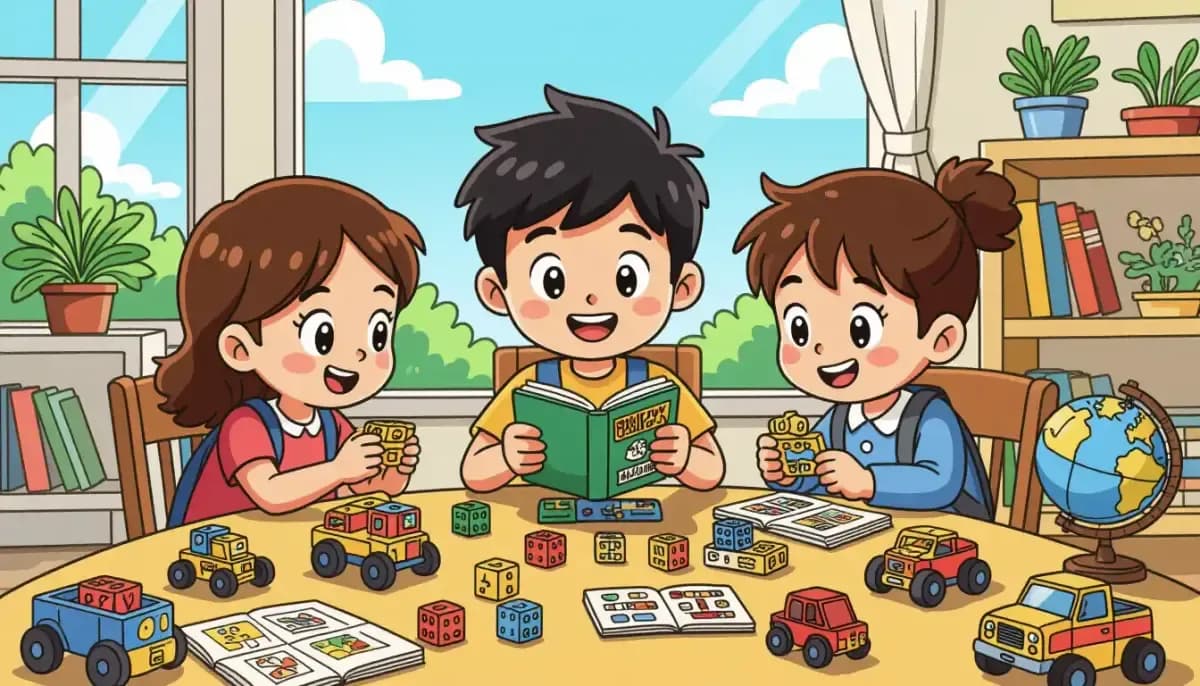
Discover the best educational toys and learning materials in Japan for foreign parents. From STEM kits to bilingual tools, find where to buy, what to choose by age, and how to save money.
Educational Toys and Learning Materials in Japan: A Complete Guide for Foreign Parents
Japan is internationally renowned for the quality and creativity of its educational toys and learning materials. From innovative STEM kits to beautifully crafted wooden puzzles, the country offers a remarkable range of products that blend play with cognitive development. For foreign parents raising children in Japan, navigating the market — understanding what to buy, where to find it, and how it fits your child's developmental needs — can feel overwhelming at first. This guide covers everything you need to know about educational toys and learning materials available in Japan.
The Japanese Educational Toy Market: An Overview
Japan's educational toy sector is one of the most dynamic in the world. The market was valued at USD 2,361.4 million in 2023 and is projected to reach USD 4,626.2 million by 2030, growing at a compound annual rate of 10.1%. This explosive growth is driven by high enrollment rates in early childhood education facilities and a cultural emphasis on learning through play.
The market breaks down into six major product categories:
| Category | Notes |
|---|---|
| Games & Puzzles | Largest segment — 26.73% market share (2023) |
| STEM Toys | Fastest-growing segment in Japan |
| Building & Construction Sets | Includes blocks, magnetic tiles, and engineering kits |
| Art & Craft Kits | Drawing, painting, pottery, origami |
| Role Play Toys | Doctor sets, kitchen sets, tools — promote social learning |
| Musical Toys & Instruments | Xylophones, mini pianos, rhythm instruments |
Japan's toy market is also known for its stringent safety standards, eco-friendly materials, and bilingual product offerings — all especially valuable for foreign families.
Top Categories of Educational Toys in Japan
STEM and Science Toys
STEM toys (Science, Technology, Engineering, and Mathematics) are the fastest-growing category in Japan. Japanese brands like Artec Co., Ltd. — which supplies products to over 40,000 preschools and kindergartens nationwide — lead the field. Popular STEM products include:
- Coding kits (introduced under the "Coding Kids" category at Japan's Rakuten Toy Awards in 2019)
- Robotic building kits (over 22 million robotic/AI-enhanced toys were sold in Japan in 2024)
- Science experiment sets — volcano kits, crystal growing, magnetic sand
- GESTAR blocks — modular building systems for unrestricted 3D creation that develop spatial reasoning
For older children moving into junior high or high school, STEM toys can reinforce subjects like robotics, biology, and physics. See our guide on junior high school in Japan for more on how science education evolves.
Wooden and Traditional Toys
Japan has a long tradition of wooden toy-making, and many educational stores stock Japanese cypress (hinoki) and cedar toys. For infants and toddlers, wooden toys are preferred for their durability and natural safety profile. Popular options include:
- Forest Animal Building Blocks — hand-crafted from Japanese wood, develop fine motor skills
- Wooden 3D puzzles — including scale models of Japanese landmarks like Nikko Toshogu Shrine
- Japanese abacus (soroban) — still widely used for developing math fluency in elementary school
Infant-Safe and Eco-Friendly Toys
Japan produces several unique eco-friendly toy lines specifically designed for infants and toddlers (ages 0–3):
- Rice Clay and Agar Clay — made from natural food-grade ingredients, completely safe if mouthed
- Vegetable Crayons — made with rice bran oil wax and pigments derived from discarded harvest vegetables
- Organic fabric toys — often certified JIS (Japanese Industrial Standards)
These are particularly popular with foreign parents who want to avoid synthetic chemicals. You can often find them at Bornelund, Tokyo's leading specialty educational toy store.
Bilingual and Language Learning Toys
As a foreign parent raising a child in Japan, bilingual learning materials deserve special attention. Demand for these products is surging — bilingual reading pen sales rose 23% in Japan in 2024 compared to the previous year. Options include:
- Bilingual reading pens — touch a book and hear words in Japanese and English
- Phonics and hiragana/katakana flash cards — essential for early literacy
- Story books with audio — Japanese publishers offer bilingual picture books in Japanese/English
For strategies to support bilingual development, see our article on raising bilingual children in Japan.
Where to Buy Educational Toys in Japan
Major Children's Goods Chains
| Store | Details |
|---|---|
| Nishimatsuya (西松屋) | 1,100+ stores nationwide, budget-friendly, SmartAngel private label |
| Akachan Honpo (アカチャンホンポ) | ~127 stores, 13 in Tokyo, located in shopping centers like LaLaPort |
| Toys R Us / Babies R Us | Carries imported brands (Graco, Chicco, Disney) alongside Japanese toys |
| Bornelund | Tokyo specialty store focused exclusively on educational baby/child toys |
| Loft / Tokyu Hands | Design-forward stores with curated selections of educational kits |
Online Shopping Options
Amazon Japan (amazon.co.jp) is the most convenient option for foreign parents. The platform offers an English-language interface and a baby registry program with 10% off eligible purchases. You can filter by age group, brand, and category.
Other useful platforms:
- Rakuten — wide selection, frequent point campaigns
- Yahoo! Shopping Japan — competitive pricing on bulk items
- DOKODEMO — ships internationally, excellent for sourcing Japanese-exclusive educational toys
For a broader view of toy and entertainment options for children, see our guide on books, toys, and entertainment for children in Japan.
Second-Hand Options
Japan's second-hand market is excellent for educational toys that are barely used:
- OffHouse (part of the HardOff/BookOff network) — always well-organized with clearly priced toys
- 2nd Street recycle shops — often have sets in near-new condition
- Expat community Sayonara sales — families leaving Japan frequently sell quality educational materials
- Mercari (Japan's leading secondhand app) — search by brand or age group
Age-by-Age Guide to Educational Toys in Japan
Ages 0–3: Sensory and Motor Development
For infants and toddlers, focus on sensory stimulation, grip development, and language exposure:
- Soft fabric books with mirror pages and contrasting patterns
- Rice Clay or Agar Clay for tactile exploration
- Stackable wooden rings or cups (develops problem-solving)
- Bilingual board books (Japanese/English)
The Tokyo Metropolitan Government offers a ¥100,000 welcome baby voucher for new parents, redeemable at participating stores including baby goods retailers. Use this for quality educational materials early on.
For more on baby care in Japan, see our guide on baby and infant care in Japan.
Ages 3–5: Imagination and Early Literacy
Preschool-age children benefit from open-ended toys and early literacy tools:
- Role-play sets (doctor, chef, grocery store) — available at all major toy chains
- Hiragana flash cards and beginner workbooks (ドリル / doriru)
- Origami starter sets — develops geometry intuition and fine motor skills
- Simple jigsaw puzzles (20–60 pieces, themed around Japanese animals or nature)
For navigating the preschool system itself, see our guide on kindergarten in Japan.
Ages 5–10: STEM and Logic
Elementary school age is prime time for skill-building toys:
- LEGO sets (widely available in Japan, including Japan-exclusive sets)
- Artec educational blocks and coding kits
- Science experiment sets (volcano, crystal, electricity kits)
- Japanese abacus (soroban) — join a local class or use practice sets at home
- 1,000-piece jigsaw puzzles for spatial reasoning and concentration
For context on what children this age are learning at school, see our guide on elementary school in Japan for foreign parents.
Ages 10+: Advanced STEM and Creative Kits
Older children can tackle more sophisticated challenges:
- Robotics kits (e.g., Artec Robo, LEGO Mindstorms)
- 3D wooden puzzles of Japanese landmarks
- Advanced science kits (chemistry, electronics, optics)
- Japanese language workbooks (for children learning formal Japanese)
Government Benefits for Buying Children's Educational Materials
Japan provides substantial government support for families, which can be applied toward educational materials:
- ¥100,000 baby welcome voucher (Tokyo): Redeemable at participating stores
- Child allowance (kodomo teate): Monthly payments per child that can be allocated toward educational materials
- Various municipal programs: Many cities offer library card programs and free toy lending services
See our comprehensive guide on government benefits and subsidies for families in Japan for the full picture.
Helpful Resources for Foreign Parents
For more guidance on navigating life as a foreign parent in Japan, these resources are invaluable:
- Living in Nihon — covers daily life tips for expats in Japan including children's education resources
- For Work in Japan — practical guides for working parents in Japan
- Chuukou Benkyou — focuses on educational support for children in Japan
For more on Japanese educational content, see Make Playtime Educational With Toys From Japan at MATCHA and the comprehensive baby products guide for foreign residents at E-Housing Japan.
Tips for Foreign Parents Navigating Japanese Toy Stores
- Look for age ratings prominently displayed — Japanese packaging always shows the recommended age (対象年齢 / taisho nenrei)
- Check for ST mark — the Safety Toy mark guarantees the toy meets Japanese safety standards
- Join store loyalty programs — Nishimatsuya and Akachan Honpo offer member apps with coupons and point systems
- Buy during clearance seasons — January and July bring significant discounts on toys and educational materials
- Visit Bornelund in Tokyo — the staff are trained to recommend developmentally appropriate toys and some speak English
- Use Amazon Japan's baby registry — set it up even if you don't share it, just for the 10% discount
- Ask at your local library — many Japanese public libraries have toy-lending programs (omochakkan / おもちゃかん)
Conclusion
Japan's educational toy market offers foreign parents an extraordinary range of high-quality, safe, and innovative learning materials. Whether you're looking for bilingual tools to support your child's language development, eco-friendly toys for infants, or advanced STEM kits for school-age children, Japan has it all — and often at competitive prices when you know where to shop.
Understanding the landscape — from major retail chains to specialty stores, from new purchases to second-hand apps — gives you the tools to make smart, developmentally appropriate choices for your child. Combined with Japan's supportive government programs for families, raising a curious, well-resourced child in Japan is very achievable.
For more on enriching your child's education and development in Japan, explore our articles on after-school activities and extracurriculars in Japan and arts, music, and creative development for children.

Originally from Vietnam, living in Japan for 16+ years. Graduated from Nagoya University, with 11 years of professional experience at Japanese and international companies. Sharing practical information for foreign parents raising children in Japan.
View Profile →Related Articles
Birthday Party Ideas and Venues for Kids in Japan
Plan the perfect birthday party for your child in Japan. Discover top venues, cultural etiquette, cake options, entertainment ideas, and budget tips for expat families in Japan.
Read more →
Traditional Japanese Toys and Games for Kids
Discover traditional Japanese toys and games for kids living in Japan. From kendama to karuta, this complete expat guide covers history, where to buy, and how to use traditional play for cultural integration.
Read more →
Subscription Boxes and Services for Children in Japan
Discover the best subscription boxes and services for children in Japan. From toy rentals like Toysub! to educational services like Kodomo Challenge, find the perfect options for your foreign family raising kids in Japan.
Read more →
Music and Podcasts for Kids in Japan
Discover the best music, podcasts, and streaming resources for kids in Japan. From warabe uta to anime songs and bilingual podcasts — a complete guide for expat families.
Read more →
Best Children's TV Programs in Japan
Discover the best children's TV programs in Japan for foreign families. From Doraemon to NHK for School, learn what to watch and how Japanese TV helps kids learn Japanese.
Read more →
Board Games and Family Activities in Japan
Discover board games and family activities in Japan for foreign families — from traditional Shogi and Karuta to modern board game cafes, community events, and tips for expat families.
Read more →