Books, Toys, and Entertainment for Children in Japan
Japan is one of the world's most exciting countries for children's culture. From iconic toy brands and collectible gashapon capsules to world-class theme parks and a rich tradition of children's literature, raising kids in Japan means giving them access to a truly unique entertainment landscape. Whether you are a foreign parent newly arrived or a long-term expat, this guide covers everything you need to know about books, toys, and entertainment for children in Japan.
The Japanese Toy Market: What You Need to Know
Japan's toy industry is massive and globally influential. The market surpassed 1 trillion yen for the first time in FY2023, and by FY2025 it was valued at approximately USD 6.9 billion, projected to grow to USD 9 billion by 2034. This is remarkable given Japan's declining birthrate — the market continues to thrive because of adult collectors, strong IP licensing from anime and manga, and a culture that places enormous value on quality play experiences.
For foreign parents, the Japanese toy market offers both incredible choice and some navigation challenges. Store layouts, product descriptions, and age ratings are mostly in Japanese. However, the iconic brands are easy to recognize and the quality is generally high.
| Toy Brand | Known For | Age Range | Where to Buy |
|---|
| Tomica | Die-cast cars, Shinkansen models | 3+ | Toy stores, Yodobashi Camera |
| Plarail | Train sets including Shinkansen | 3+ | Toy stores, department stores |
| Licca-chan | Fashion doll (Japan's Barbie) | 6+ | All major toy retailers |
| Anpanman | Plush, playsets, learning toys | 0–6 | Toy stores, baby shops |
| Bandai Gunpla | Model kits (Gundam) | 8+ | Hobby shops, Yodobashi Camera |
| Gashapon | Capsule toys on every topic | All ages | Vending machines everywhere |
| Tamagotchi | Virtual pet digital toys | 6+ | Toy stores, online |
| GESTAR | Creative wooden block sets | 4+ | Educational toy stores |
Where to Shop: For the widest toy selection, visit Yodobashi Camera, Bic Camera, Yamada Denki, or dedicated toy shops like Kiddyland in Harajuku. Department store basement floors (depachika) often carry high-quality toys too. Don't overlook Daiso and Seria 100-yen shops — they stock surprisingly engaging activity books, scratch art sets, paper crafts, and games for as little as 100 yen per item.
For a comprehensive understanding of family finances in Japan, including toy budgets, see our guide on Financial Planning for Expat Families Raising Children in Japan.
Children's Books in Japan: Ehon, Manga, and More
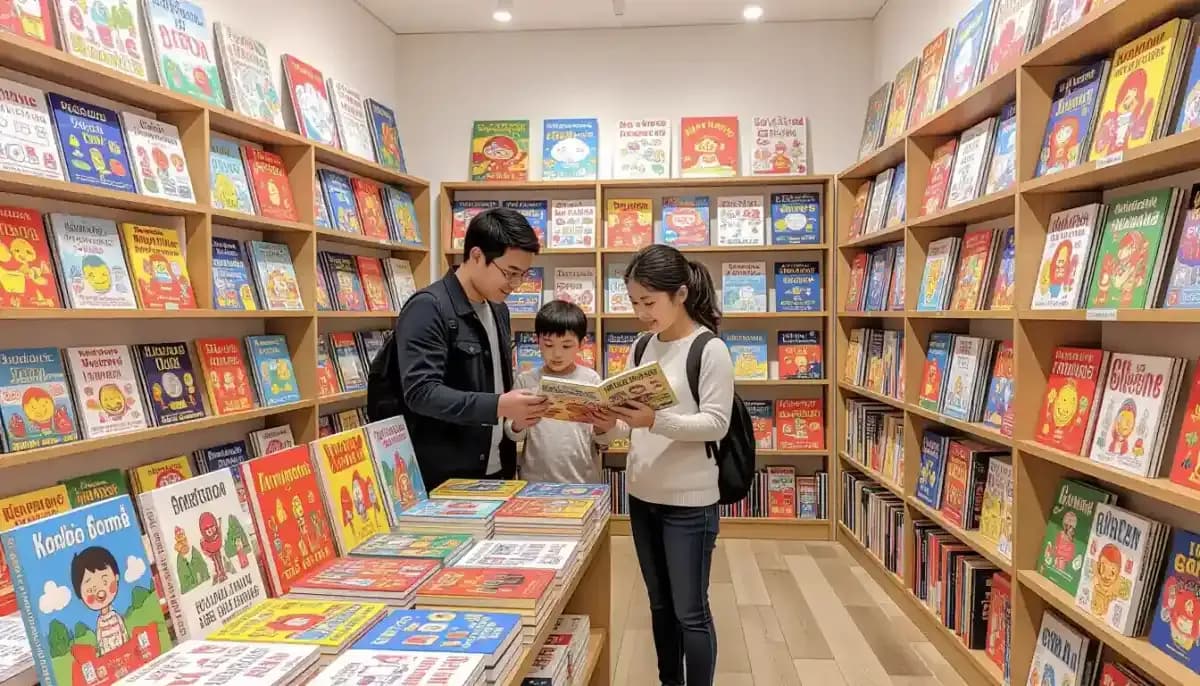
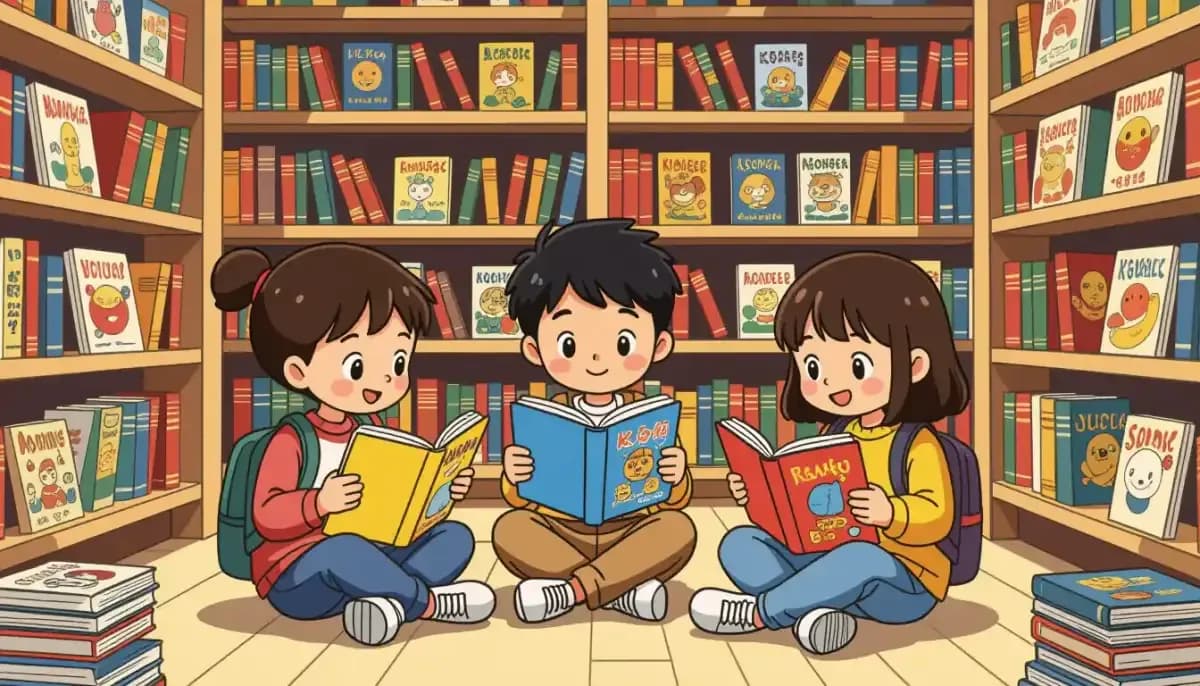
Japan has one of the world's richest traditions of children's literature. The word ehon (絵本) means picture book, and Japan produces thousands of new ehon titles every year. Many classic foreign picture books are also translated into Japanese and widely available.
Popular Japanese Children's Books
- "The Very Hungry Caterpillar" (はらぺこあおむし / Hara Peko Aomushi) by Eric Carle — one of the most beloved picture books in Japan, available in Japanese translation everywhere.
- "Guri and Gura" (ぐりとぐら) by Rieko Nakagawa — a classic Japanese picture book about two field mice who love cooking, perfect for toddlers and preschoolers.
- "Chiccha na Kokko" and Anpanman series by Takashi Yanase — the Anpanman character is a Japanese institution for young children.
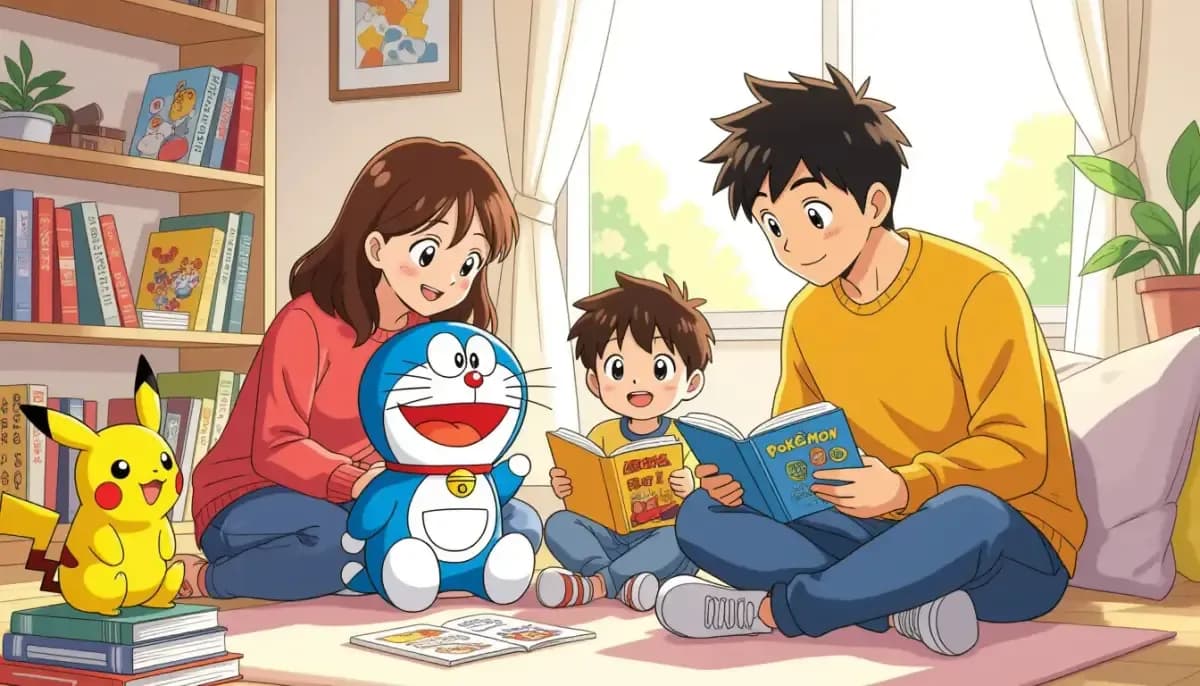
- Doraemon manga — the long-running manga series is ideal for early readers learning to read Japanese.
For bilingual families, many ehon are available in both Japanese and English, making them fantastic tools for language learning. Kinokuniya bookstores (with branches in Tokyo, Osaka, and other major cities) carry a strong selection of English-language children's books alongside Japanese titles.
For strategies on raising bilingual children in Japan, see our detailed guide on Raising Bilingual Children in Japan: Strategies and Best Practices.
Libraries and Reading Resources
Japan's public libraries (図書館, toshokan) are excellent and free to use. Many larger libraries have dedicated children's sections with picture books, chapter books, and storytime events. Some libraries even offer bilingual storytime sessions in cities with large foreign communities. Borrowing a library card is straightforward — bring your residence card (zairyu card) and you can borrow up to 10 books at a time, typically free of charge.
Gashapon and Collectibles: A Uniquely Japanese Experience
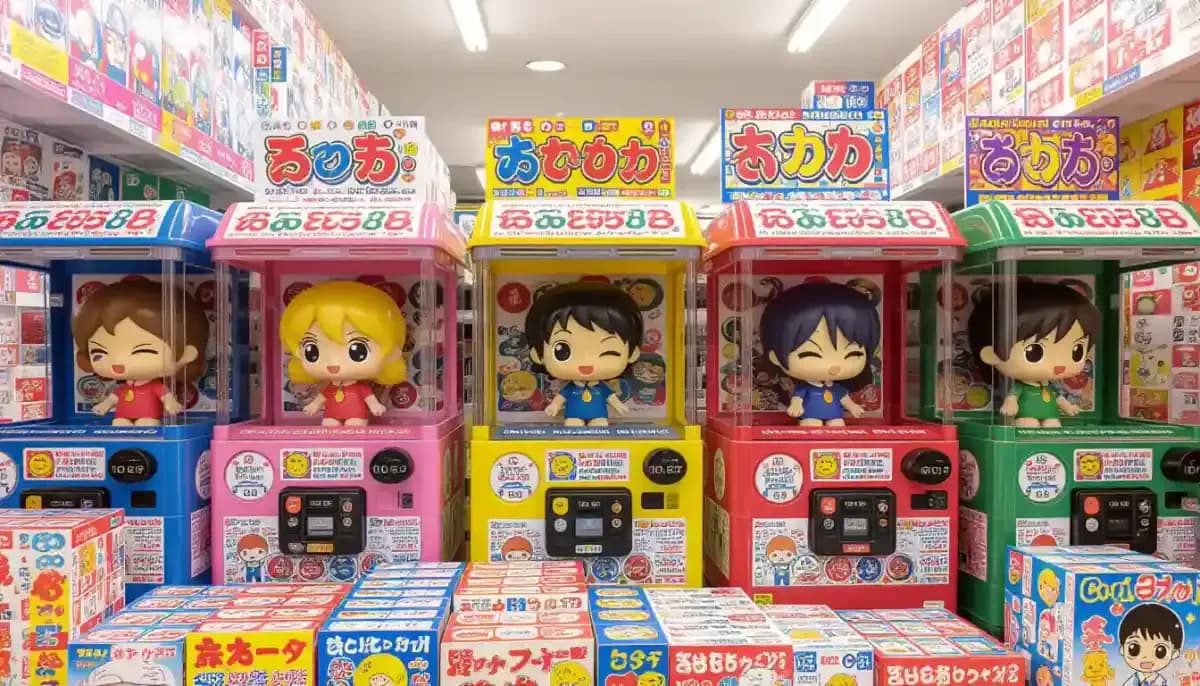
One of the most distinctive aspects of Japanese toy culture is the gashapon (ガシャポン) — the capsule vending machine. Found everywhere from train stations and shopping malls to arcades and convenience stores, gashapon machines dispense small plastic toys in sealed capsules for just 100–500 yen. The range is extraordinary: miniature food models, anime characters, tiny animals, licensed character goods, and even premium art collectibles.
For young children, gashapon is a perfect low-cost treat. For older children and teens, hunting for rare or complete series gashapon sets becomes a genuine hobby. The Gashapon Kaikan in Akihabara, Tokyo houses hundreds of machines in one location — a must-visit for any toy-curious family.
Beyond gashapon, Japan's collector culture extends to:
- Pokemon Trading Cards — the TCG that started in Japan is still massive here; card tournaments are held in many cities
- Nendoroid figurines — detailed anime character figures popular with school-age children and teens
- Kinder Surprise (Kinder Joy in Japan) — chocolate eggs with surprise toys, widely available at convenience stores
- Lucky Bags (福袋, Fukubukuro) — mystery bags sold during New Year season packed with toys or clothing at discounted prices
Theme Parks and Entertainment Venues
Japan offers world-class entertainment options for children of all ages. Here are the most popular destinations:
| Venue | Location | Best Age Range | Notes |
|---|
| Tokyo Disneyland | Urayasu, Chiba | All ages | Classic Disney; buy tickets online in advance |
| Tokyo DisneySea | Urayasu, Chiba | 5+ | More adult-oriented rides alongside family attractions |
| Universal Studios Japan | Osaka | 5+ | Nintendo World is exceptional; Super Mario and Donkey Kong areas |
| Sanrio Puroland | Tama, Tokyo | 2–10 | Hello Kitty and friends indoor theme park |
| Ghibli Museum | Mitaka, Tokyo | 3+ | Studio Ghibli museum; tickets by lottery only, book months ahead |
| teamLab Planets / Borderless | Tokyo, Osaka | All ages | Immersive digital art; stunning for children and adults |
| Tokyo Toy Museum | Shinjuku, Tokyo | 0–10 | Hands-on play museum; wonderful for young children |
| Legoland Japan | Nagoya | 2–10 | Smaller than international parks but well-suited for young children |
| KidZania Tokyo/Osaka | Tokyo/Osaka | 3–15 | Role-play city for kids; advance tickets recommended |
Practical Tips for Theme Parks:
- Many parks offer discounted or free entry for children under a certain age (often 3 or under)
- Children aged 11 and under pay reduced train fares in Japan; 12+ pay full adult fare
- IC cards (Suica, Pasmo, ICOCA) make transit easy for families — load them up and tap through gates
- Stroller-friendly facilities are generally good at major theme parks
For more on navigating Japan with children, including school options, see The Complete Guide to the Japanese Education System for Foreign Families.
After-School Activities and Extracurriculars
Beyond books and toys, children in Japan have access to a rich array of after-school activities. These activities (習い事, naraiごと) are a major part of childhood in Japan and represent both educational enrichment and social connection.
Popular Activities for Children
- Swimming (水泳) — one of the most popular extracurriculars; most community pools and YMCA branches offer children's swim lessons
- Piano and music lessons — very common; Yamaha music schools have branches throughout Japan
- Martial arts — judo, karate, and kendo are widely available and deeply embedded in Japanese culture
- Soccer and baseball — organized team sports for school-age children through local community leagues
- English conversation classes (英会話, eikaiwa) — even Japanese children attend English classes; for foreign children, these can be social and language bridges
- Art and craft workshops — available through community centers (公民館, kominkan) and private studios
- Kumon — the world-famous Japanese supplementary education program for math and reading
For foreign families, community centers (kominkan) are excellent and often free or very low cost. They run holiday workshops, craft events, and sports programs open to all residents regardless of nationality.
For guidance on teaching Japanese to your children, see Teaching Japanese to Foreign Children: Methods and Resources.
Digital Entertainment and Screen Time in Japan
Japan has a distinct relationship with digital media. While video games (Nintendo being the world's most famous Japanese game brand), anime streaming, and smartphone apps are hugely popular, there is also a strong cultural emphasis on balancing screen time with physical and creative play.
Key digital entertainment options for children in Japan:
- Nintendo Switch — Japan's dominant home console; exclusive Japanese game titles are often released here first
- Anime streaming — services like Crunchyroll, d Anime Store (docomo), and Amazon Prime Video Japan offer vast anime libraries
- YouTube Kids — widely used; many popular Japanese children's YouTube channels focus on toy unboxing, cooking, and science experiments
- Educational apps — Japanese app stores feature many high-quality learning apps in Japanese; bilingual apps exist but are fewer in number
A note on rating systems: Japanese video games use the CERO (Computer Entertainment Rating Organization) system, not PEGI or ESRB. Ratings run from CERO A (all ages) to CERO Z (18+ only). Look for the CERO rating on game packaging when purchasing.
Useful Resources for Parents
Finding information about children's entertainment in Japan can be challenging when you're not fluent in Japanese. Here are some trusted English-language resources:
For more on the support systems available to your family in Japan, explore our guide on Government Benefits and Subsidies for Families in Japan.
Conclusion
Raising children in Japan means immersing them in one of the world's most creative, safe, and culturally rich environments for kids. From gashapon vending machines and iconic toy brands like Tomica and Licca-chan, to world-class theme parks, exceptional public libraries, and a thriving picture book culture — Japan delivers at every turn. The key for foreign families is knowing where to look and how to navigate Japanese-language resources. This guide is your starting point; explore further and you'll discover that Japan offers an extraordinary childhood experience for expat kids.
For a full overview of raising children as a foreign family in Japan, visit our main guide on the Japanese Education System for Foreign Families.