
Age-Appropriate Anime and Manga for Kids

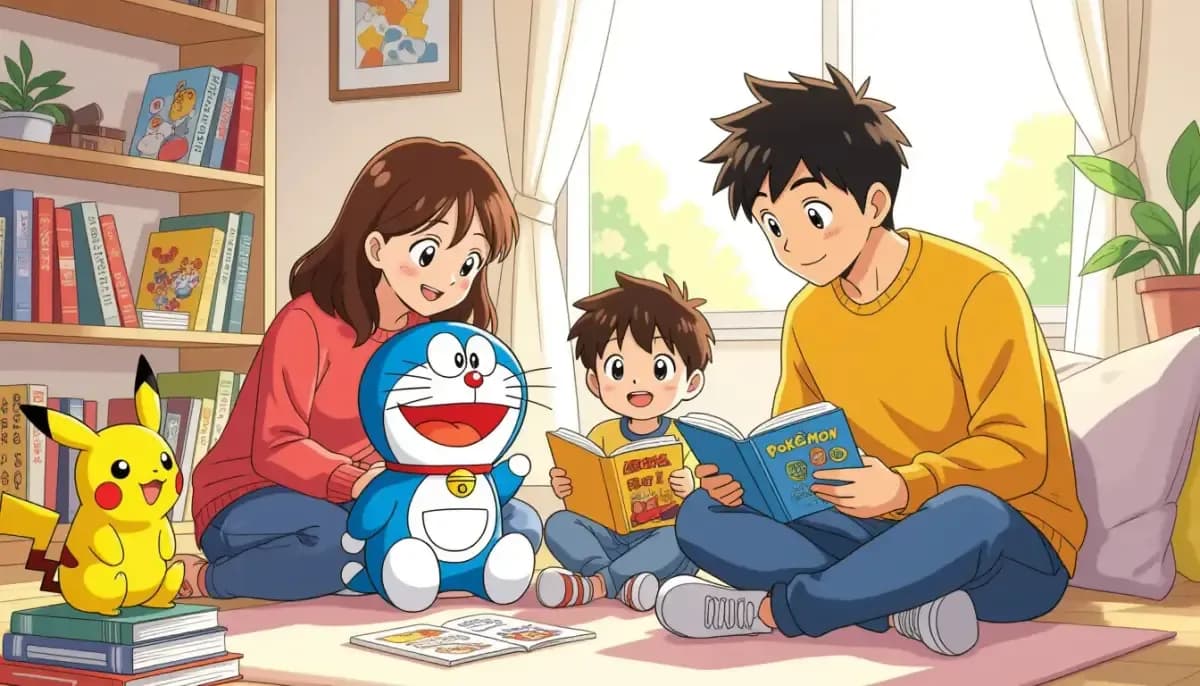
A complete guide to age-appropriate anime and manga for kids in Japan. Learn about kodomomuke, shonen, shojo categories, top recommended titles by age, and how to navigate content safely as a foreign parent.
Age-Appropriate Anime and Manga for Kids in Japan
If you are raising children in Japan, anime and manga are not just entertainment — they are a core part of the cultural landscape. From kindergarten classrooms to convenience store shelves, Japanese pop culture is everywhere. As a foreign parent, understanding which titles are genuinely suitable for your child's age, and which ones look child-friendly but are not, can make a huge difference. This guide walks you through everything you need to know to help your kids enjoy anime and manga safely and joyfully.
Understanding Japan's Manga and Anime Demographic Categories
One of the first things foreign parents notice is that Japan does not use the same content rating system as Western countries. Instead of ratings like G, PG, PG-13, or R, Japan organizes manga and anime by demographic audience labels. These labels describe who the content is marketed toward, not necessarily how appropriate it is for a given age.
Here are the main categories you will see in Japan:
| Category | Target Audience | Common Examples |
|---|---|---|
| Kodomomuke | Young children (ages 3–10) | Doraemon, Anpanman, Pokemon |
| Shonen | Boys up to ~16 years | Naruto, Dragon Ball, My Hero Academia |
| Shojo | Girls up to ~16 years | Sailor Moon, Cardcaptor Sakura, Fruits Basket |
| Seinen | Adult men (18+) | Berserk, Chainsaw Man, Vinland Saga |
| Josei | Adult women (18+) | Nana, Chihayafuru |
Key takeaway for parents: The kodomomuke label is the most reliable indicator of child-safe content. Shonen and shojo series vary widely in maturity — some are perfectly fine for elementary schoolers while others contain graphic violence, sexual themes, or disturbing imagery. Always research individual titles rather than relying on demographic labels alone.
Best Anime for Young Children (Ages 0–6)
For toddlers and preschoolers, Japan has a rich tradition of gentle, educational, and endlessly entertaining anime. These shows are designed specifically for young audiences and are broadcast in child-friendly time slots in Japan.
Anpanman — The undisputed king of Japanese children's anime. A superhero whose head is made of bread fights a villainous germ character. Every episode teaches kindness, sharing, and helping others. Safe for all ages.
Doraemon — A robotic cat from the future helps a clumsy boy named Nobita with magical gadgets. Doraemon is enormously popular with kids aged 4 and up and remains a staple of Japanese childhood. The classic series is gentle and wholesome.
Crayon Shin-chan — This one requires a note of caution. While extremely popular in Japan and watched by young children, Shin-chan's humor is often crude and toilet-based. It is considered appropriate in Japanese cultural context, but some Western parents may prefer to preview it first.
NHK Educational Programming — Japan's public broadcaster NHK offers an entire lineup of children's programming that combines entertainment with learning, including shows that teach Japanese language, math concepts, and social skills.
For more guidance on screen time and digital media for young children in Japan, see our article on Screen Time Guidelines for Children in Japan.
Best Anime and Manga for Elementary Schoolers (Ages 6–12)
This is the golden age for anime and manga discovery. Elementary school children in Japan are avid consumers of both, and the variety available is extraordinary. Here are some excellent choices that balance entertainment with age-appropriateness.
Pokemon — Available as both anime and manga, Pokemon is a global phenomenon that is genuinely suitable for most children aged 6 and up. The themes focus on friendship, perseverance, and adventure. The manga series "Pokemon Adventures" is particularly well-regarded for slightly older readers.
Studio Ghibli Films — While technically films rather than series, Studio Ghibli's catalog is essential viewing for children in Japan. My Neighbor Totoro, Kiki's Delivery Service, and Spirited Away are beloved by Japanese and foreign families alike. Most are suitable from ages 6 and up, though Spirited Away and Princess Mononoke deal with more complex themes and are better suited to ages 8+.
Yotsuba&! (manga) — This manga series about a curious 5-year-old girl exploring everyday life is universally praised as one of the best manga for young children. There is no violence, no conflict — just wholesome joy and curiosity.
Cells at Work! — A creative series in which the cells of the human body are personified as characters doing their jobs. Educational, engaging, and mostly age-appropriate from around age 8, though some episodes depict injuries and illness in a stylized way.
My Hero Academia — An enormously popular shonen series about aspiring superheroes. Suitable for ages 10 and up, it contains action violence but also strong themes of perseverance, friendship, and overcoming adversity.
For related reading on supporting your child's cultural integration in Japan, see our guide on Helping Foreign Children Make Friends in Japan.
Manga for Kids: A Parent's Reading Guide
Manga is a uniquely Japanese art form, and reading it is an important part of childhood in Japan. Unlike Western comics, manga is read right-to-left, which can take some getting used to. Many schools in Japan have manga sections in their libraries, and sharing manga with classmates is a common social activity.
Top manga titles for children, by age:
| Title | Recommended Age | Why It Works |
|---|---|---|
| Doraemon | 4+ | Gentle humor, episodic format, positive values |
| Yotsuba&! | 5+ | Everyday life, curiosity, no conflict |
| Pokemon Adventures | 7+ | Adventure, friendship, light action |
| Chi's Sweet Home | 5+ | A kitten adapting to family life — gentle and sweet |
| Cardcaptor Sakura | 8+ | Magic, friendship, some mild romance |
| Sailor Moon (original) | 9+ | Girl power, friendship, light action |
| Naruto | 10+ | Perseverance, friendship, moderate action violence |
| Fullmetal Alchemist | 12+ | Philosophical themes, action, some mature content |
For a broader look at children's reading in Japan, visit our guide on Best Children's Books in Japan by Age Group.
Western publishers who import and translate Japanese manga also apply their own age ratings — typically All Ages (A), Teen (T/13+), Older Teen (OT/16+), and Mature (M/18+). These ratings are printed on the back cover and provide a useful second check when buying translated manga.
For additional resources on age-appropriate manga selection, the Canton Public Library Parent's Guide to Manga offers an excellent breakdown of the demographic category system and its limitations from a Western parent's perspective.
Warning: When Cute Doesn't Mean Child-Safe
One of the most important lessons for foreign parents is that anime and manga art style is not a reliable indicator of content maturity. Japan has a long tradition of using cute, childlike aesthetics for stories aimed at adult audiences. This can catch parents off guard.
Examples of titles that look child-friendly but are not:
- The Promised Neverland — Beautiful character designs and a mystery story premise, but the plot involves children being bred as food for demons. Extremely dark and disturbing. For ages 14+ at minimum.
- Made in Abyss — Gorgeous art and an adventure-seeking premise, but contains graphic depictions of child suffering and body horror. Adult content only.
- Puella Magi Madoka Magica — Appears to be a standard magical girl show in the vein of Sailor Moon, but is a dark deconstruction of the genre with psychological horror and character death. Ages 13+ at minimum.
- Chainsaw Man — Very popular among teenagers and young adults in Japan but contains extreme graphic violence, gore, and sexual content. Adults only.
The Japan Web Magazine's guide to 15 Best Anime for Kids offers a helpful age-bracket breakdown of recommended titles that have been vetted for child audiences.
For more on navigating the emotional and cultural challenges of raising children in Japan, see our article on Culture Shock in Children: Symptoms and How to Help.
Anime and Manga as Educational Tools for Foreign Children
There is a growing body of evidence that anime and manga can be valuable educational tools, particularly for children learning Japanese. Japanese academics, including Professor Yuichi Higuchi of Tama University, have argued that rereading manga multiple times is one of the most effective ways for children to naturally develop Japanese language skills. The varied character voices and expressions in anime can also dramatically expand a child's vocabulary.
For foreign children who are learning Japanese at school, watching age-appropriate anime in Japanese can:
- Reinforce vocabulary and sentence patterns learned in class
- Expose children to natural, colloquial Japanese speech
- Provide a cultural bridge for making friends with Japanese classmates
- Build listening comprehension in an enjoyable, low-pressure way
Many expat parents find that their children's Japanese improves noticeably after becoming engaged with a favorite anime series. The key is to choose shows with clear pronunciation and standard Japanese — kodomomuke titles like Doraemon and Anpanman are ideal for this purpose.
For more on bilingual education and language learning strategies in Japan, see our articles on Best Methods to Teach Children Japanese as a Second Language and Benefits of Raising Bilingual Children in Japan.
The Weary Educator's guide to Manga for Early Readers also provides excellent tips on using manga as a literacy tool for young children.
Where to Find Age-Appropriate Anime and Manga in Japan
Finding the right content in Japan is easier than you might think. Here are the best sources:
For Anime:
- NHK E-tele — Japan's educational TV channel airs safe, curated children's programming throughout the day
- Netflix Japan — Has a dedicated kids' section with parental controls and a good selection of both classic and new anime
- Amazon Prime Video Japan — Similar selection with parental lock features
- TV Tokyo and TV Asahi morning/afternoon blocks — Traditional broadcast slots for children's programming including current shonen series
For Manga:
- Bookstore children's sections (jidoushoka) — Major bookstores like Tsutaya, Kinokuniya, and local chains all have clearly labeled children's manga sections
- School and public libraries — Many Japanese public libraries have large manga collections, particularly in the children's section
- Recycle shops like Book Off — Excellent source of affordable second-hand manga for children who want to read widely without high cost
Living abroad in Japan brings unique opportunities to immerse your children in Japanese pop culture at the source. For resources on connecting with other foreign families navigating similar experiences, the Living in Nihon community and For Work in Japan are excellent starting points for finding expat networks and practical advice.
The Chuukou Benkyou resource also provides study and educational content relevant to families with school-age children in Japan.
For guidance on the broader context of raising children in Japanese schools and society, see our comprehensive guide on The Complete Guide to the Japanese Education System for Foreign Families.
Final Thoughts
Anime and manga are not just entertainment in Japan — they are a shared language that connects children across classrooms, neighborhoods, and generations. As a foreign parent, helping your child find the right titles for their age and interests is one of the best gifts you can give them for social integration and cultural connection.
Start with the proven classics: Doraemon and Anpanman for younger children, Pokemon and Studio Ghibli for the whole family, and gradually introduce shonen and shojo titles as your child grows and you become more familiar with the content. Use the demographic labels as a starting point, but always verify individual titles — and when in doubt, watch or read alongside your child.
Japan's anime and manga culture is rich, creative, and endlessly diverse. With a little guidance, it can become a wonderful bridge between your family's background and your new life in Japan.

Originally from Vietnam, living in Japan for 16+ years. Graduated from Nagoya University, with 11 years of professional experience at Japanese and international companies. Sharing practical information for foreign parents raising children in Japan.
View Profile →Related Articles
Birthday Party Ideas and Venues for Kids in Japan
Plan the perfect birthday party for your child in Japan. Discover top venues, cultural etiquette, cake options, entertainment ideas, and budget tips for expat families in Japan.
Read more →
Traditional Japanese Toys and Games for Kids
Discover traditional Japanese toys and games for kids living in Japan. From kendama to karuta, this complete expat guide covers history, where to buy, and how to use traditional play for cultural integration.
Read more →
Educational Toys and Learning Materials in Japan
Discover the best educational toys and learning materials in Japan for foreign parents. From STEM kits to bilingual tools, find where to buy, what to choose by age, and how to save money.
Read more →
Subscription Boxes and Services for Children in Japan
Discover the best subscription boxes and services for children in Japan. From toy rentals like Toysub! to educational services like Kodomo Challenge, find the perfect options for your foreign family raising kids in Japan.
Read more →
Music and Podcasts for Kids in Japan
Discover the best music, podcasts, and streaming resources for kids in Japan. From warabe uta to anime songs and bilingual podcasts — a complete guide for expat families.
Read more →
Best Children's TV Programs in Japan
Discover the best children's TV programs in Japan for foreign families. From Doraemon to NHK for School, learn what to watch and how Japanese TV helps kids learn Japanese.
Read more →