
Culture Shock in Children: Symptoms and How to Help

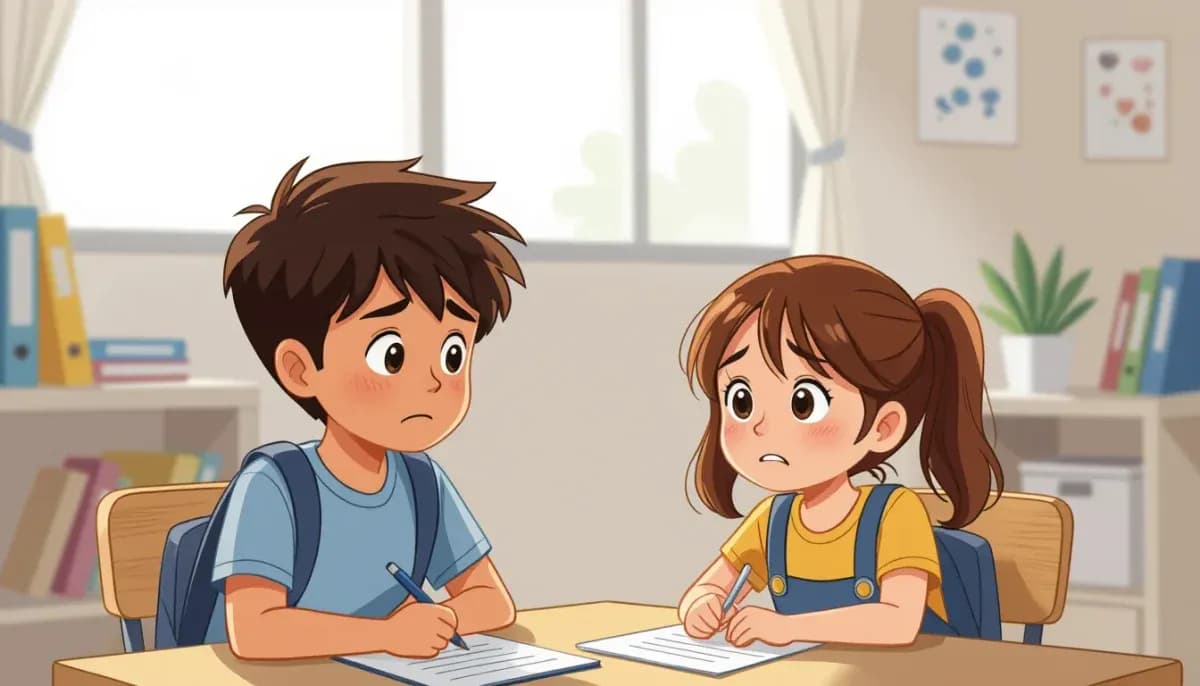
Recognize the signs of culture shock in your children after moving to Japan and learn proven strategies to help them adjust, make friends, and thrive in their new home.
Culture Shock in Children: Symptoms and How to Help
Moving to Japan is an extraordinary adventure for the whole family — but for children, the transition can be particularly challenging. Culture shock in children is a very real phenomenon, and recognizing its symptoms early is key to helping your child adapt successfully. Whether your family has just arrived in Japan or has been here a few months, this guide will walk you through everything you need to know about identifying and addressing culture shock in children.
According to a survey by Japan's Ministry of Education (MEXT), over 120,070 children of foreign nationals are currently attending schools in Japan. Many of these children experience some degree of cultural adjustment stress. The good news is that with the right support, most children not only adapt but thrive in their new environment.
What Is Culture Shock in Children?
Culture shock occurs when a child is suddenly immersed in a cultural environment that differs significantly from what they have known. It is sometimes referred to as Expat Child Syndrome (ECS) — a recognized pattern of behavioral and emotional changes that affect children who relocate internationally.
Unlike adults, children often lack the emotional vocabulary to express what they are feeling. Instead of saying "I'm overwhelmed by the new culture," they may act out, cry without explanation, or withdraw from family and friends. Understanding that these behaviors are rooted in adjustment — not bad behavior — is the first step toward helping.
Culture shock in children is not a weakness or a failure. It is a completely normal response to an abnormal amount of change happening in a short period of time.
The Four Stages of Culture Shock
Both children and adults typically move through four recognizable stages of cultural adjustment. Knowing where your child is in this process helps you respond appropriately.
| Stage | Typical Timeframe | How Children May Behave |
|---|---|---|
| Honeymoon | Weeks 1–4 | Excited, curious, sees everything as an adventure |
| Frustration / Rejection | Months 2–6 | Irritable, homesick, critical of Japan, withdraws |
| Adjustment | Months 4–12 | Gradually builds routines, makes friends, becomes more comfortable |
| Acceptance | 6 months+ | Feels settled, develops bicultural identity, thrives |
Research indicates that the most intense adjustment period typically falls between 2 and 6 months after arrival. If your child is struggling during this window, know that it is developmentally normal — and that it will pass.
Common Symptoms of Culture Shock in Children
Children display culture shock differently depending on their age, temperament, and previous international experience. Here are the most common symptoms to watch for:
Emotional and Behavioral Symptoms
- Increased irritability and seemingly overblown reactions to minor frustrations
- Frequent temper tantrums or emotional outbursts that seem out of character
- Withdrawal from family activities, friends, or social situations
- Excessive criticism of Japan, Japanese people, or "everything here"
- Homesickness — constantly talking about friends, food, or routines from before
- Regression — younger children may revert to behaviors they had outgrown (thumb-sucking, bedwetting)
- Anxiety or clinginess, especially around school drop-off or new social situations
- Mood swings and unpredictable emotional changes throughout the day
Physical Symptoms
Culture shock is not just emotional. It can manifest physically, too:
- Changes in sleep patterns — difficulty falling asleep, waking at night, or sleeping too much
- Appetite changes — refusing to eat new foods or eating noticeably more or less than usual
- Headaches or stomachaches with no clear medical cause
- Fatigue and low energy, even after adequate rest
- Digestive issues or frequent complaints of feeling unwell
School-Related Symptoms
- Refusal to go to school or persistent dread about going
- Difficulty concentrating or declining academic performance
- Social isolation — eating alone, avoiding group activities
- Trouble with language leading to frustration or shame
- Complaints of being left out or bullied
If your child exhibits several of these symptoms over a period of weeks, culture shock is likely a contributing factor.
How to Help Your Child Cope with Culture Shock
The most important thing you can do is respond with empathy, patience, and consistency. Here are the most effective strategies for supporting children through cultural adjustment.
1. Prepare Before You Arrive
Preparation significantly reduces the shock of arrival. Before your family moves to Japan, involve your child in the process. Research Japanese customs together — try Japanese food, watch anime or Japanese children's shows, and talk openly about what life will be like. Children who have realistic expectations experience significantly less distress.
Pack their favorite toys, books, and comfort items. Having familiar objects in an unfamiliar place provides a sense of continuity and security.
2. Create Space for Open Communication
Children need to feel that their emotions are valid and understood. Make it a daily practice to check in with your child — not just "How was school?" but "What was hard today? What did you enjoy?" Validate their feelings without immediately trying to fix them.
Avoid dismissing complaints like "I hate Japan" with "No you don't — Japan is wonderful!" Instead, acknowledge: "It sounds like today was really frustrating. Tell me more about what happened." This approach builds trust and prevents your child from bottling up their feelings.
3. Maintain Familiar Routines
Stability is critical during periods of change. Try to preserve as many familiar routines as possible — regular mealtimes, bedtime rituals, weekend activities. Predictability helps children feel safe when so much around them is new.
At the same time, establish new Japan-based routines. A Saturday morning trip to the local park, a weekly family ramen outing, or a monthly visit to a new neighborhood can help children begin to feel "at home" in Japan.
4. Help Them Build Friendships and Community
Research consistently shows that the most effective predictor for reducing culture shock is the quality of relationships your child builds with teachers and peers. A single good friend can make an enormous difference.
Look for structured activities where your child can connect with others — sports clubs, art classes, community centers, or international playgroups. Many cities in Japan have active expat parent communities with regular meetups. Japanese supplementary schools (補習校) can also provide a unique sense of belonging, where children interact with both Japanese and international peers in a supportive setting.
For more on education options, see our guide to International Schools in Japan and Elementary School in Japan for Foreign Parents.
5. Facilitate Proper Goodbyes
Children grieve the life they've left behind. Don't rush past this. Before leaving your home country, hold farewell gatherings with friends, say goodbye to favorite places, and reassure your child that these friendships don't have to end. Video calls, pen pals, and shared online games can help children maintain meaningful connections across the distance.
6. Celebrate Small Wins
Each small victory in adapting — learning to order food in Japanese, making a new friend, navigating the train alone — deserves acknowledgment. Positive reinforcement builds confidence and helps children reframe adaptation as an achievement rather than a burden.
7. Practice Self-Compassion as a Parent
Helping a child through culture shock while managing your own adjustment is genuinely hard. It is okay to feel overwhelmed. Your emotional state directly affects your child's sense of security, so prioritizing your own mental health is not selfish — it is necessary.
For families navigating emotional difficulties, the Mental Health and Emotional Wellbeing for Foreign Children in Japan resource offers further support.
Culture Shock by Age Group
Children experience and express culture shock differently depending on their developmental stage.
| Age Group | Key Concerns | How to Help |
|---|---|---|
| Infants & Toddlers (0–3) | Separation anxiety, routine disruption | Maintain feeding/sleep schedules; prioritize attachment |
| Preschoolers (3–6) | Difficulty making friends, language barrier | Play-based activities; bilingual playgroups |
| Elementary (6–12) | Academic pressure, social exclusion | After-school activities; open communication |
| Middle School (12–15) | Identity confusion, peer pressure, social comparison | Peer support networks; limit social media comparisons |
| High School (15–18) | University concerns, cultural identity, belonging | Future planning conversations; bicultural mentors |
Teenagers, in particular, can struggle deeply with the question of who they are across cultures. This is especially relevant for hafu and mixed-race children in Japan.
When to Seek Professional Help
Most children move through culture shock and emerge stronger. However, some children need additional support. Consider consulting a professional if:
- Symptoms persist for more than 3–4 months without improvement
- Your child expresses persistent sadness, hopelessness, or worthlessness
- There are signs of self-harm or disordered eating
- School refusal becomes a daily crisis
- Your child completely withdraws from all social contact
Tokyo Mental Health and other counseling services in Japan offer English-language support specifically designed for expat families. According to Tokyo Mental Health, culture shock is a normal part of adapting to Japan — but that doesn't mean you have to navigate it alone.
Building a Bicultural Identity: The Long-Term Reward
Children who successfully navigate culture shock often develop extraordinary strengths: empathy, adaptability, multilingualism, and a genuinely global perspective. Research following over 2,480 teenage exchange students found that those with strong support systems experienced significantly less adjustment stress — and reported higher levels of cross-cultural competency in adulthood.
The concept of Ibasho (居場所) — a Japanese word meaning "a place where one belongs" — is a powerful framework for helping your child thrive. When children find their Ibasho in Japan, whether through a school club, a neighborhood friend group, or a supplementary school community, they begin to see Japan not as a foreign place, but as part of who they are.
For a broader picture of raising children in Japan, visit our Complete Guide to Raising Bilingual Children in Japan and the comprehensive resource on Child Mental Health and Emotional Wellbeing.
Useful Resources for Expat Parents in Japan
Here are some trusted resources to support you and your child through the adjustment journey:
- Expat Child — Culture Shock in Children — Detailed guide on spotting and addressing culture shock in expat kids
- Expat Therapy 4U — Helping Your Child Cope — Evidence-based coping strategies for expat families
- Nippon Bridge — Culture Shock Guide for Expats in Japan — Japan-specific culture shock information for families
- Living in Nihon — Raising Children and Education in Japan — Comprehensive guide for foreign families raising children in Japan
- For Work in Japan — Family Life in Japan Guide — Complete resource for expat family life in Japan
- Chuukou Benkyou — Returnee and Foreign Student Exam Options — Information on academic options for returnee and foreign students in Japan
Final Thoughts
Culture shock in children is challenging — but it is not permanent. With patience, open communication, and the right support structures in place, your child can move through this adjustment period and emerge with a richer, more resilient sense of self. Japan is a remarkable place to grow up, and the challenges of adapting will ultimately become some of the most formative experiences of your child's life.
For more guidance on navigating life with children in Japan, explore our full resource hub at The Complete Guide to the Japanese Education System for Foreign Families.

Originally from Vietnam, living in Japan for 16+ years. Graduated from Nagoya University, with 11 years of professional experience at Japanese and international companies. Sharing practical information for foreign parents raising children in Japan.
View Profile →Related Articles
Positive Psychology Approaches for Multicultural Children
Discover evidence-based positive psychology approaches to help multicultural children in Japan thrive — building bicultural identity, resilience, language confidence, and emotional wellbeing.
Read more →
Combating Social Isolation and Loneliness in Expat Kids
Practical guide to helping expat children overcome social isolation and loneliness in Japan. Covers warning signs, strategies, resources, and research-backed advice for foreign families.
Read more →
How Parental Stress Affects Children in Expat Families
Learn how parental stress transmits to children in expat families in Japan, warning signs to watch for, and proven strategies to protect your children's emotional wellbeing.
Read more →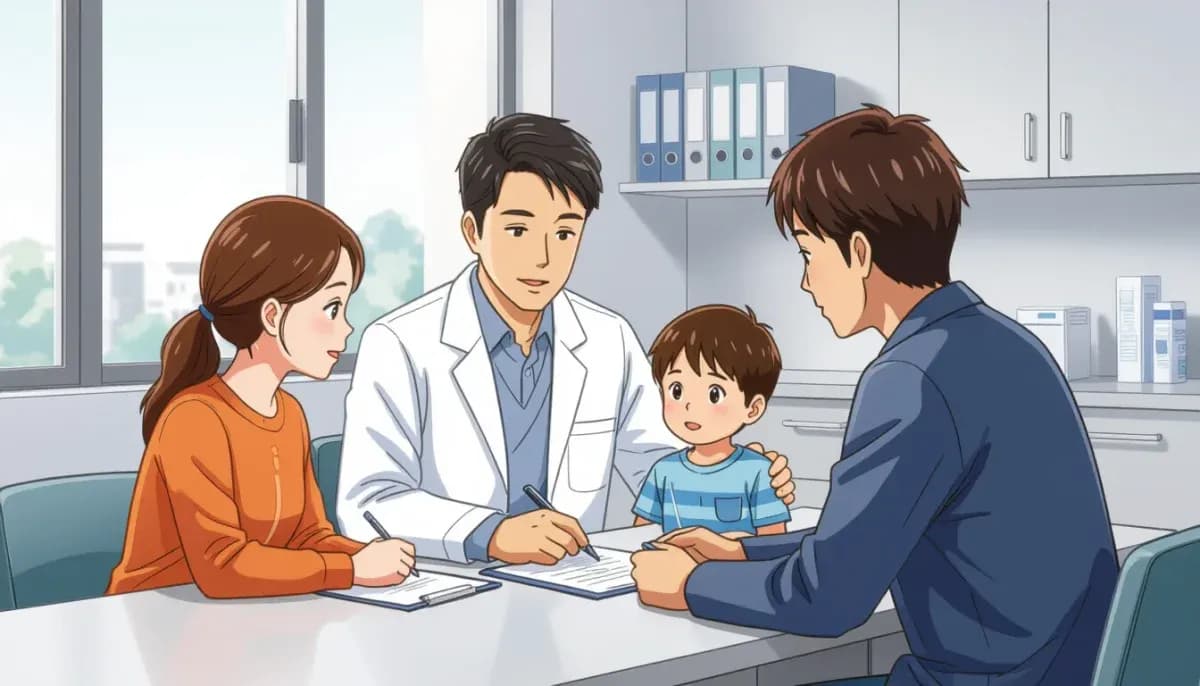
When to Seek Professional Help for Your Child in Japan
A complete guide for foreign parents on warning signs, types of professionals, and how to access mental health, developmental, and behavioral support for your child in Japan.
Read more →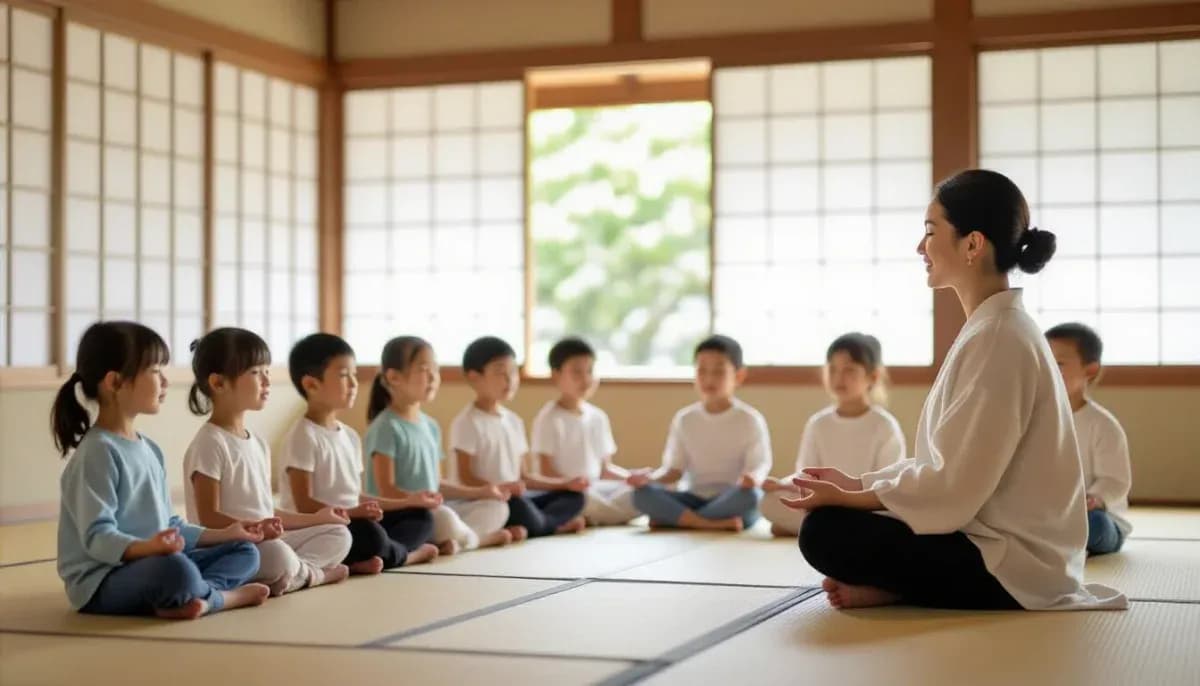
Mindfulness and Relaxation Techniques for Children
Discover effective mindfulness and relaxation techniques for children in Japan. From breathing exercises to Shinrin-yoku, help your child manage stress and thrive as an expat family.
Read more →
Emotional Support During Major Life Transitions
Navigating major life transitions in Japan as a foreigner? Discover emotional support strategies, English-language mental health resources, crisis lines, and community-building tips to help you and your family thrive through change.
Read more →