
Traditional Japanese Toys and Games for Kids

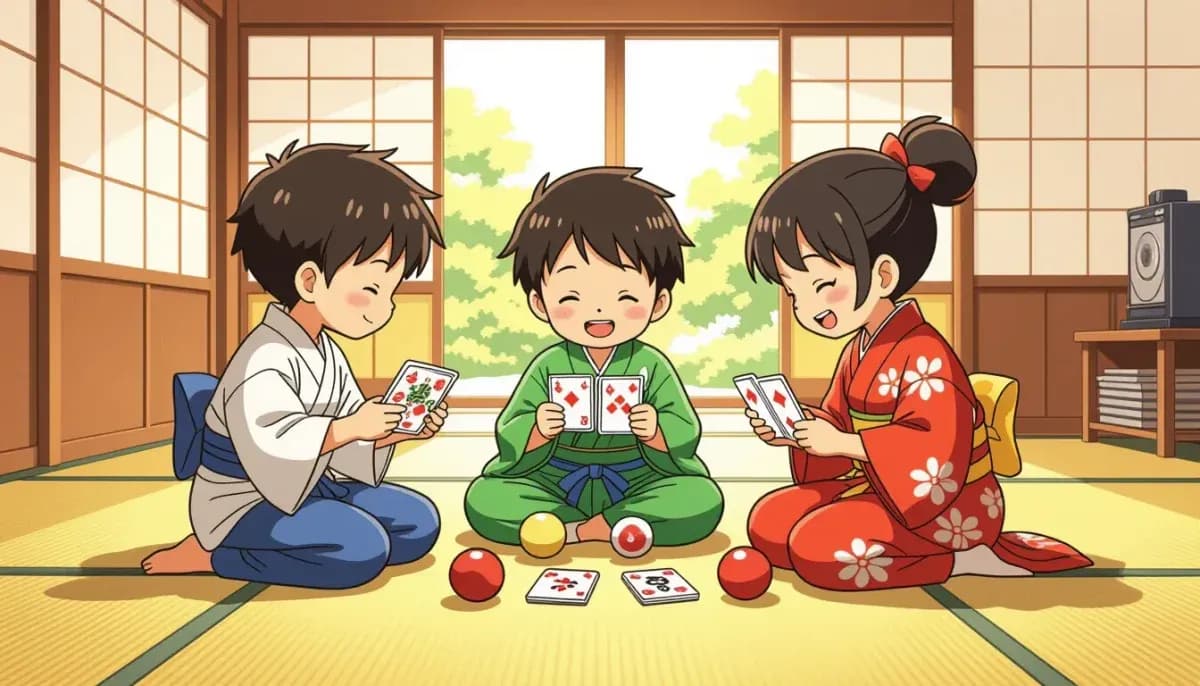
Discover traditional Japanese toys and games for kids living in Japan. From kendama to karuta, this complete expat guide covers history, where to buy, and how to use traditional play for cultural integration.
Traditional Japanese Toys and Games for Kids: A Complete Guide for Expat Families
Moving to Japan with children opens a wonderful window into one of the world's most fascinating cultures — and few things capture that culture as vividly as traditional Japanese toys and games. From the satisfying clack of a kendama to the intense focus of a karuta match, these ancient pastimes offer your children a meaningful way to connect with Japanese peers, understand local customs, and develop skills that modern screen-based entertainment simply cannot replicate.
This guide covers the most beloved traditional Japanese toys and games, their history, how to find them, and practical tips for expat families looking to integrate these timeless activities into daily life in Japan.
Why Traditional Japanese Toys Matter for Expat Kids
Traditional Japanese toys are more than just fun — they are living pieces of cultural heritage. Many date back centuries, with roots in Shinto rituals, Heian court entertainment, or Edo-period street play. When your child learns to play with a koma (spinning top) or recite karuta poem cards, they are participating in something that millions of Japanese children have shared across generations.
For foreign children growing up in Japan, engaging with traditional toys provides several practical benefits:
- Social integration: Japanese children at school still play these games, especially during festival seasons
- Language learning: Many games involve chanting rhymes, reading hiragana, or responding to verbal cues
- Cultural understanding: Understanding the story behind each toy deepens appreciation of Japanese history and values
- Accessible entry point: Traditional toys are widely available, inexpensive, and require no prior language ability to begin
Japan's toy market reached 1.1 trillion yen in FY 2024 — yet many of the most beloved toys for young children remain the ancient ones, found at 100-yen shops and festival stalls nationwide.
For more on raising children in Japan as a foreign family, see our guide on toddler parenting in Japan and raising bilingual children in Japan.
The 10 Most Beloved Traditional Japanese Toys and Games
1. Kendama (けん玉) — The Ball-and-Cup Challenge
Kendama is arguably Japan's most iconic traditional toy and one that has exploded in international popularity. It consists of a wooden hammer-shaped handle (ken) with three cups and a spike, connected by string to a wooden ball (tama).
The toy entered Japan around 1777 via Nagasaki, initially as a drinking game for adults. Today, the Japanese Kendama Association maintains a martial-arts-style ranking system, and national tournaments attract thousands of participants.
Why kids love it: Endless progression. Experts master approximately 30,000 trick combinations. Even beginners feel success quickly — catching the ball in the largest cup is achievable within minutes.
Where to find it: Toy shops, 100-yen stores (basic versions), sports shops, and online. Expect to pay ¥500–¥3,000 for a quality version.
Age range: 4 and up
2. Karuta (かるた) — Japan's Most Competitive Card Game
Karuta is a card-matching game that traces back to the Heian period and the entertainment of the aristocracy. The most famous version, Hyakunin Isshu, uses 100 classical Japanese poems: a reader recites the first half of a poem and players race to slap the correct card showing the poem's second half.
For younger children, easier versions use hiragana letters or illustrated picture cards (e-karuta), making them an excellent Japanese learning tool.
Why kids love it: The explosive, reflex-driven gameplay makes it intensely exciting. Children get surprisingly competitive.
Cultural note: Karuta tournaments are held across Japan every winter, and competitive karuta is even recognized as a sport. A dedicated manga and anime series (Chihayafuru) has brought the game to new audiences.
Where to find it: Toy shops, bookstores, 100-yen stores (picture karuta)
Age range: 4+ (picture karuta), 8+ (Hyakunin Isshu)
3. Koma (こま) — Spinning Tops
Spinning tops have existed in Japan for over 1,000 years, and the koma remains a staple of childhood play. Traditional koma are made of wood and spun by wrapping a string around the body and releasing it with a flick of the wrist. Competing tops crash into each other in a ring — a play pattern that directly inspired the modern Beyblade franchise.
Why kids love it: The satisfying whirring sound, the competitive battles, and the skill required to master the throw.
Where to find it: Festival stalls, toy shops, souvenir stores
Age range: 5 and up
4. Daruma Otoshi (だるまおとし) — Japanese Tower Toppling
Daruma otoshi consists of a stack of colorful wooden discs topped with a daruma figure — the round, armless doll representing Bodhidharma, a 6th-century Buddhist monk. The game requires knocking the bottom disc out of the stack with a small hammer without toppling the daruma above.
Think of it as Japanese Jenga with a cultural backstory.
Why kids love it: Instantly intuitive to play. Children of all ages can enjoy it together.
Where to find it: Toy shops, souvenir stores, 100-yen stores
Age range: 3 and up
5. Fukuwarai (福笑い) — Lucky Faces
Fukuwarai ("lucky laugh") is Japan's version of pin-the-tail-on-the-donkey. Players are blindfolded and must arrange a set of loose facial features — eyes, nose, mouth, eyebrows — onto a blank face outline. The resulting comedic faces cause enormous laughter.
This game is particularly associated with New Year celebrations and is an excellent icebreaker activity for children's parties.
Why kids love it: The hilarious results are universally funny, crossing all language barriers.
Where to find it: Toy shops, dollar stores during the New Year season
Age range: 3 and up
6. Menko (めんこ) — Slap Cards
Menko are thick cardboard or plastic playing cards decorated with characters — historically samurai and ninja, today anime and manga figures. Players throw their card at an opponent's card on the ground, attempting to flip it over. Successfully flipped cards are claimed as prizes.
The game originated in the mid-Meiji period (1880–1885). It is essentially Japan's original collectible card game.
Why kids love it: The competitive trading and collecting element. Finding rare cards is exciting.
Where to find it: Toy shops, convenience stores, festival stalls
Age range: 5 and up
7. Temari (手まり) — Embroidered Balls
Temari are elaborately embroidered silk thread balls originally made from recycled kimono fabric by mothers and grandmothers for their daughters. Traditionally, girls tossed them while chanting nursery rhymes. Today they are more often appreciated as folk art objects than actively played with.
Making a temari together with your child is a beautiful craft activity that connects to centuries of Japanese tradition.
Why kids (and parents) love it: The stunning geometric patterns make them objects of pride and beauty.
Where to find it: Craft shops, folk art stores, souvenir shops in traditional areas
Age range: Making — 10+ with adult help; Using — all ages
8. Taketombo (竹とんぼ) — Bamboo Dragonfly Propeller
The taketombo is a simple bamboo propeller that you spin between your palms and release into the air. Its design concept traces back to approximately 400 B.C. in China, and historians note that Leonardo da Vinci drew a similar design in the 15th century. In Japan, it is commonly described as the country's version of a paper airplane.
Children often hand-make their own taketombo as school craft projects.
Why kids love it: Making and flying your own toy from scratch is deeply satisfying. Simple, cheap, and endlessly entertaining outdoors.
Where to find it: Craft supply stores, souvenir shops; easily DIY-made
Age range: Making — 7+ with guidance; Using — all ages
9. Otedama (おてだま) — Japanese Bean Bag Juggling
Otedama are small, cloth bags filled with beans or rice, juggled solo or passed between partners, often accompanied by traditional songs (otedama uta). The game is similar to Western jacks and has been played by Japanese girls for centuries.
Why kids love it: Singing while playing creates a fun rhythm-based activity. It also builds fine motor coordination.
Where to find it: Toy shops, 100-yen stores, craft shops (make-your-own kits)
Age range: 4 and up
10. Hagoita (羽子板) / Hanetsuki (羽根突き) — Japanese Badminton
Hagoita is the decorated wooden paddle used in hanetsuki, a traditional shuttlecock game. Originating from Nara period Shinto rituals, the game was traditionally believed to bless girls with good health. The penalty for dropping the shuttlecock: an ink mark on the face!
Ornate hagoita paddles featuring kabuki figures or seasonal scenes are collected as art objects and commonly sold at temple fair markets (hagoita ichi) in December.
Why kids love it: The competitive "don't drop it!" format is exciting. Ink-mark penalties add to the fun.
Where to find it: Toy shops, temple fair markets in November/December
Age range: 5 and up
Traditional Japanese Games by Season
Many traditional Japanese games are culturally tied to specific seasons and festivals. Understanding this calendar helps expat families participate fully in Japanese cultural life.
| Season / Festival | Traditional Games & Toys |
|---|---|
| New Year (Oshogatsu) | Karuta, Hanetsuki, Fukuwarai, Takoage (kite flying), Koma, Daruma Otoshi |
| Spring (Hinamatsuri / Doll Festival) | Temari, Otedama |
| Summer Festivals (Matsuri) | Menko, Beigoma, water balloon toys |
| Autumn | Kendama tournaments, craft fairs with Taketombo |
| Winter / Year-End | Hagoita markets, Karuta tournaments |
New Year is by far the richest season for traditional play. Families gather to play karuta, hanetsuki, and fukuwarai during the oshogatsu holiday period. If your children arrive in Japan before the New Year, picking up a basic karuta set is an excellent investment.
Where to Buy Traditional Japanese Toys
Finding traditional toys in Japan is easy. Here is where to look:
100-yen shops (Daiso, Seria, Can Do): Surprisingly well-stocked with basic kendama, koma, menko, fukuwarai, otedama, and simple karuta. Perfect starting point.
Toy stores (Toys R Us Japan, Yamashiroya in Akihabara): Wider selection, higher quality versions, and more specialist toys.
Temple and shrine fair markets: Seasonal markets often sell hand-crafted folk toys directly from artisans. Particularly good around New Year and summer festivals.
Souvenir shops in traditional areas: Asakusa (Tokyo), Gion (Kyoto), and Arashiyama (Kyoto) have excellent selections of folk toys and traditional crafts.
Online (Amazon Japan, Rakuten): Useful for specialty items or if you want to compare prices. Search in Japanese (e.g., けん玉, こま, かるた) for better results.
For more on navigating daily family life in Japan, Living in Nihon offers comprehensive guides for foreign residents. If you're also navigating work and family balance, For Work in Japan covers professional life for expats raising children in Japan. For resources on Japanese study and educational tools for children, Chuukou Benkyou offers study-focused guidance.
Tips for Using Traditional Toys to Help Kids Integrate at School
The social value of traditional toys should not be underestimated. Here are practical ways to use them as cultural bridges:
Practice at home before school events: If your child knows how to play karuta or menko before school tournaments, they'll feel confident rather than sidelined.
Visit local festivals together: Summer matsuri and New Year markets are safe, welcoming environments where your child can observe and join games naturally. Japanese parents and children are generally delighted to teach foreign children traditional games.
Use games for language learning: Karuta directly builds hiragana recognition and listening skills. Even the chanting rhymes of otedama introduce rhythm and vocabulary. For structured Japanese language methods, see our guide on teaching Japanese to foreign children.
Connect games to school curriculum: Elementary schools often cover folk toys in art and crafts (zukou kogei) classes. Knowing the background of taketombo or temari gives your child something to contribute to class discussions. See our elementary school guide for foreign parents for more on supporting your child at school.
Gift traditional toys to Japanese friends: A quality kendama or karuta set makes an excellent birthday gift that Japanese families appreciate — and it opens conversations about culture and play.
Bringing Traditional Japanese Toys Home: What to Pack
If you are eventually leaving Japan, traditional toys make the best cultural souvenirs and keepsakes — far more meaningful than mass-produced merchandise. They are also lightweight and travel-friendly.
Best to pack: Kendama (compact, durable), karuta (flat, educational), otedama (soft, light), menko cards (flat), taketombo (bamboo, fragile but packable).
Worth investing in: A hand-crafted koma from a regional artisan, or a genuine hagoita paddle as decorative art. These tell a story about where your family lived.
For more on expat family life in Japan: Explore our complete guide on the Japanese education system for foreign families and cultural identity for hafu and mixed-race children.
Conclusion
Traditional Japanese toys and games offer something rare: a direct, tactile connection to a culture that is thousands of years in the making. For expat children in Japan, these are not just fun activities — they are keys to belonging, language learning, and lifelong memories.
Start with a kendama from the nearest 100-yen shop. Graduate to karuta by winter. When New Year comes around, sit with your children on tatami and let them discover the joy of fukuwarai. You may find that traditional Japanese play becomes one of the highlights of your time in Japan — for both you and your children.
For more resources on raising children in Japan, visit Just One Cookbook's guide on Japanese games and activities, LIVE JAPAN's overview of traditional toys, and Savvy Tokyo's New Year games guide.

Originally from Vietnam, living in Japan for 16+ years. Graduated from Nagoya University, with 11 years of professional experience at Japanese and international companies. Sharing practical information for foreign parents raising children in Japan.
View Profile →Related Articles
Birthday Party Ideas and Venues for Kids in Japan
Plan the perfect birthday party for your child in Japan. Discover top venues, cultural etiquette, cake options, entertainment ideas, and budget tips for expat families in Japan.
Read more →
Educational Toys and Learning Materials in Japan
Discover the best educational toys and learning materials in Japan for foreign parents. From STEM kits to bilingual tools, find where to buy, what to choose by age, and how to save money.
Read more →
Subscription Boxes and Services for Children in Japan
Discover the best subscription boxes and services for children in Japan. From toy rentals like Toysub! to educational services like Kodomo Challenge, find the perfect options for your foreign family raising kids in Japan.
Read more →
Music and Podcasts for Kids in Japan
Discover the best music, podcasts, and streaming resources for kids in Japan. From warabe uta to anime songs and bilingual podcasts — a complete guide for expat families.
Read more →
Best Children's TV Programs in Japan
Discover the best children's TV programs in Japan for foreign families. From Doraemon to NHK for School, learn what to watch and how Japanese TV helps kids learn Japanese.
Read more →
Board Games and Family Activities in Japan
Discover board games and family activities in Japan for foreign families — from traditional Shogi and Karuta to modern board game cafes, community events, and tips for expat families.
Read more →