
Best Children's TV Programs in Japan

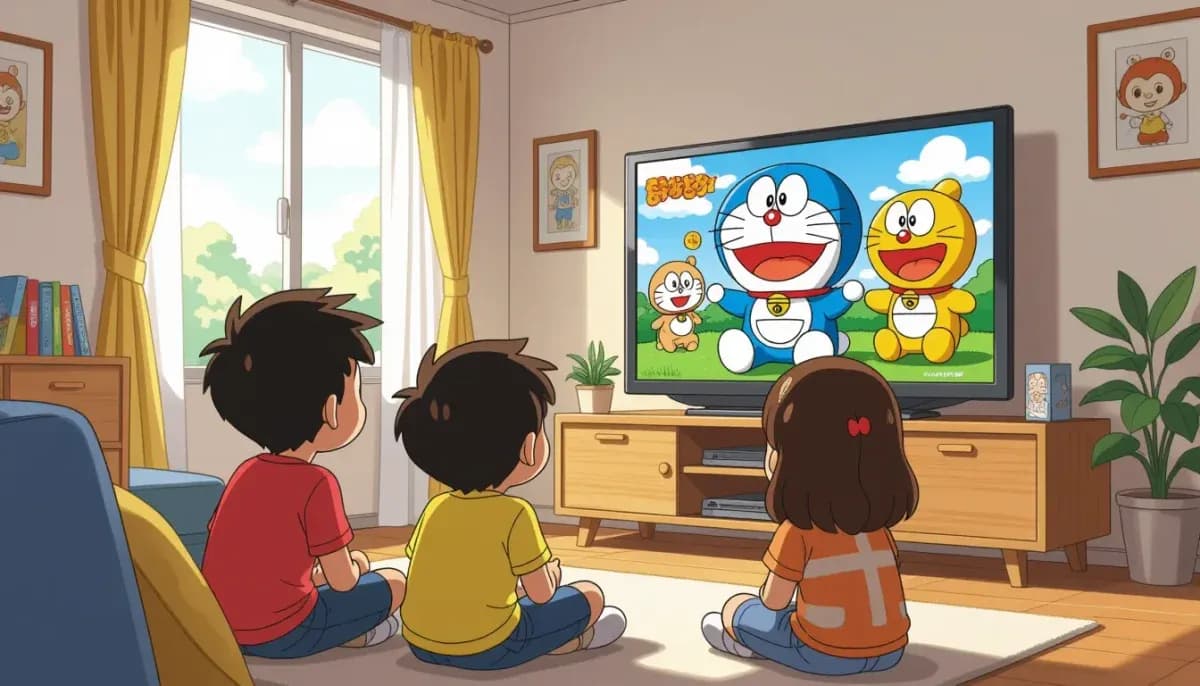
Discover the best children's TV programs in Japan for foreign families. From Doraemon to NHK for School, learn what to watch and how Japanese TV helps kids learn Japanese.
Best Children's TV Programs in Japan: A Complete Guide for Foreign Parents
If you've just moved to Japan with young children, you may be surprised by the rich world of Japanese children's television. From beloved anime classics that have aired for decades to modern educational programming, Japan offers an extraordinary range of TV content for kids of all ages. This guide breaks down the best children's TV programs in Japan, how to access them, and how they can even help your children learn Japanese naturally.
Why Japanese Children's TV Is Worth Exploring
Japanese children's television is more than just entertainment — it's a cultural institution. Shows like Doraemon and Sazae-san have been running for generations, with entire families sharing the same beloved characters across decades. For foreign parents, Japanese kids' TV serves a dual purpose: it entertains children and helps them absorb the Japanese language through repetition, visual storytelling, and simple vocabulary.
Many expat parents find that allowing their children to watch age-appropriate Japanese programming is one of the fastest and most natural ways for kids to pick up the language. Unlike textbooks, these shows use everyday Japanese in context, with clear pronunciation and visual cues that make comprehension easier. Whether your child is a toddler just starting to talk or an older kid learning to read hiragana, Japan's TV landscape has something designed just for them.
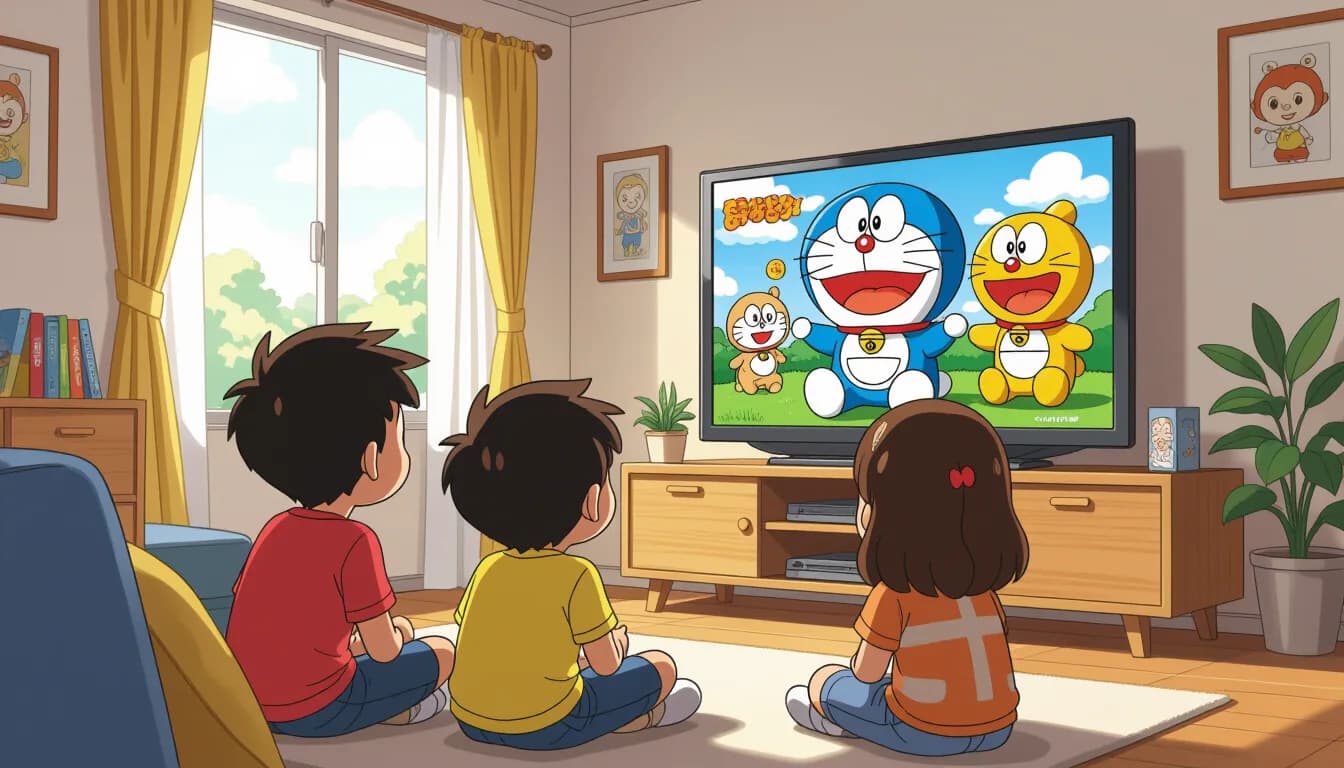
Iconic Classic Shows Every Child in Japan Knows
These are the cornerstone programs of Japanese children's television — shows that parents grew up watching and now share with their own children.
Doraemon (ドラえもん) Universally regarded as the "king of Japanese kids' cartoons," Doraemon follows a robotic cat from the future who helps a clumsy boy named Nobita with magical gadgets from his four-dimensional pocket. Airing on TV Asahi every Friday evening, Doraemon is gentle, funny, and filled with life lessons about friendship and perseverance. The language is clear and simple, making it excellent for young learners.
Sazae-san (サザエさん) This is a true piece of television history. Sazae-san has been airing in the same Sunday 6:30 PM time slot since October 5, 1969, making it the longest-running animated series in the world. The show follows the cheerful Sazae and her multigenerational family through the ups and downs of everyday Japanese life. It's wholesome, culturally rich, and beloved by grandparents and grandchildren alike.
Anpanman (アンパンマン) For toddlers and preschoolers, Anpanman is king. This superhero has a red bean bun (anpan) for a head and uses simple, clear language perfect for ages 2 and up. Anpanman has 5 dedicated museums across Japan and its merchandise outsells even Hello Kitty. The show's simple moral messages — be kind, help others, never give up — resonate with young children everywhere.
Chibi Maruko Chan (ちびまる子ちゃん) Following a cheerful third-grade girl named Maruko in 1970s Japan, this long-running anime explores school life, family dynamics, and childhood friendships. It's warm, funny, and gives children (and parents) a window into Japanese school culture and everyday customs.
Educational Programs for Young Children
Japan takes children's educational television seriously. These programs are specifically designed to teach language, social skills, and foundational concepts.
Shimajiro (しまじろう) Created by Benesse (Japan's major educational company), Shimajiro follows a tiger cub and his friends through everyday life experiences. The show covers toilet training, sharing, making friends, and basic academic concepts. It's enormously popular in Japan and often comes bundled with Benesse's correspondence education materials (Kodomomeans). Even if your child isn't enrolled in Benesse's program, the show is freely available and highly recommended for ages 2–6.
NHK for School (NHKのクラスTV) The national broadcaster NHK offers an outstanding free, ad-free educational streaming service specifically designed for school-age children. NHK for School covers Japanese language, mathematics, science, social studies, and art — all aligned with the national curriculum. The platform is available online at nhk.or.jp/school and is an invaluable resource for both Japanese children and foreign children learning alongside their peers.
With Mother (おかあさんといっしょう) One of NHK's flagship children's programs, "With Mother" (Okaasan to Issho) is a beloved morning show combining songs, stories, puppets, and physical activities for toddlers and preschoolers. It's been running since 1959 and remains one of the most-watched children's programs in Japan. The pace is slow and cheerful, and the language is perfectly pitched for very young learners.
Pitagora Switch (ピタゴラスイッチ) This creative NHK program uses Rube Goldberg-style machines and clever animation to teach logical thinking, sequencing, and problem-solving. Even children who don't understand every word are captivated by the visual ingenuity of the contraptions. It's a great example of educational TV that works across language barriers.
Action and Adventure Shows for Older Children
As children grow, their tastes shift toward more action-oriented programming. Japan has a rich tradition of live-action and animated hero shows.
Kamen Rider (仮面ライダー) Since its debut in 1971, Kamen Rider has been a cornerstone of Japanese children's entertainment, particularly for boys. The masked superhero fights monsters using martial arts and special abilities, and each series features a new Rider with updated powers and storylines. It airs on TV Asahi Sunday mornings and remains hugely popular.
Super Sentai (スーパー戦隊) The original series that inspired Power Rangers globally, Super Sentai follows a team of color-coded heroes who fight evil. New series debut every spring and are essential viewing for elementary-school-aged children. Ask any Japanese child about their favorite Sentai color — it's a great conversation starter.
Pokemon (ポケモン) Originally launched as a Japanese anime in 1997, Pokemon became the most globally recognized Japanese children's show in history. The adventures of Ash (Satoshi) and Pikachu remain fresh and exciting with ongoing new series. The show's global popularity means many children arriving in Japan already have a point of connection with this beloved franchise.
How to Watch Japanese Children's TV as a Foreign Family
| Method | Cost | Access | Best For |
|---|---|---|---|
| Free-to-air TV | Free | In Japan only | All shows (NHK, TV Asahi, Fuji TV) |
| NHK for School online | Free | In Japan | Educational content ages 6–15 |
| YouTube (official channels) | Free | Global | Doraemon, Anpanman, Shimajiro clips |
| Netflix Japan | ¥790+/month | In Japan | Wide anime selection with subtitles |
| Jme Streaming | Subscription | North America | Kids channel with ~20 Japanese shows |
| Amazon Prime Japan | ¥600/month | In Japan | Wide children's content library |
Free-to-Air Television in Japan All major channels — NHK (1 and E-tele), TV Asahi, Fuji TV, and TV Tokyo — broadcast children's programming at no cost. Saturday and Sunday mornings are peak children's viewing time, with hero shows (Kamen Rider, Super Sentai) typically airing between 8:00–9:00 AM on TV Asahi.
NHK E-tele NHK's educational channel (channel 2) dedicates significant airtime to children's programming throughout the day, including With Mother, Shimajiro, Pitagora Switch, and NHK for School segments. This is your best free resource for quality educational content.
Streaming Services For families who don't have a traditional TV setup, Netflix Japan has an excellent children's section with Japanese anime, many available with both Japanese and English audio options. This can be particularly useful for bilingual families wanting to expose children to both languages.
Tips for Using TV to Help Children Learn Japanese
- Start with familiar content: If your child already loves a show like Pokemon, watching the Japanese version immediately gives them context clues they understand.
- Choose shows with repetition: Anpanman and Shimajiro repeat phrases constantly, which is ideal for language absorption.
- Watch together: Watching with your child lets you explain words and phrases in real time.
- Don't force comprehension: Let children enjoy the shows first. Language acquisition happens naturally over time.
- Supplement with books: Many popular shows like Doraemon have manga versions — reading alongside watching accelerates learning.
For more on helping your children become bilingual, check out our guide on Raising Bilingual Children in Japan and Teaching Japanese to Foreign Children.
Cultural Significance of Children's TV in Japan
Understanding Japanese children's TV goes beyond knowing what's on. These shows are deeply woven into Japanese culture and social life. Characters like Anpanman and Doraemon appear on school supplies, lunchboxes, clothing, and playgrounds — being familiar with these characters helps your children connect with their Japanese peers immediately.
Japan also has a strong tradition of educational TV backed by NHK and the Ministry of Education. Unlike some countries where children's TV is primarily commercial, a significant portion of Japanese children's programming is designed with genuine educational intent and undergoes academic review.
For broader context on your child's cultural adjustment in Japan, our article on Cultural Identity for Hafu and Mixed-Race Children offers valuable perspective.
For more on anime culture and its role in Japanese society, read the in-depth guide at Living in Nihon on Manga and Anime Culture.
Recommended Shows by Age Group
| Age | Recommended Shows | Why |
|---|---|---|
| 0–2 years | With Mother (Okaasan to Issho) | Songs, puppets, gentle pace |
| 2–4 years | Anpanman, Shimajiro | Simple vocabulary, clear speech |
| 4–6 years | Doraemon, Chi's Sweet Home | Short episodes, humor, everyday themes |
| 6–9 years | Chibi Maruko Chan, Pokemon | School themes, adventure, friendship |
| 9–12 years | Kamen Rider, Super Sentai | Action, teamwork, longer story arcs |
| All ages | Sazae-san | Family viewing, cultural touchstone |
Final Thoughts
Japan's children's television landscape is genuinely exceptional — creative, educational, and deeply connected to Japanese culture. As a foreign parent, embracing these shows is one of the best investments you can make in your child's cultural and linguistic integration. Whether it's sitting down for Anpanman with a toddler or watching Doraemon with an elementary schooler, these shows create shared experiences that help children feel at home in Japan.
For parents navigating the broader challenges of raising children in Japan, explore additional resources at For Work in Japan for family and expat life guidance, and Chuukou Benkyou for study and education resources relevant to children in Japan.
Also check out the comprehensive statistics and background on Japanese children's programs at Facts and Details and tips for using kids' shows for language learning at Speechling's Guide to Kids' Shows for Japanese Learning.
For a complete overview of raising children in Japan as a foreign family, see our main guide: The Japanese Education System for Foreign Families.

Originally from Vietnam, living in Japan for 16+ years. Graduated from Nagoya University, with 11 years of professional experience at Japanese and international companies. Sharing practical information for foreign parents raising children in Japan.
View Profile →Related Articles
Birthday Party Ideas and Venues for Kids in Japan
Plan the perfect birthday party for your child in Japan. Discover top venues, cultural etiquette, cake options, entertainment ideas, and budget tips for expat families in Japan.
Read more →
Traditional Japanese Toys and Games for Kids
Discover traditional Japanese toys and games for kids living in Japan. From kendama to karuta, this complete expat guide covers history, where to buy, and how to use traditional play for cultural integration.
Read more →
Educational Toys and Learning Materials in Japan
Discover the best educational toys and learning materials in Japan for foreign parents. From STEM kits to bilingual tools, find where to buy, what to choose by age, and how to save money.
Read more →
Subscription Boxes and Services for Children in Japan
Discover the best subscription boxes and services for children in Japan. From toy rentals like Toysub! to educational services like Kodomo Challenge, find the perfect options for your foreign family raising kids in Japan.
Read more →
Music and Podcasts for Kids in Japan
Discover the best music, podcasts, and streaming resources for kids in Japan. From warabe uta to anime songs and bilingual podcasts — a complete guide for expat families.
Read more →
Board Games and Family Activities in Japan
Discover board games and family activities in Japan for foreign families — from traditional Shogi and Karuta to modern board game cafes, community events, and tips for expat families.
Read more →