
Protecting Children's Wellbeing During Divorce in Japan

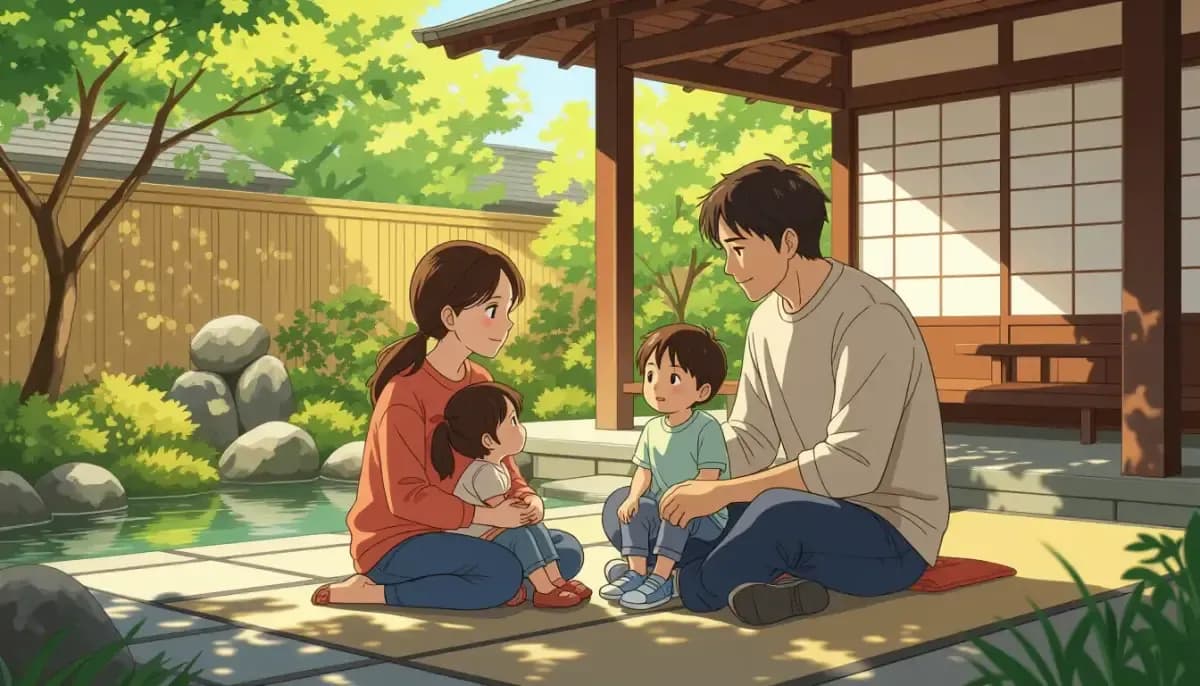
A complete guide for foreign parents on protecting children's wellbeing during divorce in Japan — covering custody, child support, school continuity, visa issues, and emotional support strategies.
Protecting Children's Wellbeing During Divorce in Japan
Divorce is never easy, but when children are involved, the stakes are even higher. For foreign families living in Japan, navigating the emotional and legal landscape of divorce can be especially challenging — the cultural norms, legal framework, and support systems differ significantly from what many expats are used to. This guide is designed to help parents understand how to protect their children's wellbeing throughout the divorce process in Japan, from the legal realities of custody to practical steps for supporting your child emotionally.
Whether you are just beginning to consider divorce or are already in the thick of proceedings, understanding Japan's unique legal environment and cultural context is essential for minimizing harm to your children. Japan's family law underwent one of its most dramatic changes in decades when joint custody became legally available on April 1, 2026 — making it more important than ever to stay informed.
Understanding Japan's Custody System
Japan's approach to child custody has historically differed dramatically from Western models. For decades, Japanese law only permitted sole custody (tandoku shinken) after divorce, meaning one parent — typically the mother — received full parental authority while the other parent's legal rights were severely curtailed. This system often led to complete loss of contact between children and non-custodial parents.
In 2024, Japan enacted its biggest civil code reform in 77 years, introducing joint custody (kyodo shinken) as a legal option effective April 1, 2026. Under the new law, divorced parents can share parental rights, which aligns Japan more closely with international norms. However, courts retain the authority to award sole custody when joint custody would harm the child's welfare — for example, in cases involving domestic violence or where one parent poses a psychological or physical risk.
Key facts about Japan's custody system:
- Mothers receive custody in 80–90% of cases
- About 40% of non-custodial parents never see their children again after divorce
- 1 in 3 children of divorced parents loses all contact with the non-custodial parent
- Visitation had typically been limited to once a month under the old system
- Joint custody became an option for the first time in April 2026
For more on the legal dimensions of custody, see our detailed guide on Child Custody and Family Law in Japan for International Families.
How Divorce Affects Children's Mental Health in Japan
The emotional impact of divorce on children is well-documented worldwide, and Japan is no exception. Studies suggest that approximately 45% of divorced individuals in Japan experienced severe mental health symptoms immediately after separation — and children, who are caught between two parents and often denied contact with one, bear significant emotional burdens.
Children who experience parental divorce in Japan may face:
- Sudden loss of contact with the non-custodial parent, which can feel like abandonment
- School-related stress, including difficulty concentrating or changes in academic performance
- Social stigma — while divorce is increasingly common, some children may face subtle social judgment in school environments
- Identity confusion for mixed-heritage (hafu) children navigating cultural belonging during an already unstable time
It's important to validate your child's emotions without placing blame on either parent. Children benefit most when both parents can communicate civilly and maintain routines. For guidance on supporting your child's emotional needs more broadly, see Mental Health and Emotional Wellbeing for Foreign Children in Japan.
Practical Steps to Protect Your Child During Divorce
Protecting your child's wellbeing starts long before any legal proceedings. Here are concrete steps parents can take:
1. Keep Communication Child-Focused
Avoid speaking negatively about the other parent in front of your child. Children who feel caught in the middle experience higher levels of anxiety and lower self-esteem. Always reassure your child that both parents love them.
2. Maintain Routines
Stability in school schedules, extracurricular activities, and daily routines provides children with a sense of security. Sudden changes — like switching schools, moving homes, or changing caregivers — can compound stress.
3. Seek Professional Support Early
Japan has a growing network of bilingual counselors and family therapists who specialize in expat and cross-cultural family issues. School counselors (スクールカウンセラー) are available at most Japanese schools and can provide in-school support.
4. Document Everything
In contentious divorces, keeping thorough records — including communications, custody agreements, and any incidents — is essential. This documentation is especially important if your case may involve the family court system.
5. Consult Your Embassy
Foreign nationals should contact their embassy early in the process. Embassy staff can provide a list of family lawyers with experience in international cases and advise on how your home country's laws may interact with Japanese law.
For more on legal protections available to foreign families in Japan, visit Visa and Legal Issues for Foreign Families with Children in Japan.
Child Support and Financial Stability After Divorce
Financial instability is one of the biggest threats to children's wellbeing after divorce. Japan has historically had weak enforcement mechanisms for child support, but this changed significantly in 2026.
A statutory child support system launched on April 1, 2026, giving custodial parents the legal right to claim a minimum level of child support even without a prior divorce agreement. This is a major step forward, as previously many custodial parents (usually mothers) received little or no financial support despite legal obligations.
| Support Element | Before April 2026 | After April 2026 |
|---|---|---|
| Minimum child support | No statutory minimum | Statutory minimum established |
| Enforcement mechanisms | Weak, difficult to enforce | Strengthened enforcement powers |
| Agreement requirement | Required before claiming support | Can claim without prior agreement |
| Joint custody option | Not available | Available if court approves |
| Visitation rights | Typically once per month | More flexible arrangements possible |
To understand how to plan financially for your family after divorce, see Financial Planning for Expat Families Raising Children in Japan and Government Benefits and Subsidies for Families in Japan.
Special Considerations for Foreign Parents in Japan
Expats and foreign nationals face additional legal and logistical hurdles during divorce in Japan that can directly affect children's wellbeing.
Visa Status
Foreign parents on spousal visas lose their visa eligibility within 6 months of divorce unless they obtain a different status. Options include:
- Applying for a long-term resident visa (especially if raising a Japanese national child in Japan)
- Transitioning to a work visa if you have employment
- Applying for permanent residency if eligible
Losing legal status to remain in Japan adds enormous stress and may force a parent to leave the country — and potentially lose access to their children.
International Child Abduction and the Hague Convention
Japan ratified the Hague Convention on International Child Abduction, but its implementation has been criticized by foreign governments for being slow and inconsistent. If you are concerned that your child may be taken across international borders without consent, act immediately — contact your embassy and a family lawyer.
Custody agreements made in other countries are generally not directly enforceable in Japan. Japanese courts will consider foreign agreements but are not bound by them.
Language and Cultural Barriers
Legal proceedings are conducted in Japanese. Working with a bilingual lawyer is essential. Additionally, court social workers (家庭裁判所調査官) play a significant role in determining custody — understanding how to communicate with them effectively requires cultural as well as linguistic fluency.
For further guidance, the GaijinPot guide to divorce in Japan and Savvy Tokyo's expat divorce guide are excellent starting points for foreign parents navigating this process.
School and Education: Minimizing Disruption for Your Child
One of the most important ways to protect your child's wellbeing is to minimize disruption to their education. Changing schools mid-year or moving to a new area can set children back academically and socially.
Tips for managing education during divorce:
- Notify your child's school early and let teachers know the family is going through changes. Teachers can watch for behavioral signals and provide classroom support.
- Avoid changing schools unless absolutely necessary. Familiar friends and teachers are a stabilizing force.
- Consider continuity of language instruction — if your child has been learning Japanese, maintaining that pathway matters, especially for long-term life in Japan.
- Explore counseling resources at school — many Japanese schools offer free access to school counselors.
For bilingual and international school options that may offer more flexibility during family transitions, see International Schools in Japan: The Definitive Guide for Families.
Resources and Support Networks
No parent should navigate divorce alone. Here are key resources:
- Your Embassy or Consulate — most embassies maintain lists of family lawyers and can provide emergency assistance
- Family Court (家庭裁判所) — Japan's family courts handle custody, visitation, and child support matters and provide free consultation services
- Bilingual counselors — search for English-speaking therapists through the TELL Japan hotline or the Tokyo English Life Line (TELL)
- NPOs supporting foreign residents — organizations like FRANCA (Foreign Residents and Naturalization Consultants Association) offer legal and practical support
- Living in Nihon — a comprehensive resource for expats navigating life in Japan, including family matters
- For Work in Japan — practical guides on living and working in Japan as a foreigner
- Chuukou Benkyou — Japanese education and family resources for foreign residents
For the latest on Japan's joint custody reforms, see this detailed breakdown of the joint custody law changes.
Conclusion
Protecting your children's wellbeing during divorce in Japan requires both emotional intelligence and legal awareness. The country's family law landscape has evolved dramatically with the 2026 introduction of joint custody and stronger child support enforcement, but the system remains complex — particularly for foreign parents.
The most important things you can do for your child are to keep routines stable, maintain a respectful co-parenting relationship where possible, seek bilingual legal counsel early, and stay informed about both Japanese law and your rights as a foreign national. Divorce is a transition, not an end — with the right support, children can emerge from this period resilient and loved.
For a complete overview of legal protections for your family in Japan, visit our guide on Child Custody and Family Law in Japan for International Families.

Originally from Vietnam, living in Japan for 16+ years. Graduated from Nagoya University, with 11 years of professional experience at Japanese and international companies. Sharing practical information for foreign parents raising children in Japan.
View Profile →Related Articles
Changing Children's Names After Divorce in Japan
A complete guide for foreign parents on how to change your child's surname after divorce in Japan — covering koseki rules, family court petitions, dual nationality, and the 2024 custody reform.
Read more →
Legal Rights of Unmarried Foreign Parents in Japan
Complete guide to legal rights of unmarried foreign parents in Japan: recognition (ninchi), parental authority, child nationality, visa options, and the 2024 Civil Code reform explained.
Read more →
Custody Battles Involving Foreign Parents in Japan
Foreign parents navigating custody battles in Japan face a unique legal system. Learn how sole custody works, what the 2024 reform means, Hague Convention rights, and practical steps to protect your parental rights.
Read more →
International Family Law Attorneys in Japan
Find the right international family law attorney in Japan. Learn about divorce, child custody, the 2025 joint custody reform, Hague Convention cases, and free legal resources for foreign nationals.
Read more →
Family Mediation Services in Japan for Disputes
Understand family mediation (choutei) in Japan as a foreigner — from mandatory court mediation to private English-language services, custody rules, and free legal support resources.
Read more →
Domestic Violence Resources for Families in Japan
Complete guide to domestic violence resources in Japan for foreign families. Emergency hotlines, legal protections, shelters, and safety planning advice for expats experiencing abuse.
Read more →