
Best Bilingual Education Resources and Books for Kids

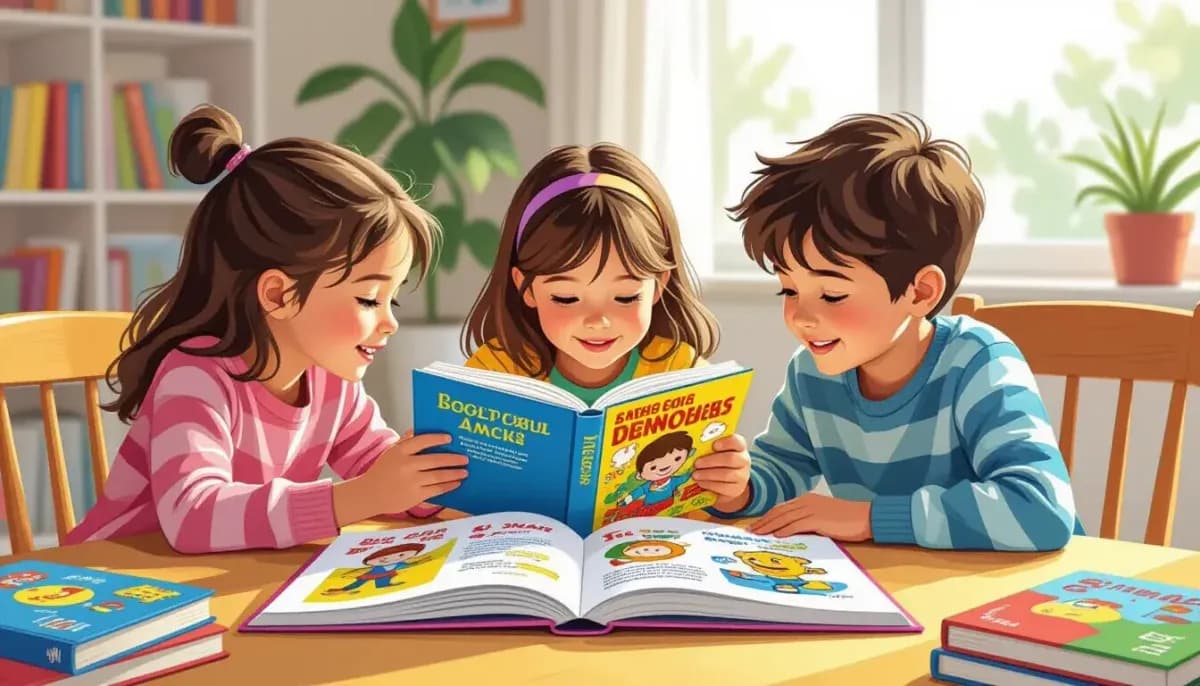
Discover the best bilingual English-Japanese books, apps, playgroups, and programs for raising multilingual kids in Japan. Practical guide for expat and foreign parents.
Best Bilingual Education Resources and Books for Kids in Japan
Raising a bilingual child in Japan is one of the most rewarding — and challenging — journeys a parent can take. With over 3.76 million foreign nationals now living in Japan (as of end of 2024), an increasing number of families are navigating how to keep a minority language alive while their children grow up immersed in Japanese culture and schooling. The good news: there is a rich and growing ecosystem of bilingual books, apps, playgroups, and structured programs to help you succeed.
Whether your children are newborns or already in elementary school, this guide covers the best bilingual education resources and books available for kids growing up between two languages and two worlds.
Why Bilingual Books Matter for Children in Japan
Books are one of the most powerful tools for building bilingualism. Research consistently shows that reading aloud for at least 15 minutes daily is among the single most impactful practices for developing language ability in children. Unlike screen time, which can undercut interactive language experiences, books offer rich vocabulary, narrative structure, and a shared emotional experience between parent and child.
For families in Japan, bilingual picture books serve a unique function: they display two languages side by side, often including hiragana, romaji, or furigana to help bridge the gap between English and Japanese scripts. They can be read by both a Japanese-speaking grandparent and an English-speaking parent — creating a bridge between the child's two cultural worlds.
Children need meaningful exposure to a second language — experts suggest at least 30% of their day should involve the minority language. For most expat families in Japan, that minority language is English, but the same principles apply to Korean, Chinese, French, and other heritage languages.
According to Savvy Tokyo's coverage of bilingual families, dedicating 20–30 minutes each day to reading English books — even well past typical read-aloud ages — proved one of the most effective strategies reported by parents who successfully raised bilingual children in Japan.
For a broader foundation on strategies and schooling options, see our guide on Raising Bilingual Children in Japan and Teaching Japanese to Foreign Children.
Top Bilingual English-Japanese Books by Age Group
Choosing the right book for your child's age and language level makes all the difference. Below is a curated selection of recommended bilingual books organized by age range.
For Babies and Toddlers (Ages 0–3)
| Book Title | Author | Language Notes |
|---|---|---|
| In the Bath (Ofuro Daisuki!) | Leslie Patricelli | Full English and Japanese text (hiragana); board book format |
| Guess Who? | Guido Van Genechten | Interactive flap pages; both languages throughout |
| The Toddler's Handbook | Dayna Martin | Bilingual EN/JP; covers numbers, shapes, animals, emotions |
| Am I Small? (わたし、ちいさい?) | Philipp Winterberg | Ages 2–6; explores size concepts with mystical characters |
In the Bath by Leslie Patricelli is a perennial favorite — the humorous bathing scenes delight babies and the board book format survives the inevitable chewing and splashing. The Toddler's Handbook is a bilingual English/Japanese reference covering everyday vocabulary from numbers to emotions, making it ideal for families using the one-parent-one-language (OPOL) method.
For Preschool Children (Ages 3–6)
At this stage, children are developing their sense of identity, narrative, and friendship. Look for books with strong visual storytelling and simple text in both languages.
- A Color of His Own by Leo Lionni — Watercolor illustrations with themes of identity and belonging, available in bilingual English/Japanese editions. Excellent for sparking conversations about being different.
- In Here, Out There! (ここからはいって、でていく!) by Philipp Winterberg — Focuses on listening and comprehension through humorous storytelling. Ages 0–6.
- ABC Train Book by Shikaku Design Kenkyujo — Teaches hiragana, numbers, and the English alphabet through train imagery. Ages 2–7 and a particular hit in Japan.
For Elementary School Children (Ages 6–12)
| Book Title | Author | Age Range | Key Feature |
|---|---|---|---|
| The Last Kappa of Old Japan | Sunny Seki | Ages 5–14 | Japanese folklore and cultural vocabulary |
| I'm Learning Japanese! | Christian Galan | Ages 9+ | Anime characters; teaches writing and reading |
| Japanese-English Picture Dictionary | Tokyo Shoten | Ages 1–7 | Audio stylus for pronunciation |
| Japanese Children Abroad | Yamada-Yamamoto & Richards | Parents/older readers | Academic research on bilingual language issues |
The Last Kappa of Old Japan is notable for weaving Japanese cultural elements and folklore into a bilingual narrative — children ages 5 to 14 can grow into it over the years.
For a full school-by-school breakdown relevant to bilingual learners, see our Elementary School in Japan Guide for Foreign Parents.
Essential Digital and Online Resources
Books alone won't cover everything. A robust bilingual education plan benefits from a mix of physical books, digital tools, and human community.
Apps and Digital Platforms
- FluentU Japanese — Uses authentic Japanese video content with English captions; great for elementary-age children who already have some Japanese exposure
- Duolingo for Kids — The gamified approach works well for maintaining English vocabulary for Japanese-dominant children
- NHK World for School — NHK's free educational content includes English-subtitled programs about Japanese culture, science, and daily life
- PBS Kids and BBC Bitesize — English-language educational platforms that help balance Japanese school content
Libraries in Japan
Japan's public library system is often underutilized by foreign families. Most larger city libraries stock bilingual children's books. When searching catalogs, use these Japanese search terms:
- 英語でもよめる絵本 (eigo demo yomeru ehon) — "picture books you can also read in English"
- バイリンガル絵本 (bairingaru ehon) — "bilingual picture books"
Some libraries in areas with large expat communities — such as Minato-ku in Tokyo and Nishi-ku in Yokohama — have dedicated English or multilingual children's sections.
English Playgroups
One of the most underrated resources for bilingual families is the local English playgroup. These informal gatherings — often organized through Facebook groups, ward offices, or international community centers — bring together children and families for structured activities: singing, crafts, storytelling, and free play, all in the minority language. Starting or joining such a group provides both structured language time and vital social connection for parents.
For more on building a support network, see our guide to Heritage Language Maintenance for Children in Japan.
Structured Bilingual Learning Programs
Beyond informal resources, some families pursue more structured programs for their children's bilingual education.
Eigo Note / English Activity in Japanese Public Schools
Japanese public elementary schools now include English activity classes from Grade 1 and formal English instruction from Grade 3 under the national curriculum. While this is not enough for bilingual development on its own, it provides a scaffolding that you can build on at home.
Saturday Schools and Heritage Language Schools
Many cities in Japan have weekend schools run by embassies or community organizations that provide mother-tongue instruction in English, Korean, Chinese, Portuguese, and other languages. These schools follow the curriculum of the home country and help children maintain grade-level literacy in their heritage language.
Examples include:
- Tokyo Weekday School / Saturday School programs run by various consulates
- Brazilian schools in cities like Hamamatsu and Toyota for Portuguese speakers
- Korean schools in major metropolitan areas
International Preschools and Kindergartens
For families who can afford it, an international preschool provides full immersion in English (or another minority language) during the critical 0–6 age window. The trade-off is cost — international school tuition for multiple children can be prohibitive — and the risk of delayed Japanese language development if Japanese peers and play are lacking.
See our full comparison of options in our International Schools in Japan Guide and Kindergarten in Japan (Yochien) Guide.
Practical Strategies for Using Books at Home
Owning bilingual books is just the start. How you use them makes all the difference.
1. Read the same book in both languages on different nights. This lets children hear how the same story sounds in each language and builds transfer skills.
2. Pause and discuss in the minority language. Don't just read — ask questions, make predictions, and connect the story to your child's own experiences in the minority language.
3. Use translanguaging. Don't be afraid to mix languages naturally in conversation around the book. Research increasingly supports the idea that flexible code-switching supports — rather than undermines — bilingual development.
4. Keep books visible and accessible. A bookshelf in the child's room with minority-language books prominently displayed reinforces that these books (and the language they represent) are valued.
5. Let children choose. Allowing children to pick which book to read increases engagement and gives agency, making the reading habit sustainable long-term.
6. Build a routine. Even 15 minutes before bed every night adds up to over 90 hours of minority language exposure per year — a significant investment in your child's linguistic future.
Where to Buy Bilingual and English Books in Japan
Finding English and bilingual books in Japan is easier than ever:
- Amazon Japan — Largest selection; search for "bilingual children books English Japanese" or filter by publisher
- Kinokuniya (紀伊國屋書店) — Major bookstores in Tokyo, Osaka, and other cities have dedicated foreign language children's sections
- Book Off — Second-hand shops often have English and bilingual children's books at low prices
- Language Lizard — Specializes in dual-language children's books shipped internationally
- Mantra Lingua — UK publisher of award-winning multilingual picture books in 65+ language pairs
For further reading on education resources and raising children in Japan, we also recommend checking Living in Nihon's guide to raising children and education in Japan, For Work in Japan's family life resources, and Chuukou Benkyou for supplementary study support as your children grow toward junior high age.
For comprehensive advice on bilingual resources, Savvy Tokyo's guide to 5 bilingual Japanese-English books for young children is an excellent starting point, and Japan Today's 16 tips for raising a bilingual child offers practical, parent-tested strategies.
Summary: Building a Bilingual Home Library
The research is clear: the earlier you start, the more consistently you engage, and the more you integrate the minority language into daily life — including through books, play, and community — the better your child's bilingual outcomes will be. There is no single "best" approach, but bilingual books are one of the lowest-friction, highest-return investments you can make.
Start with one or two board books for babies. Add a shelf of picture books as they grow. Join an English playgroup. Connect with other bilingual families. And keep reading — every night, every book, every story.
Your child's bilingualism is built one page at a time.
For more on the broader journey, explore our guides on Teaching Japanese to Foreign Children, Cultural Identity for Hafu and Mixed-Race Children in Japan, and the Complete Guide to the Japanese Education System.

Originally from Vietnam, living in Japan for 16+ years. Graduated from Nagoya University, with 11 years of professional experience at Japanese and international companies. Sharing practical information for foreign parents raising children in Japan.
View Profile →Related Articles
How to Measure Your Child's Bilingual Language Proficiency
Learn practical methods, tools, and milestones for measuring your bilingual child's language proficiency in Japan. Covers home assessment, formal tools, and when to seek help.
Read more →
Online Tutors and Language Apps for Bilingual Kids
Discover the best online tutors and language apps for bilingual kids in Japan. Expert guide covering apps like Duolingo, Lingodeer, and top tutoring platforms for expat families raising bilingual children.
Read more →
Weekend Language Schools and Saturday Schools in Japan
Complete guide to weekend language schools and Saturday schools in Japan for foreigners. Discover part-time Japanese classes, costs, visa requirements, and options for children's heritage language education.
Read more →
Supporting Bilingual Children in Japanese Public Schools
A complete guide for foreign parents on supporting bilingual children in Japanese public schools — language programs, home strategies, cognitive benefits, and tips for working with teachers.
Read more →
Bilingual Speech Delay: Facts vs Fiction
Is bilingual speech delay real? Science says no. Learn the facts vs fiction about raising bilingual children in Japan, including when to seek help and expert tips for expat families.
Read more →
Raising Trilingual Children in Japan: Is It Possible?
Is it really possible to raise trilingual children in Japan? Discover proven strategies like OPOL, daily reading routines, heritage language schools, and real tips from expat families navigating multilingual parenting in Japan.
Read more →