
Family-Friendly Hotels and Ryokan in Japan

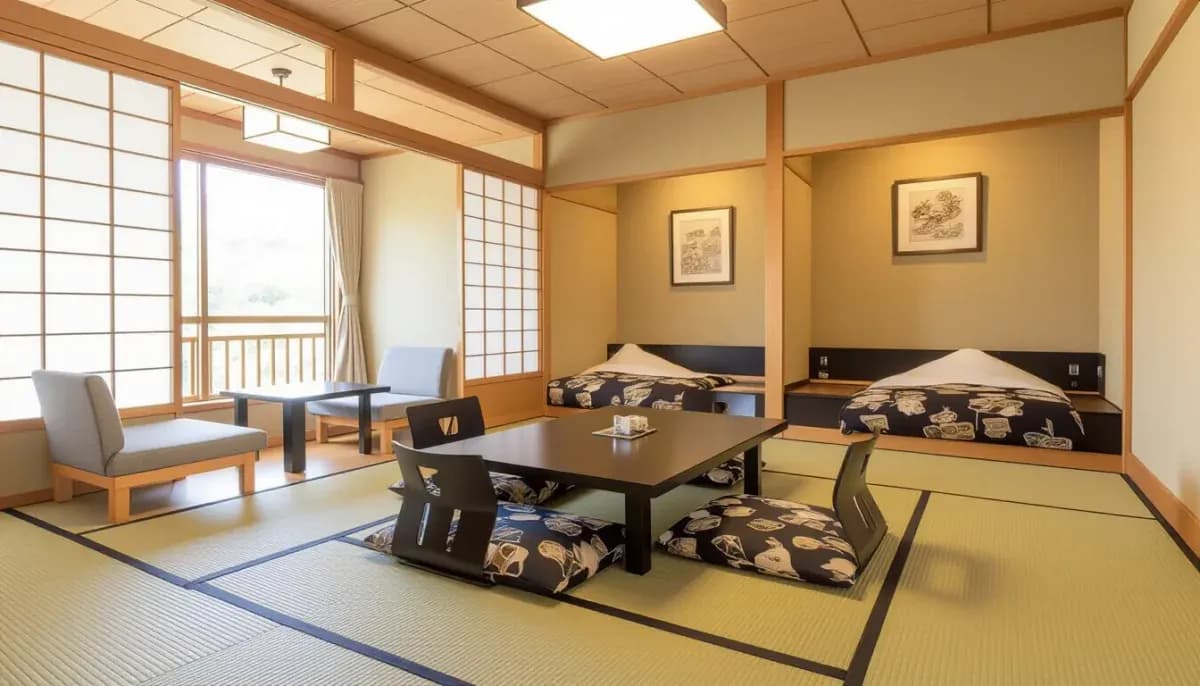
Find the best family-friendly hotels and ryokan in Japan. Learn about private onsen, age policies, pricing, booking tips, and top destinations for families traveling with children.
Family-Friendly Hotels and Ryokan in Japan: The Complete Guide for Traveling with Kids
Japan is one of the most rewarding destinations for families with children — safe streets, excellent food, incredible culture, and an infrastructure built for convenience. But choosing the right accommodation can make or break your trip, especially when you're traveling with little ones. Between Western-style hotels, traditional Japanese ryokan, and everything in between, understanding your options is essential before you book.
This guide covers everything foreign families and expats need to know about finding and booking family-friendly hotels and ryokan in Japan, including what to look for, what to avoid, and which types of accommodation suit different family situations.
Understanding Your Accommodation Options in Japan
Japan offers a diverse range of accommodation types, each with distinct features for families:
Western-Style Hotels are the most familiar option for foreign families. Major chains like Hilton, Marriott, and ANA Intercontinental offer connecting rooms, cribs on request, children's menus, and English-speaking staff. These hotels are widely available in major cities and tourist destinations.
Business Hotels (like Toyoko Inn, Dormy Inn, or APA Hotel) are budget-friendly and clean but have small rooms. Families of more than two people may find it cramped. Some offer family rooms, but availability varies.
Ryokan are traditional Japanese inns featuring tatami mat floors, futon bedding, communal or private onsen (hot spring baths), and multi-course kaiseki meals. A standard ryokan room (30–40 m², approximately 323–431 sq ft) typically accommodates two adults and up to three or four children comfortably on futons laid side-by-side on the tatami floor — making them naturally better suited to families than many hotel rooms that only sleep four.
Resort Hotels blend Western amenities with Japanese aesthetics and are often found near national parks, beaches, or mountain areas. These frequently have family-specific amenities like kids' pools, game rooms, and child-friendly meal options.
Minshuku are family-run guesthouses, the Japanese equivalent of a B&B. They offer a more intimate experience at lower prices, though services are basic and English support may be limited.
Choosing a Ryokan with Children: What to Know Before You Book
Staying at a traditional ryokan is one of the most memorable experiences Japan offers. However, not all ryokan are suited for children, and some have strict age policies.
Age Restrictions: Age minimums vary widely. Some ryokan welcome children of all ages; others require children to be at least 7 or even 12 years old. Properties like Yasaka Yutone in Kyoto and Ryokan Asunaro in Takayama have minimum age requirements, while others — such as Mikuniya in Kinosaki Onsen, which is certified by Japan's Miki House Child Care Research Institute — specifically cater to babies and toddlers. Always confirm the policy before booking.
Onsen (Hot Spring) Etiquette: Public onsen require nudity and are gender-separated. Bathing with young children of a different gender can be complicated, and many families find the nudity rule uncomfortable. The solution is to look for ryokan offering private family onsen (kashikiri-buro or kazoku-buro). These small private baths can be rented by the hour and allow your whole family to bathe together. This is highly recommended if you're traveling with children under 10.
Futon Bedding: Sleeping on futons laid out on tatami is a genuine cultural experience kids tend to love. Ryokan staff prepare the futons in the evening after dinner, and there are usually enough for all family members. This is actually an advantage over many hotel rooms where sharing a single king-sized bed can be awkward.
Meals in the Room: High-quality ryokan serve elaborate multi-course kaiseki dinners and traditional breakfasts directly in the guest room. This eliminates the challenge of managing children's behavior in a restaurant. Many ryokan will prepare simplified, child-friendly versions of meals — think plain rice, grilled chicken, or mild soup — if you request this in advance, ideally several days before your stay. Always mention dietary restrictions and allergies when booking.
For more about navigating Japan's cultural expectations as a foreign parent, see our guide on Understanding Japanese Parenting Culture as a Foreign Parent.
What to Look for in Family-Friendly Hotels
When evaluating hotels for family travel in Japan, prioritize these features:
Room Size and Configuration: Japan's hotel rooms are notoriously small by Western standards. A standard double room may be only 20–25 m². For families, look specifically for:
- Family rooms (ファミリールーム)
- Connecting rooms (コネクティングルーム)
- Suite rooms with a separate sleeping area
- Japanese-style rooms (和室, washitsu) which have more floor space due to futon-based sleeping
Crib and Extra Bed Availability: Most major hotels provide cribs (baby beds / ベビーベッド) upon request, often at no extra charge. Extra rollaway beds are also available but should be reserved in advance. Smaller hotels may have limited availability.
Dining Options: A hotel with an in-house restaurant that offers a children's menu or buffet breakfast can significantly ease meal planning. Many hotels in Japan offer elaborate breakfast buffets with both Western and Japanese options — a great way to introduce children to Japanese food in a low-pressure setting.
Location: Proximity to train stations, convenience stores, and family-friendly attractions matters enormously with children. A hotel in a central location saves time and energy that parents rarely have to spare.
English Support: While Japan's hospitality industry is excellent, English-language support varies. Major international hotels always have English-speaking staff; smaller ryokan may not. Using booking platforms that support English communication, or emailing properties in Japanese via Google Translate, can help bridge the gap.
For broader advice on navigating life in Japan with children, including housing and neighborhood selection, see our article on Housing and Family-Friendly Neighborhoods in Japan.
Pricing Guide: Family Hotel and Ryokan Costs in Japan
Understanding the pricing structure for accommodation in Japan helps with budget planning. Note that ryokan prices are typically quoted per person and usually include breakfast and dinner (MAP — Modified American Plan). Hotel prices are usually per room per night.
| Accommodation Type | Price Range (per night) | Includes | Best For |
|---|---|---|---|
| Budget Business Hotel | ¥8,000–¥12,000 per room | Room only | Solo travelers, couples |
| Mid-Range Hotel (Family Room) | ¥15,000–¥30,000 per room | Usually breakfast | Families on a budget |
| Mid-Range Ryokan | ¥15,000–¥30,000 per person | Breakfast + dinner | Families wanting cultural experience |
| Luxury Hotel | ¥30,000–¥80,000+ per room | Varies | Families wanting comfort + amenities |
| Luxury Ryokan / Private Onsen | ¥40,000–¥100,000+ per person | Breakfast + multi-course dinner | Special occasions, couples |
| Resort Hotel (Family-Focused) | ¥20,000–¥50,000 per room | Often breakfast + activities | Active families, beach/ski trips |
| Minshuku | ¥6,000–¥10,000 per person | Often breakfast + dinner | Budget travelers, cultural immersion |
Children's discounts are common at ryokan and vary by age:
- Children under 2 or 3: Often free when sharing parents' bed/futon
- Children 3–6: Typically 30–50% discount, with child meal option
- Children 7–12: Approximately 50–70% of adult rate
- Children 12+: Often adult rate applies
Always ask for exact children's pricing when booking, as policies differ significantly between properties.
Best Regions and Destinations for Family-Friendly Accommodation
Japan has family-friendly accommodation options across the country, but some destinations stand out:
Tokyo: Major international hotels near Disney Resort (Maihama area), or family hotels in Shinjuku and Shibuya. The Park Hyatt Tokyo and Conrad Tokyo offer luxury with family services. For budget options, Toyoko Inn and APA Hotel chains are reliable.
Kyoto: Ryokan culture is most authentic here. Family-friendly options include ryokan in the Fushimi, Arashiyama, and Higashiyama areas. Many have private onsen options. Book 4–6 months ahead for cherry blossom and autumn foliage seasons.
Hakone: Ideal for combining ryokan stays with Mt. Fuji views and onsen experiences. Many ryokan here offer private family baths and stunning mountain scenery. Closer to Tokyo, making it an accessible overnight trip.
Okinawa: Resort-style hotels dominate, with beach access, pools, and kid-friendly activities. The Busena Terrace and ANA Intercontinental Manza Beach Resort are popular family choices. Water-based activities make this ideal for school-age children.
Hokkaido (Furano, Niseko, Noboribetsu): Ski resorts in winter, flower fields in summer, and famous hot springs (Noboribetsu). Family-friendly resort hotels abound. Noboribetsu's ryokan often have large family onsen rooms.
Kinosaki Onsen (Hyogo Prefecture): A charming hot spring town where many ryokan specifically welcome families. Mikuniya is the standout family-certified property. The town's seven public bathhouses can be enjoyed in yukata robes — a uniquely Japanese experience children remember.
For planning your family travel across Japan, see our comprehensive guide on Family Travel in Japan: Destinations and Tips for Kids.
Booking Tips for Families Traveling with Children
Book Early: For peak seasons — cherry blossom (late March to early April), Golden Week (late April to early May), Obon (mid-August), and autumn foliage (mid-October to mid-November) — book 4–6 months in advance. Ryokan in particular have limited rooms and fill up fast.
Communicate Special Needs Clearly: When booking, specify:
- Number and ages of all children
- Dietary restrictions or allergies (especially important for ryokan meals)
- Need for crib or high chair
- Request for private family onsen (if applicable)
- Any mobility requirements
Use the Right Booking Platforms: Booking.com and Agoda have English-language interfaces and often carry family-friendly filters. For ryokan specifically, Jalan.net and Ikyu.com are the leading Japanese platforms — use Google Translate or have a Japanese-speaking friend assist. Once you've found a property, emailing them directly can confirm specific family needs.
Check Cancellation Policies: Many ryokan have strict cancellation policies, especially during peak seasons. Some charge 50–100% cancellation fees within 7–14 days of arrival. Travel insurance covering accommodation cancellation is advisable.
Read Recent Reviews Specifically Mentioning Children: Filter reviews to find those from families. Pay attention to comments about noise (thin walls in ryokan can be an issue), cleanliness of children's areas, and staff helpfulness with kids.
For more on navigating Japan's systems as a foreign family, including understanding benefits and support available to residents, visit Government Benefits and Subsidies for Families in Japan.
Practical Tips for Ryokan Stays with Young Children
Staying at a ryokan with children requires some extra preparation:
Pack Light: Ryokan rooms often have limited storage space, and tatami rooms are open-plan. Large suitcases can feel intrusive. Pack what you need for the night in a smaller bag and use luggage forwarding (takkyubin) services to send heavy bags ahead to your next hotel.
Bring Baby Supplies: While major hotels stock these, ryokan often do not have baby bathtubs, changing tables, or diaper disposal facilities. Bring a folding baby bath mat if needed, and confirm facilities in advance.
Explain Ryokan Rules to Children Beforehand: Removing shoes at the entrance (genkan), walking quietly on tatami, not running in hallways, and maintaining quiet in the onsen area are important etiquette points. Make it a fun cultural learning experience rather than a list of don'ts.
Night Feedings and Early Wake-Ups: If you have infants, bring your own supplies as late-night services are unavailable in most ryokan. Some ryokan will provide a kettle for formula preparation — confirm this when booking.
Breakfast Timing: Ryokan often serve breakfast at a fixed time (7:00–9:00 AM). Children waking at 5 AM can be challenging if dinner is late (typically 6:00–8:00 PM) and breakfast isn't until 7:30 AM. Carry some snacks to bridge the gap.
For families settling in Japan long-term and wanting to explore the country, understanding how to balance travel with daily routines is important. Our guide on Work-Life Balance for Parents in Japan offers useful perspective.
Essential Resources for Booking Family-Friendly Accommodation
Planning family-friendly accommodation in Japan is made easier with the right resources. The expat community at Living in Nihon shares practical insights on navigating life in Japan as a foreigner, including accommodation tips for families new to the country.
For those coming to Japan for work and planning family stays around their employment situation, For Work in Japan provides guidance on balancing professional relocation with family needs.
Japanese study resources at Chuukou Benkyou can also help families — learning even basic Japanese phrases for hotel check-ins and requesting child-specific services makes a significant difference in your experience.
For detailed ryokan reviews and recommendations from families who have made the experience work with kids, The Family Voyage's guide to family-friendly ryokan in Japan offers property-specific recommendations and practical communication tips. The Tokyo Chapter's family ryokan guide provides a regional breakdown covering Tokyo, Kyoto, Hakone, Atami, and Nagasaki.
Summary: Choosing the Right Accommodation for Your Family
The ideal family accommodation in Japan depends on your children's ages, your budget, and the type of experience you're seeking:
- Babies and toddlers: Choose hotels with crib availability, or ryokan specifically certified for infants (like Mikuniya in Kinosaki). Private family onsen are essential.
- Primary school children (5–12): Ryokan stays are magical at this age. Choose properties that welcome children, confirm private bath options, and request kid-friendly meal versions.
- Teenagers: More flexibility — they can participate in most onsen etiquette, enjoy the cultural experience, and adapt well to both hotel and ryokan environments.
- Budget-conscious families: Business hotel family rooms or minshuku offer clean, safe accommodation at lower cost. Mid-range ryokan with breakfast and dinner can actually represent good value compared to paying for restaurant meals separately.
- Special occasion stays: Luxury ryokan with private onsen, in-room kaiseki dining, and exceptional service create unforgettable memories for families celebrating milestones.
Japan's hospitality culture — known as omotenashi — means that even when language barriers exist, staff genuinely strive to ensure guest comfort. With the right preparation and clear communication of your family's needs, both hotels and ryokan in Japan can deliver exceptional experiences that children and parents remember for years.
For a broader picture of family life in Japan as a foreign parent, start with our Complete Guide to the Japanese Education System for Foreign Families or explore tips for Japanese Holidays, Festivals, and Seasonal Events for Families to plan your travel around Japan's rich cultural calendar.

Originally from Vietnam, living in Japan for 16+ years. Graduated from Nagoya University, with 11 years of professional experience at Japanese and international companies. Sharing practical information for foreign parents raising children in Japan.
View Profile →Related Articles
Best Seasonal Travel Destinations for Families in Japan
Discover the best seasonal travel destinations for families in Japan. From spring cherry blossoms to winter snow festivals, explore Japan's top family-friendly spots season by season.
Read more →
Traveling with Babies and Toddlers in Japan
Everything you need to know about traveling with babies and toddlers in Japan — transport, accommodation, feeding, changing facilities, best destinations, and practical tips for foreign families.
Read more →
Best Day Trips from Osaka with Kids
Discover the best day trips from Osaka with kids — Nara's deer park, Kobe's Anpanman Museum, Kyoto temples, Himeji Castle, and Iga ninja village. Train times, tips, and family advice.
Read more →
Best Day Trips from Tokyo with Kids
Discover the best day trips from Tokyo with kids — Hakone, Kamakura, Kawagoe, Nikko, and more. Complete family guide with age recommendations, train tips, and seasonal advice for foreign parents in Japan.
Read more →
Camping with Children in Japan: Best Sites and Tips
Complete guide to camping with children in Japan for foreign families. Discover the best family-friendly campsites, booking tips, gear advice, campsite rules, and what to expect as an expat camping with kids in Japan.
Read more →
Planning a Road Trip with Kids in Japan
Everything foreign families need to know about planning a road trip in Japan with kids — IDP requirements, car rentals, child seat laws, best routes, and family-friendly tips.
Read more →