
School Field Trips and Excursions in Japanese Elementary Schools

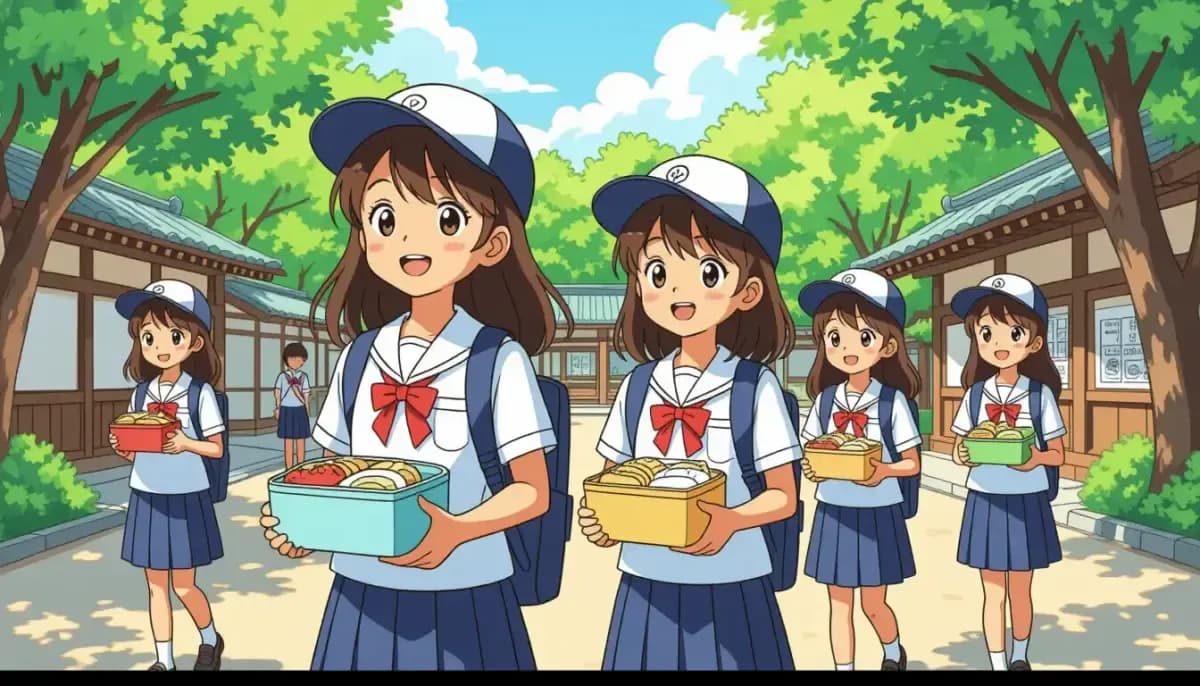
Everything foreign parents need to know about school field trips in Japanese elementary schools — ensoku day trips, shugakuryoko overnight trips, costs, packing lists, and cultural significance.
School Field Trips and Excursions in Japanese Elementary Schools: A Complete Guide for Foreign Parents
If your child attends a Japanese elementary school, school field trips (遠足 ensoku and 修学旅行 shugakuryoko) will be among the most memorable events of their school year. These outings are deeply woven into Japanese school culture, serving educational, social, and developmental purposes. As a foreign parent, understanding what to expect — from packing lists to permission slips — will help you prepare your child and avoid any surprises.
This guide explains the two main types of school excursions in Japan, what children experience, how much they cost, and what foreign families should know before the big day.
The Two Main Types of School Excursions in Japan
Japanese elementary schools organize two distinct types of school outings. Each has a different purpose, duration, and set of expectations.
Ensoku (遠足) — Day Excursion
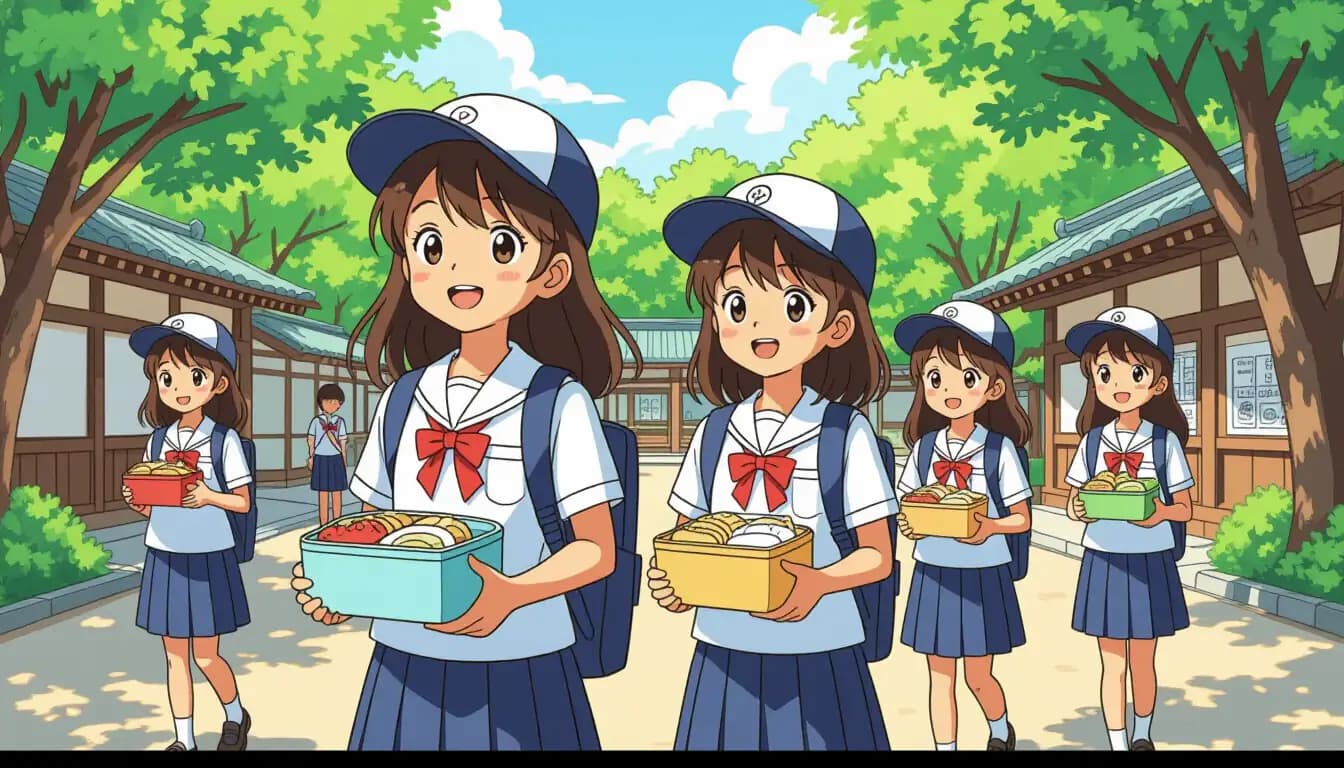
Ensoku literally means "far-foot" or "long walk," and it refers to day trips that classes take together. These are typically held twice a year: once in spring (usually May) and once in autumn (often October or November). The spring trip is especially popular because it coincides with the new school year and helps students bond with classmates they may have just met.
During ensoku, classes travel on foot, by train, or by bus to destinations such as:
- Local parks and nature areas
- Zoos and aquariums
- Museums and cultural facilities
- Factories and newspaper publishers (for workplace learning)
- Mountains and hiking trails
Lower grade students (grades 1–2) typically visit nearby parks within walking distance. Older students (grades 5–6) may go farther, visiting science museums, historical sites, or even workplaces to learn about different careers.
Shugakuryoko (修学旅行) — Overnight School Trip
Shugakuryoko is the longer, overnight school trip that takes place in the final year of each school level — typically 6th grade for elementary school, 3rd year for middle school, and so on. The name means "learning journey," and this tradition dates back to 1886 when the first organized school trip in Japan took place.
These trips last two to three days and nights. Students stay at traditional Japanese inns (旅館 ryokan), sleeping on futons and sharing communal bath facilities. The experience is intentionally immersive: students learn to cooperate, follow a schedule, and navigate shared living without their families.
The purpose of shugakuryoko goes beyond sightseeing. Japanese schools place strong emphasis on group bonding, peace education (especially for trips to Hiroshima or Nagasaki), and developing independence. Many Japanese adults remember their shugakuryoko as one of the defining experiences of their childhood.
What Children Bring on Ensoku: The Official Packing List
Every Japanese school will send home a specific list of items to bring on ensoku. As a foreign parent, receiving this list in Japanese can be daunting. Here is what you will typically need to prepare:
| Item | Notes |
|---|---|
| Bento box (お弁当) | Homemade lunch; avoid raw fish, eggs that aren't fully cooked, and fancy decorations at some schools |
| Water bottle (水筒) | Filled with water or tea; sports drinks may be allowed depending on season |
| Snack money (おやつ代) | Usually capped at 200–300 yen (~$1.50–$2) |
| Picnic blanket (レジャーシート) | Approximately 90cm × 60cm |
| Rain jacket (雨具) | A packable jacket or poncho; umbrellas are usually NOT allowed on day trips |
| Wet towel / hand wipes (ウェットティッシュ) | For cleaning up after lunch |
| Trash bag (ゴミ袋) | Students are expected to bring their rubbish home |
| Small backpack (リュックサック) | Must be able to carry all items |
| Name tag (名札) | Usually provided by school |
Important note for foreign parents: Sharing snacks between students is now often prohibited at Japanese schools due to food allergy concerns. Even if your child wants to share, remind them to keep their snacks to themselves. Similarly, character bento designs (elaborate decorations featuring cartoon characters) may be banned at some schools to prevent comparisons between students.
Shugakuryoko Destinations: Where Do Japanese Elementary School Students Go?
For elementary school students, the shugakuryoko destination is usually chosen based on geographic region. Japanese schools tend to stay within the same broad region as their prefecture, so:
- Students in Hokkaido typically stay in Hokkaido or travel to the Tohoku region
- Students in Kanto (Tokyo area) often travel to Kyoto, Nara, or Hiroshima
- Students in Kyushu and Okinawa frequently stay within their own region
| School Level | Top Destinations |
|---|---|
| Elementary | Varies by region; often nearby historical or nature areas |
| Middle School | Kyoto (24.2%), Nara (18.7%), Tokyo (8.7%), Osaka (8.7%) |
| High School | Okinawa (12.8%), Osaka (12.7%), Kyoto (10.9%), Tokyo (9.6%) |
Kyoto and Nara are perennially popular destinations for middle schoolers because of their rich historical and cultural significance. Trips to these cities often include temple visits, traditional craft workshops, and peace education components.
Overseas trips remain rare at public elementary schools. While private schools show overseas trip rates of 42.5%, public schools are at just 7.8% (2023 survey). Common international destinations include South Korea, Taiwan, Hawaii, and parts of the United States.
How Much Do School Field Trips Cost in Japan?
One of the most practical questions for foreign parents is cost. The good news is that Japanese school trips are generally not extravagant expenses.
Ensoku Costs
Day trips are usually very affordable. The main costs are:
- Transportation: Often covered by the school's class activity fee (積立金 tsumitate-kin)
- Bento: Homemade, so cost depends on what you buy
- Snack money: 200–300 yen maximum
- Supplies: Estimated total around 3,000 yen if you need to buy a new rain jacket, blanket, or backpack
Shugakuryoko Costs
According to a Benesse survey, 61.3% of parents paid under ¥30,000 for their child's elementary school shugakuryoko, and 80% of surveyed parents considered this amount "appropriate." Additional out-of-pocket expenses include:
- Spending money (お小遣い): Approximately ¥5,000
- New clothing or supplies: Approximately ¥3,000
Payments are typically spread over several months through the school's tsumitate-kin system — a monthly fee deducted from your bank account to cover school events. This makes the cost more manageable for families.
Cost assistance for low-income families: Families who qualify for the Compulsory Education Support System (就学援助制度 Shugaku Enjo Seido) can receive financial assistance covering field trip fees. Ask your school office about eligibility. For more on school costs and financial support, see our guide to financial planning for expat families raising children in Japan.
2025 trend note: Rising transportation costs, fuel surcharges, and the weak yen are putting pressure on school trip budgets across Japan. Some schools are responding by choosing closer destinations or switching from air travel to bullet train (shinkansen) to keep costs manageable.
What Foreign Parents Need to Know Before the Trip
If this is your child's first Japanese school excursion, here are the practical points that catch foreign parents off guard.
Permission Slips and Paperwork
Schools will send home a permission slip (保護者確認書 or 同意書) before any school trip. This document typically covers:
- Consent for participation
- Emergency contact information
- Disclosure of medical conditions or food allergies
- Permission to take photos of your child for school newsletters
If you cannot read Japanese, don't panic. Many schools in areas with international communities have staff who speak some English, or you can use translation apps. Your child's homeroom teacher (tantou no sensei) is usually the best person to contact with questions. For a broader overview of navigating Japanese school administration, see our elementary school guide for foreign parents.
Health Declarations
If your child has a fever or feels unwell on the day of the trip, they are expected to stay home, even if the shugakuryoko is a once-in-a-school-year event. Japanese schools are strict about illness policies, and sending a sick child could result in the entire group being sent back. Make sure your child gets enough sleep the nights before.
The Bento Question
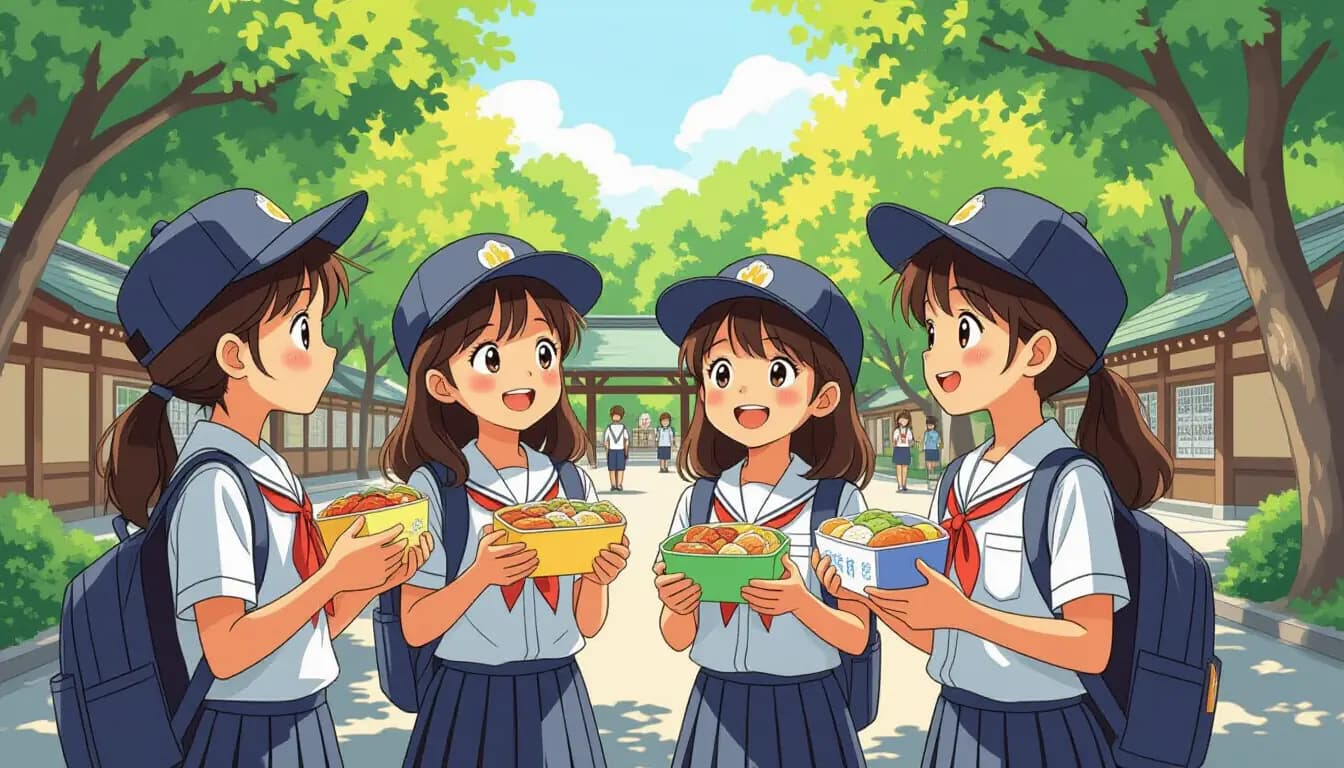
For ensoku, most schools require a homemade bento. This is deeply cultural — the bento is seen as a caring gesture from parents. Some tips for foreign parents:
- Keep it simple: A rice ball (onigiri), tamagoyaki (rolled egg), and some vegetables is completely appropriate
- Avoid foods that spoil quickly: No mayonnaise-heavy fillings if the day will be warm
- Check allergy rules: Some schools prohibit items containing nuts
If you are not confident making a bento, convenience store onigiri wrapped in new packaging can work in a pinch for informal day trips — though check your school's specific rules.
What Happens During Shugakuryoko
The overnight trip is carefully planned by teachers. A typical shugakuryoko schedule looks like:
- Morning of Day 1: Departure by bus or train; arrival at destination
- Afternoon: Group sightseeing or cultural activities (temple visits, craft workshops)
- Evening: Check-in at ryokan; communal dinner; bathing; in-room time before lights-out
- Day 2: Morning activities; free time for group shopping (purchasing souvenirs for family)
- Afternoon of final day: Return journey home
Students are divided into small groups (han) and are responsible for following a schedule, managing their own belongings, and cooperating with group members. At middle school level, 85–86% of schools now allow independent group activities where students explore on their own during certain time slots.
Cultural Significance: Why These Trips Matter So Much
Understanding why Japanese schools invest so much in field trips helps foreign parents appreciate what their children are experiencing — and why missing a shugakuryoko can be emotionally significant for a child.
In Japan, school events are not just educational — they are viewed as formative experiences that shape character. The concept of gyakkuzukuri (逆境づくり, roughly "creating challenging memories") underlies the design of school trips: students are intentionally placed in situations that require patience, compromise, and teamwork.
Staying at a ryokan without parents, sharing a room with classmates, eating communal meals, and waking up to a strict schedule all teach life skills. Japanese parents often describe their own shugakuryoko memories with great fondness decades later.
For foreign children, these trips are also a powerful opportunity to bond with Japanese classmates. If your child has struggled with language or social integration, a shared overnight trip can be a breakthrough experience. For more on supporting your child's social integration, see our article on cultural identity and mixed-race children in Japan.
Useful Resources for More Information
Planning for your child's Japanese school trip? These resources can help:
- For general Japan living tips including school life: Living in Nihon offers practical guides for foreigners living in Japan
- If you are navigating work and school schedules: For Work in Japan covers work-life balance topics for foreign residents
- For study and academic guidance in Japan: Chuukou Benkyou covers educational topics for students in Japan
- Detailed overview of ensoku and shugakuryoko traditions: GoWithGuide's school excursions guide
- Cultural background on ensoku: Piece of Japan's ensoku article
- Elementary school trip cost data: Mama Chintai's guide to school trip costs
For a broader picture of the Japanese education system and how to navigate it as a foreign family, don't miss our complete guide to the Japanese education system. You may also find our articles on junior high school in Japan for foreign families and kindergarten in Japan (yochien) useful as you plan ahead for each stage of your child's education.
School field trips in Japan are a window into the values at the heart of Japanese education: group harmony, cultural appreciation, and personal growth through shared experience. As a foreign parent, understanding the logistics — and the deeper cultural meaning — will help you prepare your child and fully appreciate these special milestones.

Originally from Vietnam, living in Japan for 16+ years. Graduated from Nagoya University, with 11 years of professional experience at Japanese and international companies. Sharing practical information for foreign parents raising children in Japan.
View Profile →Related Articles
Elementary School Graduation Ceremony in Japan
Everything foreign parents need to know about Japan's elementary school graduation ceremony (sotsugyo-shiki): ceremony format, dress code, songs, traditions, and tips for expats.
Read more →
Swimming Lessons at Japanese Elementary Schools
Complete guide to swimming lessons at Japanese elementary schools: schedule, required gear, exemptions, grading, and tips for foreign parents navigating suiei season.
Read more →
Music and Arts Education in Japanese Elementary Schools
A complete guide for foreign families on music and arts education in Japanese elementary schools. Learn what subjects are taught, what instruments children use, school festivals, and practical tips for expat parents.
Read more →
Moral Education (Doutoku) at Japanese Elementary Schools
A complete guide to Doutoku (道徳), Japan's moral education class, for foreign parents. Learn what's taught, how classes work, and how to support your child.
Read more →
Parent-Teacher Meetings at Japanese Elementary Schools
A complete guide for foreign parents on navigating parent-teacher meetings at Japanese elementary schools: types, what to expect, language tips, and how to prepare.
Read more →
Cleaning Time (Souji): Why Japanese Students Clean Their Schools
Learn why Japanese students clean their own schools every day. Discover how souji works, its cultural roots in Buddhism and Shinto, educational benefits, and what foreign parents need to know.
Read more →