
Celebrating Holidays from Multiple Cultures with Your Children

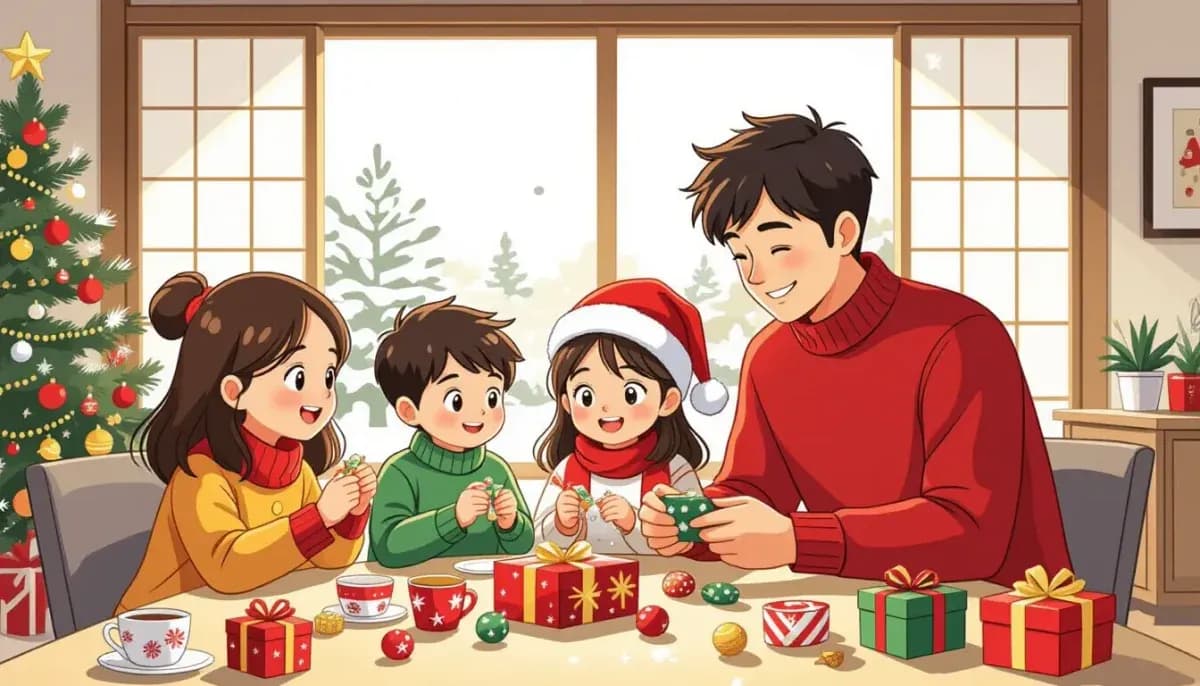
A complete guide for expat parents on celebrating holidays from multiple cultures with children in Japan — Japanese traditions, heritage holidays, and practical strategies for multicultural families.
Celebrating Holidays from Multiple Cultures with Your Children in Japan
Raising children in Japan as a foreign parent means living at a beautiful — and sometimes challenging — intersection of cultures. One of the most joyful aspects of this life is the chance to give your children a rich calendar filled with traditions from multiple worlds: Japanese festivals bursting with lanterns and taiko drums, alongside Christmas mornings, Eid celebrations, Diwali nights, Hanukkah candles, or Lunar New Year feasts from your home country.
Japan registers over 20,000 international marriages annually, meaning a large and growing number of families are navigating exactly this reality. With thoughtful planning and a spirit of openness, you can raise children who feel deeply rooted in both (or all) of their cultures — not torn between them. This guide explores practical strategies, a calendar of key dates, and expert-backed approaches for celebrating holidays from multiple cultures with your children in Japan.
!Multicultural family celebrating holidays together in Japan
Why Multicultural Holiday Celebrations Matter for Children
Holidays are not just fun — they are powerful identity anchors. For bicultural and multicultural children in Japan, participating in traditions from each of their heritages sends a clear message: every part of who you are is worth celebrating.
Research consistently shows that children who maintain connections to their heritage culture alongside the dominant host culture develop stronger self-esteem, greater empathy, and better cross-cultural communication skills. The expert consensus among bicultural parenting specialists is that intentionality beats perfection: you don't need a perfectly authentic celebration — you need a consistent, loving commitment to keeping traditions alive.
Children raised between cultures benefit most when families adopt an "in-between" framing. Being bicultural or multicultural is not a problem of divided loyalty — it is a superpower. Open family dialogue about why you celebrate certain holidays, what they mean, and how they connect to your family history transforms every celebration into a living cultural education.
For more on helping your child build a strong sense of cultural identity, see our guide on Cultural Identity for Hafu and Mixed-Race Children in Japan.
Japan's Holiday Calendar: Your Foundation
Japan has 16 national public holidays per year — one of the highest counts among developed nations. What makes them particularly welcoming for multicultural families is that most are tied to nature, seasons, and universal human values rather than religion, making them accessible to families of all backgrounds.
| Holiday | Date | Theme | Family Activity |
|---|---|---|---|
| New Year (Shōgatsu) | Jan 1–3 | Renewal, family | Hatsumode shrine visit, osechi food |
| Coming of Age Day | 2nd Mon Jan | Adulthood | Discuss your own cultural coming-of-age traditions |
| Setsubun (bean-throwing) | Feb 3 | Driving out evil | Oni mask crafts, mame-maki at home |
| Hinamatsuri (Girls' Day) | Mar 3 | Girls' wellbeing | Display dolls, make chirashizushi |
| Children's Day (Kodomo no Hi) | May 5 | All children | Make koinobori, eat kashiwamochi |
| Tanabata | Jul 7 | Wishes, stars | Write wishes on tanzaku paper strips |
| Obon | Mid-August | Ancestor remembrance | Light lanterns, discuss family history |
| Shichi-Go-San | Nov 15 | 3, 5, 7 milestones | Dress up, visit shrine, chitose ame |
| Winter Solstice (Tōji) | Dec 22 | Longest night | Yuzu bath, kabocha squash |
| Christmas (commercial) | Dec 25 | (secular in Japan) | Integrates easily with Christian traditions |
Children's Day (May 5) has been a fully inclusive celebration since 1948 — originally focused on boys but now honoring all children. The koinobori carp streamer tradition, iris baths for strength and health, and kashiwamochi rice cakes are activities any family can join. This is a wonderful entry point for families new to Japanese traditions.
Strategies for Balancing Multiple Cultural Traditions
The most effective multicultural families don't eliminate the tension between cultures — they create systems that honor each culture in its own space. Here are the core strategies experts and expat parents recommend:
The Home vs. School Division
A widely recommended approach is to maintain a clear distinction: heritage traditions are celebrated intentionally at home, while school activities focus on Japanese customs. This prevents cultural confusion and allows children to be fully present in each context without feeling they must constantly translate between worlds.
For example, if your child's school celebrates Undokai (Sports Day) with full Japanese customs, you participate enthusiastically. At home, you celebrate Eid or Diwali with proper ritual, food, and family connection. Both are real. Both matter. Neither cancels the other.
Read more about navigating the Japanese school system as a foreign family
Intentional Scheduling: Build a Dual-Culture Calendar
Create a family holiday calendar at the start of each year that includes:
- All Japanese national holidays relevant to your family
- Your heritage culture's major holidays (religious and secular)
- School events and local festivals
- Family birthdays and personal milestones
Seeing all celebrations mapped out together communicates to your child that this family holds multiple traditions as equals. It also helps you plan ahead for importing special ingredients, decorating, or connecting with your home-country community in Japan.
Use Food as a Cultural Bridge
Food is the most accessible and sensory-rich way to transmit cultural heritage to children. For every heritage holiday, cook at least one traditional dish together with your child. Let them participate — measuring, stirring, folding dumplings, rolling sushi. The smell and taste of traditional food creates embodied cultural memory that lasts a lifetime.
Many expat families in Japan successfully source international ingredients through services like Kaldi Coffee Farm, Jupiter Coffee, Foreign Buyer's Club, and AEON's international food sections. For hard-to-find items, online import shops and Amazon Japan have dramatically expanded accessibility.
For bilingual families, name and describe the food in your heritage language during cooking — this combines language maintenance with cultural education effortlessly. See our guide on Heritage Language Maintenance for Children in Japan for more strategies.
Celebrating Specific Heritage Holidays in Japan
Christmas and Easter (Christian / Western secular)
Christmas is widely celebrated in Japan in a secular commercial form — illuminations, KFC dinner, and a sponge cake are the Japanese customs. For Christian families or those celebrating culturally, Japan's version actually makes it easier to layer in your own traditions: attend a church service in your language, open gifts on Christmas Eve (which aligns with Japan's timing), and add your own family customs on top.
Easter is less recognized in Japan but increasingly visible. Many international churches hold Easter services, and expat communities often organize egg hunts. Japanese craft stores (Daiso, Seria) now carry Easter-themed items seasonally.
Lunar New Year
Lunar New Year is celebrated in Japan's Chinese and Korean communities, with major events in Yokohama Chinatown (one of the largest in the world), Kobe Nankinmachi, and Nagasaki. If your family observes Lunar New Year, these community celebrations offer a ready-made gathering. At home, make traditional foods — dumplings (jiaozi), tteok-guk, bánh chưng — and teach your children the significance of red envelopes (hongbao/sebae-don).
Diwali
The expat Hindu community in Japan holds Diwali celebrations in major cities, particularly Tokyo and Osaka. The Indian Association of Japan and various Hindu temples organize events. At home, make rangoli patterns with your children using colored rice or powder, light diyas together, and cook sweets like ladoo or gulab jamun. Explain the story of light conquering darkness in age-appropriate language.
Eid al-Fitr and Eid al-Adha
Japan's Muslim community has grown significantly, and mosques and Islamic centers in Tokyo (Tokyo Camii), Osaka, Nagoya, and Kobe organize Eid prayers and celebrations. The Tokyo Camii is a beautiful, welcoming space that holds multi-cultural Eid events. At home, Eid can be celebrated with special food (your family's traditional recipes), new clothes, exchanging gifts, and video calls with extended family — all accessible in Japan.
Hanukkah
Japan has a small but active Jewish community centered in Tokyo, with the Jewish Community of Japan organizing events including Hanukkah menorah lightings. The eight-night structure of Hanukkah makes it especially engaging for children — lighting candles each night, playing dreidel, and eating latkes or sufganiyot. Multicultural families have documented creative adaptations in Japan, such as blending Hanukkah with Japanese winter solstice traditions.
For inspiration, Multicultural Kid Blogs documents one family's Hanukkah in Japan experience.
Involving Your Children: Age-by-Age Guide
Children engage differently with cultural traditions depending on their developmental stage. Here's how to make celebrations meaningful at each age:
| Age | How They Engage | Practical Approaches |
|---|---|---|
| 0–2 | Sensory experience | Colors, music, smells, rhythm — babies absorb atmosphere |
| 3–5 | Imitation and story | Simple crafts, age-appropriate stories about the holiday |
| 6–8 | Questions and meaning | Explain "why we celebrate" — invite curiosity |
| 9–11 | Context and history | Teach the history, connect to family stories |
| 12–14 | Identity and belonging | Discuss what these traditions mean to their identity |
| 15+ | Ownership | Invite them to lead and adapt traditions for their generation |
A key principle: never force participation, but always make celebration available. As children grow, they will drift toward and away from various traditions. Maintaining the celebration as a standing invitation — always there, never mandatory — allows them to return to traditions with genuine ownership rather than resentment.
Building a Multicultural Support Network in Japan
One of the most consistently cited challenges for expat families is isolation — celebrating heritage holidays without extended family, without community, without the ambient cultural atmosphere of your home country. The solution is intentional community-building.
Practical ways to find your tribe in Japan:
- Facebook Groups: Search for "[Your nationality] parents Japan," "Expat families Tokyo/Osaka," or "International families Japan"
- Meetup.com: Many cities have multicultural family meetup groups
- International churches, mosques, temples, and synagogues: These are often the organizing hubs for heritage holiday events
- International schools: Even if your child attends Japanese school, attending international school community events can build community
- Your country's embassy: Many embassies organize national holiday events open to the diaspora community
Living in Nihon's guide to raising children and education in Japan notes that many Japanese municipalities now offer multilingual childcare consultation services — a resource worth knowing about even for cultural questions.
Connecting with families in similar multicultural situations provides emotional support, practical tips, and gives your children peer relationships with other bicultural kids — which is enormously validating for their sense of identity.
Handling Cultural Conflicts and School Pressures
Japanese schools often operate on an assumption of cultural homogeneity that can create friction for multicultural families. Your child may face situations where:
- A school event conflicts with a major heritage holiday
- Teachers are unfamiliar with your child's cultural practices or dietary requirements
- Your child feels different from peers in uncomfortable ways
Practical strategies:
- Communicate proactively with teachers. Before holidays approach, inform your child's teacher about upcoming cultural observances. Most Japanese teachers are respectful of cultural differences when they have context.
- Frame it as cultural education for the class. Offer to bring traditional food or explain your holiday in a brief show-and-tell format. Japanese children are genuinely curious, and this can transform your child from "different" to "interesting."
- Validate your child's feelings. If they express discomfort about being different, acknowledge it without dismissing it. Feeling different sometimes is real — and it's also compatible with being proud of your heritage.
- Connect with school support resources. If cultural friction is significant, Japanese schools have access to municipal international education coordinators. For more on navigating the Japanese school system, see our Elementary School Japan Guide for Foreign Parents.
For expat families dealing with the balance between school events and personal cultural observances, Chuukou Benkyou's approach to balancing school events with family time offers an interesting perspective on how even exam-focused Japanese families prioritize cultural celebrations.
Keeping Heritage Languages Alive Through Holiday Celebrations
Holidays are one of the richest opportunities for natural heritage language use. When you celebrate a heritage holiday, the language of that holiday comes alive in context — prayers, songs, recipes, family stories, video calls with grandparents. This is immersive language learning at its most authentic.
Language-rich holiday activities:
- Sing holiday songs in your heritage language (children memorize songs effortlessly)
- Read picture books about the holiday in the heritage language
- Cook together while narrating in the heritage language
- Video call family abroad during the celebration — grandparents become the living bridge between worlds
- Label holiday decorations with words in both languages
For deeper strategies on maintaining your heritage language while raising children in Japan, see our comprehensive guide on Raising Bilingual Children in Japan.
A Sample Multicultural Family Holiday Calendar
Here is an example of how an American-Japanese family might structure their year (adapt to your own cultural combination):
| Month | Japanese Tradition | Heritage Tradition |
|---|---|---|
| January | Oshōgatsu, Hatsumode | New Year's Day brunch, family resolutions |
| February | Setsubun | Valentine's Day, President's Day (history lesson) |
| March | Hinamatsuri (Girls' Day) | St. Patrick's Day, Spring Equinox |
| April | Cherry Blossom Viewing (Hanami) | Easter |
| May | Children's Day, Golden Week | Mother's Day, Memorial Day |
| June | Rainy season crafts | Father's Day |
| July | Tanabata, local summer festivals | Independence Day (4th of July) |
| August | Obon | Summer road trip / heritage community event |
| September | Autumnal Equinox | Grandparents' Day, Rosh Hashanah / Eid (varies) |
| October | Local harvest festivals | Halloween |
| November | Shichi-Go-San | Thanksgiving, Diwali (varies) |
| December | Winter Solstice (Tōji) | Christmas / Hanukkah / Kwanzaa |
The key insight: no month is empty, and no tradition crowds out another. When children see the calendar full of celebrations from both worlds, they internalize that both worlds are home.
Practical Resources for Multicultural Families in Japan
- Savvy Tokyo: Excellent English-language coverage of raising multicultural children in Japan
- E-Housing Japan: Children's Day guide for expats
- Tokyo Camii (Grand Mosque): Islamic celebrations and community events
- Yokohama Chinatown: Lunar New Year and Chinese cultural events
- Jewish Community of Japan: Hanukkah, Passover, and community events
- Living in Nihon: Complete guide for raising children in Japan
For practical matters like healthcare, schooling, and legal questions for your multicultural family in Japan, explore our related guides:
- Healthcare and Medical Care for Children in Japan
- Mental Health and Emotional Wellbeing for Foreign Children in Japan
- Government Benefits and Subsidies for Families in Japan
Conclusion: Your Family's Unique Cultural Tapestry
There is no single right way to celebrate holidays across cultures. What matters is that you show up, year after year, making space for every part of your children's heritage. Whether your celebration is elaborate or simple, perfectly authentic or lovingly adapted to life in Japan, the act of celebrating together communicates something profound to your child: you belong to something larger than this moment, and that belonging spans oceans.
Japan is a country that honors tradition deeply — and that same spirit of reverence is one you can bring to your heritage celebrations too. In raising your children between cultures, you are not raising children who are "half" of anything. You are raising children who are twice as rich.
Keep celebrating. Keep talking. Keep cooking together. Your family's holiday calendar is one of the most powerful gifts you will ever give your children.

Originally from Vietnam, living in Japan for 16+ years. Graduated from Nagoya University, with 11 years of professional experience at Japanese and international companies. Sharing practical information for foreign parents raising children in Japan.
View Profile →Related Articles
Building a Strong Multicultural Family Identity
Learn how to build a strong multicultural family identity in Japan. Practical strategies for bilingualism, cultural rituals, school navigation, and raising confident bicultural children as an expat family.
Read more →
Navigating Different Education Expectations Between Cultures
Discover how education expectations differ between Japan and Western countries. A practical guide for expat families on Japanese school culture, academic pressure, language barriers, and how to help your child thrive in both worlds.
Read more →
Best Cross-Cultural Parenting Books and Resources
Discover the best books and resources for cross-cultural parenting in Japan. From bilingual strategies to Japanese parenting philosophy, this guide helps multicultural families thrive.
Read more →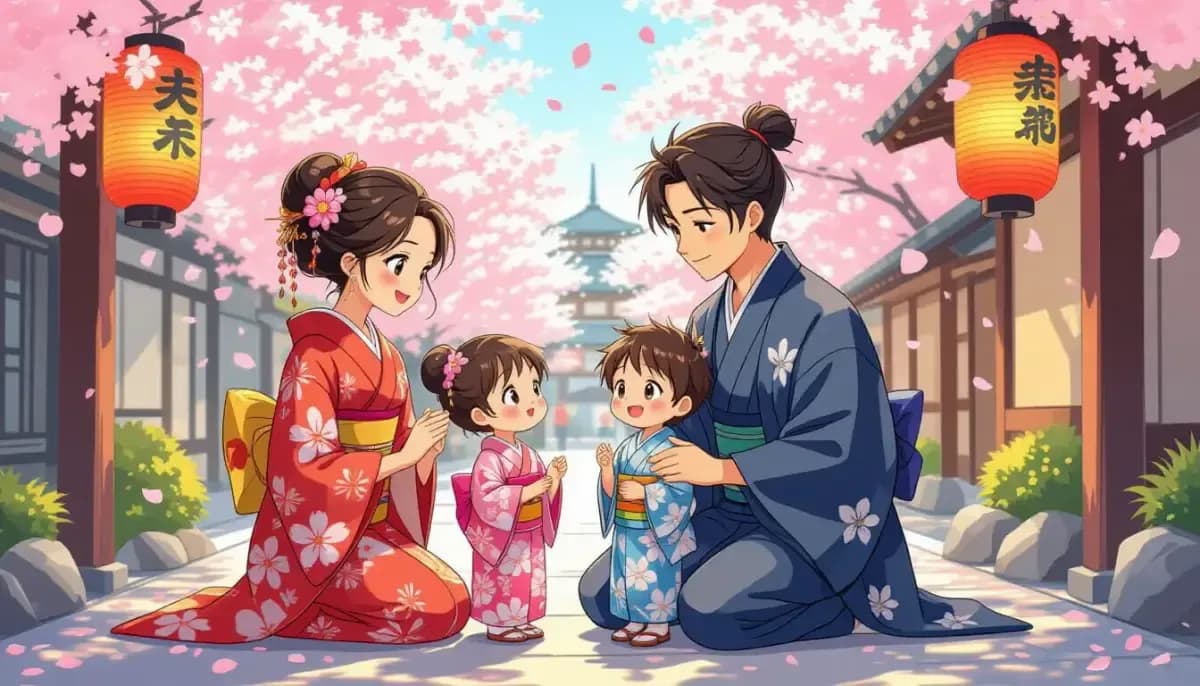
Keeping Cultural Traditions Alive When Living Abroad
Practical guide for expat families in Japan on keeping cultural traditions alive abroad — covering language, food, celebrations, community, and digital tools for raising bicultural children.
Read more →
Choosing Names for Children in Multicultural Families
Complete guide to choosing names for children in multicultural families in Japan — legal requirements, bilingual naming strategies, pronunciation pitfalls, kanji selection, and real bicultural name examples.
Read more →
Conflict Resolution in Multicultural Families
Practical strategies for resolving conflict in multicultural families living in Japan. Understand tatemae vs hon-ne, cultural communication styles, and evidence-based techniques for building lasting family harmony.
Read more →