
Conflict Resolution in Multicultural Families

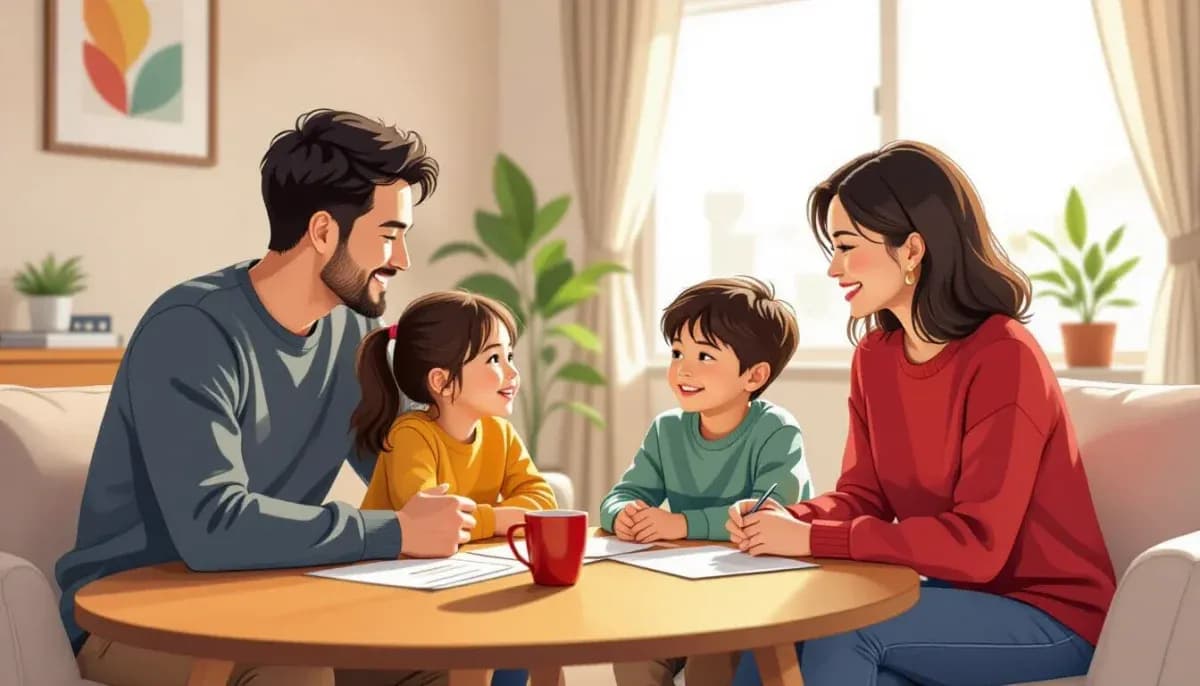
Practical strategies for resolving conflict in multicultural families living in Japan. Understand tatemae vs hon-ne, cultural communication styles, and evidence-based techniques for building lasting family harmony.
Conflict Resolution in Multicultural Families: A Practical Guide for Expats in Japan
Living in Japan as part of a multicultural family is one of the most rewarding — and challenging — experiences an expat can have. When two people from different cultural backgrounds build a life together, they bring with them deeply ingrained values, communication styles, and expectations about family roles. In Japan, these differences are amplified by the country's distinct social norms around harmony, hierarchy, and emotional expression. Understanding how to navigate conflict in a multicultural household is not just useful — it's essential for building a lasting, loving family life in Japan.
As of December 2024, Japan's foreign resident population reached 3,768,977 people — approximately 3.04% of the total population — and this number continues to rise. More multicultural families are calling Japan home than ever before. Yet the resources to help them navigate cultural clashes remain limited. This guide offers practical, evidence-based strategies for conflict resolution that respect both Japanese cultural norms and the diverse backgrounds each family member brings.
Understanding the Cultural Roots of Conflict in Japan
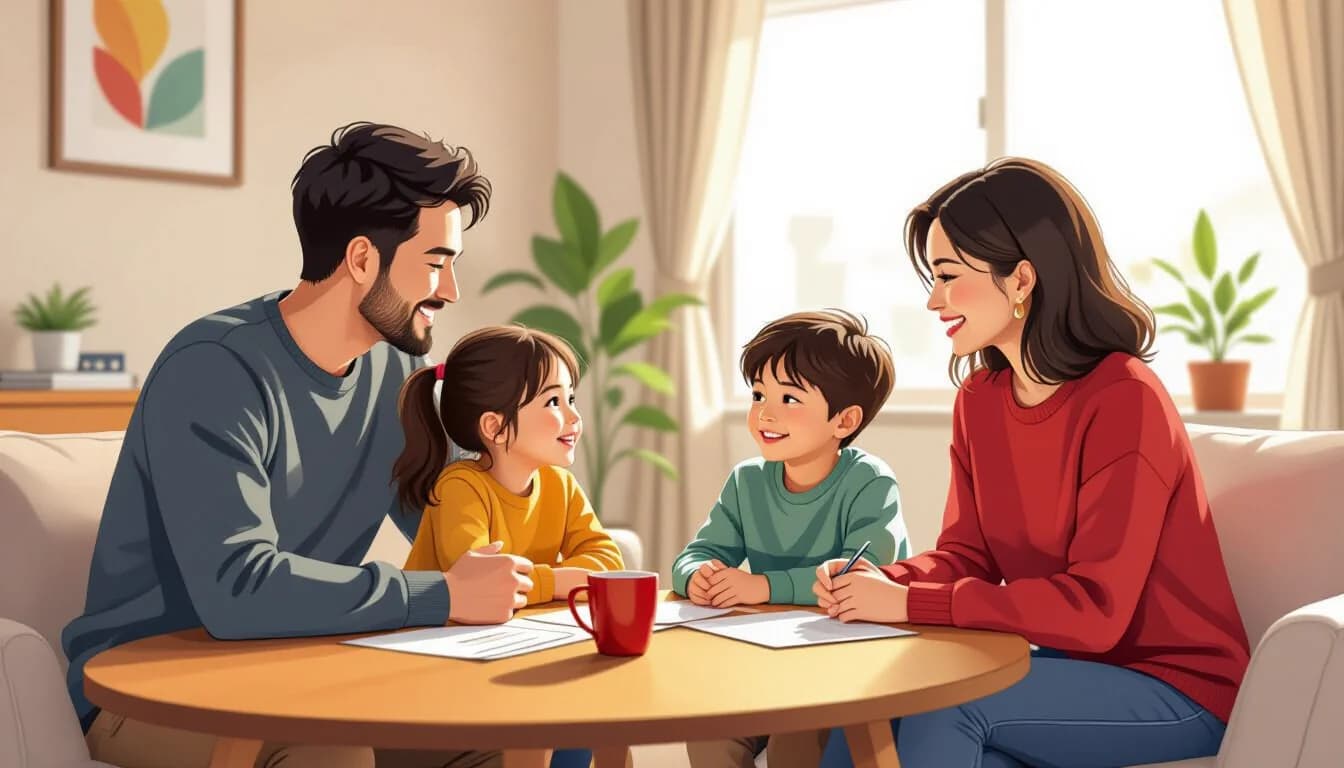
Before diving into strategies, it's essential to understand why conflicts in multicultural families in Japan tend to unfold the way they do. Japan is a high-context, harmony-focused culture — a fundamentally different communication environment from most Western countries.
Tatemae vs. Hon-ne: The Hidden Layer of Every Conversation
One of the most important concepts for understanding conflict in Japan is the distinction between tatemae (建前) and hon-ne (本音):
- Tatemae is the public face — what you say and present to maintain social harmony.
- Hon-ne is your true feelings and desires, typically kept private.
For Japanese partners or family members, maintaining tatemae during conflict is not dishonesty — it's a mark of emotional maturity and respect for the relationship. For partners from more direct cultures (such as German, American, or Australian), this can feel frustrating and evasive. This mismatch is one of the most common sources of miscommunication in multicultural families in Japan.
As analyzed by culture-at-work.com, "Harmony in Japan is actively constructed, not passive — built through persistent training in cooperation in schools, neighborhood associations, and formal meetings." Japanese individuals typically suppress personal preferences to avoid burdening others, with self-control taking priority over emotional expression.
Connectedness vs. Separateness
Research consistently identifies a fundamental value system difference between Japanese and many Western cultures: the Japanese preference for connectedness (being embedded in relationships, group identity) versus the Western emphasis on separateness (individual autonomy, clear personal boundaries). This affects everything from how couples make decisions to how children are disciplined — and when not acknowledged, it becomes fertile ground for conflict.
For more on how Japanese culture shapes parenting expectations, see our guide on Japanese Parenting Philosophy and Core Values.
Common Conflict Triggers in Multicultural Families
Understanding where conflicts typically arise helps families address root causes rather than surface symptoms. Research on multicultural families in Japan points to several recurring flashpoints:
| Conflict Area | Typical Japanese Cultural Norm | Common Expat/Western Expectation |
|---|---|---|
| Parenting discipline | Gentle guidance, group harmony | Clear rules, individual accountability |
| Communication style | Indirect, context-dependent | Direct, explicit verbal expression |
| Extended family roles | High involvement of in-laws | Nuclear family independence |
| Emotional expression | Reserved, private | Open verbal/physical expression |
| Decision-making | Consensus, consultation | Individual or couple-driven |
| Children's independence | Group integration first | Autonomy and self-expression |
| Language at home | Japanese as default | Heritage language preservation |
Parenting Style Conflicts
Perhaps the most emotionally charged conflict area is parenting. When one parent has been raised in Japan and another abroad, their default instincts about discipline, independence, and academic pressure can diverge sharply. The Japanese educational and social system places enormous emphasis on group integration — children learn from an early age to subordinate individual desires for the group's benefit. For a parent from a more individualistic culture, this can feel stifling. For the Japanese partner, the foreign parent's emphasis on individual expression can seem like raising an antisocial child.
If this is an ongoing challenge in your household, our dedicated guide on Managing Different Parenting Styles Between Two Cultures provides targeted strategies.
Language and Communication Barriers
Even when both partners are fluent in a shared language, emotional conversations — especially arguments — often revert to one's mother tongue, leading to genuine misunderstandings. Tone, nuance, and the meaning of silence all differ across languages. A pause that signals thoughtful consideration in Japanese communication may feel like silent treatment to a Western partner.
Practical Conflict Resolution Strategies for Multicultural Families
Researchers and family therapists have identified several evidence-based strategies that work particularly well for multicultural families navigating cultural differences in Japan.
1. Active Listening with Cultural Calibration
Active listening — listening without interruption and paraphrasing to confirm understanding — is universally effective, but multicultural families must go further. Cultural calibration means adjusting how you listen based on your partner's communication style:
- If your partner comes from a high-context culture (Japan, Korea, China), pay attention to what is *not* said. Silence, a slight hesitation, or a change in topic may signal discomfort or disagreement.
- If your partner is from a low-context culture, look for explicit verbal cues and don't over-interpret silences as hidden meanings.
- Ask clarifying questions without accusation: "I want to make sure I understood what you meant — can you tell me more about how you're feeling?"
According to Mastering Conflict's 2025 guide, nearly 70% of families report that unresolved conflicts cause ongoing tension — and the primary cause is communication breakdown, not the original disagreement.
2. Collaborative Problem-Solving
Avoid framing conflicts as win-lose scenarios. Multicultural families benefit enormously from a collaborative problem-solving model that treats cultural differences as resources rather than obstacles:
- Define the problem without blame. Use "I" statements: "I feel disconnected when important decisions are made without consulting me," rather than "You never include me."
- Acknowledge cultural context. "I know in your culture, extended family input is important. In my background, couples usually decide together first. Can we find a middle way?"
- Brainstorm options together. Generate multiple solutions before evaluating any.
- Choose the solution that honors both cultural values where possible.
3. Emotional Regulation: Creating Space Before Conflict Escalates
Japanese cultural norms actively discourage public or explosive emotional displays. For multicultural families, this can mean one partner escalates while the other shuts down — a highly unproductive dynamic. Emotional regulation techniques help both partners stay present:
- Deliberate pauses: Agree in advance on a "pause signal" — a word or gesture meaning "I need 10 minutes to calm down before we continue."
- "I" statements: Replace "You always..." with "When X happens, I feel Y."
- Repair attempts: Small gestures (a cup of tea, a gentle touch) can de-escalate tension before it peaks.
Navigating Japanese Social Norms During Family Conflict
Multicultural families in Japan face an additional layer of complexity: Japanese social norms around conflict don't just affect the couple — they affect how conflicts are perceived by neighbors, in-laws, school communities, and employers.
Keeping Private Conflicts Private
In Japan, family conflict is generally considered a private matter. Unlike cultures where friends or extended family naturally step in as informal mediators, in Japan, airing domestic disagreements publicly — especially to neighbors or coworkers — can damage a family's social standing. This norm can be isolating for expat partners who are used to wider support networks.
The solution isn't to suppress conflict, but to be intentional about where you seek support. Expat parenting communities and international support networks are ideal spaces for open discussion. Check out our guide on Expat Parenting Groups and Communities in Japan for local and online resources.
Engaging In-Laws Respectfully
In many Japanese families, the husband's parents (particularly the mother) maintain significant involvement in child-rearing decisions. For foreign partners, this can feel like an intrusion on the nuclear family unit. Rather than treating in-law involvement as a conflict, try reframing it:
- Acknowledge the cultural logic: In Japan, multigenerational family involvement is a sign of care and commitment, not overreach.
- Set boundaries collaboratively with your partner first, before any conversation with in-laws.
- Use the Japanese principle of nemawashi (根回し) — quietly building consensus through informal conversations before making formal decisions — to bring in-laws along gradually.
For resources on managing multicultural family life in Japan, Living in Nihon offers practical guides for expats building their lives in Japan.
Raising Children in a Multicultural Household: Conflict as a Teaching Opportunity
Children in multicultural families often become unwitting witnesses — or even participants — in parental conflicts about culture. Research is clear that how parents handle conflict matters as much as the conflict itself. Children who see their parents resolve disagreements respectfully develop stronger emotional resilience and cross-cultural intelligence.
Identity and Belonging
Children raised in multicultural families in Japan face unique identity challenges. The term haafu (ハーフ) — traditionally used for people of mixed heritage in Japan — has evolved into a self-claimed identity for many multiracial individuals. However, children may still face questions about "where they really belong."
Conflict within the family about language, customs, or cultural identity can deepen a child's sense of confusion. When parents model respectful conflict resolution across cultural lines, they give children a powerful tool for navigating their own complex identity. For more on this topic, see Understanding Hafu Identity in Modern Japan.
Supporting Children's Emotional Wellbeing
When family conflict is frequent or unresolved, children often show signs of stress — withdrawing from friends, declining academic performance, physical complaints. If your child is showing signs of stress and anxiety, that's often a signal that the family system needs attention, not just the child.
Maintaining a child's connection to both cultural heritages also reduces identity stress. Our article on Why Maintaining Your Child's Heritage Language Matters explains the research-backed benefits of bilingual parenting.
When to Seek Professional Help
Not all conflicts can be resolved without external support. In Japan, there are several resources available to multicultural families:
| Resource | What They Offer | Access |
|---|---|---|
| International Social Service Japan (ISSJ) | Psycho-social support, counseling for cross-border families | Tokyo, Osaka, online |
| Municipal Multilingual Consultation Services | Legal/social welfare guidance | City offices nationwide |
| English-speaking family therapists | Couples and family counseling | Major cities, online |
| Expat community support groups | Peer support, informal mediation | Online and in-person |
| Family mediation centers (家庭裁判所) | Legal mediation for serious disputes | Family courts |
International Social Service Japan (ISSJ) is particularly valuable for multicultural families dealing with complex issues such as cross-border custody disputes, international marriage breakdown, or cultural adjustment crises. They provide services in multiple languages and understand the unique legal and cultural context of families with international ties.
For family law issues that arise from serious conflicts — such as separation or custody — our guide on Child Custody Laws in Japan: What Foreign Parents Need to Know is essential reading.
For additional perspectives on conflict communication across cultures, Commisceo Global's guide offers excellent cross-cultural frameworks, and For Work in Japan's complete family life guide covers the broader landscape of multicultural family support in Japan.
Building Long-Term Family Harmony: Proactive Strategies
The best conflict resolution happens before conflicts escalate. Multicultural families in Japan who thrive long-term tend to share several proactive habits:
Regular Cultural Check-Ins
Schedule a monthly "culture conversation" — a low-stakes, forward-looking discussion about cultural expectations, upcoming events, and any friction points before they become flashpoints. This might cover:
- Upcoming school events and cultural expectations
- Extended family visits or obligations
- Language goals for children
- Any recent moments where cultural differences caused tension
Celebrate Both Cultures Actively
Families that actively honor both cultural heritages — celebrating Japanese festivals (Shichi-Go-San, Obon) alongside the non-Japanese partner's holidays — report stronger family cohesion and less cultural resentment. Children benefit enormously from seeing both cultures treated as equally valuable.
Build Your Support Network Early
Isolation is the enemy of multicultural family wellbeing. Build a support network of other multicultural families in Japan — they understand your challenges in a way that monocultural families cannot. Many cities have international family groups, English-speaking playgroups, and online communities. For comprehensive resources, explore Chuukou Benkyou for educational and community support options in Japan.
Conclusion
Conflict in multicultural families isn't a sign of failure — it's a natural consequence of two people from different worlds trying to build one. In Japan, navigating that process requires an understanding of Japanese cultural norms around harmony and indirectness, a toolkit of evidence-based communication strategies, and the courage to seek help when needed.
The families that thrive are not those who avoid conflict, but those who learn to work through it together — with patience, cultural curiosity, and genuine respect for each other's backgrounds. Japan's multicultural family community is growing; you don't have to navigate this journey alone.
For more on raising children in Japan's unique educational and cultural environment, explore our Complete Guide to the Japanese Education System for Foreign Families.

Originally from Vietnam, living in Japan for 16+ years. Graduated from Nagoya University, with 11 years of professional experience at Japanese and international companies. Sharing practical information for foreign parents raising children in Japan.
View Profile →Related Articles
Building a Strong Multicultural Family Identity
Learn how to build a strong multicultural family identity in Japan. Practical strategies for bilingualism, cultural rituals, school navigation, and raising confident bicultural children as an expat family.
Read more →
Navigating Different Education Expectations Between Cultures
Discover how education expectations differ between Japan and Western countries. A practical guide for expat families on Japanese school culture, academic pressure, language barriers, and how to help your child thrive in both worlds.
Read more →
Best Cross-Cultural Parenting Books and Resources
Discover the best books and resources for cross-cultural parenting in Japan. From bilingual strategies to Japanese parenting philosophy, this guide helps multicultural families thrive.
Read more →
Keeping Cultural Traditions Alive When Living Abroad
Practical guide for expat families in Japan on keeping cultural traditions alive abroad — covering language, food, celebrations, community, and digital tools for raising bicultural children.
Read more →
Choosing Names for Children in Multicultural Families
Complete guide to choosing names for children in multicultural families in Japan — legal requirements, bilingual naming strategies, pronunciation pitfalls, kanji selection, and real bicultural name examples.
Read more →
Gender Roles and Expectations in Multicultural Families
Navigating gender roles in a multicultural family in Japan? Understand traditional expectations, expat realities, and practical strategies for building an egalitarian home in Japan.
Read more →