
Keeping Cultural Traditions Alive When Living Abroad

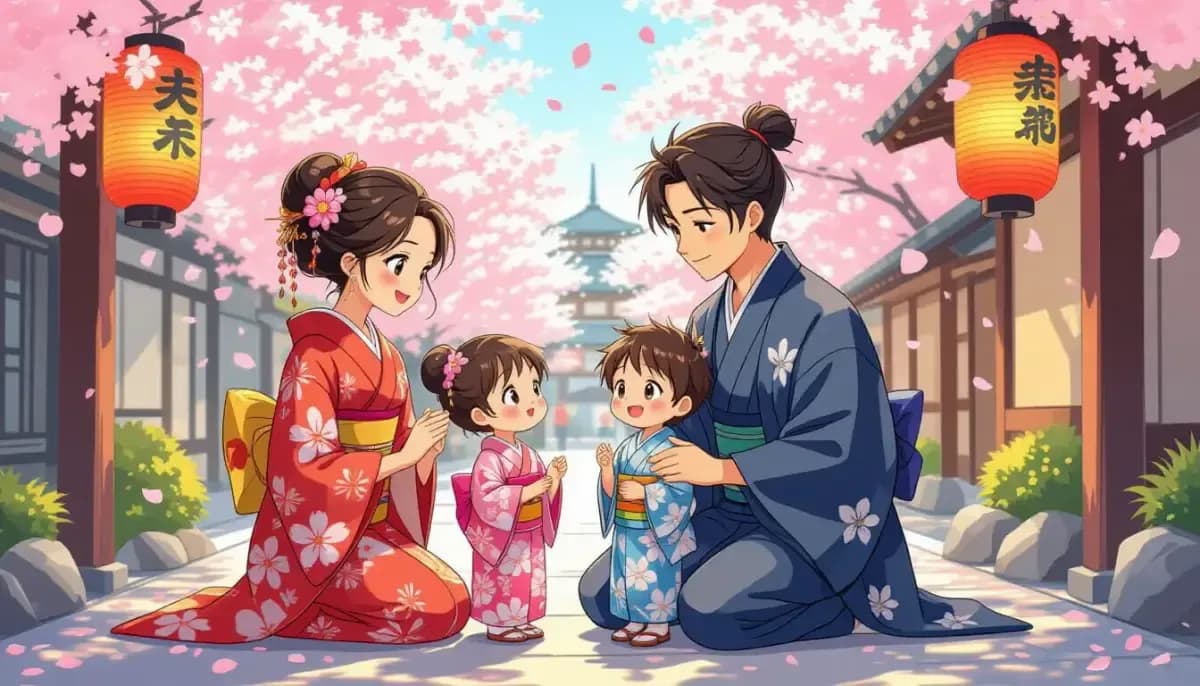
Practical guide for expat families in Japan on keeping cultural traditions alive abroad — covering language, food, celebrations, community, and digital tools for raising bicultural children.
Keeping Cultural Traditions Alive When Living Abroad: A Guide for Expat Families in Japan
Moving to Japan is an exciting adventure, but it can also raise a deeply personal question: how do you hold onto the culture that shaped you while building a new life abroad? For expat families raising children in Japan, this challenge takes on an extra layer of urgency — your children are growing up immersed in Japanese society, attending Japanese schools, learning the language, absorbing the customs. The risk of drifting from your heritage is real. So is the opportunity to raise a child who is genuinely bilingual, bicultural, and rich in identity.
This guide offers practical strategies for keeping your cultural traditions alive while living in Japan, covering everything from food and language to celebrations, community, and digital tools. Whether you have recently arrived or have been living in Japan for years, these approaches will help you and your family maintain a meaningful connection to your roots.
Why Cultural Preservation Matters for Expat Families
Cultural sustainability means more than nostalgia. It refers to the active preservation and passing down of traditions, customs, and cultural identity across generations. According to researchers at PACE University, major threats to cultural continuity include globalization, urbanization, and a lack of community resources — all of which expat families face in some form.
For children especially, cultural identity plays a key role in emotional well-being. Studies have found that children who engage with both their heritage culture and their host country's culture tend to show higher levels of empathy, stronger self-esteem, and greater resilience. Children raised between two cultures who actively engage in storytelling and heritage traditions develop a stronger sense of self.
Japan, with its 97.8% ethnically Japanese population, is one of the most culturally homogeneous nations in the world. While this makes it an extraordinary place to live, it also means that expat families are the minority — which can make preserving your own cultural identity feel like a deliberate, even countercultural act. That deliberateness, however, is exactly what makes it meaningful.
For more on raising children with a dual identity in Japan, see our guide on understanding hafu identity in modern Japan and why maintaining your child's heritage language matters.
Language: The Cornerstone of Cultural Identity
Language is often the first casualty of assimilation. When children spend their days speaking Japanese at school, with friends, and in the community, your home language can start to feel foreign — or worse, embarrassing.
Establish a home language rule. Many linguists and expat families recommend a consistent "home language" policy: your native language is always spoken at home, even if the children push back. This creates an immersive space within your own four walls.
Read aloud in your language. Daily storytime in your native tongue serves double duty — it builds language skills and transmits cultural knowledge through the stories themselves. Folk tales, myths, and family stories are living repositories of culture.
Use technology strategically. Video calls with grandparents and relatives back home keep children connected to the extended family and provide natural, affectionate reasons to use the heritage language. Streaming films, music, and podcasts in your language also helps normalize it as "cool" rather than old-fashioned.
Consider supplementary education. Many cities in Japan have Saturday schools, language classes, or community groups that offer instruction in specific languages — from French and Korean to Filipino and Hindi. For bilingual strategies tailored to Japan, see best methods to teach children Japanese as a second language and the benefits of raising bilingual children in Japan.
| Language Preservation Strategy | Best For | Effort Level |
|---|---|---|
| Home language rule | All ages | Medium |
| Weekly video calls with family | Ages 2–12 | Low |
| Heritage language Saturday school | Ages 5–15 | High |
| Heritage language films and music | All ages | Low |
| Bilingual storytime and books | Ages 0–10 | Medium |
| Online tutoring in home language | Ages 8+ | Medium |
Food as Living Memory: Cooking Your Culture
Food is described by cultural researchers as "one of the simplest, most effective ways to share your culture" when living abroad. Recipes are edible memories — a way of preserving history and celebrating family identity that requires no translation.
Cook heritage meals regularly. Make it a weekly ritual to prepare dishes from your home country. Involve your children in the cooking — measuring spices, rolling dough, learning the story behind each dish. Over time, these become skills and memories your children will carry for life.
Source authentic ingredients. Japan's international supermarkets (particularly in Tokyo, Osaka, and other major cities) stock an impressive range of imported ingredients. The International Supermarket Kaldi, Hanamasa, and specialty stores in areas like Ueno, Shin-Okubo (Koreatown), and Namba in Osaka are good starting points. Online retailers like Amazon Japan and Instacart equivalents can fill the gaps.
Create a family recipe book. Ask grandparents and relatives to share recipes with photos and stories. A physical or digital family recipe book becomes a treasured cultural artifact — and a way to involve family members back home in your life in Japan.
Share food with your community. Bringing heritage food to school events, potlucks, or neighborhood gatherings turns food into a cultural bridge rather than a private act. Japanese communities tend to appreciate and celebrate food from other cultures, making this a naturally welcoming entry point.
Celebrating Holidays and Festivals: Both and Rather Than Either/Or
One of the richest experiences of expat life is celebrating two sets of holidays. Rather than seeing your heritage holidays as competing with Japan's rich festival calendar, treat them as additions — a both/and approach rather than either/or.
Japan has 47 prefectures, each with distinct local festivals held primarily in summer. The Gion Festival in Kyoto, which dates back to the 800s, is just one example of Japan's extraordinary living tradition of matsuri. Participating in local festivals alongside your Japanese neighbors is itself a form of cultural enrichment.
At the same time, marking your own cultural holidays — Diwali, Eid al-Fitr, Lunar New Year, Día de los Muertos, Thanksgiving, Christmas, Hanukkah — creates anchors of continuity for your children. Immigrant and expat families around the world report that dual celebration enriches children's sense of identity rather than confusing it.
Practical tips for dual celebration:
- Decorate your home for heritage holidays, even simple decorations
- Invite other expat families or Japanese friends to celebrate with you
- Explain the meaning behind each celebration to your children in age-appropriate ways
- Connect virtually with family back home for major holidays
For those celebrating occasions around Japanese school milestones, our guide on the first day of elementary school in Japan covers what to expect from Japanese cultural rites of passage.
Building Community: Finding Your Cultural Tribe in Japan
Isolation is one of the biggest threats to cultural preservation. When you have no community around you practicing the same traditions, it is easy for those traditions to quietly fade.
Find expat communities in your area. Most major Japanese cities have active expat communities organized around nationality, religion, or shared interest. Facebook groups, Meetup, and platforms like InterNations can connect you with compatriots who share your cultural background.
Connect with cultural associations. Many countries maintain cultural associations in Japan — Indian associations, American clubs, Brazilian communities, Korean groups, and many others. These organizations often organize cultural events, language classes, and holiday celebrations.
Engage with the international school network. Even if your children attend Japanese schools, international schools often host cultural events and welcome community participation. The international school network in Japan is strong, and these events can be a rich source of multicultural connection. See our complete guide to international schools in Japan for more.
Use digital community tools. Online communities, especially for less-represented nationalities, can be as important as in-person groups. WhatsApp groups, Discord servers, and Facebook groups connect expats across Japan and around the world.
For insights into daily expat life in Japan and integration strategies, Living in Nihon offers practical guides for foreigners navigating life in Japan. Those navigating work life alongside cultural balance will find helpful context at For Work in Japan.
Digital Tools for Cultural Preservation and Connection
The digital age has transformed cultural preservation. What once required physical proximity — attending a religious ceremony, visiting a cultural center, watching a folk performance — can now happen across any distance.
Video calling and streaming: Regular video calls with grandparents, relatives, and old friends maintain the relational threads that carry culture. Streaming services like Netflix, Disney+, and local platforms often have content in multiple languages including regional content from your home country.
Cultural apps and online classes: There are now apps dedicated to folk music, traditional crafts, language learning, and cultural education in dozens of languages. If your children are interested in learning traditional dance, music, or crafts from your culture, online classes have made this accessible from Japan.
Social media and cultural sharing: Platforms like Instagram and YouTube allow you to follow content creators from your home country, engage with cultural content, and even share your own experience of keeping traditions alive. The Japan Agency for Cultural Affairs has invested over 100 billion yen in fiscal year 2024 in digital archiving and promotion — reflecting a global recognition that digital tools are now central to cultural sustainability.
Digital family archives: Creating a shared family photo album, video archive, or blog documenting your cultural celebrations and heritage activities builds a living record for your children to carry forward.
For families also navigating language and cultural challenges from Japan's side, Chuukou Benkyou offers educational resources relevant to families raising children between cultures.
Integrating Culture into Everyday Life: Small Acts, Big Impact
Grand gestures matter, but so do small, daily acts of cultural continuity. The most resilient cultural preservation happens not just at annual festivals but in the everyday rhythms of family life.
- Morning routines: Starting the day with heritage music, a traditional breakfast dish, or a prayer in your language sets a cultural tone.
- Clothing and aesthetics: Wearing traditional clothing on appropriate occasions — saris, hanboks, dirndls, barong tagalog — normalizes cultural dress as part of your family identity.
- Storytelling and oral history: Sharing family stories, folk tales, and cultural myths at bedtime is one of the oldest forms of cultural transmission.
- Art and craft: Traditional crafts — weaving, pottery, calligraphy, origami, embroidery — can be practiced at home and connect children to aesthetic traditions that run deep.
- Music and dance: Playing traditional music at home or enrolling children in traditional dance classes maintains an embodied connection to culture.
For expat families also focused on their children's emotional well-being during the adaptation process, see our article on signs of stress and anxiety in expat children.
Practical Checklist for Expat Families in Japan
To summarize the key strategies covered in this guide:
| Area | Action | Frequency |
|---|---|---|
| Language | Speak home language at home | Daily |
| Language | Video call with family in home country | Weekly |
| Food | Cook a heritage meal | Weekly |
| Celebration | Mark heritage holidays with rituals | As they occur |
| Community | Attend expat community events | Monthly |
| Education | Enroll in heritage language school | Weekly (term-time) |
| Digital | Stream home-country content | Weekly |
| Storytelling | Share family stories and folk tales | Weekly |
For a deeper look at the financial realities of expat family life in Japan, our guide on the cost of raising a child in Japan provides a comprehensive breakdown of what to expect.
Conclusion
Keeping cultural traditions alive when living abroad in Japan is both a challenge and a gift. It requires intention, creativity, and community — but the reward is a child who stands on two cultural foundations rather than one. In Japan's extraordinary context, where tradition and modernity coexist in remarkable ways, expat families are uniquely positioned to model the richness of a multicultural identity.
Food, language, celebration, community, and digital connection are not separate strategies but threads in the same fabric. Weave them into your daily life, and your culture — whatever it is — will travel with your family across any distance.
For broader support on raising children well in Japan, explore our resources on benefits of raising bilingual children in Japan and understanding hafu identity in modern Japan.
Additional resources:
- Cultural Sustainability: Keeping Traditions Alive in a Changing World — PACE University
- Maintaining Cultural Identity Abroad — Gateway International
- Japanese Culture and Traditions — Maikoya Cultural Center

Originally from Vietnam, living in Japan for 16+ years. Graduated from Nagoya University, with 11 years of professional experience at Japanese and international companies. Sharing practical information for foreign parents raising children in Japan.
View Profile →Related Articles
Building a Strong Multicultural Family Identity
Learn how to build a strong multicultural family identity in Japan. Practical strategies for bilingualism, cultural rituals, school navigation, and raising confident bicultural children as an expat family.
Read more →
Navigating Different Education Expectations Between Cultures
Discover how education expectations differ between Japan and Western countries. A practical guide for expat families on Japanese school culture, academic pressure, language barriers, and how to help your child thrive in both worlds.
Read more →
Best Cross-Cultural Parenting Books and Resources
Discover the best books and resources for cross-cultural parenting in Japan. From bilingual strategies to Japanese parenting philosophy, this guide helps multicultural families thrive.
Read more →
Choosing Names for Children in Multicultural Families
Complete guide to choosing names for children in multicultural families in Japan — legal requirements, bilingual naming strategies, pronunciation pitfalls, kanji selection, and real bicultural name examples.
Read more →
Conflict Resolution in Multicultural Families
Practical strategies for resolving conflict in multicultural families living in Japan. Understand tatemae vs hon-ne, cultural communication styles, and evidence-based techniques for building lasting family harmony.
Read more →
Gender Roles and Expectations in Multicultural Families
Navigating gender roles in a multicultural family in Japan? Understand traditional expectations, expat realities, and practical strategies for building an egalitarian home in Japan.
Read more →