
Preparing for Your Child's First Day at Hoikuen

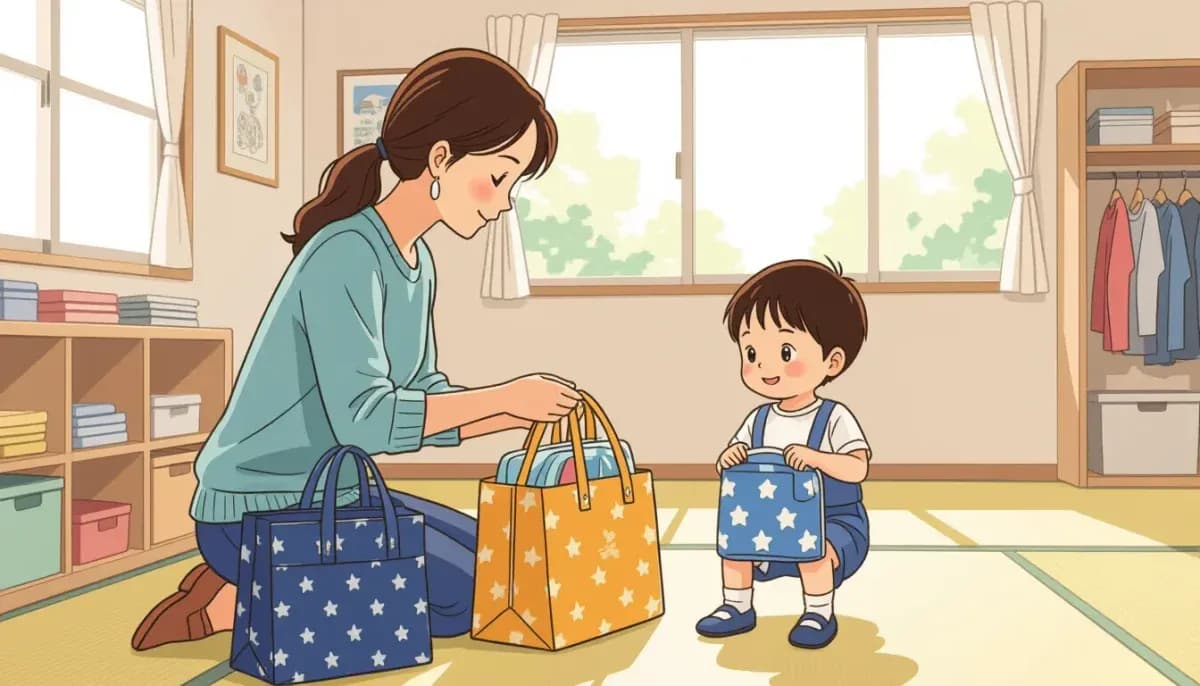
Complete preparation guide for your child's first day at hoikuen in Japan. Covers essential items, narashi hoiku adjustment period, labeling tips, renrakucho diary, and meal planning for foreign parents.
Preparing for Your Child's First Day at Hoikuen
Starting hoikuen (保育園) is a major milestone for both children and parents in Japan. Whether you are a foreign parent navigating the Japanese daycare system for the first time or simply feeling anxious about the transition, proper preparation can make the experience smoother for everyone. This guide covers everything you need to know—from the essential items to pack, to understanding the narashi hoiku adjustment period, and tips for managing those emotional first weeks.
If you are still researching your daycare options, check out our complete guide to daycare and hoikuen in Japan before diving into preparation details.
Understanding Narashi Hoiku (慣らし保育): The Adjustment Period
One of the most important things to know about starting hoikuen is the narashi hoiku (慣らし保育) — a gradual adjustment period that typically lasts about two weeks, running from early April through mid-May. During this time, your child attends for increasingly longer hours each day.
Here is a typical narashi hoiku schedule:
| Day | Hours at Hoikuen | Activities |
|---|---|---|
| Days 1–2 | 1–2 hours (9:00–11:00) | Brief play, meeting teachers |
| Days 3–5 | 3–4 hours | Morning snack, play time |
| Week 2 | Half day (until lunch) | Meals included, nap introduction |
| Week 3+ | Full day | Full schedule with nap and afternoon snack |
During this period, expect your child to cry at drop-off — this is completely normal and can last a month or longer. The teachers are experienced with this transition and will comfort your child. Stay calm, say a brief goodbye, and trust the process.
Parents should plan their work schedules accordingly, as narashi hoiku means you cannot rely on full-day care during the first few weeks. For more guidance on balancing parenting and work schedules in Japan, see our guide on toddler parenting in Japan.
Essential Items to Prepare for Hoikuen
Each hoikuen has specific requirements, but the following items are commonly needed. You will receive a detailed list at your setsumeikai (説明会, orientation briefing) before the start date.
Daily Items
- Clothing: Keep at least 3 complete outfit changes at the hoikuen at all times. Avoid clothes with buttons, hoods, or protruding decorations — hoikuens promote independence and children learn to dress themselves. Aim for 7 sets total so you always have clean spares.
- Oshibori towels: Provide 3 fresh small towels daily for wiping mouths after morning snack, lunch, and afternoon snack.
- Aprons/bibs: Most hoikuens require 3 aprons per day — one for each meal. Larger sizes for lunch and smaller for snacks.
- Diapers and wipes: Some hoikuens still require parents to bring their own (and label each diaper!), though many modern facilities now offer a subscription service.
- Soiled item bags: Reusable waterproof bags (2–4 sets) to carry home dirty clothing and towels.
- School bag: A large tote bag for transporting daily items. Choose waterproof or machine-washable material.
Weekly Items
- Nap blankets: Soft bath towels or 6-layer gauze blankets for rest time.
- Cot covers: Approximately 60×134 cm; have at least 2 sets for weekly rotation.
- Indoor shoes (uwabaki): Required at most hoikuens once children start walking.
Where to Shop
Popular stores for hoikuen supplies include Uniqlo (simple, affordable basics), Nishimatsuya (baby and children specialty store), Petit Main, and Birthday. Online shopping on Rakuten and Amazon Japan also offers a wide selection of daycare-specific items.
For a broader overview of raising children in Japan, Living in Nihon's guide for foreign families is an excellent resource.
The Critical Rule: Label Everything
This cannot be stressed enough — every single item your child brings to hoikuen must be labeled with their full name. This includes clothing, towels, aprons, bags, shoes, and yes, even individual diapers.
The most efficient labeling tools include:
| Tool | Best For | Where to Buy |
|---|---|---|
| Name stamps with ink pad | Clothing tags, fabric items | Rakuten, Amazon |
| Tag stickers | Clothing labels, quick application | 100-yen shops, Amazon |
| Fabric name stickers | Socks, towels, shoes | Nishimatsuya, online |
| Permanent marker | Quick labeling on diapers | Any convenience store |
Many parents recommend ordering a name stamp set before the school year starts, as these save enormous time compared to handwriting names on hundreds of items. You can find detailed product recommendations at Travel x Girl's hoikuen preparation guide.
The Renrakucho: Your Daily Communication Diary
The renrakucho (連絡帳) is a daily diary exchanged between parents and teachers. Each morning, you write entries about your child's previous evening and morning, including:
- Body temperature (measured that morning)
- What they ate for dinner and breakfast
- Sleep time and wake time
- General mood and any health concerns
- Bowel movements
Teachers write back about your child's day at hoikuen — what they ate, how long they napped, activities they enjoyed, and any notable moments. This two-way journal is a valuable window into your child's daycare life.
For non-Japanese-speaking parents: The renrakucho is typically in Japanese, which can be challenging. Consider using translation apps to help you read and write entries, or ask your hoikuen if they accept simple English notes. Some international-friendly hoikuens may accommodate bilingual entries. If you are working on your child's language development, our article on raising bilingual children in Japan has useful strategies.
Food, Allergies, and Meal Planning
Hoikuens take food allergies very seriously. Before your child's first day, you will receive a food checklist — a comprehensive list of ingredients used in the hoikuen's kitchen. You are expected to introduce each food item to your child at home and report any allergic reactions before the school year begins.
Key points about hoikuen meals:
- Monthly meal plans (kondate/献立) are provided at the start of each month, showing exactly what your child will eat daily.
- Meals are nutritionally balanced and prepared on-site by hoikuen kitchen staff.
- If your child has allergies, the hoikuen will prepare alternative meals — but you must provide proper medical documentation.
- Breast milk or formula arrangements vary by hoikuen; discuss your needs during the orientation.
For comprehensive information on children's health and nutrition in Japan, see For Work in Japan's family life guide.
Managing Illness: Expect the Unexpected
One of the realities of hoikuen life that catches many parents off guard is how frequently children get sick, especially during the first few months. When many young children are together in close quarters, illnesses spread quickly.
Key illness policies to know:
- If your child's temperature exceeds 37.5°C (99.5°F), you will be called to pick them up immediately.
- After a fever, children must rest at home for at least 24 hours from the onset before returning.
- Certain contagious illnesses (influenza, hand-foot-and-mouth disease, conjunctivitis) require a doctor's clearance note (tōen kyoka-sho/登園許可証) before returning.
- Stock up on children's medicine and know where your nearest pediatrician is located.
Plan for backup childcare arrangements and keep some paid leave reserved for these situations. Metropolis Japan's article on 7 things to know before starting daycare offers additional practical advice on managing sick days.
For detailed guidance on children's healthcare in Japan, refer to our healthcare and medical care for children guide.
Tips for a Smooth First Day and Beyond
Before the First Day
- Attend the setsumeikai (orientation) carefully and take notes — ask questions even if you need a translator.
- Practice the morning routine at home: getting dressed, eating breakfast, and leaving the house at the target time.
- Visit the hoikuen during kengaku (tours) beforehand so your child is familiar with the environment.
- Label everything well in advance — do not leave this to the last minute.
- Introduce all foods on the allergen checklist before the start date.
During Narashi Hoiku
- Keep goodbyes brief — a long, emotional farewell makes the separation harder for your child.
- Bring a comfort item if the hoikuen allows it (a small blanket or stuffed toy).
- Be punctual for both drop-off and pick-up during the adjustment period.
- Read the renrakucho carefully each evening to understand how your child spent their day.
Building Relationships
- Greet teachers warmly every day with a cheerful "ohayou gozaimasu" (おはようございます).
- Participate in hoikuen events — sports day (undōkai), parent observation days, and seasonal events help you connect with other families.
- Join the parent group (hogosha-kai/保護者会) to stay informed and build community.
For additional insights into education and school life in Japan, Chuukou Benkyou provides resources that may be helpful as your child grows older and enters the school system.
Checklist: First Day at Hoikuen
Use this quick checklist to make sure you are fully prepared:
- [ ] All clothing labeled with child's name
- [ ] 3+ spare outfit changes packed
- [ ] Oshibori towels (3) and aprons (3) ready
- [ ] Diapers labeled (if required)
- [ ] Nap blanket and cot cover prepared
- [ ] Indoor shoes labeled and packed
- [ ] School bag (large tote) ready
- [ ] Soiled item bags (waterproof) packed
- [ ] Renrakucho filled out for the first morning
- [ ] Food allergen checklist completed
- [ ] Emergency contact information submitted
- [ ] Work schedule adjusted for narashi hoiku period
Final Thoughts
Your child's first day at hoikuen is an emotional experience, but with thorough preparation and realistic expectations, both you and your child will adjust. Remember that the teachers are professionals who handle this transition every year, and the narashi hoiku period exists specifically to make the change gradual and manageable.
For a comprehensive overview of all childcare options available to foreign families, explore our guide to the Japanese education system and the baby and infant care guide for younger children. Japan Dev also offers an excellent overview of childcare options for international families.
The journey may feel overwhelming at first, but thousands of foreign families in Japan have successfully navigated hoikuen — and so will you.

Originally from Vietnam, living in Japan for 16+ years. Graduated from Nagoya University, with 11 years of professional experience at Japanese and international companies. Sharing practical information for foreign parents raising children in Japan.
View Profile →Related Articles
Extended Hours and Overnight Daycare Services in Japan
Complete guide to extended hours daycare (encho hoiku), overnight childcare (yakan hoiku), baby hotels, and 24-hour babysitter services in Japan for foreign parents with non-standard work schedules.
Read more →
Daycare Meals and Nutrition Standards in Japan
Complete guide to daycare meals and nutrition standards in Japan for foreign parents. Learn about meal structure, shokuiku food education, allergy management, and tips for helping your child adjust to Japanese nursery school food.
Read more →
How to Choose the Best Daycare in Your Area of Japan
A complete guide for foreign parents on choosing the best daycare in Japan. Learn about hoikuen, yochien, the point system, costs, subsidies, and application tips for your area.
Read more →
Home-Based and Family Daycare in Japan Explained
Everything foreign parents need to know about hoiku mama and family daycare in Japan, including costs, how to apply, pros and cons, and tips for finding the right home-based childcare provider.
Read more →
Corporate and Workplace Daycare Options in Japan
Discover corporate daycare and workplace nursery options in Japan including jigyosho nai hoikuen, kigyou shudougata hoiku, costs, eligibility, and tips for foreign families navigating company-sponsored childcare.
Read more →
Free Daycare in Japan: Eligibility and How to Apply
Complete guide to Japan's free daycare policy for foreign families. Learn about eligibility for ages 0-5, the hoikuen application process, points system, required documents, and costs covered under the muenshouka program.
Read more →