
Daily Routine at Japanese Daycare: What Happens Each Day

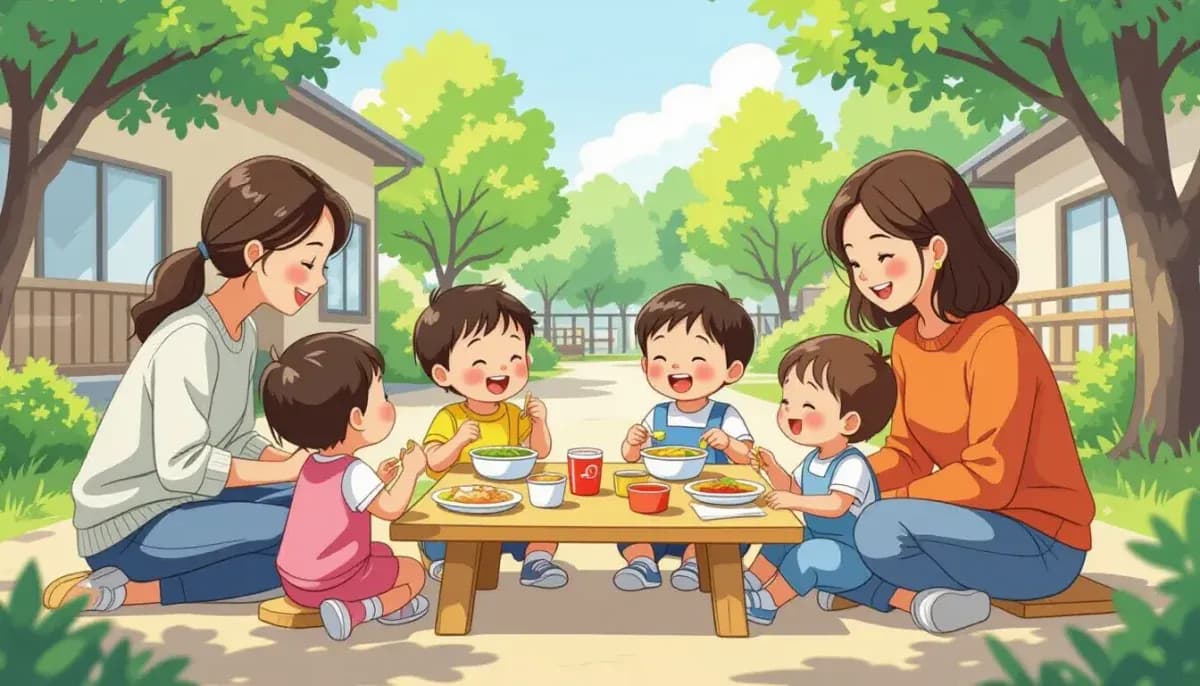
Discover what happens each day at a Japanese daycare (hoikuen). Complete daily schedule from morning drop-off to evening pickup, including meals, nap time, activities, and tips for foreign parents.
Daily Routine at Japanese Daycare: What Happens Each Day
If you're a foreign parent sending your child to a Japanese daycare (hoikuen), you might wonder what a typical day looks like behind those gates. Japanese daycare centers follow a structured yet nurturing daily routine designed to develop social skills, independence, and healthy habits from a very young age. Understanding this schedule will help you prepare your child — and yourself — for the experience.
How Japanese Daycare Hours Work
Japanese daycare centers (hoikuen / 保育園) are designed for working parents, so they operate much longer hours than kindergartens. Most licensed hoikuen open between 7:00 and 7:30 AM and close at 6:00 or 6:30 PM. Many facilities offer extended care (延長保育 / enchō hoiku) until 7:00 PM or later for an additional fee.
This stands in contrast to kindergartens (yochien), which typically run only about four hours per day. If both parents work full-time, hoikuen is almost always the better fit. For a full comparison of daycare types, see our complete guide to daycare and hoikuen in Japan.
Over 90% of three- and four-year-olds in Japan attend some form of preschool or daycare, and more than 95% of five-year-olds are enrolled — making early childhood education nearly universal in this country.
Morning Arrival and Free Play (7:00–9:30 AM)
The day begins with drop-off, which most parents do between 7:00 and 9:00 AM depending on their work schedule. Upon arrival, children change into indoor shoes (uwabaki) and place their belongings in their designated cubbies. Teachers greet each child individually and do a quick visual health check.
After settling in, children enjoy free play time. This typically includes building blocks, drawing, playing house (omamagoto), or reading picture books. Teachers use this time to observe each child's mood, energy level, and social interactions.
Tip for foreign parents: Make sure everything — bags, shoes, towels, even individual diapers — is clearly labeled with your child's name. Japanese daycare centers are serious about labeling, and unlabeled items cause confusion. Check our guide on toddler parenting in Japan for more practical tips.
Morning Activity Time (9:30–11:30 AM)
This is the heart of the learning day. Activities vary by age group and day of the week, but they generally include:
- Outdoor play: All children, including babies, go outside daily weather permitting. You'll often spot daycare groups walking to nearby parks in their distinctive oversized carts (お散歩カー). In summer, children enjoy pool play (水遊び / mizu asobi) in small wading pools set up on the grounds.
- Arts and crafts: Painting, drawing, cutting, pasting — activities focused on fine motor skill development.
- Music and rhythm: Singing songs, playing tambourines or castanets, and movement exercises.
- Seasonal activities: Projects tied to Japanese cultural events like Tanabata (star festival), Setsubun (bean throwing), and Hina Matsuri (doll festival).
Japanese daycare emphasizes group cooperation over individual achievement. Children learn to take turns, share materials, and work together on projects — values deeply embedded in Japanese parenting culture.
Lunch Time (11:30 AM–12:30 PM)
One of the biggest perks of Japanese daycare is the nutritionally balanced lunch prepared on-site by licensed nutritionists and cooks. A typical meal includes rice, miso soup, a protein (fish or chicken), vegetables, and milk. Menus are planned monthly and posted for parents to review.
Children eat together at low tables and are encouraged to serve themselves and clean up afterward. Even toddlers practice using chopsticks (or spoons for younger ones) and saying "itadakimasu" before eating and "gochisousama" when finished.
| Meal | Typical Time | What's Served | Notes |
|---|---|---|---|
| Morning snack | 9:30–10:00 AM | Crackers, fruit, milk | For children under age 3 |
| Lunch | 11:30 AM–12:30 PM | Rice, soup, protein, vegetables | Prepared on-site by nutritionists |
| Afternoon snack | 3:00–3:30 PM | Onigiri, fruit, yogurt | All age groups |
Allergies are taken very seriously. If your child has food allergies, you'll fill out detailed forms and the kitchen will prepare alternative meals. Learn more about nutrition and school lunches in Japan.
Nap Time (12:30–3:00 PM)
After lunch, children settle down for an afternoon nap (お昼寝 / ohirune). Each child has their own futon that is laid out in the classroom. Younger children may sleep for two to three hours, while older children (age four and five) typically nap for about one to one and a half hours. Some five-year-old classes phase out nap time entirely in preparation for elementary school.
Teachers dim the lights and play soft music. They monitor sleeping children closely, checking breathing and positioning — especially for infants, where SIDS prevention protocols are strictly followed.
Parents are responsible for bringing and laundering futon covers weekly. This is one of many small responsibilities that can surprise foreign parents new to the system.
Afternoon Activities and Snack (3:00–4:30 PM)
Children wake up gradually and enjoy an afternoon snack — often onigiri (rice balls), fruit, or a small sweet. After snack time, structured activities resume:
- Group games and exercises
- Reading time
- Music practice
- Crafts related to upcoming events like sports day (undokai) or cultural festivals
Some daycare centers also offer optional enrichment activities such as English lessons, gymnastics, or swimming during this time slot.
Evening Free Play and Pickup (4:30–7:00 PM)
From late afternoon until pickup, children engage in free play. As parents arrive, teachers give brief updates about the child's day — what they ate, how long they napped, any notable events. This communication also happens through the renrakucho (連絡帳), a daily notebook exchanged between parents and teachers.
Many modern daycare centers now use smartphone apps instead of paper notebooks, sending photos, meal reports, and health updates digitally throughout the day. This is especially helpful for foreign parents who may find it easier to translate digital messages. For more about navigating communication as a foreign parent, read our guide on raising bilingual children in Japan.
Health Checks and Development Monitoring
Japanese daycare centers take child health seriously. Throughout the year, children receive:
- Monthly height and weight measurements to track growth
- 2–3 health checkups per year conducted by visiting doctors
- Dental checkups twice yearly
- Daily temperature checks during cold and flu season
The government mandates specific caregiver-to-child ratios: one caregiver for every three infants (age 0), one for every six two-year-olds, and one for every twenty four- and five-year-olds. These ratios ensure close supervision and individualized attention, particularly for the youngest children.
For more on healthcare for children in Japan, see our healthcare and medical care guide.
Cultural and Life Skills Training
What sets Japanese daycare apart is the emphasis on life skills and cultural education woven into daily routines:
- Shoe etiquette: Children learn to remove outdoor shoes, place them neatly, and switch to indoor shoes every day.
- Proper bowing: Greetings with appropriate bows are practiced from toddlerhood.
- Self-care: Hand washing, nose wiping, folding clothes, and using the toilet independently are taught progressively.
- Seasonal awareness: Activities change with the seasons — cherry blossom viewing in spring, pool play in summer, sweet potato digging in autumn, and mochi making in winter.
These cultural practices help foreign children integrate naturally into Japanese society. Read more about how seasonal events shape family life in our guide to Japanese holidays, festivals, and seasonal events for families.
What Foreign Parents Should Prepare
Starting daycare in Japan requires a surprising amount of preparation. Here's a checklist of commonly required items:
| Item | Details |
|---|---|
| Indoor shoes (uwabaki) | White slip-on shoes for classroom use |
| Outdoor play clothes | Separate set that stays at daycare |
| Hand towel with loop | For hanging at the wash station |
| Futon cover set | Sheets and blankets for nap time, washed weekly |
| Cloth bags (multiple) | For shoes, clothes, wet items — often handmade |
| Labeled diapers | Each individual diaper needs your child's name |
| Communication notebook | Renrakucho for daily parent-teacher updates |
| Hat | Sun hat (summer) or warm hat (winter) for outdoor play |
Many of these items need to be specific sizes. Check with your daycare for exact requirements. You can find most supplies at stores like Nishimatsuya, Akachan Honpo, or online at Rakuten.
For help navigating the financial side, including government subsidies that cover up to 80% of daycare costs, see our guide on government benefits and subsidies for families in Japan.
Tips for Making the Transition Easier
If your child is entering Japanese daycare for the first time, the慣らし保育 (narashi hoiku) or adjustment period typically lasts one to two weeks. During this time, children attend for progressively longer hours — starting with just one or two hours and building up to a full day.
Here are some tips from experienced expat parents:
- Start early with basic Japanese phrases: Even simple words like "sensei" (teacher), "tomodachi" (friend), and "toire" (toilet) help your child feel more confident.
- Practice chopstick use at home: Many daycares introduce chopsticks around age three.
- Build relationships with teachers: Even if you don't speak much Japanese, greeting teachers warmly and using the renrakucho consistently goes a long way.
- Connect with other parents: Daycare events like undokai and Christmas performances are great opportunities to build your community.
For broader strategies on helping your child thrive across cultures, explore our guide on cross-cultural parenting.
Helpful External Resources
For more detailed information on daycare options and daily life for families in Japan, these resources are valuable:
- An Inside Look at Daycare in Japan — A personal account from an expat parent with detailed daily schedule information
- Preschools and Day Care in Japan: Facts and Details — Comprehensive statistics and cultural context about Japanese early childhood education
- Living in Nihon — Practical guides for daily life in Japan as a foreigner
- For Work in Japan — Resources for working parents balancing careers and family life in Japan
- Chuukou Benkyou — Educational resources for children studying in Japan
Understanding your child's daily routine at daycare helps you support their development at home and communicate effectively with their teachers. Japanese daycare may seem highly structured at first, but the combination of play, learning, nutrition, and cultural education creates a nurturing environment where children — including those from foreign families — can truly thrive.

Originally from Vietnam, living in Japan for 16+ years. Graduated from Nagoya University, with 11 years of professional experience at Japanese and international companies. Sharing practical information for foreign parents raising children in Japan.
View Profile →Related Articles
Extended Hours and Overnight Daycare Services in Japan
Complete guide to extended hours daycare (encho hoiku), overnight childcare (yakan hoiku), baby hotels, and 24-hour babysitter services in Japan for foreign parents with non-standard work schedules.
Read more →
Daycare Meals and Nutrition Standards in Japan
Complete guide to daycare meals and nutrition standards in Japan for foreign parents. Learn about meal structure, shokuiku food education, allergy management, and tips for helping your child adjust to Japanese nursery school food.
Read more →
How to Choose the Best Daycare in Your Area of Japan
A complete guide for foreign parents on choosing the best daycare in Japan. Learn about hoikuen, yochien, the point system, costs, subsidies, and application tips for your area.
Read more →
Home-Based and Family Daycare in Japan Explained
Everything foreign parents need to know about hoiku mama and family daycare in Japan, including costs, how to apply, pros and cons, and tips for finding the right home-based childcare provider.
Read more →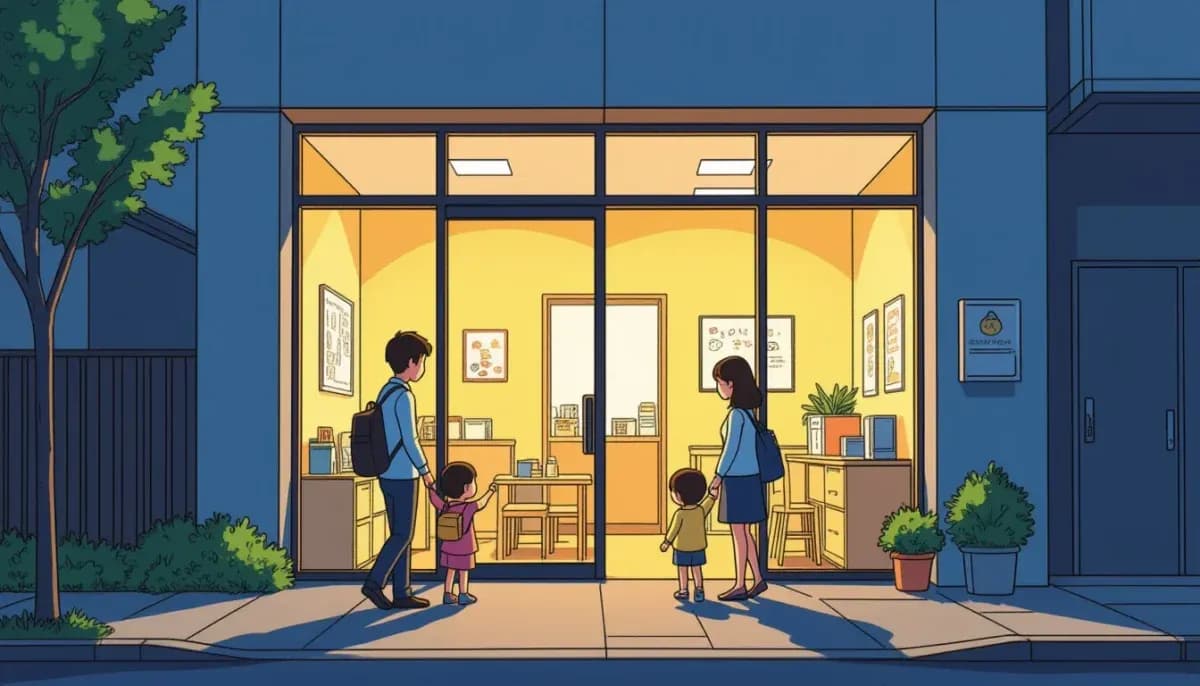
Corporate and Workplace Daycare Options in Japan
Discover corporate daycare and workplace nursery options in Japan including jigyosho nai hoikuen, kigyou shudougata hoiku, costs, eligibility, and tips for foreign families navigating company-sponsored childcare.
Read more →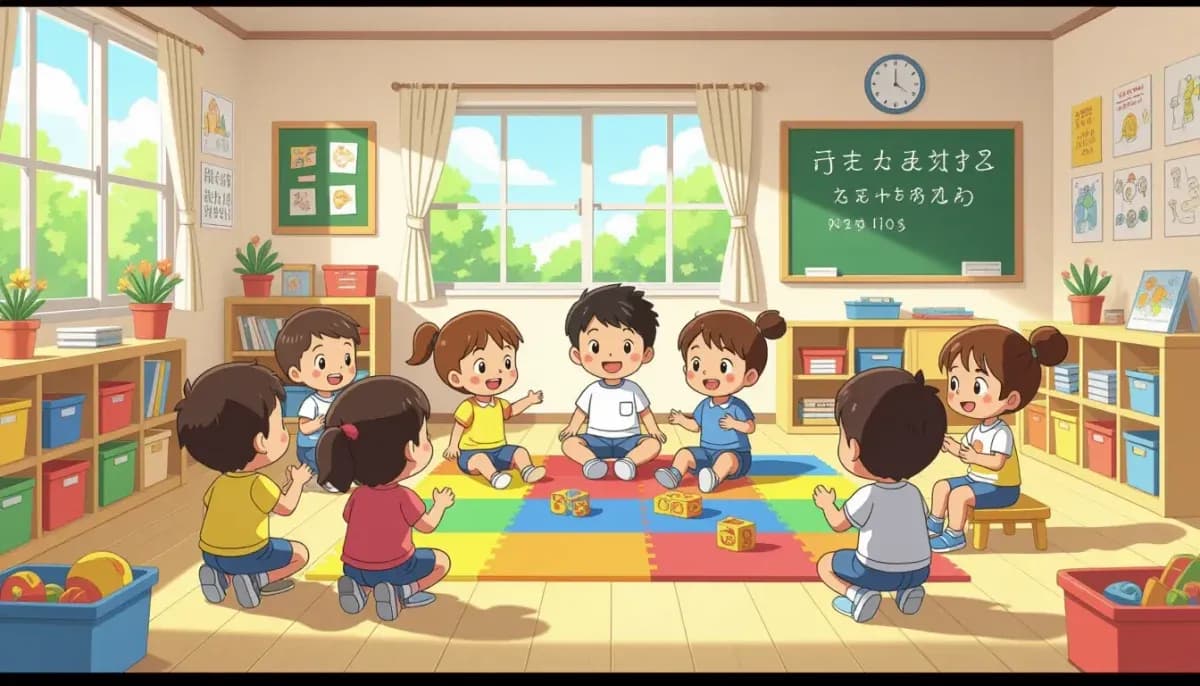
Free Daycare in Japan: Eligibility and How to Apply
Complete guide to Japan's free daycare policy for foreign families. Learn about eligibility for ages 0-5, the hoikuen application process, points system, required documents, and costs covered under the muenshouka program.
Read more →