
Maintaining Friendships After Moving Within Japan

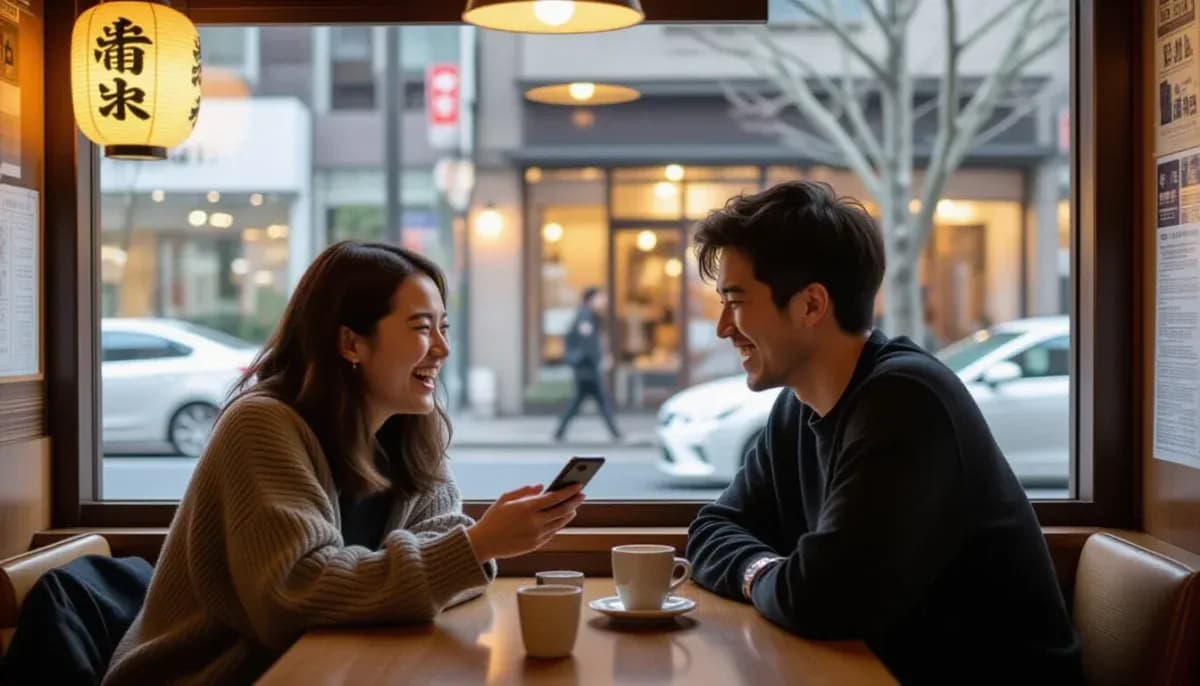
Learn how to maintain friendships after moving within Japan. Essential tips on LINE, communication strategies, rebuilding your social circle, and navigating Japan's unique social culture as an expat.
Maintaining Friendships After Moving Within Japan: A Complete Guide for Expats
Moving to a new city in Japan is exciting — but it also means leaving behind the social network you worked so hard to build. Whether you relocated from Tokyo to Osaka, from a big city to the countryside, or between any of Japan's many unique regions, keeping your friendships alive across distance takes intentional effort. This guide covers everything you need to know about maintaining friendships after moving within Japan, from leveraging Japanese communication tools to building a new social circle while staying connected with old friends.
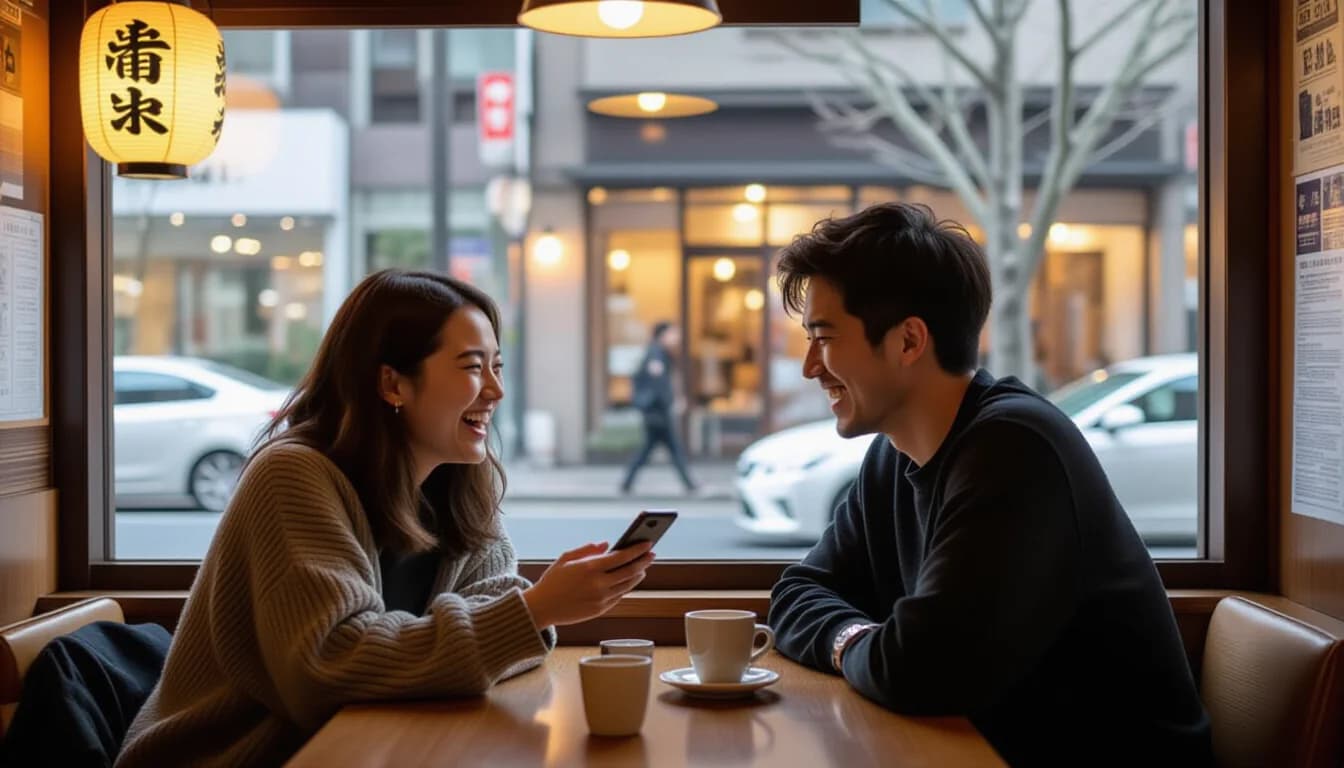
Why Maintaining Friendships After Moving in Japan Is Uniquely Challenging
Japan's social culture makes maintaining friendships after a move harder than in many other countries. Understanding why is the first step to overcoming it.
The concept of uchi-soto (内外) — Japan's in-group/out-group social system — means that Japanese friendships are built slowly, on a foundation of shared physical presence and repeated interaction. When you move away, you lose the in-person rituals (spontaneous dinners, after-work drinks, weekend outings) that Japanese friendships depend on. Japanese acquaintances who were warm and close in person may not reach out proactively after you leave — not because they don't care, but because Japanese social norms don't typically support maintaining long-distance friendships the way Western cultures do.
For foreign residents, this challenge is compounded by the fact that Japan's expat community is inherently transient. According to recent data, as of end-2024 there were 3.77 million foreign residents in Japan — and inter-municipal moves by foreign residents rose +8.0% year-over-year as of April 2025, even as total national moves declined. The result: friendships in Japan frequently get disrupted by relocation.
The biggest mistake expats make is assuming their friendships will maintain themselves after a move. In Japan, without proactive effort, most circumstantial friendships — those built around shared workplaces, neighborhoods, or social circumstances — will fade within six months of relocation.
The Most Important Step: Exchange LINE Before You Leave
Before you pack a single box, exchange LINE information with every person you want to stay in contact with.
LINE is not optional in Japan — it is the primary communication platform for personal relationships. Unlike Western countries where SMS, WhatsApp, or Instagram DMs might serve as fallbacks, Japan runs on LINE. Japanese phone plans historically did not include free SMS between carriers, and email is considered overly formal for personal relationships. If you don't have someone's LINE, you effectively have no way to reach them casually after you leave.
Before your move:
- Create a LINE group for your closest friend circle in your current city
- Exchange LINE QR codes with any Japanese friends, neighbors, or colleagues you want to stay connected with
- Set up a LINE group for any hobby or activity community you're part of
- Save your apartment building's community LINE group if one exists
Once you're in your new city, LINE remains your lifeline to old friends. Regular voice messages (a distinctly popular feature in Japan's LINE culture), sticker reactions, and group photo sharing are all ways to maintain presence in your friends' daily lives even from a distance.
For more on building your social network in Japan, see Making Friends in Japan as a Foreigner and Social Life for Expat Families.
Creating a Sustainable Communication System
The friendships most likely to survive a long-distance move are those where both parties have realistic expectations and a communication rhythm that fits naturally into daily life.
Research on expat friendship maintenance suggests a tiered approach works best:
| Tier | Frequency | Method | Purpose |
|---|---|---|---|
| Tier 1: Casual Presence | Weekly | LINE reactions, group chats, story replies | Stay visible in each other's lives |
| Tier 2: Real Connection | Monthly | Voice messages, short video calls, photo sharing | Maintain emotional closeness |
| Tier 3: Deep Catch-Up | Quarterly | Long video calls, shared meals (online or in-person) | Strengthen the friendship core |
| Tier 4: In-Person | Annually | Return visits, meetups in neutral cities | Reaffirm the friendship IRL |
The key is not overwhelming the system. Trying to maintain 20 deep friendships at Tier 3 is exhausting and unsustainable. Be honest about which friendships you're prioritizing and communicate that clearly.
Practical tips:
- Schedule recurring monthly video call dates like appointments — don't leave it to "whenever we're free"
- Use Japan's gift-giving culture to your advantage: send small regional gifts (omiyage) from your new city to old friends — this is deeply culturally meaningful and keeps the relationship warm
- Join existing LINE groups rather than letting them go dormant — even passive participation (reactions, occasional messages) signals you're still present
- Create shared experiences across distance: watch the same anime together, play the same mobile game, cook the same recipe on a video call
For Work in Japan has a great guide on maintaining your network after relocating with specific strategies tailored to professional and personal relationships in the Japanese context.
Rebuilding Your Social Circle in Your New Japanese City
While maintaining old friendships is important, don't neglect building new ones. The most resilient social lives are built on both strong existing friendships and an active new local community.
The fastest ways to build new friendships in a new Japanese city:
1. Join Sports Activities with Low Language Barriers
Futsal, badminton, tennis, table tennis, hiking, and cycling are all popular activities with active foreigner participation across Japan. Physical activity builds friendship organically, and the low verbal communication required makes these ideal for mixed Japanese-foreigner groups. Search for local sports circles through Tunagate (つなげーと), which lists 65,000+ registered hobby circles across Japan.
2. Find English-Language Social Events
Most major Japanese cities have active expat social scenes. In Tokyo, groups like the Tokyo Expat Network (30,000+ Facebook members) and Welcome Tokyo (50,000+ members) host regular events. Osaka, Nagoya, Kyoto, and even smaller cities have similar communities accessible through Meetup.com, Facebook Groups, and Internations.
3. Attend English Conversation Cafes
English conversation cafes like Lancul (with locations in Tokyo, Osaka, and Yokohama) offer a structured, low-pressure environment to meet both Japanese people who want English practice and other foreigners. These are among the fastest ways to meet people organically in a new city.
4. Leverage Your Existing Network
Before assuming you know nobody in your new city, check your existing contacts. Former colleagues, university connections, friends-of-friends — Japan's expat community is well-networked, and a single introduction can open a new social world.
For families moving within Japan, rebuilding social life also involves connecting with other parent communities at schools, daycare centers, and local parks. See our guides on daycare and hoikuen in Japan and elementary school for foreign families for more on building community through your children's school network.
Regional Differences: How Social Life Changes Across Japan
Not all Japanese cities offer the same social environment for expats. Understanding regional culture helps you set realistic expectations and find community faster.
| Region | Expat Community | Social Culture | Best Resources |
|---|---|---|---|
| Tokyo | Very large, highly active | Fast-paced, event-heavy | Meetup, Facebook Groups, Internations |
| Osaka | Large, family-oriented | Warmer, more direct | Local Meetups, AFWJ Osaka chapter |
| Nagoya | Mid-size, strong Brazilian/Filipino community | Community-oriented | Local Facebook groups, church communities |
| Kyoto | Smaller, academic/cultural focus | Traditional, reserved | University groups, cultural societies |
| Fukuoka | Growing, young professional focus | Relaxed, welcoming | Fukuoka Now, local expat groups |
| Rural Japan | Very small, tight-knit | Potentially isolating but intimate | JET alumni networks, AJET |
Moving to a regional city or rural area after Tokyo or Osaka can feel socially isolating at first. However, smaller expat communities often have stronger bonds — everyone knows everyone, and newcomers are welcomed actively because the community is small enough that each new person matters.
Living in Nihon's foreigner communities guide provides detailed insights on expat communities by region across Japan, including specific resources for each major city.
Handling the Emotional Side of Moving and Friendship Loss
There's no avoiding it: moving away from close friends is emotionally hard. In Japan, where building friendships takes significant time and effort, losing your social circle to relocation can feel especially isolating.
Common emotional challenges expats face after moving within Japan:
- Grief over lost community: It's normal to mourn the social life you built in your previous city. This is especially acute if you spent years building Japanese friendships.
- Social exhaustion in the new city: Having to "start over" socially is genuinely tiring. Building new friendships requires the same sustained effort that felt natural when you were new to Japan originally.
- Guilt about losing touch: As some friendships inevitably fade despite your best efforts, feelings of guilt are common. Accept that not every friendship will survive every move.
- Imposter syndrome in new social settings: Entering new social circles as an established adult can feel awkward — everyone seems to already have their friend groups.
What helps:
- Give yourself a defined adjustment period (3-6 months) before judging your social situation
- Maintain one or two close friendships from your previous city through consistent effort rather than trying to maintain all of them equally
- Accept that some friendships will transition into acquaintanceships — this is normal, not a failure
- Be proactive about mental health support if isolation becomes serious; see our guide on mental health for foreign families in Japan
For additional support and community, Chuukou Benkyou is a resource for navigating life transitions in Japan, including social and community challenges.
Practical Checklist: Before, During, and After Your Move
Use this checklist to systematically manage your social life through your relocation.
Before the Move:
- [ ] Exchange LINE with all important contacts
- [ ] Create or join farewell LINE groups
- [ ] Schedule a farewell gathering with your closest friends
- [ ] Research expat communities in your new city
- [ ] Identify one or two hobbies/activities to join in the new city
During the Move:
- [ ] Send omiyage (regional gifts) from your new area to old friends
- [ ] Post updates in shared LINE groups to stay visible
- [ ] Join at least one new social activity within the first month
After Settling In:
- [ ] Schedule first monthly catch-up calls with close old friends
- [ ] Attend at least one expat event in your new city within the first two weeks
- [ ] Register with local expat Facebook groups and LINE communities
- [ ] Make one proactive plan to return and visit friends in your previous city
Conclusion: Long-Distance Friendship in Japan Is Possible
Maintaining friendships after moving within Japan is genuinely challenging — but it is absolutely possible with the right approach. The key is being proactive, realistic, and strategic: prioritize LINE over all other communication tools, create a sustainable communication rhythm, actively build your new social circle, and allow yourself the emotional space to process the social transition.
Japan's expat community is growing, highly connected, and spread across the country. Whether you're moving from city to city or from city to countryside, you are not starting from zero — you're expanding your network across Japan.
For more guidance on building your social life in Japan, explore:

Originally from Vietnam, living in Japan for 16+ years. Graduated from Nagoya University, with 11 years of professional experience at Japanese and international companies. Sharing practical information for foreign parents raising children in Japan.
View Profile →Related Articles
Sibling Relationships in Multicultural Families
A practical guide to sibling dynamics in multicultural families in Japan. Learn how to strengthen bonds, navigate cultural differences, and support your children's identity development.
Read more →
Building Social Confidence in Your Child
Practical strategies for foreign parents raising socially confident children in Japan. Covers Japanese parenting philosophy, research-backed techniques, community resources, and expat-specific challenges.
Read more →
Summer Camps and Group Activities for Making Friends
Discover the best summer camps and year-round group activities to help your children make friends in Japan. Practical guide for expat families with activity recommendations by age.
Read more →
Online Friendships and Safety for Children in Japan
A complete guide to online friendships and internet safety for children in Japan. Learn about Japanese platforms, legal protections, school guidelines, and how to keep your child safe online as a foreign family in Japan.
Read more →
Shy and Introverted Children in Social Japan
How to support shy and introverted children in Japan's conformity-driven social culture. Practical strategies for foreign parents on school, activities, and mental health resources.
Read more →
Managing Friendship Conflicts Across Cultures
Guide for foreigners in Japan on managing cross-cultural friendship conflicts. Learn about uchi-soto, indirect communication, and practical strategies for children and adults.
Read more →