
Summer Camps and Group Activities for Making Friends

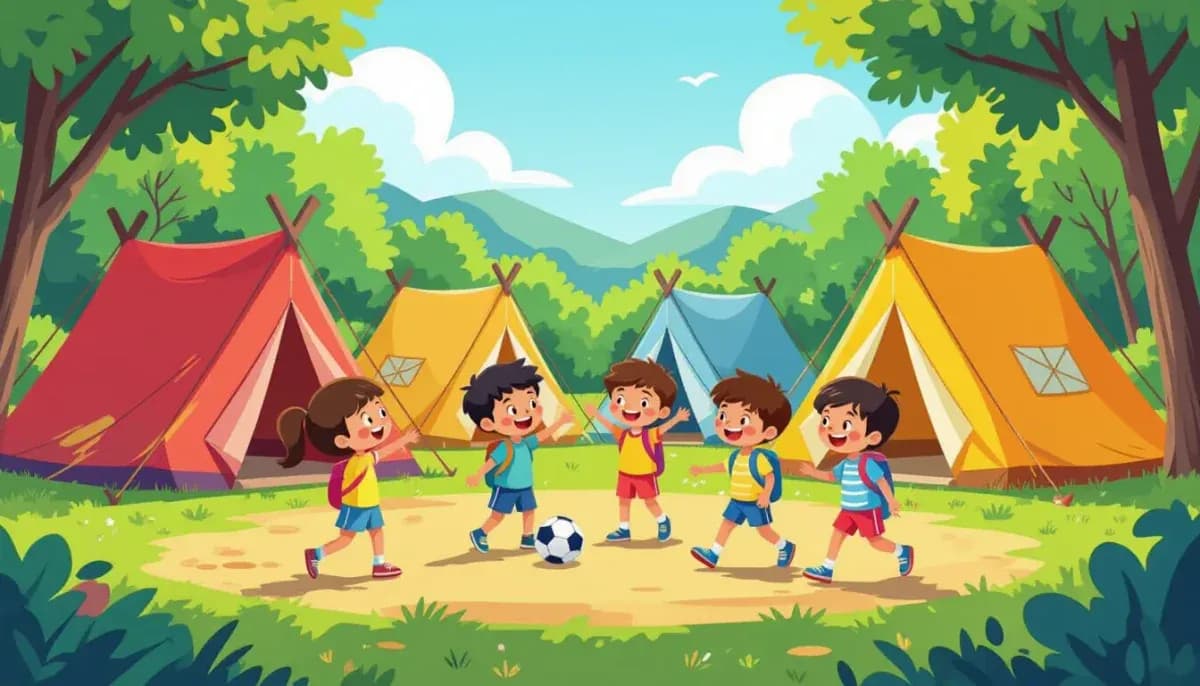
Discover the best summer camps and year-round group activities to help your children make friends in Japan. Practical guide for expat families with activity recommendations by age.
Summer Camps and Group Activities for Making Friends in Japan
Moving to Japan with children comes with a unique set of social challenges. Unlike Western countries where kids might befriend neighbors or strike up conversations at the park, Japanese society operates on a deeply structured social model. Understanding how friendship actually works here — and knowing where to look for the right activities — can make all the difference for your child's happiness and integration.
This guide covers the best summer camps, group activities, and social strategies to help your children build genuine, lasting friendships in Japan.
How Japanese Children Make Friends: The Uchi/Soto Model
Before diving into specific programs, it helps to understand the cultural framework behind Japanese friendship. Japan operates on an uchi (inside) / soto (outside) social dynamic. People are either part of your group (uchi) or they're not (soto). The transition from outsider to insider rarely happens through casual encounters — it happens through structured group membership.
For children, this means friendships are primarily formed through:
- School clubs and extracurricular activities (bukatsu)
- Sports circles (saakuru) at community centers
- Cultural activity classes such as calligraphy, martial arts, or dance
- Summer camps and multi-day outdoor programs
- Neighborhood children's associations (jidokai)
Once your child is inside a group, acceptance tends to be warm and automatic. The key is finding the right entry point. For foreign families, summer camps and international-friendly group activities offer some of the most accessible routes in.
For more context on navigating Japanese school culture and social life, see our guide on elementary school in Japan for foreign parents and mental health and emotional wellbeing for foreign children.
Summer Camps in Japan: Overview and What to Expect
Japan has a growing number of summer camps catering to a wide age range, from preschoolers to young adults. Camps vary enormously in focus — from English immersion and coding to outdoor adventure and traditional culture. Here's what foreign families need to know:
Important notes before enrolling:
- Some camps require Japanese National Health Insurance for enrollment. Confirm this in advance.
- Many English-language camps in Tokyo are primarily designed for Japanese children seeking English immersion, not the other way around. Foreign children may find these camps excellent for making Japanese friends, but it's worth verifying the social mix.
- Camps in mountain regions (Hakuba, Myoko, Niseko) tend to be more internationally diverse.
- Prices are not always published — contact camps directly for current rates.
For a broader view of educational and activity options in Japan, Living in Nihon offers helpful resources for foreigners raising children in Japan.
Top Summer Camps by Region
Japan's best summer camps are spread across the country. Here's a regional breakdown of notable programs:
| Camp Name | Ages | Location | Focus |
|---|---|---|---|
| Myoko English Explorers | 6–15 | Myoko, Niigata | Outdoor adventure + English |
| Evergreen Outdoor | 7–14 | Hakuba, Nagano | Nature, hiking, team building |
| Moiwa Leadership Bootcamp | 14–22 | Niseko, Hokkaido | Leadership, outdoor skills |
| Tokyo Coding Club | 5–12 | Tokyo | Coding, technology |
| Harajuku Kids Club | 3–12 | Tokyo | Japanese culture, crafts |
| Tokyo Kids Write | 8–15 | Tokyo | Creative writing, storytelling |
| ABC International School | 6–14 | Tokyo | Dual outdoor and on-site tracks |
| Churakids | Varies | Okinawa | Overnight cultural program |
| Moose Family Camp | All ages | Nasu, Tochigi | Family-friendly overnight |
| Tokyo International Forest School | All ages | Tokyo | Year-round nature education |
Mountain camps like Myoko English Explorers and Evergreen in Hakuba are particularly recommended for foreign children wanting to make friends. The outdoor, team-focused format naturally breaks down social barriers, and the international attendee mix means your child won't be the only non-Japanese student.
For more on balancing your child's social development with the academic pressures of school, see our article on raising bilingual children in Japan.
Group Activities Year-Round: Beyond Summer
Summer camps are valuable, but friendship-building needs to be a year-round effort. Japan offers a rich variety of group activities accessible to children of all ages and backgrounds.
Sports Circles (Saakuru)
Hobby and sports circles (サークル, saakuru) are one of the most effective social vehicles in Japan. These are informal clubs organized around a shared interest — futsal, swimming, basketball, martial arts, cycling, and more. Once your child joins a circle, they automatically become part of the "inside" group, with regular meetups and built-in social interactions.
How to find saakuru for children:
- Check community center (公民館, koumin-kan) bulletin boards
- Search the Jimoty app for local children's activity groups
- Ask at your child's school about approved extracurricular circles
- Contact your local ward office (区役所, ku-yakusho) for youth programs
Cultural Activity Classes
Structured classes in traditional Japanese arts give children a dual benefit: they learn something genuinely impressive, and they meet Japanese peers in a relaxed, low-pressure setting. Popular options include:
- Calligraphy (shodou) — widely available at community centers
- Martial arts (judo, kendo, karate) — excellent for building discipline and friendships
- Traditional dance (nihon buyou) — popular for girls
- Taiko drumming — highly social and energizing
- Ikebana (flower arranging) — calm, focused, and surprisingly social
Outdoor and Hands-On Experiences
Activity Japan offers a wide range of bookable group experiences for children, priced approximately ¥900 to ¥39,600 depending on the activity. These cover:
- Outdoor activities: kayaking, tree climbing, horse riding, zip-lining (ages 5+), sea fishing
- Handicrafts: pottery, glasswork, accessory making, art classes
- Food making: soba noodle making, wagashi (Japanese sweets), bread making, cooking classes
- Traditional culture: ninja experiences, kimono rental, calligraphy, traditional games
These one-day or half-day experiences are ideal for trying out activities before committing to a longer program, and they work well for children who haven't yet built a social network.
Strategies for Making Friends: Practical Advice
Beyond specific activities, there are some broader strategies that help foreign children (and their parents) build a social circle in Japan.
1. Use the Language Exchange Community
Apps like HelloTalk and Tandem are popular among Japanese teenagers and young adults learning English. For children 12 and up, these platforms can be a gateway to pen-pal style friendships that eventually become real-world meetups.
2. Connect Through Expat Parent Networks
Parent networks are often more important than we give them credit for. When parents are connected, children get playdates. Useful resources include:
- Meetup.com groups for expat families in major Japanese cities
- Facebook groups: "Expat Parents Tokyo", "Foreign Families Osaka", etc.
- International school parent associations, which often welcome non-enrolled families for community events
Japan Handbook's guide to making friends in Japan offers additional strategies for building social connections as a foreigner.
3. Participate in Neighborhood Events
Japanese neighborhoods (chonaikai) often organize:
- Bon Odori summer dance festivals
- Sports days (undoukai)
- Children's association (jidokai) activities
- Local matsuri (festivals) with children's games
Participating in these events, even as a newcomer, signals community commitment and creates natural opportunities for children to interact with local peers.
4. Consider International Schools as a Social Bridge
International schools in Japan serve as natural hubs for globally mobile children. Even if you've enrolled your child in a Japanese public school, attending international school community events, holiday programs, or after-school clubs can provide a social safety net while your child builds friendships in the Japanese system.
See our detailed guide on international schools in Japan for a full overview of options.
Age-by-Age Guide: Best Activities for Each Stage
Children's social needs change significantly as they grow. Here's a quick reference for matching activities to your child's age:
| Age Group | Recommended Activities | Social Goal |
|---|---|---|
| 3–6 years | Hoikuen play groups, Harajuku Kids Club, toddler music classes | Parallel play, basic interaction |
| 6–10 years | Sports circles, karate/judo, summer day camps, community events | Group belonging, shared activities |
| 10–14 years | Myoko/Evergreen outdoor camps, coding clubs, drama/arts programs | Deeper friendships, shared identity |
| 14–18 years | Moiwa Leadership Bootcamp, language exchange, school clubs | Peer relationships, independence |
For specific guidance on the early childhood stages, see our guide to toddler parenting in Japan and daycare and hoikuen for foreign parents.
Navigating Language Barriers at Social Activities
Language is often the biggest concern foreign parents have about group activities. A few reassuring realities:
- Young children are remarkably adaptable. Children under 8 often develop functional social Japanese within 6 months of regular group activity exposure, even without formal lessons.
- Physical activities transcend language. Sports, outdoor adventures, and hands-on crafts allow children to connect without needing fluent conversation.
- Camp staff at international programs typically speak both English and Japanese and actively facilitate cross-cultural friendships.
- Bilingual friends as bridges. Encourage your child to identify and connect with bilingual Japanese peers, who can serve as natural social bridges.
For more resources on language development, see our article on teaching Japanese to foreign children.
Tips for Parents: Supporting Your Child's Social Journey
Your role as a parent in Japan's social landscape is more active than it might be back home. A few practices that make a real difference:
- Show up consistently. One visit to a circle won't build friendships. Commit to at least 2–3 months of regular attendance before evaluating.
- Practice the gift-giving culture (omiyage). Small souvenirs or treats from trips, given to activity group leaders or new friends' parents, signal respect and warmth.
- Learn basic social Japanese yourself. Simple greetings and small talk with other parents at pickup create the network through which children's friendships grow.
- Resist the urge to over-schedule. One or two high-quality, consistent activities beat five scattered programs. Depth of connection matters more than breadth.
For additional guidance on navigating family life as a foreigner in Japan, For Work in Japan provides resources for foreign residents on community integration and family support networks.
Conclusion
Japan's structured social environment can feel daunting for foreign children at first, but it also means that once they're inside a group, friendships tend to be genuine and lasting. Summer camps — especially outdoor programs in mountain regions — provide one of the best entry points for international children to connect with Japanese peers on neutral, activity-focused ground.
Year-round group activities like sports circles, cultural classes, and community events sustain those friendships and deepen your child's sense of belonging. The key is finding the right fit, showing up consistently, and trusting the process.
For more support on raising children in Japan, explore our complete guide to the Japanese education system for foreign families and raising bilingual children in Japan.
If your child is also preparing for Japanese academic milestones, Chuukou Benkyou offers study and exam preparation resources relevant to the Japanese school system. Additionally, for a curated list of summer camp options, The Tokyo Chapter's summer camps guide provides regularly updated information on Tokyo-area programs.

Originally from Vietnam, living in Japan for 16+ years. Graduated from Nagoya University, with 11 years of professional experience at Japanese and international companies. Sharing practical information for foreign parents raising children in Japan.
View Profile →Related Articles
Sibling Relationships in Multicultural Families
A practical guide to sibling dynamics in multicultural families in Japan. Learn how to strengthen bonds, navigate cultural differences, and support your children's identity development.
Read more →
Building Social Confidence in Your Child
Practical strategies for foreign parents raising socially confident children in Japan. Covers Japanese parenting philosophy, research-backed techniques, community resources, and expat-specific challenges.
Read more →
Online Friendships and Safety for Children in Japan
A complete guide to online friendships and internet safety for children in Japan. Learn about Japanese platforms, legal protections, school guidelines, and how to keep your child safe online as a foreign family in Japan.
Read more →
Maintaining Friendships After Moving Within Japan
Learn how to maintain friendships after moving within Japan. Essential tips on LINE, communication strategies, rebuilding your social circle, and navigating Japan's unique social culture as an expat.
Read more →
Shy and Introverted Children in Social Japan
How to support shy and introverted children in Japan's conformity-driven social culture. Practical strategies for foreign parents on school, activities, and mental health resources.
Read more →
Managing Friendship Conflicts Across Cultures
Guide for foreigners in Japan on managing cross-cultural friendship conflicts. Learn about uchi-soto, indirect communication, and practical strategies for children and adults.
Read more →