
Shy and Introverted Children in Social Japan

How to support shy and introverted children in Japan's conformity-driven social culture. Practical strategies for foreign parents on school, activities, and mental health resources.
Shy and Introverted Children in Social Japan: A Guide for Foreign Parents
If your child is naturally shy or introverted, Japan can feel like a uniquely challenging environment. On the surface, Japan appears to be an introverted-friendly nation — quiet train rides, orderly queues, reserved public behavior, and a culture that values silence and thoughtfulness. Yet underneath this calm exterior lies intense social pressure: group conformity is paramount, standing out is discouraged, and children who struggle to fit in socially can find themselves isolated or targeted. For foreign parents raising shy or introverted children in Japan, understanding this paradox is the first step toward helping your child thrive.
This guide explores what shy and introverted children face in Japan's social landscape, why Japanese social culture can amplify these challenges, and what practical strategies you can use to support your child's emotional and social development.
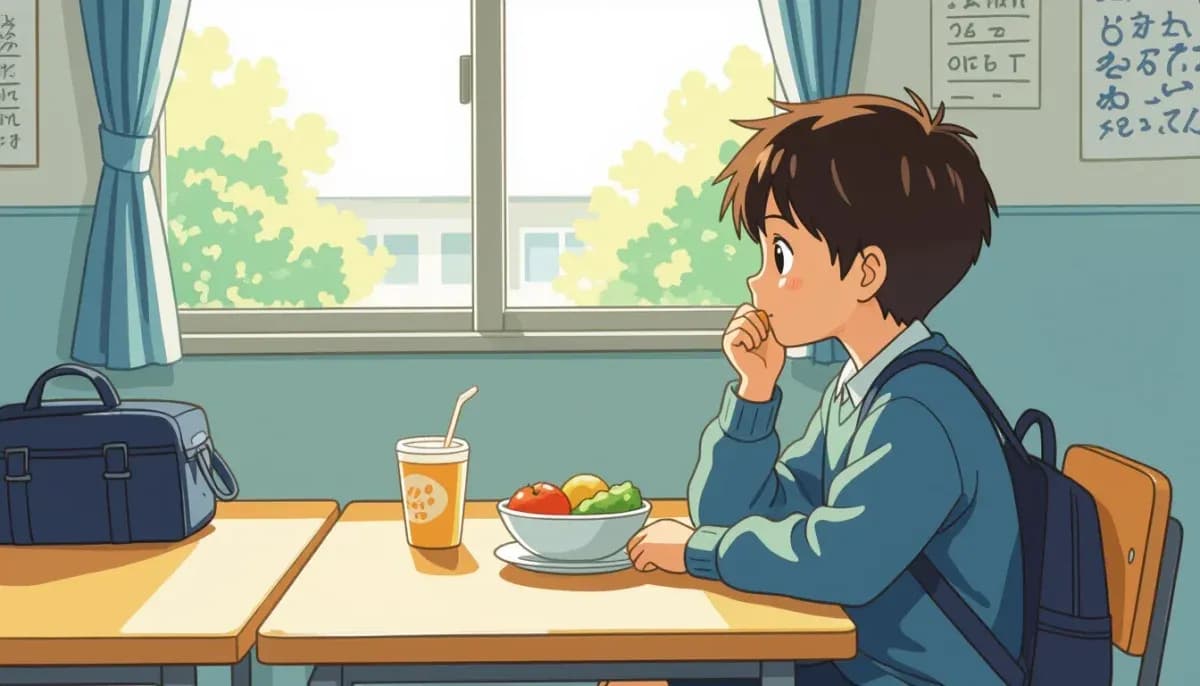
!Shy child sitting alone in a Japanese classroom looking out the window thoughtfully
Understanding the Difference: Shyness vs. Introversion in Japan's Context
Before diving into strategies, it helps to distinguish between shyness and introversion — two traits that are often confused but are fundamentally different:
| Trait | Definition | In Japan's Context |
|---|---|---|
| Shyness | Fear or anxiety in social situations | May lead to avoidance of group activities, difficulty speaking up in class |
| Introversion | Preference for solitary or small-group interaction over large social gatherings | Often compatible with Japanese social norms, but may conflict with school club culture |
| Social anxiety | Clinical-level fear of judgment or embarrassment | Can develop or worsen under Japan's conformity pressure |
| Hikikomori tendency | Severe withdrawal from social life | A recognized phenomenon in Japan affecting ~1 million people |
Shyness and introversion are not personality defects — they are traits with real strengths, including deep focus, empathy, careful observation, and thoughtfulness. However, in Japan's school culture, where group participation, committee roles, and vocal class participation are expected, these children can feel at a disadvantage.
According to UNICEF and OECD data, Japan ranks 1st in physical health among 38 wealthy nations for children — yet falls to 37th in mental well-being. Only 62% of Japanese children aged 15 rated their life satisfaction at 6 out of 10 or higher, compared to 90% in the Netherlands. For shy or introverted children, these pressures are compounded significantly.
Why Japan's Social Environment Can Be Especially Hard for Shy Children
Japan's cultural emphasis on group harmony — known as wa (和) — shapes every aspect of social life from early childhood. The famous phrase "deru kui wa utareru" (出る杭は打たれる), or "the nail that sticks up gets hammered down," is more than a proverb — it's a lived social reality that children encounter daily.
Group Conformity Starts Young
From kindergarten (yochien), children are placed in han (班) — small group units — for eating, cleaning, and activities. Being part of the group is not optional; it's structural. A shy child who struggles to engage in these group dynamics may be seen as uncooperative or difficult rather than simply reserved.
Speaking Up Is Expected
Despite the stereotype of Japan as a quiet culture, Japanese school classrooms require significant verbal participation: reciting answers aloud, class presentations, group debates, and committee roles in student government. Shy children — especially those still learning Japanese — can find this deeply stressful.
Bullying Rates Are Significant
Bullying (ijime) is a serious issue in Japanese schools. According to Japanese government data, over 600,000 cases of bullying were reported in 2022 — a record high. Shy and introverted children, particularly those who are visibly "different" (foreign appearance, limited Japanese, unusual interests), are at heightened risk. See our detailed guide on Bullying (Ijime) in Japanese Schools: Prevention and Response for strategies specific to this challenge.
Mental Health Stigma Compounds the Problem
Japan's cultural view of mental illness as a "sign of weakness" creates an additional barrier. Shy or anxious children rarely receive encouragement to seek help, and parents — especially foreign parents unfamiliar with the Japanese support system — may not know where to turn. Learn more about available resources in our guide on Mental Health and Emotional Wellbeing for Foreign Children in Japan.
The Hikikomori Phenomenon: Understanding Extreme Social Withdrawal
One uniquely Japanese social phenomenon that parents of shy children should be aware of is hikikomori (引きこもり) — severe social withdrawal where individuals (usually young people) confine themselves to their homes for months or years.
Japan's Ministry of Health estimates that approximately 1.46 million people in Japan are currently experiencing hikikomori, with approximately 500,000 being youth. The phenomenon is multifactorial:
- Individual factors: Introversion, anxiety, sensitivity to shame
- Familial factors: Overprotective parenting, lack of external peer experience
- Societal factors: Academic pressure, employment anxiety, failure to fit in socially
Hikikomori is not an inevitable outcome for shy or introverted children. Understanding the risk factors — and building resilience, social skills, and self-confidence — dramatically reduces that risk. The goal is not to "fix" introversion but to equip children with the tools to navigate social environments on their own terms.
For more on this topic, see the Wikipedia overview of hikikomori and the research published in Scientific Reports on social rigidity and loneliness in Japan.
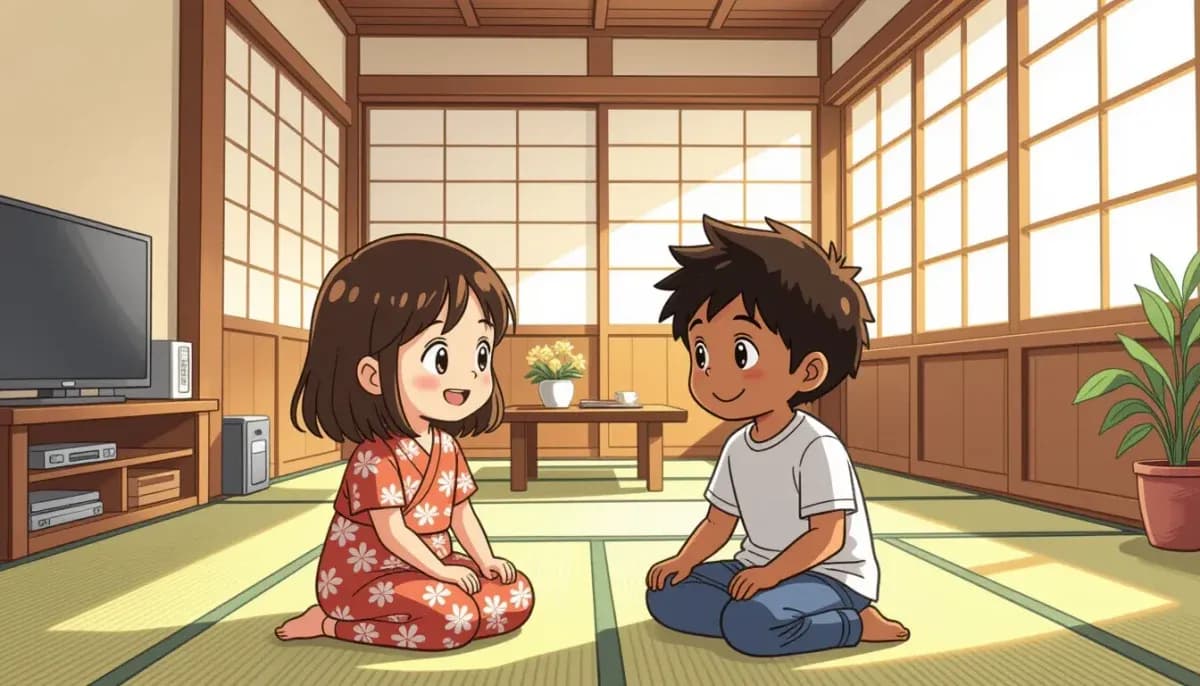
!Parent and introverted child having a conversation at home in Japan, warm and supportive atmosphere
Practical Strategies: Supporting Your Shy Child in Japan
1. Choose the Right School Environment
The type of school environment makes a significant difference for shy children:
- International schools: Smaller class sizes, more individualized attention, and a broader acceptance of different personality types. Less pressure for absolute group conformity. However, they can also be expensive and create a social bubble.
- Local public schools: Faster Japanese language acquisition and deeper cultural integration, but higher conformity pressure. Some shy children actually flourish because the rules are clear and consistent.
- Private Japanese schools: Often have stronger pastoral care programs and smaller class sizes than public schools.
When evaluating schools, ask specifically how they handle shy students, what their approach is to group activities, and whether they have school counselors (sukūru kaunserā).
See our full Elementary School in Japan: A Complete Guide for Foreign Parents for more detail on school selection.
2. Build Social Skills Through Structured Activities
For introverted children, unstructured social time (playground, free recess) is often the hardest. Structured activities with clear rules and defined roles are far more manageable. Consider:
- Martial arts (judo, kendo, karate): Structured, respect-focused, and popular. Performance is individual even within a group setting.
- Swimming clubs: Individual performance, clear goals, minimal open-ended social interaction.
- Art or music classes: Small groups, focused on creation rather than conversation.
- Library clubs (*toshobu*): A socially acceptable way for bookish introverted children to participate in school club culture.
- Science clubs: Attract similar personality types; collaboration is task-focused.
After-school activities are a crucial bridge for shy children. Read our guide on After-School Activities, Juku, and Extracurriculars in Japan for a full breakdown of options.
3. Manage the Language Barrier Strategically
For foreign children, shyness and language barriers interact in ways that can significantly amplify social anxiety. A child who is naturally talkative in their home language becomes effectively mute in Japanese school — and this silence can be misread as rudeness or aloofness.
Strategies:
- Start Japanese lessons before arriving in Japan — even basic phrases dramatically reduce first-day anxiety
- Use picture books and manga as low-pressure ways to build Japanese vocabulary at home
- Pair language learning with interests — a child who loves dinosaurs can learn Japanese through dinosaur content
- Connect with a local Japanese child as a language partner before school starts, through community groups or neighborhood introductions
See our guide on Teaching Japanese to Foreign Children: Methods and Resources for age-appropriate approaches.
4. Maintain a Safe Home Base
For introverted children who expend significant energy navigating social environments, home needs to be a genuine refuge — a place where they can recharge without social demands. Japanese apartments are often small, making quiet private space a challenge, but it's worth prioritizing:
- A dedicated space (even a reading nook or desk area) that is "theirs"
- Low-pressure family time that doesn't require performance or social effort
- Regular debriefs about school where the child leads (not interrogation-style questions)
- Validation that introversion is a strength, not a problem to be solved
5. Connect with the Expat Community
Foreign parents of shy children benefit enormously from peer support. Connect with expat communities through:
- Facebook groups: "Your Japan," "Hidden Gems in Japan," "Expat Families in Tokyo/Osaka"
- International Parent-Teacher groups: Many international schools have active parent networks
- CLAIR (Council of Local Authorities for International Relations): Provides English-language support for foreign residents navigating daily life challenges
For a comprehensive look at building support structures in Japan, see our guide on Community and Support Networks for Foreign Families in Japan.
For additional perspectives on raising children as an expat in Japan, Tokyo Weekender's guide to raising children in Japan and Japan Dev's resource for international families offer valuable first-hand insights.
When to Seek Professional Support
Not all shyness or social withdrawal requires intervention. But there are warning signs that suggest it's time to seek professional help:
| Warning Sign | Action |
|---|---|
| Refusal to go to school for more than 2 consecutive weeks | Contact school counselor and pediatrician |
| Complete withdrawal from all social activities including family | Seek mental health evaluation |
| Physical complaints (stomachaches, headaches) every school morning | Rule out bullying; consult school and doctor |
| Significant weight loss or sleep disruption | Medical evaluation urgent |
| Expressions of hopelessness or worthlessness | Immediate mental health consultation |
| Extreme distress when forced into social situations | Evaluate for social anxiety disorder |
In Japan, school counselors (sukūru kaunserā) are available at most schools and can provide a first point of contact. For more intensive support:
- Child and Adolescent Psychiatry clinics (児童精神科) are available in major cities
- TELL Japan (Tokyo English Life Line) offers English-language counseling: tell.life
- AMDA International Medical Information Center: Provides multilingual medical referrals
Japan's child medical care is free until age 15, which removes one significant barrier to seeking professional support. Don't hesitate to use it.
Learn more about navigating Japan's healthcare system in our guide on Healthcare and Medical Care for Children in Japan.
The Flip Side: How Japan Can Actually Help Introverted Children
Japan's social environment is not uniformly hostile to introverted children. In many ways, it offers genuine advantages:
- Solo activities are normalized: Eating alone, browsing a bookstore alone, walking alone — none of these carry the social stigma they might in more extroverted cultures.
- Quiet is respected: Libraries, parks, and public spaces are genuinely quiet. Introverted children who find noise overwhelming often appreciate Japan's quieter public culture.
- Rules reduce uncertainty: Japan's highly structured social rules (bowing, set greetings, defined procedures) reduce the unpredictability that anxious children find stressful. When you know exactly what to say and do, social situations feel safer.
- Deep focus is valued: Japan's culture prizes craftsmanship (shokunin spirit), careful work, and mastery — traits that introverted, focused children often embody.
- Reading and anime culture: Japan's rich manga, anime, and library culture provides abundant solitary activities that are socially valued rather than stigmatized.
As Have Ya Seen Japan notes in their analysis of Japan's introvert-friendly society, Japan's public culture makes it easier for introverted people to function without constant social friction — even if the conformity pressure beneath the surface is real.
Resources for Foreign Parents of Shy or Introverted Children in Japan
| Resource | What It Offers |
|---|---|
| Living in Nihon - Education Fund Planning | Financial planning for raising children in Japan, including schooling costs |
| For Work in Japan - Social Groups Guide | Finding social clubs and hobby groups to help children build connections |
| Chuukou Benkyou - Returnee Student Pathways | Academic pathways for foreign children entering Japanese secondary schools |
| Raising Little Travellers | First-hand expat parenting perspectives on raising children in Japan |
| Humanium - Japan Youth Mental Health | Research on Japan's youth mental health crisis |
| TELL Japan (tell.life) | English-language counseling services in Japan |
Conclusion
Raising a shy or introverted child in social Japan is genuinely challenging — but it's also an opportunity. Japan's unique combination of surface-level introvert-friendliness and deep conformity pressure creates a nuanced environment that, with the right support, can help introverted children develop resilience, cultural intelligence, and social flexibility they might never have gained elsewhere.
The key is to work with your child's temperament rather than against it. Provide structured social opportunities, maintain a safe home base, monitor for warning signs of distress, and connect with both professional support and the expat community. And remember: many of the qualities that make a child seem "too quiet" in Japan's group-focused classrooms — thoughtfulness, careful observation, deep focus — are exactly the qualities that lead to extraordinary achievement in adult life.
For a comprehensive look at supporting your child's social development in Japan, visit our guide on Making Friends and Developing Social Skills in Japan and Understanding Japanese Parenting Culture as a Foreign Parent.

Originally from Vietnam, living in Japan for 16+ years. Graduated from Nagoya University, with 11 years of professional experience at Japanese and international companies. Sharing practical information for foreign parents raising children in Japan.
View Profile →Related Articles
Sibling Relationships in Multicultural Families
A practical guide to sibling dynamics in multicultural families in Japan. Learn how to strengthen bonds, navigate cultural differences, and support your children's identity development.
Read more →
Building Social Confidence in Your Child
Practical strategies for foreign parents raising socially confident children in Japan. Covers Japanese parenting philosophy, research-backed techniques, community resources, and expat-specific challenges.
Read more →
Summer Camps and Group Activities for Making Friends
Discover the best summer camps and year-round group activities to help your children make friends in Japan. Practical guide for expat families with activity recommendations by age.
Read more →
Online Friendships and Safety for Children in Japan
A complete guide to online friendships and internet safety for children in Japan. Learn about Japanese platforms, legal protections, school guidelines, and how to keep your child safe online as a foreign family in Japan.
Read more →
Maintaining Friendships After Moving Within Japan
Learn how to maintain friendships after moving within Japan. Essential tips on LINE, communication strategies, rebuilding your social circle, and navigating Japan's unique social culture as an expat.
Read more →
Managing Friendship Conflicts Across Cultures
Guide for foreigners in Japan on managing cross-cultural friendship conflicts. Learn about uchi-soto, indirect communication, and practical strategies for children and adults.
Read more →