
Sibling Relationships in Multicultural Families

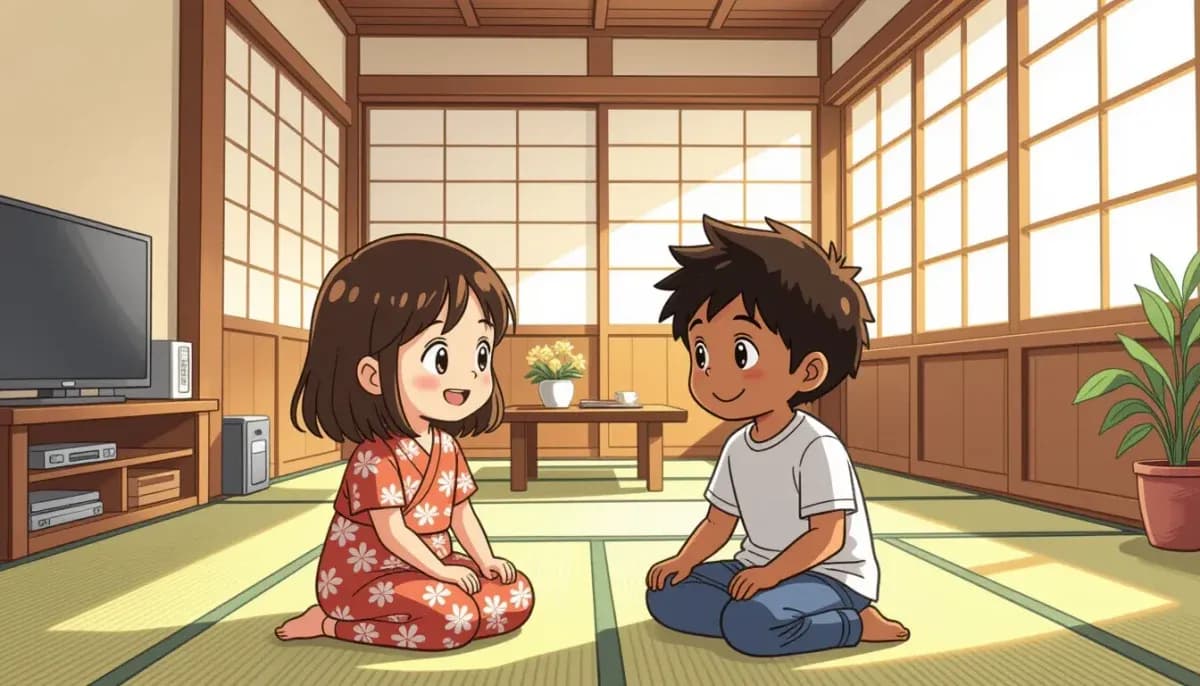
A practical guide to sibling dynamics in multicultural families in Japan. Learn how to strengthen bonds, navigate cultural differences, and support your children's identity development.
Sibling Relationships in Multicultural Families in Japan
Growing up in a multicultural family in Japan is a uniquely rich — and uniquely complex — experience. When siblings share a household that blends Japanese culture with one or more foreign heritages, they navigate a world that most of their peers never encounter. They switch languages at dinner, celebrate two sets of holidays, and often serve as cultural bridges not just between their parents, but between their home life and the outside world.
For parents raising children in this environment, understanding how sibling relationships develop — and how to strengthen them — is one of the most meaningful investments you can make. This guide explores the dynamics of sibling bonds in multicultural families in Japan, the challenges that commonly arise, and practical strategies to help your children build relationships that last a lifetime.
How Multicultural Family Life Shapes Sibling Dynamics
Siblings in multicultural families in Japan share an experience that is simultaneously isolating and deeply bonding. On the one hand, they are each other's closest allies in navigating a world that doesn't always reflect their full identity. On the other hand, they may experience their family's cultures in very different ways depending on their age, birth order, personality, and the school environment they grew up in.
Research from a large-scale Japanese study (the A-CHILD Study, which surveyed 8,082 parents in Tokyo between 2018 and 2019) found that children with one or two siblings had the highest social support scores in adulthood. Having two siblings was associated with a +0.46 point increase in social support compared to being an only child. Adults from larger sibling groups were also more likely to turn to siblings and extended family rather than parents for support — a pattern that highlights the long-term value of strong sibling bonds.
In multicultural households, these bonds are shaped by some distinctive forces:
- Shared identity experiences: Siblings are often the only people in each other's lives who truly understand what it feels like to be "hafu" (half-Japanese), to celebrate both Obon and Christmas, or to feel caught between two languages.
- Language dynamics: When one parent speaks Japanese and the other speaks a different language at home, siblings often become each other's most natural language partners.
- Cultural role modeling: Older siblings in multicultural families frequently serve as cultural interpreters, helping younger siblings navigate Japanese school systems, social norms, and peer expectations.
For more on raising children with a strong cultural identity, see our guide on Cultural Identity for Hafu and Mixed-Race Children in Japan.
Birth Order and Cultural Expectations in Japan
Japan's cultural framework places significant expectations on birth order — particularly on eldest children. In Confucian-influenced societies (which include Japan), the oldest child traditionally bears special responsibilities: caring for younger siblings, acting as a role model, and in immigrant families, often serving as a language broker between parents who are still learning Japanese and the outside world.
Research comparing sibling relationships across Confucian-heritage Asian families and Western families found that first-born children in immigrant families face a unique dual burden: managing caregiving responsibilities for younger siblings while also translating and interpreting for parents. This can create stress, but it also builds remarkable competence, empathy, and leadership skills.
Understanding these dynamics helps parents manage expectations fairly. Some key considerations:
- Avoid over-relying on the eldest child as a Japanese interpreter or cultural guide for the family — this places an unfair burden on one child.
- Acknowledge the eldest child's extra responsibilities without letting younger children feel they have fewer contributions to make.
- Recognize that younger siblings in multicultural families often find it easier to navigate Japanese social norms because the older sibling has already "blazed the trail."
| Birth Order | Common Experiences in Multicultural Families |
|---|---|
| Eldest child | Language broker for parents, cultural pioneer, higher pressure to conform in Japan |
| Middle child | Benefits from eldest's experience, may identify more with one culture |
| Youngest child | Often most integrated into Japanese peer culture; older siblings as guides |
| Only child | No sibling buffer; full responsibility of bridging cultures falls to them alone |
If you are navigating the bilingual dimension of your family's life, our article on Raising Bilingual Children in Japan: Strategies and Tips offers in-depth guidance.
Common Challenges in Multicultural Sibling Relationships
Even in the most loving families, sibling relationships have friction points. In multicultural families in Japan, some of these friction points have a distinctly cross-cultural dimension.
Cultural Favoritism and Identity Imbalance
One of the most damaging dynamics in any multicultural household is when one child's cultural heritage is celebrated while another child's is minimized — or when siblings are raised to identify more strongly with one parent's culture than the other's. This can create resentment and a sense of inequality.
For example, if Japanese New Year (Oshogatsu) is celebrated with elaborate family rituals while the non-Japanese parent's cultural holidays receive only passing acknowledgment, some children may feel their heritage is less valued. The solution is intentional balance: make space for both (or all) cultural traditions, and let each child feel equally represented.
Language Gaps Between Siblings
Children who are closer in age may develop very similar language abilities. But siblings with a larger age gap may end up with noticeably different dominant languages — one more fluent in Japanese from school immersion, another stronger in the heritage language from early home exposure. This can create communication barriers and a sense of distance.
Practical strategies include:
- Establishing clear "language times" at home (e.g., heritage language at dinner, Japanese allowed at other times)
- Encouraging siblings to teach each other words and phrases in their stronger language
- Celebrating bilingualism as a shared family superpower rather than a source of division
For more on this, see our guide on Heritage Language Maintenance for Children in Japan.
Fixed Roles and Stereotyping
Families — consciously or not — often assign fixed roles to children: "the studious one," "the social one," "the one who handles the Japanese bureaucracy." While convenient, these labels can box children in and create unhealthy competition or resentment. In multicultural families, these roles can intersect with cultural stereotyping in ways that are particularly harmful.
Research in adoption and multicultural family contexts consistently shows that avoiding fixed role assignments — and instead celebrating each child's unique and evolving strengths — leads to healthier sibling relationships over time.
Practical Strategies for Building Strong Sibling Bonds
Strong sibling relationships don't happen by accident. They are built through consistent, intentional parenting — and in multicultural families in Japan, the effort is well worth it.
Celebrate Individuality, Not Competition
Each child in a multicultural family brings a unique combination of cultural inheritances, personality traits, and interests. Make space for each child to pursue their own passions without comparison to siblings. Individual one-on-one time with each parent, separate from the group, helps each child feel seen as an individual rather than just "one of the kids."
Create Shared Family Rituals That Belong to Everyone
The most powerful antidote to cultural division within a family is a set of shared rituals that belong to the family as a whole — not inherited from one parent's culture, but created together. This could be a weekly family game night, a monthly cooking project where siblings collaborate on a dish from one of the family's cultures, or an annual "family culture day" where each member chooses one tradition to share.
Use Conflict as a Teaching Opportunity
Sibling conflict is normal and even healthy — it is how children learn negotiation, empathy, and repair. In multicultural families, conflict sometimes has a cultural dimension (disagreements about what is "normal" behavior, for example). Use these moments to explore differences with curiosity rather than judgment: "In our Japanese culture, we do it this way; in our other culture, we do it that way — what do you think makes sense for our family?"
Seek Community Support When Needed
Parenting in a multicultural household in Japan can feel isolating. Online communities like Tokyo Mothers Group on Facebook, and expat family networks in major Japanese cities, offer peer-to-peer support. Professional family therapists who specialize in multicultural dynamics can also provide valuable guidance when sibling conflict feels stuck.
For practical guidance on expat family life in Japan, Living in Nihon covers a wide range of topics for foreign residents navigating life in Japan. For Work in Japan is also a valuable resource for foreign families managing careers and family life simultaneously. For families focused on Japanese academic preparation, Chuukou Benkyou offers resources on the Japanese middle and high school exam landscape.
Multicultural Siblings and Mental Health
The mental health dimension of growing up in a multicultural family in Japan deserves explicit attention. Research consistently shows that children who feel caught between two cultures — belonging fully to neither — are at higher risk for identity confusion, anxiety, and social withdrawal. Siblings can be either a protective factor or an additional source of stress.
When siblings support each other's identity exploration — validating each other's mixed feelings about belonging, showing pride in each other's bilingual abilities, defending each other in social contexts where "hafu" identity attracts unwanted attention — they provide a buffer that no parent can fully replicate.
Key ways parents can support multicultural siblings' mental health:
- Normalize mixed feelings about identity ("It's okay to feel Japanese at school and foreign at home — many people feel this way")
- Encourage siblings to talk openly with each other about their experiences
- Watch for signs that one sibling is struggling more than the others and address it without creating a sense of being "the problem child"
- Consider family therapy if cultural identity conflicts are creating significant distress
For more on this topic, see our comprehensive guide on Mental Health and Emotional Wellbeing for Foreign Children in Japan.
School Life and Sibling Support in Japan
Japanese schools can be challenging environments for children from multicultural families — not because Japanese schools are unwelcoming, but because the social norms, unspoken expectations, and academic demands are significant even for native Japanese students. For children navigating these systems with one foot in another culture, having a sibling who has been through the same school is an invaluable resource.
Older siblings can:
- Explain the unwritten rules of Japanese school culture (how to address teachers, club culture, the importance of group harmony)
- Provide emotional support during stressful periods like entrance exams and club activity selections
- Help younger siblings practice Japanese for school contexts while the younger sibling helps them maintain heritage language fluency
This mutual support is one of the most meaningful gifts siblings in multicultural families in Japan give each other.
For a detailed overview of the Japanese education system from a foreign family perspective, see The Complete Guide to the Japanese Education System for Foreign Families, and for specifics about elementary school, our Elementary School in Japan: A Complete Guide for Foreign Parents is a comprehensive resource.
For academic research on multicultural family dynamics, this study on multicultural backgrounds and family dynamics and research on sibling relationships in Confucian-heritage families offer valuable perspectives. The A-CHILD Study findings on siblings and social capital in Japan provide important data on long-term outcomes.
Conclusion: Your Family's Story Is Its Own Culture
Raising children in a multicultural family in Japan means your family has something most families don't: a living, breathing intersection of worlds. The sibling relationships your children build in this environment have the potential to be among the most profound and enduring bonds of their lives — rooted in a shared experience that is uniquely theirs.
The work of building those bonds — through fairness, intentional celebration of all cultures, honest communication, and genuine curiosity about each child's inner world — is some of the most meaningful parenting you will do. And the reward is children who grow into adults with an unusually rich understanding of identity, belonging, and the beautiful complexity of being human.
For additional support in navigating multicultural family life in Japan, explore our guides on Toddler Parenting in Japan, Baby and Infant Care in Japan, and Pregnancy and Giving Birth in Japan as a Foreign Parent.

Originally from Vietnam, living in Japan for 16+ years. Graduated from Nagoya University, with 11 years of professional experience at Japanese and international companies. Sharing practical information for foreign parents raising children in Japan.
View Profile →Related Articles
Building Social Confidence in Your Child
Practical strategies for foreign parents raising socially confident children in Japan. Covers Japanese parenting philosophy, research-backed techniques, community resources, and expat-specific challenges.
Read more →
Summer Camps and Group Activities for Making Friends
Discover the best summer camps and year-round group activities to help your children make friends in Japan. Practical guide for expat families with activity recommendations by age.
Read more →
Online Friendships and Safety for Children in Japan
A complete guide to online friendships and internet safety for children in Japan. Learn about Japanese platforms, legal protections, school guidelines, and how to keep your child safe online as a foreign family in Japan.
Read more →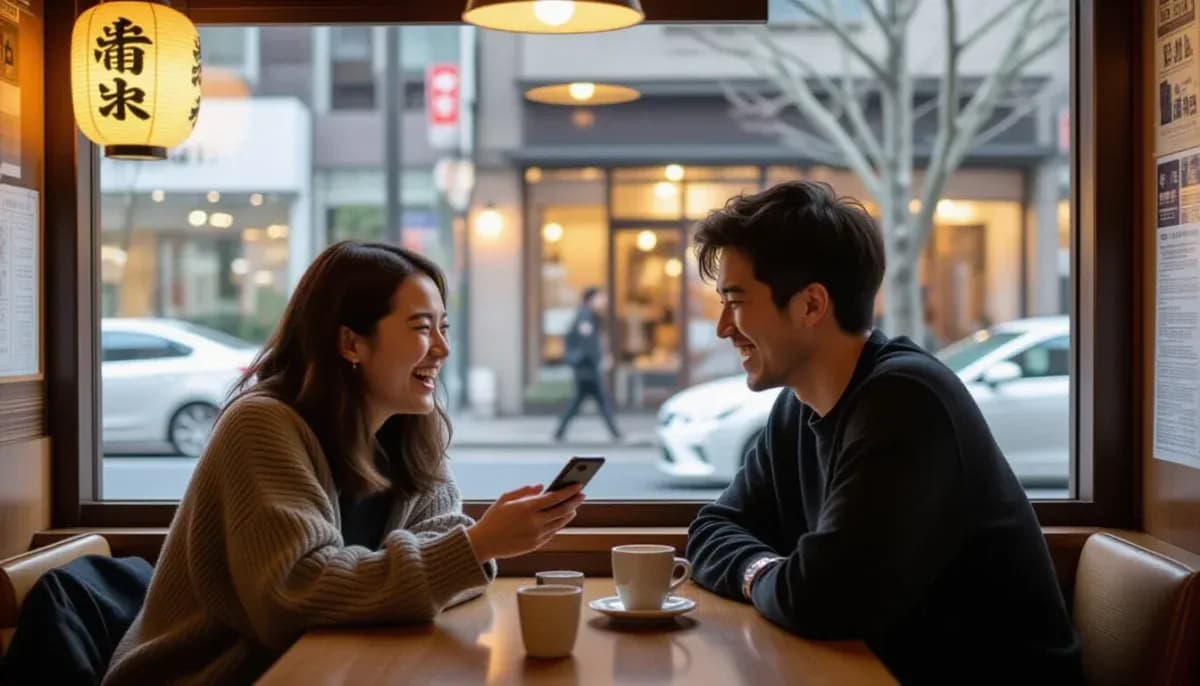
Maintaining Friendships After Moving Within Japan
Learn how to maintain friendships after moving within Japan. Essential tips on LINE, communication strategies, rebuilding your social circle, and navigating Japan's unique social culture as an expat.
Read more →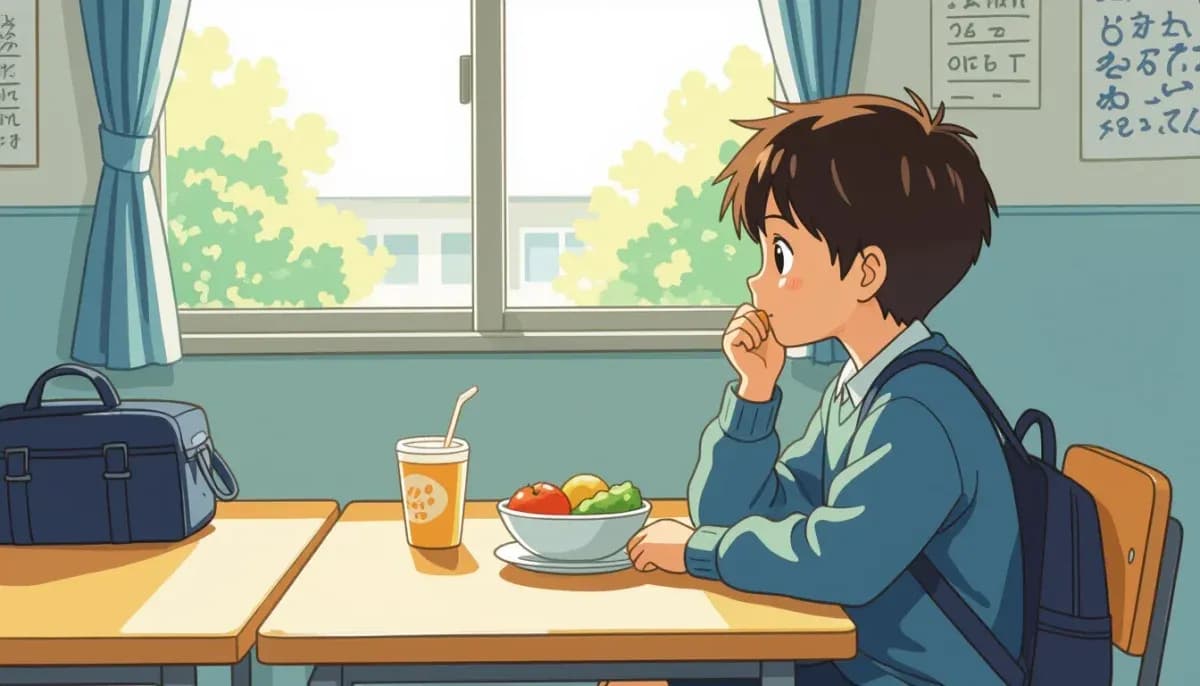
Shy and Introverted Children in Social Japan
How to support shy and introverted children in Japan's conformity-driven social culture. Practical strategies for foreign parents on school, activities, and mental health resources.
Read more →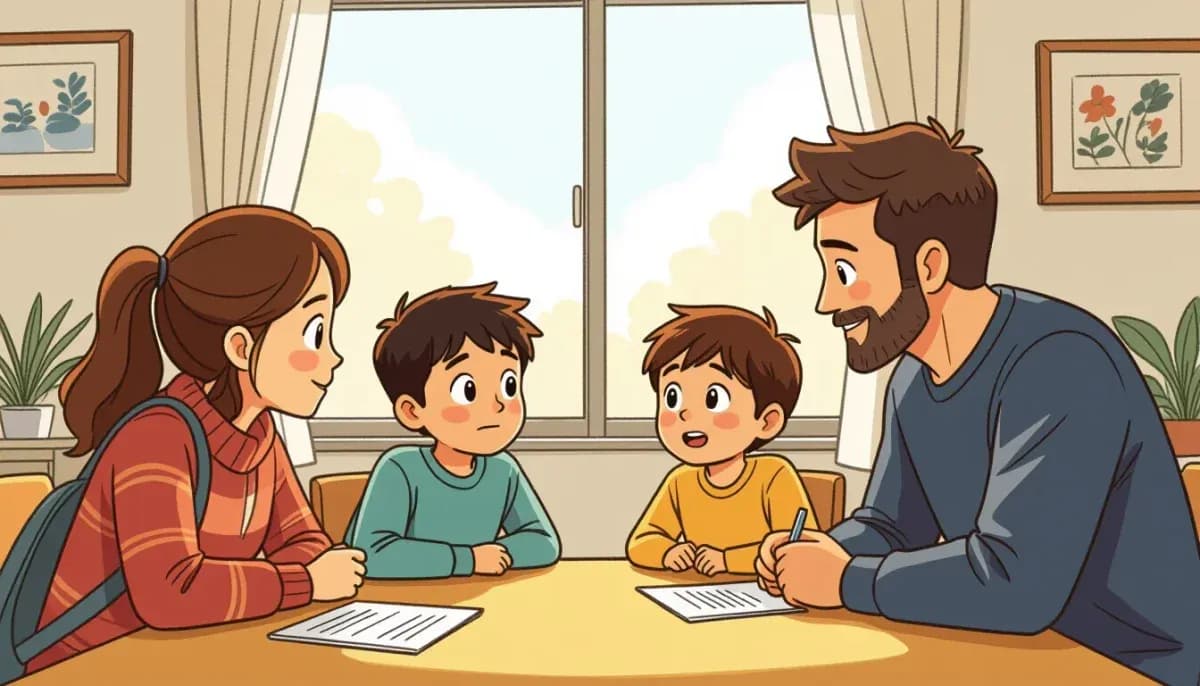
Managing Friendship Conflicts Across Cultures
Guide for foreigners in Japan on managing cross-cultural friendship conflicts. Learn about uchi-soto, indirect communication, and practical strategies for children and adults.
Read more →