
Soccer Clubs and Programs for Kids in Japan

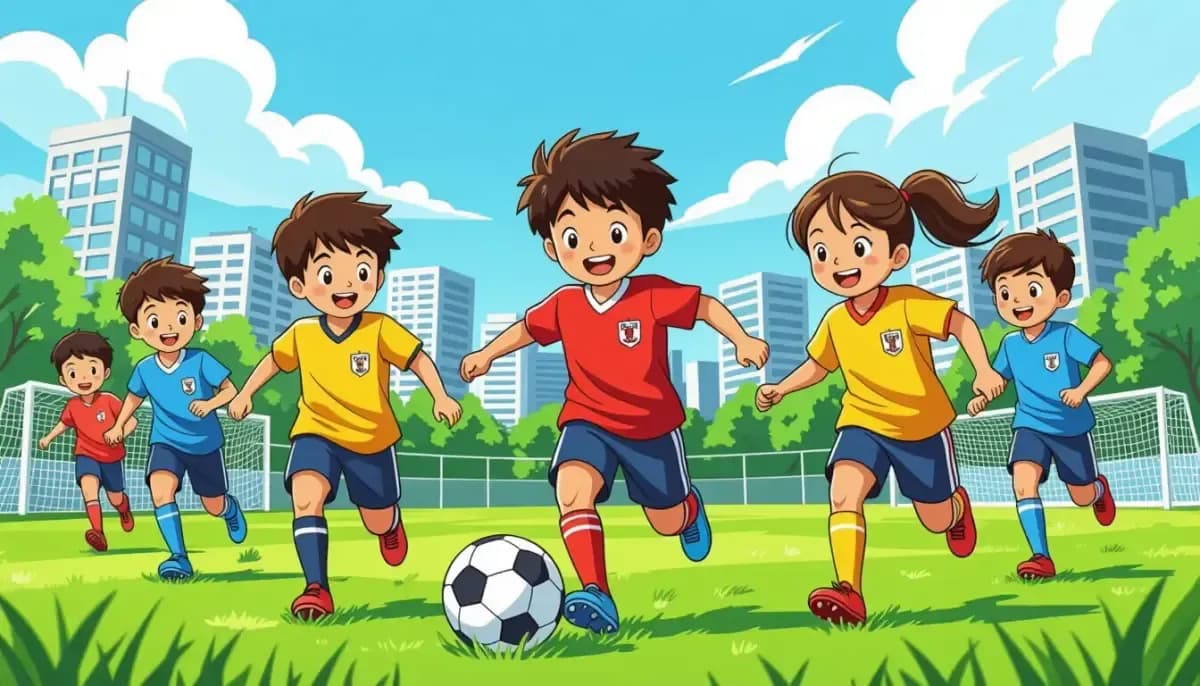
Find the best soccer clubs and programs for children in Japan, from English-language academies to community teams. Complete guide for expat families including costs, cultural tips, and how to enroll.
Soccer Clubs and Programs for Kids in Japan: A Complete Guide for Expat Families
Japan is one of the world's great football nations, and the youth soccer scene is vibrant, competitive, and surprisingly accessible for foreign families. Whether your child is kicking a ball for the first time or has years of experience from back home, Japan offers a rich variety of soccer clubs and programs for kids at every level — from casual neighborhood teams to elite development academies.
This guide covers everything expat parents need to know about enrolling their children in soccer programs in Japan, including what types of clubs exist, how much they cost, what to expect culturally, and which programs offer English-language support.
Types of Soccer Clubs and Programs Available for Kids
Japan has a well-developed youth soccer ecosystem with distinct types of programs catering to different goals and age groups.
Community Neighborhood Teams (地域チーム / Chiiki Chiimu) These are grassroots clubs run by local parent and volunteer organizations, usually affiliated with a school district or community center. They are the most affordable option and focus on fun and development rather than competition. Costs typically run around ¥2,000 per month. The downside is that parents are often expected to participate actively — helping manage equipment, coordinate travel, and sometimes even help coach.
Private Soccer Schools (サッカースクール / Sakkā Sukūru) Private academies run by professional coaches or retired players offer more structured technical training. These programs typically cost ¥5,000–¥8,000 per month and operate independently of the school system. They are a good option for families who want quality coaching without the heavy parent-volunteer commitment of community clubs.
School Clubs (部活 / Bukatsu) Japanese schools have strong after-school club cultures, and soccer clubs (サッカー部) are among the most popular at both elementary and junior high level. Bukatsu is typically free or very low-cost, but participation is limited to enrolled students and enrollment usually only happens at the start of the April school year.
International and English-Language Programs For expat families who need English-language support, several dedicated programs are available, particularly in major cities like Tokyo, Yokohama, and Osaka. These programs are designed with international children in mind and offer a welcoming, multilingual environment.
English-Language Soccer Programs for Expat Kids
If your child is not yet confident in Japanese, these English-friendly options offer a great entry point into youth soccer in Japan.
British Football Academy (BFA) The most widely cited English-language soccer program for expat families in Japan. BFA accepts children aged 3–15 and runs sessions conducted entirely in English by British coaching staff. The academy operates at six sites across central Tokyo and Yokohama, with competitive training available for ages 13–15. Unlike Japanese school clubs, BFA allows enrollment at any point during the year, making it ideal for families who move to Japan mid-year. Holiday soccer camps are also offered. Visit www.bfat.jp for schedule details.
JOOSPORTS (Yokohama) JOOSPORTS runs youth football tournaments and training programs with players from seven or more nationalities, including Japanese, Spanish, British, Brazilian, German, American, and Chinese families. Tournaments are organized at U9 and U11 levels, regularly drawing 180+ players. Multi-language support is provided in English, Japanese, Mandarin, and Cantonese. JOOSPORTS partners with YC&AC (Yokohama Country & Athletic Club) — historically Japan's first soccer club, established in 1868. Learn more at joosports.com.
YC&AC (Yokohama Country & Athletic Club) The oldest international sports club in Japan, YC&AC offers year-round youth soccer alongside baseball, rugby, and tennis programs. It is especially popular with the international community in Yokohama.
Tokyo American Club and International School Programs Several international schools and clubs in Tokyo run seasonal soccer sessions, often scheduling around the Western school calendar rather than the Japanese academic year.
For a broader view of finding sports clubs and hobby groups in Japan, this guide on forworkinjapan.com covers practical strategies including using Meetup.com, Facebook expat groups, and local community centers to find activities.
Cost Comparison: Soccer Programs for Kids in Japan
Understanding the full cost picture is essential for expat families planning their children's activities budget.
| Program Type | Monthly Cost | Language | Tryout Required | Parent Commitment |
|---|---|---|---|---|
| Community Neighborhood Club | ~¥2,000 | Japanese | No | High (volunteering) |
| Private Soccer School | ¥5,000–¥8,000 | Japanese | Sometimes | Low-Medium |
| School Club (Bukatsu) | Free–¥1,000 | Japanese | No | Low |
| British Football Academy | ¥8,000–¥12,000 | English | No | Low |
| JOOSPORTS Programs | Varies by event | Multi-language | No | Low |
| International School Club | Varies | English | No | Low |
Beyond monthly fees, budget for:
- Uniform and cleats: ¥5,000–¥15,000
- Tournament entry fees: ¥1,000–¥3,000 per event (for competitive clubs)
- Travel costs to away matches (community clubs can require significant weekend travel)
For a complete picture of children's activity costs in Japan, see our guide on the cost of raising a child in Japan.
What to Expect Culturally in Japanese Soccer Clubs
Joining a Japanese soccer club is about more than football — it is an entry into Japanese group culture. Foreign families are often surprised by the level of structure and commitment expected.
Discipline and Group Cohesion Japanese youth soccer clubs place strong emphasis on discipline, respect for coaches and seniors (senpai-kōhai hierarchy), and group cohesion over individual flair. Children are expected to arrive early, set up the field, maintain their equipment, and clear up after practice. Wearing the team uniform correctly and bowing respectfully to coaches before and after sessions is standard.
Parent Involvement Particularly in community clubs, parent involvement is expected and significant. Families may be asked to rotate roles as water carriers, equipment managers, and sideline coordinators. Some clubs have mandatory parent meeting attendance.
Playing Time and Merit Unlike many Western youth soccer programs that emphasize equal playing time, Japanese private and competitive clubs often operate on merit — children who are more technically developed will receive more playing time in matches. If your child is just beginning, a school club or casual community team may be a better fit than a competitive private academy.
Tryouts Competitive private teams typically hold tryouts in January for the new team year beginning in April. If you arrive in Japan after this period, you may need to wait for the next enrollment cycle or choose one of the international programs that accept mid-year enrollment.
Language on the Field Soccer has one of the lowest language barriers of any organized sport in Japan. Compared to martial arts, music clubs, or academic activities, minimal Japanese is needed to participate effectively on the pitch. For children still learning Japanese, this makes soccer an excellent social entry point. For more strategies on helping your child settle in socially, see our article on helping foreign children make friends in Japan.
How to Find and Register for Soccer Clubs in Japan
Tokyo Soccer Association (TSA) The primary body for locating local youth soccer teams in Tokyo, including all-girls clubs. Reachable at 03-5273-6877, near Takadanobaba Station.
Local Ward Office and Community Center Bulletin Boards Many neighborhood clubs post recruitment flyers at local community centers (公民館) and municipal offices. These are often the most affordable options and the best way to integrate with Japanese families in your area.
Online Resources
- The Expats Guide to Japan sports programs page lists current programs across Japan with contact details
- Tokyo With Kids maintains a directory of soccer clubs for children in the Tokyo area
- Facebook groups such as "Tokyo Expat Network" (30,000+ members) and "Welcome Tokyo" (50,000+ members) frequently share updates on sports programs for children
- Meetup.com lists English-friendly sports circles and is a useful tool for finding clubs outside Tokyo
Trial Participation (体験参加 / Taiken Sanka) Most clubs and schools allow a trial session before official enrollment. Always request this — it lets your child assess whether the coaching style, intensity, and team culture are a good fit.
Youth Soccer Development: What the Research Shows
Youth soccer in Japan is serious business. Research on youth players in Japan has found that 89% train for more than 8 months of the year, 74% have quit other sports entirely to focus exclusively on soccer, and 53.8% show a high degree of specialization in the sport before reaching high school age.
This intensity is worth understanding when choosing a program. For younger children (under 10), the emphasis should be on enjoyment, skill development, and social interaction rather than competition. Japan's grassroots community clubs generally align well with this philosophy, while elite private academies can be demanding for children under 12.
Japan's national team and J-League success has been built on a deep youth development culture. The Japan Football Association (JFA) has invested heavily in grassroots infrastructure, meaning even smaller cities and regional areas have access to quality coaching and organized leagues.
For more context on the range of physical activities available to children in Japan, see our overview of popular sports for children in Japan. And if you are exploring the wider landscape of extracurricular activities, our guide to understanding juku and cram schools in Japan provides useful context on how academic and sports activities interact in Japanese children's schedules.
For expats adjusting to life in Japan and looking for community connections, Living in Nihon provides useful general guides covering housing, visas, and settling into daily life in Japan. Additional study and school resources are available at Chuukou Benkyou.
Frequently Asked Questions
At what age can children start soccer in Japan? Most programs accept children from age 3–4 for introductory play sessions. Structured team-based training typically begins around age 6–7.
Do clubs require Japanese language ability? Japanese-run community clubs and school clubs operate entirely in Japanese. However, as noted above, soccer requires minimal verbal communication compared to other activities, and many children pick up the necessary vocabulary quickly. English-language programs like BFA and JOOSPORTS are excellent for families new to Japan.
Can children join mid-year? School clubs (bukatsu) generally only accept new members in April at the start of the Japanese academic year. Private schools and international programs like BFA accept enrollment year-round, making them better options for families arriving outside the spring window.
Are girls' teams available? Yes. The Tokyo Soccer Association includes all-girls clubs, and Japan has a strong women's football tradition following the Nadeshiko Japan World Cup victory in 2011. Ask locally or contact the TSA for girls' team information in your area.
What gear do children need? Cleats (スパイク), shin guards (すね当て), and team-appropriate sportswear are standard. Most clubs will advise on uniform requirements after enrollment. Budget ¥5,000–¥15,000 for initial kit.

Originally from Vietnam, living in Japan for 16+ years. Graduated from Nagoya University, with 11 years of professional experience at Japanese and international companies. Sharing practical information for foreign parents raising children in Japan.
View Profile →Related Articles
Sports Injuries and Safety for Children in Japan
A complete guide for foreign parents on sports injuries, heat illness, abuse in sports, and medical care for children in Japan. Includes bukatsu safety tips and insurance advice.
Read more →
Physical Fitness Testing in Japanese Schools
Everything foreign parents need to know about Japan's annual Shin-tairyoku Test: 8 test items, scoring, results, and tips to help your child prepare for school fitness testing.
Read more →
Team Sports Culture in Japanese Schools
Discover how team sports work in Japanese schools — from bukatsudo clubs and senpai-kohai hierarchy to undokai sports festivals. A complete guide for foreign and expat families in Japan.
Read more →
Track and Field for Kids in Japan
Everything expat families need to know about track and field for kids in Japan — school clubs, private athletics clubs, costs, competitions, and how to enroll your child.
Read more →
Winter Sports for Families: Skiing and Snowboarding in Japan
Complete guide to skiing and snowboarding in Japan with kids. Best family resorts, costs, children's lessons, onsen tips, and how to get there. Niseko, Hakuba, Rusutsu and more.
Read more →
Martial Arts for Kids: Karate, Judo, and Kendo
Complete guide to enrolling your child in karate, judo, or kendo in Japan. Learn about dojo costs, styles, English-friendly options, and what to expect as a foreign family.
Read more →