
Sports Injuries and Safety for Children in Japan

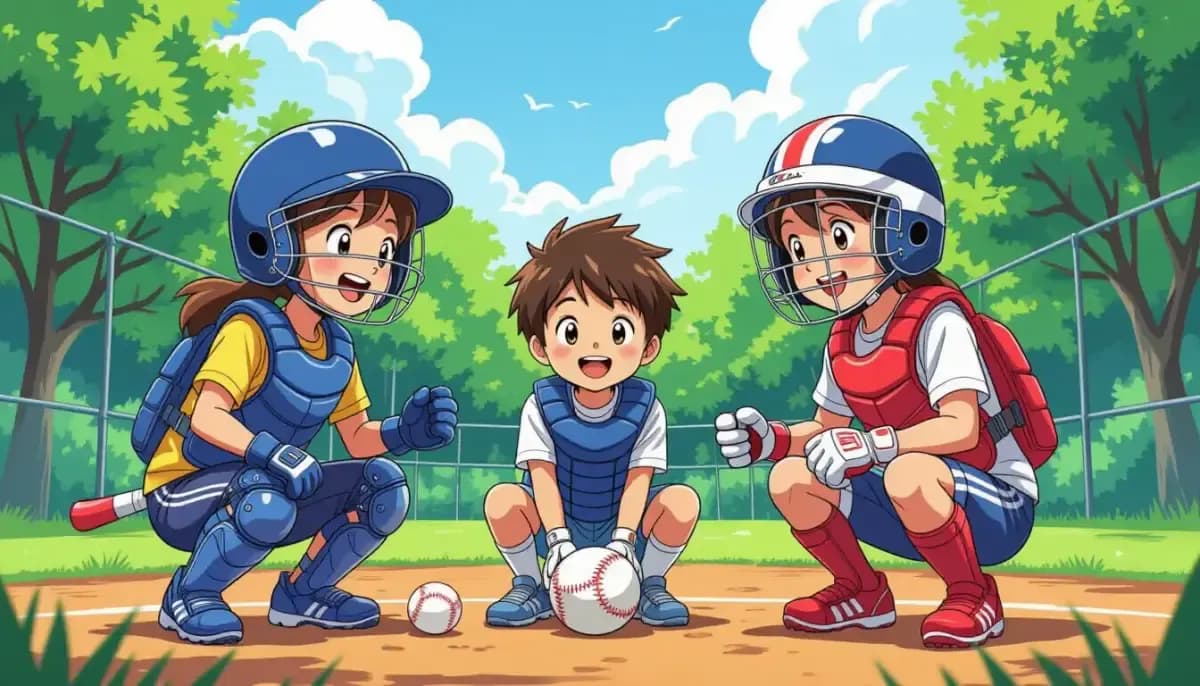
A complete guide for foreign parents on sports injuries, heat illness, abuse in sports, and medical care for children in Japan. Includes bukatsu safety tips and insurance advice.
Sports Injuries and Safety for Children in Japan
Whether your child is kicking a soccer ball at an elementary school club, shooting hoops at a community gym, or joining a school bukatsu (sports club), Japan offers a rich sports culture for kids of all ages. However, as a foreign parent, understanding the risks, safety norms, and healthcare options specific to Japan can make all the difference when an injury occurs — or better yet, help you prevent one entirely.
This guide covers everything expat and foreign-resident parents need to know about sports injuries and safety for children in Japan: injury rates, common risks, heat illness, the evolving landscape of athlete protection, and how to access medical care.
How Common Are Sports Injuries Among Children in Japan?
Research paints a sobering picture. A study published in PMC surveying Japanese undergraduate students found that 54% of those who participated in youth sports experienced acute or overuse injuries at some point during their school careers. Injury rates increased dramatically with age:
| School Level | Injury Rate |
|---|---|
| Lower elementary (grades 1–3) | 4% |
| Upper elementary (grades 4–6) | 21% |
| Junior high school | 35% |
| High school | 41% |
Male athletes reported higher injury rates (68%) than female athletes (42%). More concerning: 54% of injured athletes returned to play before fully recovering, and 38% experienced re-injury as a result.
The most commonly affected body regions were lower extremities (63% of injuries), upper extremities (50%), and the lower back (27%). Most injuries occurred during practice or games — not on the playground — meaning structured sports activities carry meaningful risk.
For foreign families, understanding these statistics helps set realistic expectations when children join school sports clubs or community teams. See our guide to Sports and Physical Activities for Children in Japan for an overview of what your child may encounter.
The Bukatsu System: High Participation, High Injury Exposure
Bukatsu — after-school sports clubs in Japanese junior high and high schools — are a defining feature of student life. According to the Sasakawa Sports Foundation's Japan 2022 Report Card, 78% of junior high students participate in school sports clubs, and participation remains high through high school (67% of boys, 44% of girls).
This is significant for injury risk, because:
- Volume of exposure is high. Bukatsu typically meet five to six days per week, often including weekends.
- Supervision varies. Many clubs are supervised by classroom teachers who may not have formal sports medicine training.
- No medical staff on-site. Research on junior soccer leagues in Nagoya found that no medical staff were present at community-team games or practices. The same pattern holds in most bukatsu settings.
- Early specialization. The same PMC research found that single-sport specialization typically begins around age 13 in Japan, correlating with elevated injury rates.
If your child joins a bukatsu, ask the club teacher or coach about their injury response protocols and whether they have first-aid training. You may also want to review our article on After-School Activities, Juku, and Extracurriculars in Japan for broader context on school club culture.
Heat Illness: Japan's Hidden Sports Hazard
Heat illness is a serious and often underestimated risk in Japanese youth sports. A large-scale study of 20,216 heat illness cases in school sports clubs from 2010–2019 found that thousands of students are affected annually.
Key findings include:
- At WBGT (Wet Bulb Globe Temperature) thresholds above 31°C, the odds of heat illness were 17x higher than in cooler conditions.
- Outdoor sports (track and field, baseball, softball, tennis) carry the greatest risk.
- High-risk sports at moderate heat (28–31°C WBGT): Kyudo (OR: 84.9), Softball (OR: 22.3), Baseball (OR: 12.1).
- Paradoxically, cooler northern regions like Hokkaido show the highest relative risk when unusual heat does occur — athletes and coaches there are less acclimatized and less prepared.
The Japan Sport Association (JSPO) recommends ceasing strenuous exercise above 28–31°C WBGT and stopping all exercise above 31°C. However, enforcement is inconsistent, especially in informal community leagues.
Practical steps for parents:
- Check the WBGT or "heat index" on hot days before outdoor practices.
- Ensure your child brings sufficient water and electrolyte drinks.
- Know the warning signs of heat exhaustion: dizziness, nausea, heavy sweating, pale skin, muscle cramps.
- For heat stroke (confusion, no sweating, very high body temperature), call 119 immediately.
Summer in Japan — particularly July and August — is peak heat illness season. Many school sports clubs now schedule indoor practices during extreme heat, but compliance is not universal.
Sport-Specific Injury Risks
Different sports carry distinct injury profiles. Here is a summary based on Japanese pediatric sports research:
| Sport | Most Common Injury Zone | Primary Injury Type | Game vs. Practice Risk |
|---|---|---|---|
| Soccer (ages 10–12) | Lower limbs (51.7%) | Contusions, sprains | Games 4.3x riskier |
| Basketball (ages 9–12) | Head/neck in games (36.4%) | Sprains, contusions | Games 4.1x riskier |
| Track & Field | Lower back, lower limbs | Overuse, stress fractures | Year-round cumulative |
| Baseball / Softball | Shoulder, elbow | Overuse (pitcher's elbow) | Training volume risk |
| Gymnastics | Wrist, ankle, back | Overuse, acute sprains | Practice-heavy risk |
Research on mini-basketball in Kobe found that head and neck game injuries were 9.4 times higher than in practice, attributed partly to height mismatches between young players of varying development stages.
For parents of soccer players: body contact during games accounted for 43.8% of injuries in Japanese junior leagues. Encourage your child to develop safe tackling habits and wear appropriate shin guards.
The Taibatsu Problem: Abuse Disguised as Discipline
One safety concern unique to Japanese sports culture that foreign parents should be aware of is taibatsu (体罰) — corporal punishment in sports settings. A 2020 Human Rights Watch report surveying 381 child athletes found:
- 19% reported physical abuse from coaches or club supervisors.
- 18% reported verbal abuse.
- Physical punishment was described as normalized across sports levels, from grassroots to elite.
HRW and 12 NGOs have called for Japan to establish an independent Center for Safe Sport (similar to those in the US, UK, Canada, and Australia), pass a dedicated Safe Sport Act, and formally ban corporal punishment in sports contexts.
Progress is being made: In June 2025, Japan revised its Basic Act on Sport to require the government to adopt anti-abuse measures. However, as of 2025, no independent enforcement body exists.
What can you do as a parent?
- Visit practices and observe how coaches interact with athletes.
- Speak with other parents — both Japanese and foreign — about the club's culture.
- If your child reports being hit, struck, or threatened, treat it seriously. Contact the school principal, the local Board of Education (kyouiku iinkai), or the Japan Sport Council.
- Trust your instincts. A coach who motivates through fear is not a good fit for your child.
For guidance on broader child welfare in Japanese schools, see our article on Bullying (Ijime) in Japanese Schools: Prevention and Response.
Medical Care for Sports Injuries in Japan
Japan's healthcare system is generally excellent and affordable for residents covered by the national health insurance (kokumin kenko hoken) or employer health insurance.
Insurance Coverage
All registered residents staying more than three months must enroll in a public or employer health insurance plan. This insurance covers:
- Emergency treatment for acute injuries (fractures, sprains, dislocations)
- Orthopedic consultations and X-rays
- Physiotherapy at licensed clinics
- Hospitalization and surgery if required
The patient co-pay depends on age: children under a certain age (the threshold varies by municipality but is typically middle school age or below) often receive free or near-free care under local government child welfare subsidies.
Seikotsuin: Affordable Bone and Joint Clinics
One of Japan's most useful resources for sports injuries is the seikotsuin (整骨院) — a licensed judo therapist or bone-setting clinic. These clinics specialize in sprains, strains, muscle injuries, and fractures, and National Health Insurance covers treatment, making typical sessions cost just ¥500–¥1,000 (~$4–$10 USD) per visit.
Seikotsuin are extremely common in Japan — you'll find them near most train stations. Look for the kanji: 整骨院.
English-Speaking Medical Support
Finding English-speaking orthopedic doctors or physiotherapists outside major cities can be challenging. In Tokyo and other major urban centers, options include:
- Tokyo Physio (English-speaking physiotherapy)
- Tokyo Medical University Hospital (Shinjuku)
- Juntendo University Hospital (Bunkyo-ku)
For expat families seeking broader guidance on navigating the Japanese medical system with children, see our detailed guide on Healthcare and Medical Care for Children in Japan.
For further reading on insurance options for sports injuries specifically, Expat Focus has a helpful overview of coverage available in Japan.
Prevention: Practical Tips for Keeping Your Child Safe
Prevention is always better than treatment. Here are evidence-based and experience-based strategies for minimizing sports injury risk:
Encourage multi-sport participation. Research shows that single-sport specialization before age 13 increases injury risk. Let your child sample different sports before committing to one year-round.
Monitor training volume. Overuse injuries (stress fractures, tendinitis, pitcher's elbow) are common when children train too hard without adequate rest. Ask coaches how many hours per week the team practices.
Ensure proper warm-up and cool-down. Japan's sports culture emphasizes discipline and effort, but structured warm-up routines vary by team. Encourage your child to stretch and warm up properly.
Hydrate proactively. Especially during Japanese summers, hydration before, during, and after practice is critical. Isotonic sports drinks are appropriate for intense exercise in hot weather.
Use proper protective equipment. Helmets for baseball/softball, shin guards for soccer, wrist guards for skating/skateboarding, and mouth guards for martial arts are all important.
Build open communication. Children often "play through pain" to avoid letting down their team or coach. Teach your child that reporting pain is a sign of maturity, not weakness.
For broader child safety considerations in Japan, see our guide on Emergency Preparedness and Child Safety in Japan.
Useful Resources for Foreign Parents
Navigating sports safety in Japan is easier with the right information sources. Here are some useful places to start:
- Living in Nihon — Raising Children in Japan Guide: A comprehensive resource for foreign parents covering education, childcare, and family life in Japan.
- For Work in Japan — Finding Sports Clubs in Japan: Guidance on finding sports clubs and hobby groups as a foreign resident.
- Chuukou Benkyou: A Japanese educational resource useful for parents navigating school-related activities.
- Human Rights Watch — Safe Sport Structures in Japan: Current advocacy and policy developments on athlete protection in Japan.
- Japan Sport Council: The national body responsible for school sports safety standards and accident compensation.
The Japan Sport Council's Disaster Mutual Aid Benefit System (Disaster Mutual Aid) provides compensation for sports-related accidents at school — ask your child's school if they are enrolled, which most are.
Conclusion
Japan's sports culture offers children tremendous opportunities for physical development, teamwork, and social connection. But it also carries real risks — from overuse injuries driven by early specialization and heavy training schedules, to heat illness during Japan's brutal summers, to the ongoing challenge of eliminating harmful coaching practices.
As a foreign parent, your awareness of these issues is your greatest asset. Know the injury landscape, understand the healthcare options available to you, build relationships with coaches, and never hesitate to speak up if something doesn't feel right. Your child's safety comes first — in any language.
For more on raising children in Japan as a foreign family, explore our full guide on the Japanese education system for foreign families.

Originally from Vietnam, living in Japan for 16+ years. Graduated from Nagoya University, with 11 years of professional experience at Japanese and international companies. Sharing practical information for foreign parents raising children in Japan.
View Profile →Related Articles
Physical Fitness Testing in Japanese Schools
Everything foreign parents need to know about Japan's annual Shin-tairyoku Test: 8 test items, scoring, results, and tips to help your child prepare for school fitness testing.
Read more →
Team Sports Culture in Japanese Schools
Discover how team sports work in Japanese schools — from bukatsudo clubs and senpai-kohai hierarchy to undokai sports festivals. A complete guide for foreign and expat families in Japan.
Read more →
Track and Field for Kids in Japan
Everything expat families need to know about track and field for kids in Japan — school clubs, private athletics clubs, costs, competitions, and how to enroll your child.
Read more →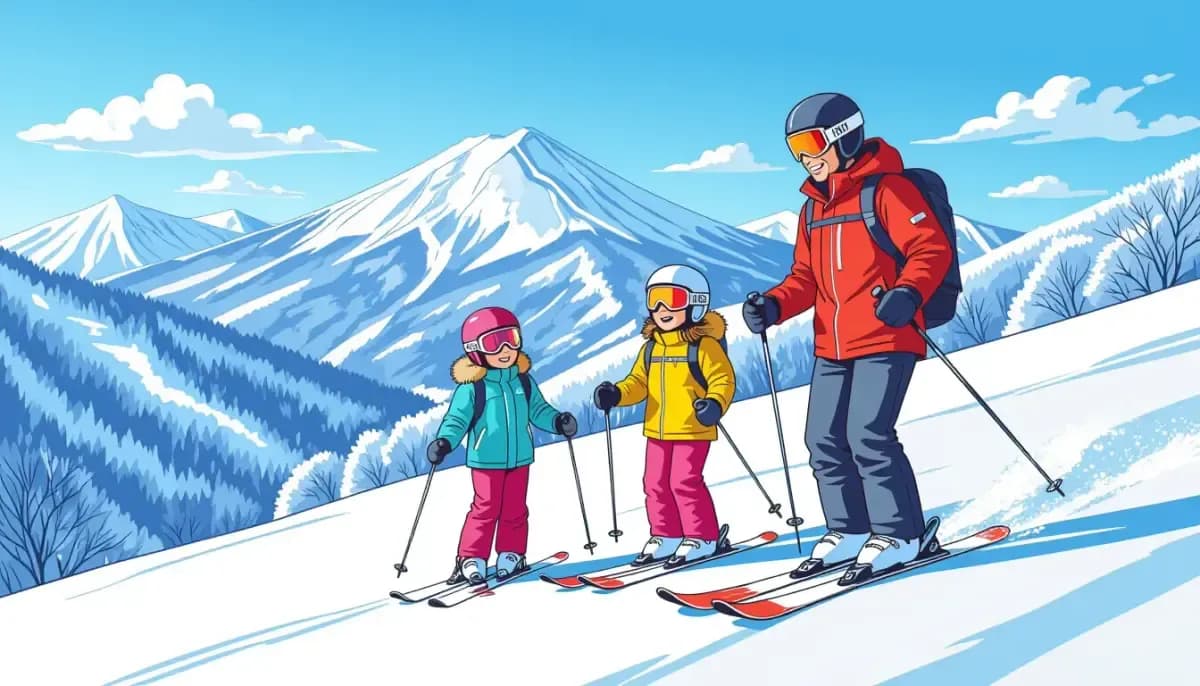
Winter Sports for Families: Skiing and Snowboarding in Japan
Complete guide to skiing and snowboarding in Japan with kids. Best family resorts, costs, children's lessons, onsen tips, and how to get there. Niseko, Hakuba, Rusutsu and more.
Read more →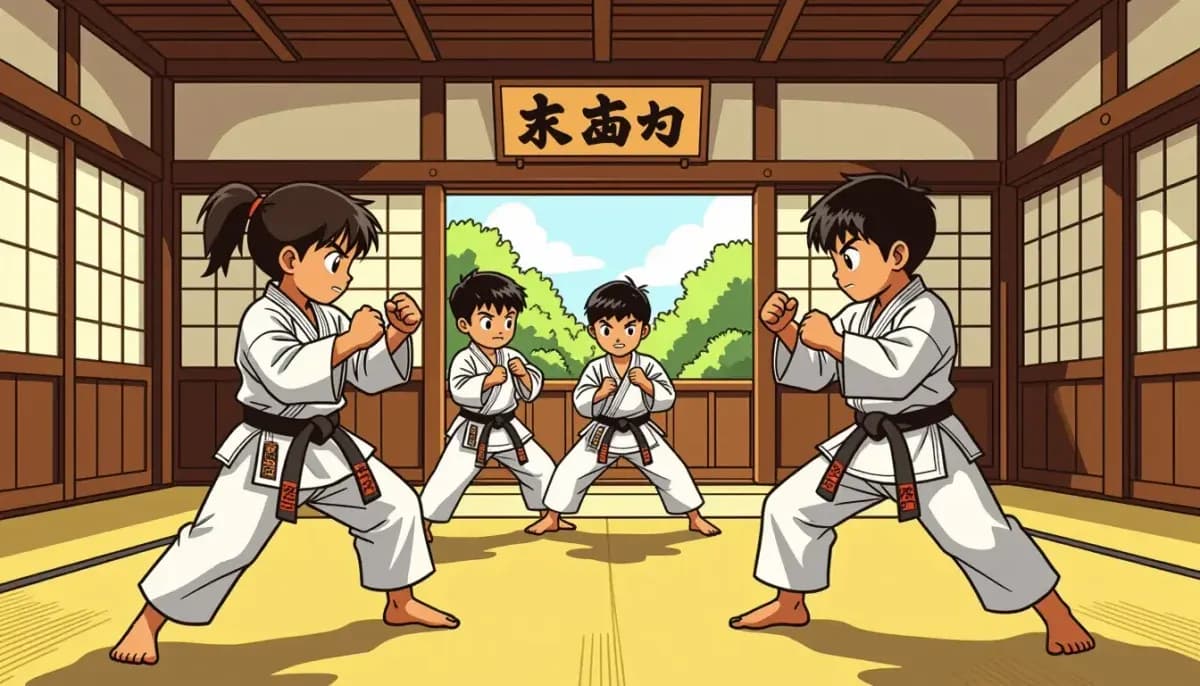
Martial Arts for Kids: Karate, Judo, and Kendo
Complete guide to enrolling your child in karate, judo, or kendo in Japan. Learn about dojo costs, styles, English-friendly options, and what to expect as a foreign family.
Read more →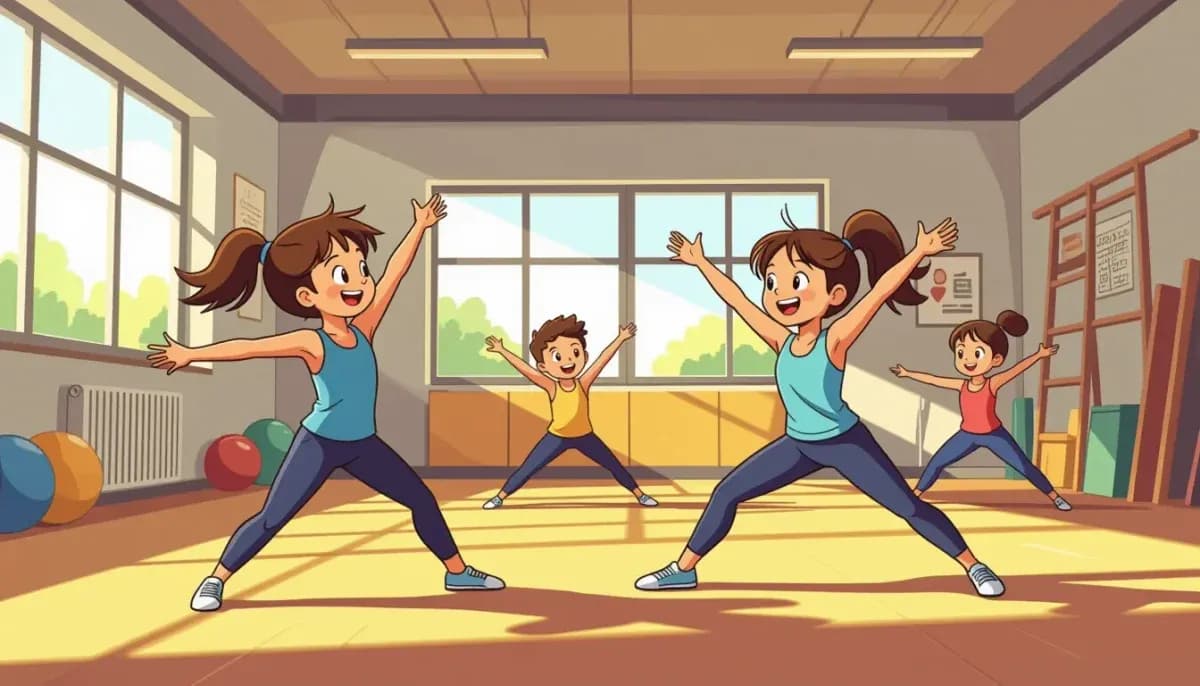
Gymnastics and Dance Classes for Kids in Japan
Find the best gymnastics and dance classes for your child in Japan. Costs, enrollment tips, English-friendly programs, and what foreign families need to know.
Read more →