
Gymnastics and Dance Classes for Kids in Japan

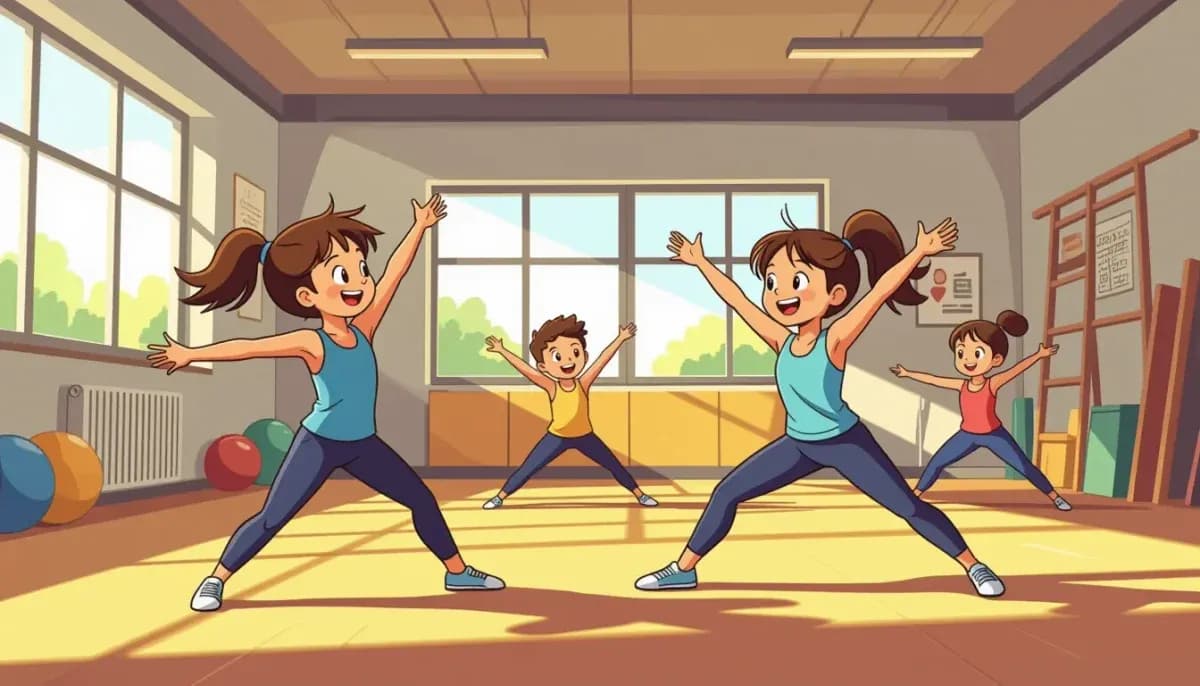
Find the best gymnastics and dance classes for your child in Japan. Costs, enrollment tips, English-friendly programs, and what foreign families need to know.
Gymnastics and Dance Classes for Kids in Japan: The Complete Guide for Foreign Families
Japan offers an incredible range of extracurricular activities for children, and gymnastics and dance classes are among the most popular choices for families raising kids here. Whether your child is a budding gymnast or a future dancer, Japan has world-class programs that welcome foreign children — even those who don't speak Japanese yet. This guide covers everything you need to know about finding the right class, understanding costs, navigating enrollment as a foreigner, and supporting your child through this exciting journey.
According to a 2025 survey, dance ranks #7 and gymnastics ranks #8 among the top extracurricular activities for Japanese children — beaten only by swimming, piano, English conversation, calligraphy, and soccer. By age 6, over 80% of Japanese children are enrolled in at least one after-school activity, making extracurricular participation a deeply embedded part of childhood culture here. As a foreign family, tapping into this system opens doors to friendships, language development, and a genuine sense of belonging in your community.
Why Gymnastics and Dance Are Great Choices for Kids in Japan
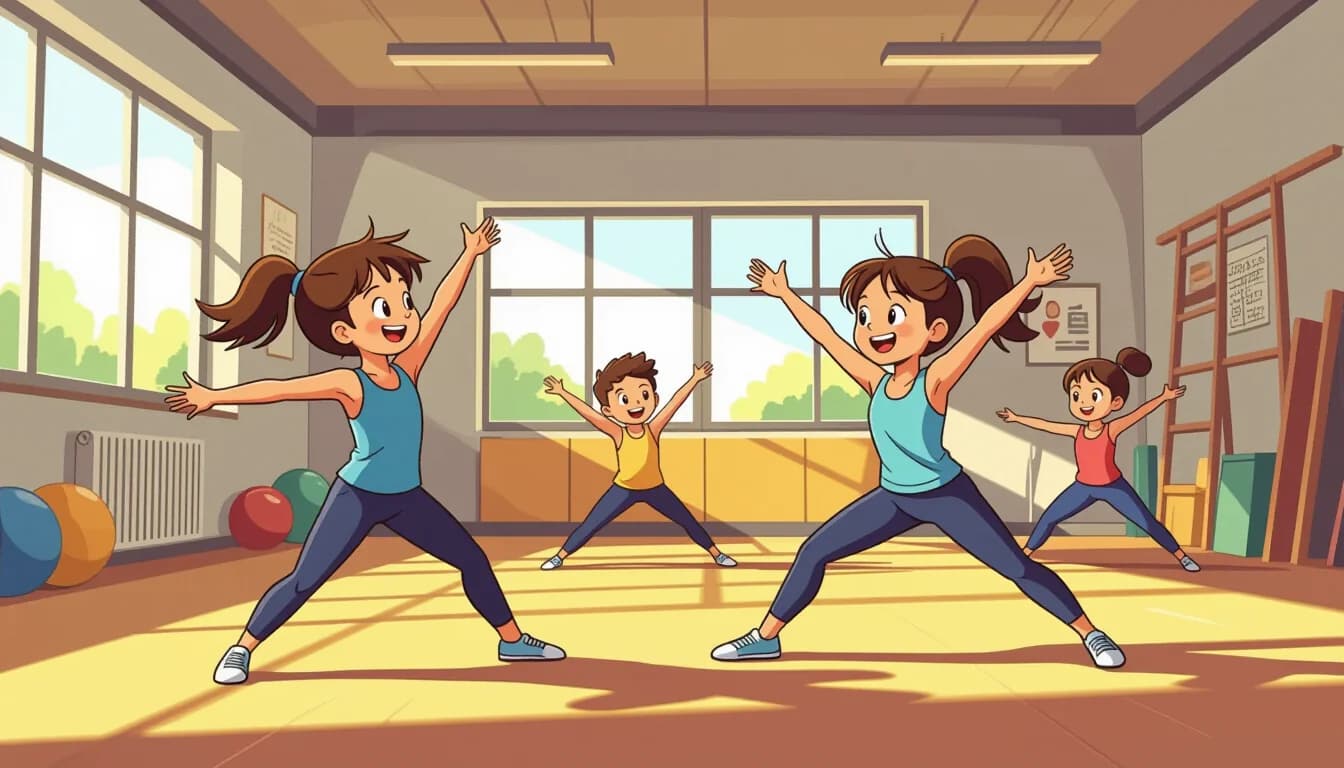
Gymnastics and dance offer unique benefits that go beyond physical fitness — they help children integrate into Japanese society and develop confidence in multilingual environments.
Physical and cognitive development: Both disciplines build strength, coordination, balance, and spatial awareness. Gymnastics specifically develops body awareness through mat work, vaulting, and apparatus training, while dance enhances rhythm, musicality, and expressive communication.
Language through movement: Classes taught in Japanese become easier to follow when instruction is physical. Children learn directional words, body parts, and action verbs naturally through repetition. Many foreign children who struggled in academic settings have thrived in movement-based classes precisely because the communication happens through the body.
Social integration: Shared physical experiences — sweating through a tough routine, celebrating when a child lands a skill for the first time — transcend language barriers. Your child will form bonds with classmates that often spill over into school friendships.
Japanese discipline culture: Gyms and dance studios in Japan place great emphasis on respect, effort, and group cohesion. Children bow before and after class, address coaches formally, and learn to support their peers. For foreign children, this provides a window into Japanese values that enriches their bicultural upbringing. For more on raising children across cultures, see our guide on cultural identity for hafu and mixed-race children in Japan.
Types of Gymnastics Classes Available in Japan
Japan offers several forms of gymnastics, each with distinct programs, age ranges, and competitive structures.
Artistic gymnastics (体操 / Taisō): The most common form. Programs typically include floor exercise, vault, horizontal bar (for boys), uneven bars (for girls), and balance beam (for girls). Japan uses a Beginner / Intermediate / Advanced structure rather than the USAG level system used in the US. "Advanced" in Japan roughly corresponds to USAG level 8 and above, while "Intermediate" approximates levels 6–7.
Rhythmic gymnastics (新体操 / Shintaisō): Predominantly for girls, rhythmic gymnastics combines ballet, dance, and apparatus work using ribbons, hoops, balls, and clubs. Highly popular in Japan, with strong regional competition circuits.
Trampoline gymnastics: Less common but growing. Several sports centers and gymnastics clubs offer trampoline as a standalone discipline or as supplementary training.
General gymnastics programs: Entry-level programs for toddlers and preschoolers focus on tumbling, rolling, basic jumps, and agility — perfect for children aged 2–6 who aren't ready for competitive tracks.
| Type | Ages | Typical Cost (monthly) | Competitive Track |
|---|---|---|---|
| Artistic gymnastics | 3–18 | ¥5,000–¥10,000 | Yes |
| Rhythmic gymnastics | 4–18 | ¥5,000–¥12,000 | Yes |
| Trampoline | 5–18 | ¥4,000–¥8,000 | Yes |
| General/toddler gymnastics | 1–6 | ¥4,000–¥7,000 | No |
| My Gym (multi-skill) | 6 weeks–13 yrs | ¥8,000–¥15,000 | No |
For Work in Japan also covers sports programs and community activities for expat families.
Types of Dance Classes for Kids in Japan
Dance in Japan spans an enormous range of styles, from classical ballet to K-pop-influenced hip hop. Here's what you're likely to find in most cities and suburban areas:
Ballet (バレエ): Extraordinarily popular in Japan. Local ballet schools exist in nearly every neighborhood, from major cities to rural towns. Classes typically begin at age 3 or 4 with creative movement, progressing to pointe work for advanced girls around age 11–12. Annual recitals (発表会 / happyōkai) are a major event that families invest significant time and money in.
Hip-hop and street dance: Growing rapidly in popularity, particularly since hip-hop became a mandatory subject in Japanese junior high school PE in 2012. Many studios offer hip-hop, breaking (breakdancing), house, and popping classes. Dance ranks in the top 10 extracurricular activities nationally, with studios available across all age groups.
Jazz dance: A middle ground between ballet technique and popular music styles. Often combined with cheerleading programs.
Cheerleading (チア / Chia): Enormously popular for girls aged 4–12. Combines dance, tumbling, and team performance. Many gyms and sports clubs offer cheerleading as a separate discipline from gymnastics.
Hula and international dance: In larger cities, you can find hula, flamenco, K-pop, and even Indian classical dance classes for children. Tokyo's international neighborhoods offer the widest variety.
For a broader look at extracurricular options, see the popular extracurricular activities guide at Real Life Japan.
Finding the Right Program: Recommendations for Foreign Families
Finding a class is one thing; finding a class where your foreign child will feel welcomed is another. Here are specific programs and strategies that work well for expat families.
My Gym Japan: One of the most internationally accessible options. With 6 locations across Tokyo and Yokohama (Futakotamagawa, Hiroo, Kichijoji, Yokohama, Minato Mirai, and Tsujido), My Gym provides developmentally appropriate movement classes for children aged 6 weeks to 13 years across 9 class levels. Staff at My Gym locations in expat-dense areas often speak English. Parents must participate in classes for children under age 3. Visit www.mygym.jp for schedules.
Setagaya Gymnastics Academy (世田谷体操アカデミー): This is a standout option for serious gymnastics families. The academy operates at three venues in Setagaya, Tokyo: the General Sports Grounds Gymnasium (Thursdays), Kibogaoka Community Gymnasium (Fridays), and Japan Women's Sports University (Sundays). Their English-language website at en.se-sports.or.jp makes enrollment significantly easier for foreign families. Coaches include Hisashi Mizutori, who coached Japan's Olympic men's gymnastics team. Annual membership: ¥5,500; monthly fees: ¥5,000–¥7,600 depending on age and venue. Some classes have waiting lists, so register early.
Tipness Kids: A large chain of sports clubs with dozens of Tokyo branches. Gymnastics classes start at age 3; dance (including hula and ballet) starts at age 4. The main website is in Japanese, but customer service staff at international branches can sometimes assist in English. Check kids.tipness.co.jp for locations.
Club 360 (Motoazabu/Roppongi): Offers "Kid Fit" classes for ages 5–10 combining agility training, structured exercise, and movement challenges. Popular with expat families in Minato-ku. Visit www.club360.jp for details.
Language strategy: The single most important factor in choosing a class is proximity to expat-friendly neighborhoods. Minato-ku (Roppongi, Hiroo, Azabu-Juban), Shibuya, and Yokohama's international areas have significantly higher concentrations of English-speaking coaches and multilingual administrative staff. Outside these areas, expect Japanese-only instruction — which many children adapt to within 2–3 months.
For help with your child's overall education in Japan, the guide at Living in Nihon's education section provides additional context on navigating Japanese school systems and extracurricular culture. Also read our complete overview of the Japanese education system for foreign families for broader context.
Understanding Costs and What to Expect
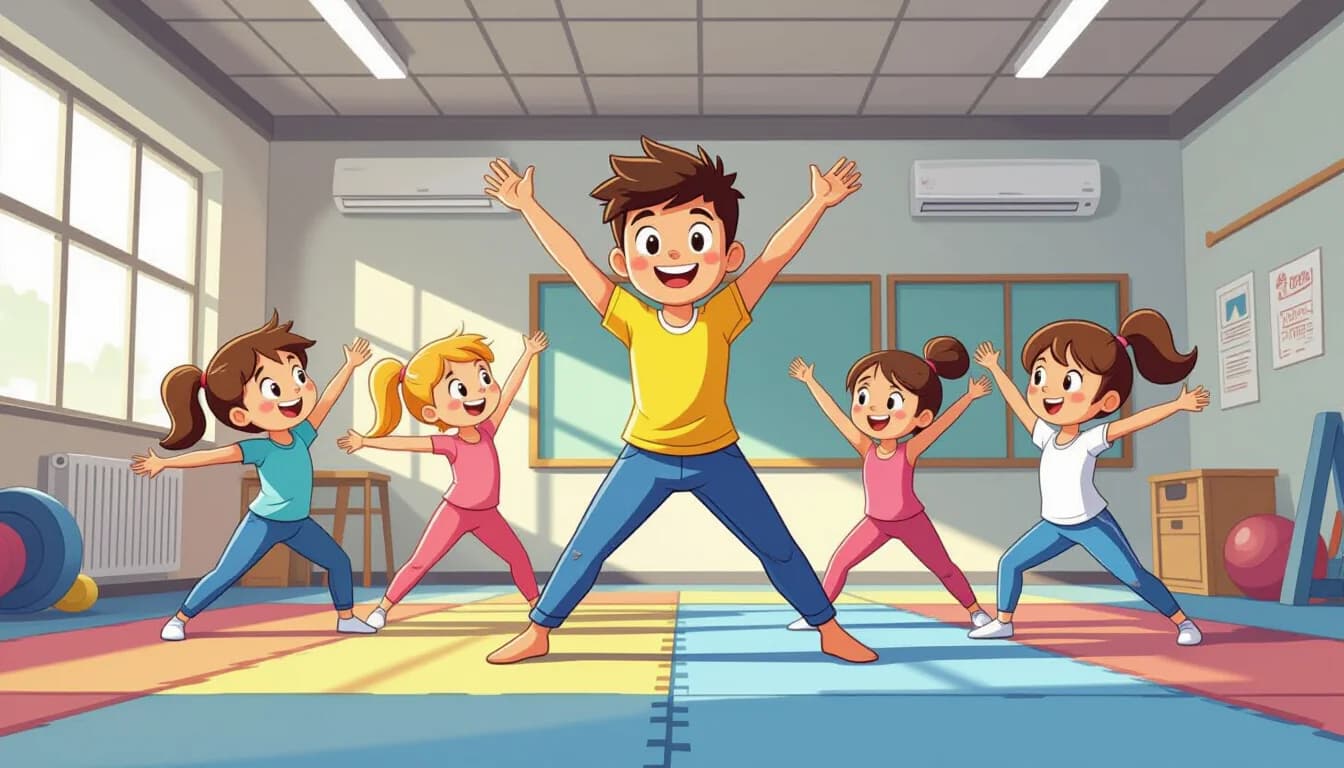
Costs vary considerably depending on program type, location, and whether the school is private or affiliated with a public sports facility.
Gymnastics costs: Monthly fees typically range from ¥4,000 to ¥10,000 for recreational programs. Competitive gymnastics can run higher — ¥8,000 to ¥15,000 per month — particularly when additional optional training sessions, leotards, and competition entry fees are factored in. Annual registration fees (入会金 / nyūkaikin) of ¥5,000–¥20,000 are common.
Dance costs: Ballet is generally the most expensive dance style, ranging from ¥5,000 to ¥15,000 per month when annual recital costume fees are included. Hip-hop and street dance are more affordable at ¥3,000–¥6,000 per month. Recital participation often involves significant additional costs: costume fees can range from ¥15,000 to ¥60,000 per performance outfit, and hair/makeup for ballet recitals is typically arranged by the school at additional cost.
Hidden costs to budget for:
- Annual registration fee: ¥5,000–¥20,000
- Uniform/leotard: ¥3,000–¥10,000
- Shoes (ballet, gymnastics, or dance sneakers): ¥2,000–¥8,000
- Recital costume: ¥10,000–¥60,000
- Competition entry fees: ¥2,000–¥10,000 per meet
For a broader financial picture of raising children in Japan, see our guide on financial planning for expat families.
How to Enroll: Practical Steps for Foreign Families
The enrollment process at Japanese gymnastics and dance schools typically involves a trial lesson (体験レッスン / taiken ressun), followed by formal registration.
Step 1 — Find local options: Search Google Maps for 体操教室 (gymnastics school), バレエ教室 (ballet school), or ダンス教室 (dance school) near your address. Ward office (区役所 / kuyakusho) bulletin boards and websites also list community programs, often at subsidized rates.
Step 2 — Request a trial lesson: Most schools offer one or two free or low-cost trial lessons (¥500–¥2,000). Use this opportunity to assess the coach's communication style, the child-to-instructor ratio, and whether any English is spoken. See how your child responds to the environment.
Step 3 — Prepare for registration paperwork: You will typically need your child's name (in katakana if they have a foreign name), contact information, emergency contact, and sometimes proof of health insurance enrollment. Japan's national health insurance (国民健康保険 / kokumin kenkō hoken) should cover any injuries that occur outside of class; insurance for class activities is often handled by the school's own liability coverage.
Step 4 — Communicate special needs: If your child has dietary restrictions, physical limitations, or needs language accommodation, communicate this during the trial lesson. Most Japanese coaches are accommodating once they understand the situation, even if they don't speak English fluently.
Step 5 — Commit and be consistent: Japanese activity culture values consistency and attendance. Frequent absences can create social friction with coaches and teammates. If you know travel will disrupt attendance, communicate this clearly at enrollment. For more on supporting your child's social and emotional wellbeing in Japan, see our article on mental health and emotional wellbeing for foreign children in Japan.
For more guidance on navigating Japan's academic and extracurricular landscape, explore the comprehensive resources at Chuukou Benkyou.
Supporting Your Child Through the Process
Starting a new activity in a foreign language is challenging for any child. Here are evidence-based strategies to help your child thrive:
Normalize the learning curve: It typically takes 2–3 months before a foreign child begins to feel comfortable following verbal instruction in Japanese. During this period, they are learning through observation and physical cues — a completely valid form of learning. Reassure your child that not understanding every word is okay.
Use movement vocabulary at home: Practice counting in Japanese (ichi, ni, san…), learn basic directional words (mae = forward, ushiro = back, migi = right, hidari = left), and encourage your child to teach you what they learned in class.
Connect with other foreign families: Many gymnastics and dance studios in international areas have informal parent networks. Ask at the front desk or look for LINE group chats. The Metropolis Japan community (metropolisjapan.com) regularly publishes updates on English-friendly kids' programs in Tokyo.
Celebrate progress, not perfection: Japanese training culture can be intense. Some coaches are strict disciplinarians in the traditional style. Monitor your child's emotional response and step in if you feel the environment is causing excessive stress rather than healthy challenge.
Connect activity to bilingual development: Use the activity as a bridge for Japanese language study. Your child's gymnastics or dance class is one of the most powerful tools for natural language acquisition available to you. For comprehensive strategies, see our guide on raising bilingual children in Japan.
Frequently Asked Questions
My child doesn't speak Japanese. Can they still join a class? Yes. Movement-based learning reduces the language barrier significantly. Most coaches are experienced with non-Japanese-speaking children in international neighborhoods. Toddler and preschool classes are especially accessible since instruction is mostly physical demonstration.
Are there English-language gymnastics or dance classes in Japan? Some international schools and expat community centers offer English-language movement classes, though options are limited outside Tokyo and Osaka. My Gym Japan is the most reliably English-friendly gym chain. For Japanese-language classes with English-speaking staff, focus your search on Minato-ku, Shibuya, and Yokohama's international areas.
How competitive is gymnastics in Japan? Japan is a gymnastics powerhouse — the national team regularly medals at the Olympics and World Championships. Competition at the youth level, however, is structured around 3 meets per year at lower divisions, making it less intense than in the US or some European countries. Most recreational programs have no competitive requirement.
Can my child join mid-year? Yes, though ballet and competitive gymnastics schools often prefer enrollment at the start of the academic year (April). Most hip-hop, cheerleading, and recreational gymnastics programs accept students year-round. Always ask during the trial lesson.
What if my child has previous gymnastics or dance training from another country? Bring any competition records or training history documentation. Japanese coaches will likely conduct their own skill assessment before placing your child in an appropriate group. USAG levels don't translate directly, but video of previous training can help coaches understand your child's background quickly.
Gymnastics and dance classes are among the most rewarding extracurricular choices for foreign children in Japan. They develop physical skills, accelerate Japanese language acquisition, build social bonds, and provide a structured, positive environment during what can otherwise be a challenging adjustment period. Start with a trial lesson, be patient with the language curve, and trust the process — most families find that their children adapt faster than expected and come to love these activities deeply.

Originally from Vietnam, living in Japan for 16+ years. Graduated from Nagoya University, with 11 years of professional experience at Japanese and international companies. Sharing practical information for foreign parents raising children in Japan.
View Profile →Related Articles
Sports Injuries and Safety for Children in Japan
A complete guide for foreign parents on sports injuries, heat illness, abuse in sports, and medical care for children in Japan. Includes bukatsu safety tips and insurance advice.
Read more →
Physical Fitness Testing in Japanese Schools
Everything foreign parents need to know about Japan's annual Shin-tairyoku Test: 8 test items, scoring, results, and tips to help your child prepare for school fitness testing.
Read more →
Team Sports Culture in Japanese Schools
Discover how team sports work in Japanese schools — from bukatsudo clubs and senpai-kohai hierarchy to undokai sports festivals. A complete guide for foreign and expat families in Japan.
Read more →
Track and Field for Kids in Japan
Everything expat families need to know about track and field for kids in Japan — school clubs, private athletics clubs, costs, competitions, and how to enroll your child.
Read more →
Winter Sports for Families: Skiing and Snowboarding in Japan
Complete guide to skiing and snowboarding in Japan with kids. Best family resorts, costs, children's lessons, onsen tips, and how to get there. Niseko, Hakuba, Rusutsu and more.
Read more →
Martial Arts for Kids: Karate, Judo, and Kendo
Complete guide to enrolling your child in karate, judo, or kendo in Japan. Learn about dojo costs, styles, English-friendly options, and what to expect as a foreign family.
Read more →