
Sports Injuries and Safety for Children in Japan
A complete guide for foreign parents on sports injuries, heat illness, abuse in sports, and medical care for children in Japan. Includes bukatsu safety tips and insurance advice.
Read more →
Everything foreign parents need to know about sports and physical activities for children in Japan — school PE, undoukai, bukatsu, extracurricular clubs, costs, and tips for expat families.
Japan is one of the world's most sports-active countries for children. An impressive 79.8% of children aged 4–11 participate in sports at least three times per week, and only 3.1% do no physical activity at all, according to the Sasakawa Sports Foundation's 2023 White Paper on Sport. For foreign families raising kids in Japan, understanding the landscape of sports and physical activities — from school PE programs to after-school clubs and community leagues — is essential for helping your child thrive socially and physically.
This comprehensive guide covers everything you need to know: how the school system approaches physical education, the most popular sports for kids in Japan, how to enroll in extracurricular activities, and practical advice for expat families navigating language barriers and cultural differences.
Physical education (体育, taiiku) is a core subject in all Japanese schools. Elementary students receive approximately 90 hours of PE per year, spread across roughly 100 sessions of 45–50 minutes each. The curriculum covers swimming, track and field, ball sports, gymnastics, and dance, with a strong emphasis on cooperative activities.
Beyond regular PE classes, Japanese schools organize two major annual events centered on physical activity:
The undoukai (運動会) is one of the most beloved traditions in Japanese school culture. Held every spring or autumn, this all-day event brings together students, parents, and teachers for a celebration of physical activity — but with a distinctly Japanese philosophy: group unity, not individual competition.
Rather than awarding trophies to the fastest or strongest child, undoukai emphasizes teamwork and collective achievement. Students are divided into red and white teams, and points are tallied for the group, not the individual. Typical events include:
Children begin practicing for undoukai up to one month in advance, rehearsing formations and choreographed routines with great seriousness. For foreign parents, this is a wonderful opportunity to witness how Japanese schools cultivate a sense of belonging and shared effort. Parents are expected to attend, bring homemade bento lunches, and may even participate in special parent races.
For a deeper look at school culture and what to expect, see our guide to Elementary School in Japan: A Complete Guide for Foreign Parents.
Japan observes a national Sports Day (スポーツの日, Sports no Hi) on the second Monday of October, originally established in 1966 to commemorate the 1964 Tokyo Olympics. Schools and communities organize athletic events on this day, reinforcing the cultural value Japan places on physical fitness.
What sports do Japanese kids actually play? The answer varies by age, gender, and setting. Here is a breakdown of the most popular activities based on data from the Sasakawa Sports Foundation:
| Age Group | Most Popular Sports (Boys) | Most Popular Sports (Girls) |
|---|---|---|
| Ages 4–11 | Tag, Soccer, Dodgeball, Cycling, Swimming | Tag, Jump rope, Swings, Cycling, Iron bar |
| Ages 12–18 | Soccer, Basketball, Running | Badminton, Dance, Running |
| All ages (formal clubs) | Swimming, Soccer, Baseball, Martial Arts | Swimming, Dance, Tennis |
Swimming consistently tops the charts for formal club enrollment, holding a 20–30% participation rate among all children since 2010. This is partly because many elementary schools have their own pools and swimming is a mandatory part of the PE curriculum, making it a natural extension for after-school lessons.
Martial arts — including karate, judo, and kendo — hold deep cultural significance and are widely available from age 4. These programs place as much emphasis on discipline, manners, and self-control (礼儀, reigi) as on physical technique, making them a popular choice for parents seeking character development alongside fitness.
Soccer thrives at the community level, with local teams (少年サッカー, shōnen sakkā) operating in almost every neighborhood. These grassroots clubs are typically very affordable and often rely on parent volunteers to assist with coaching and logistics.
One of the most distinctive features of Japanese youth sports culture is the bukatsu (部活動), or school club system. Starting in junior high school, virtually all students are expected to join at least one club — sports or cultural — and participation is treated as near-mandatory.
Key facts about bukatsu:
For foreign families, bukatsu can be a powerful integration tool. It is one of the best ways for a child to make Japanese friends, improve language skills, and feel part of the school community. However, the intensity can be a shock — missing practice is frowned upon, and the social pressure to commit fully is strong.
To understand how this fits into the broader middle school experience, read our guide to Junior High School in Japan: Guide for Foreign Families.
Outside of school, Japanese children attend a wide variety of private sports academies and community clubs. Here is a practical cost guide for the most popular options:
| Activity | Monthly Cost (Approx.) | Start Age | Notes |
|---|---|---|---|
| Swimming (private academy) | ¥7,000–¥10,000 | Age 3+ | Most popular; many schools offer shuttle buses |
| Soccer (academy) | ¥5,000–¥8,000 | Age 4+ | Community clubs may be ¥2,000/month with volunteer duties |
| Dance (hip-hop, jazz, ballet) | ¥3,000–¥6,000 | Age 3+ | Wide variety of styles available |
| Gymnastics | ¥4,000–¥10,000 | Age 3+ | Tumbling and rhythmic both available |
| Karate / Judo / Kendo | ¥3,000–¥6,000 | Age 4+ | Strong emphasis on discipline and etiquette |
| Baseball (tee-ball to Little League) | ¥2,000–¥5,000 | Age 6+ | Community-based; parental involvement expected |
| Tennis | ¥6,000–¥12,000 | Age 5+ | Growing popularity; indoor and outdoor options |
Most programs follow the Japanese academic year (April–March) and do not accept mid-year enrollment. If you arrive in Japan in September or October, you may need to wait until the following April to join many clubs. Exceptions exist, particularly for swimming schools, which often have rolling enrollment.
For help managing the financial side of raising children in Japan, see our guide to Financial Planning for Expat Families Raising Children in Japan.
Japan's youth sports system is excellent, but it comes with real challenges for foreign families. Here is what to expect and how to navigate it:
The single biggest hurdle is language. Most sports programs — coaches, instruction, parent communications, and club rules — operate entirely in Japanese. Even programs that nominally welcome foreigners rarely have English-speaking staff.
Practical tips:
For strategies on building your child's Japanese language skills, see our guide to Teaching Japanese to Foreign Children: Methods and Resources.
For families who prefer an English-language environment, options exist mainly in Tokyo, Yokohama, Osaka, and other major cities:
The Expat's Guide to Japan maintains a regularly updated directory of expat-friendly sports programs by city.
Japanese sports culture expects a high level of parental involvement, especially at the elementary level. Community soccer clubs and baseball teams often have formal parent rotas for duties such as:
This can be a significant time commitment. Before enrolling your child, ask explicitly about expected parent duties (当番, tōban) to avoid surprises.
The Japan 2022 Report Card on Physical Activity for Children and Youth (published in the BMC Public Health journal) gives Japan a mixed assessment:
For support with your child's mental and physical wellbeing, see our guide to Mental Health and Emotional Wellbeing for Foreign Children in Japan.
Here is a practical process for enrolling your child in a sports program in Japan:
For more on navigating Japan's administrative systems as a foreign family, see our guide to Government Benefits and Subsidies for Families in Japan.
The following resources provide excellent information for foreign families navigating Japan's youth sports landscape:
Japan offers an extraordinary ecosystem for children's physical development. From the group-centered philosophy of undoukai to the intensity of bukatsu and the wide variety of affordable private sports academies, there are opportunities for every child — athletic or not — to find their physical activity niche.
For foreign families, the keys are patience with the language barrier, early networking with other expat parents, and a willingness to embrace the cultural values embedded in Japanese sports: commitment, teamwork, and respect. The rewards — a child who is physically fit, socially connected, and culturally fluent — are well worth the effort.
Start by asking your child's teacher about local club options and look for a trial session (taiken) at a nearby swimming school or soccer club. The first step is the hardest; after that, Japan's sports community will carry your child forward.
A complete guide for foreign parents on sports injuries, heat illness, abuse in sports, and medical care for children in Japan. Includes bukatsu safety tips and insurance advice.
Read more →
Everything foreign parents need to know about Japan's annual Shin-tairyoku Test: 8 test items, scoring, results, and tips to help your child prepare for school fitness testing.
Read more →
Discover how team sports work in Japanese schools — from bukatsudo clubs and senpai-kohai hierarchy to undokai sports festivals. A complete guide for foreign and expat families in Japan.
Read more →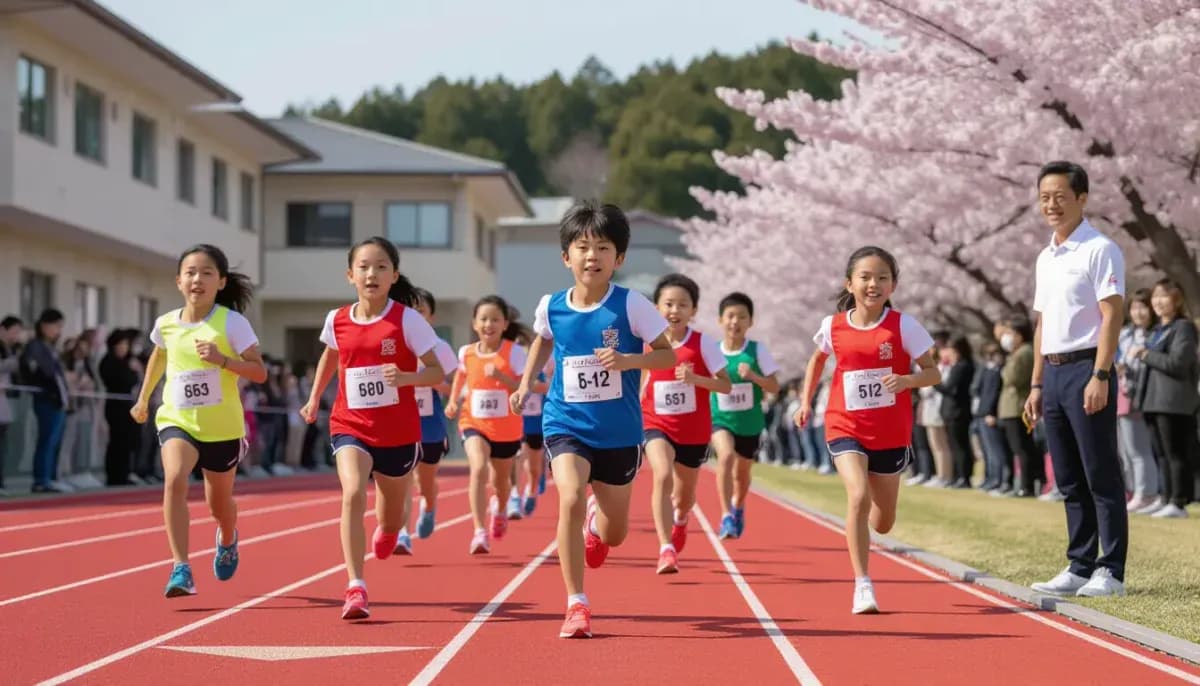
Everything expat families need to know about track and field for kids in Japan — school clubs, private athletics clubs, costs, competitions, and how to enroll your child.
Read more →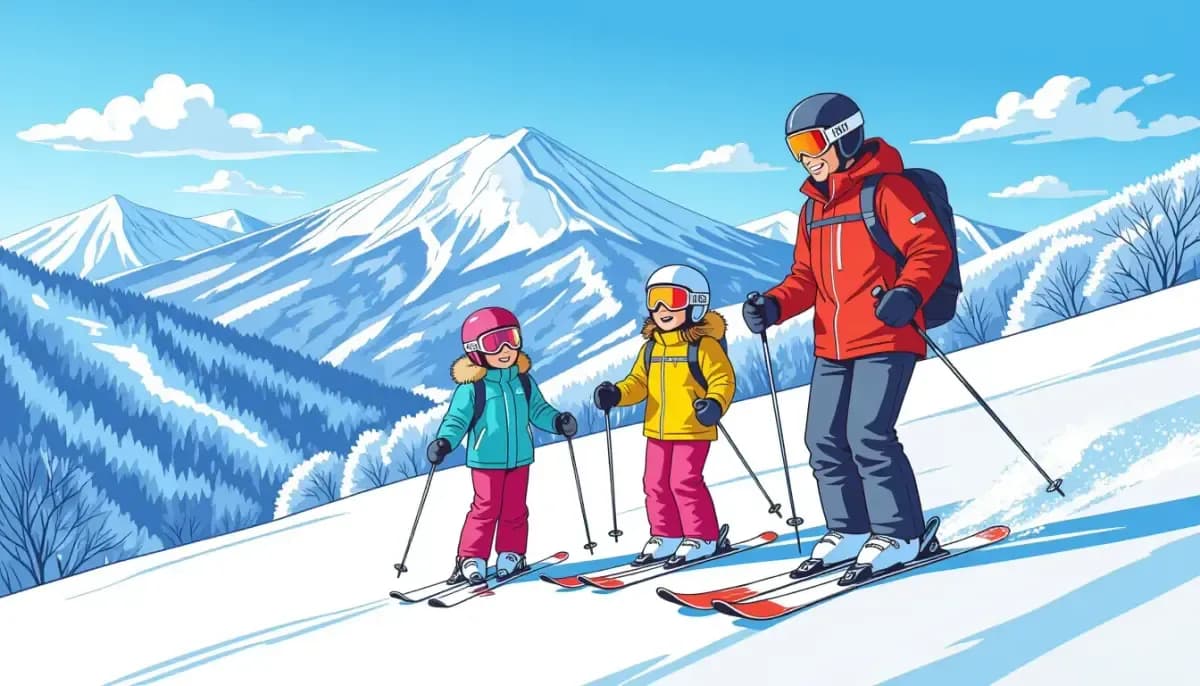
Complete guide to skiing and snowboarding in Japan with kids. Best family resorts, costs, children's lessons, onsen tips, and how to get there. Niseko, Hakuba, Rusutsu and more.
Read more →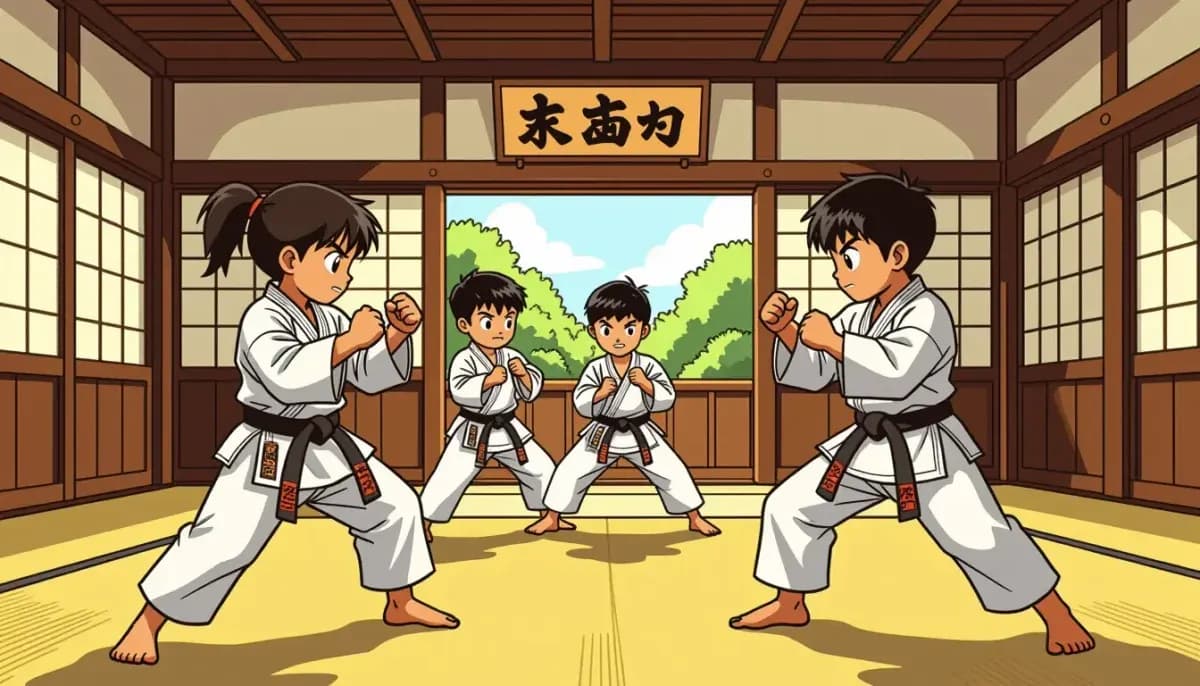
Complete guide to enrolling your child in karate, judo, or kendo in Japan. Learn about dojo costs, styles, English-friendly options, and what to expect as a foreign family.
Read more →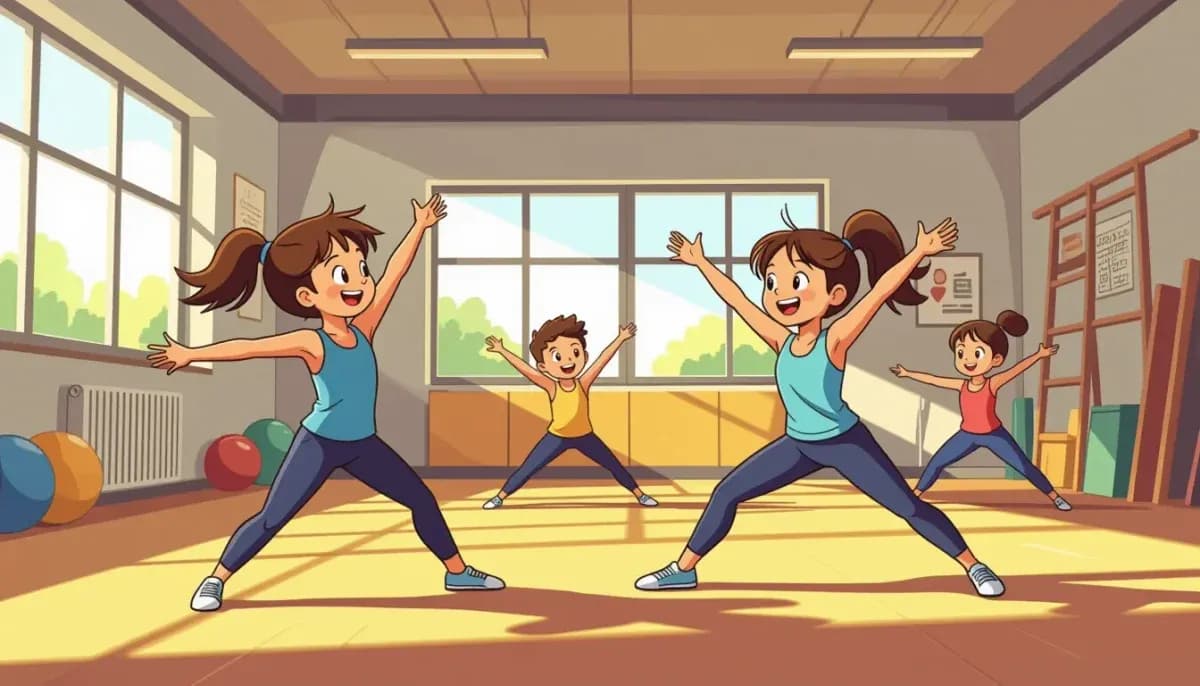
Find the best gymnastics and dance classes for your child in Japan. Costs, enrollment tips, English-friendly programs, and what foreign families need to know.
Read more →
A complete guide to baseball for children in Japan. Learn about youth leagues, how to join a team, what gear to buy, parent duties, and what to expect from training culture as a foreign family.
Read more →
Find the best soccer clubs and programs for children in Japan, from English-language academies to community teams. Complete guide for expat families including costs, cultural tips, and how to enroll.
Read more →
Everything foreign parents need to know about mandatory swimming education in Japanese schools: what children learn, required equipment, excused absences, and tips for preparing your child.
Read more →
Everything foreign families need to know about bukatsu (club activities) in Japanese schools — types, schedules, the senpai-kohai system, and tips for expat kids joining clubs.
Read more →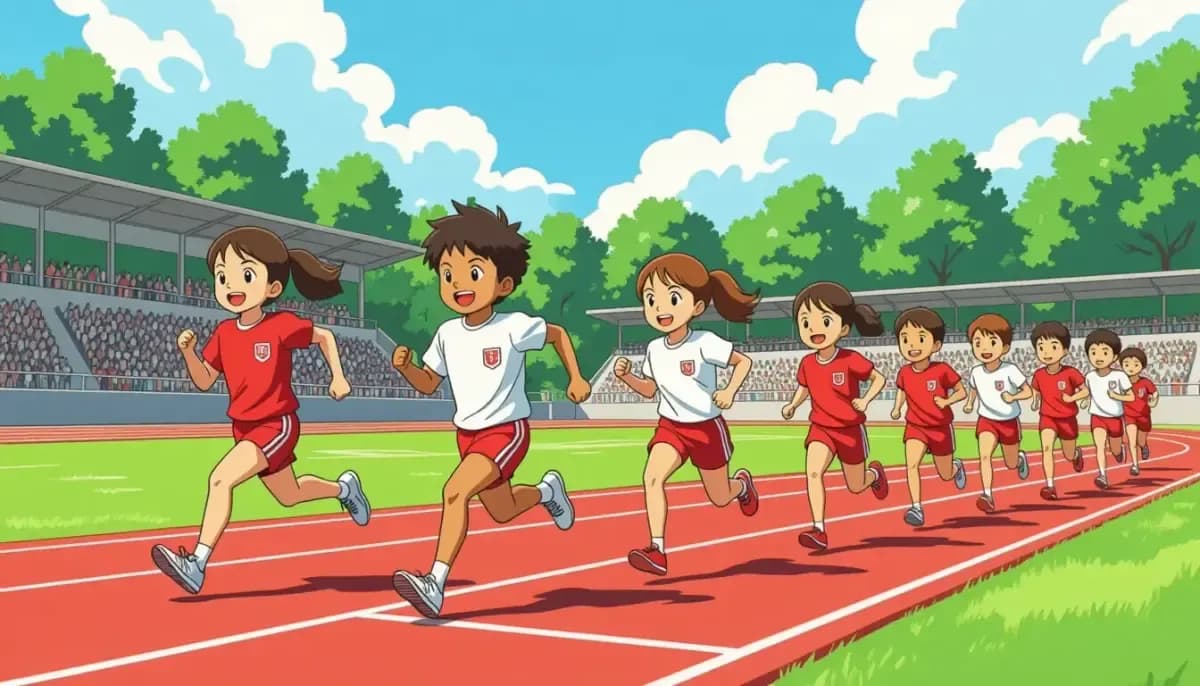
Everything foreign parents need to know about undokai, the Japanese school sports day. Learn what to expect, what to bring, and how to make the most of this beloved cultural tradition.
Read more →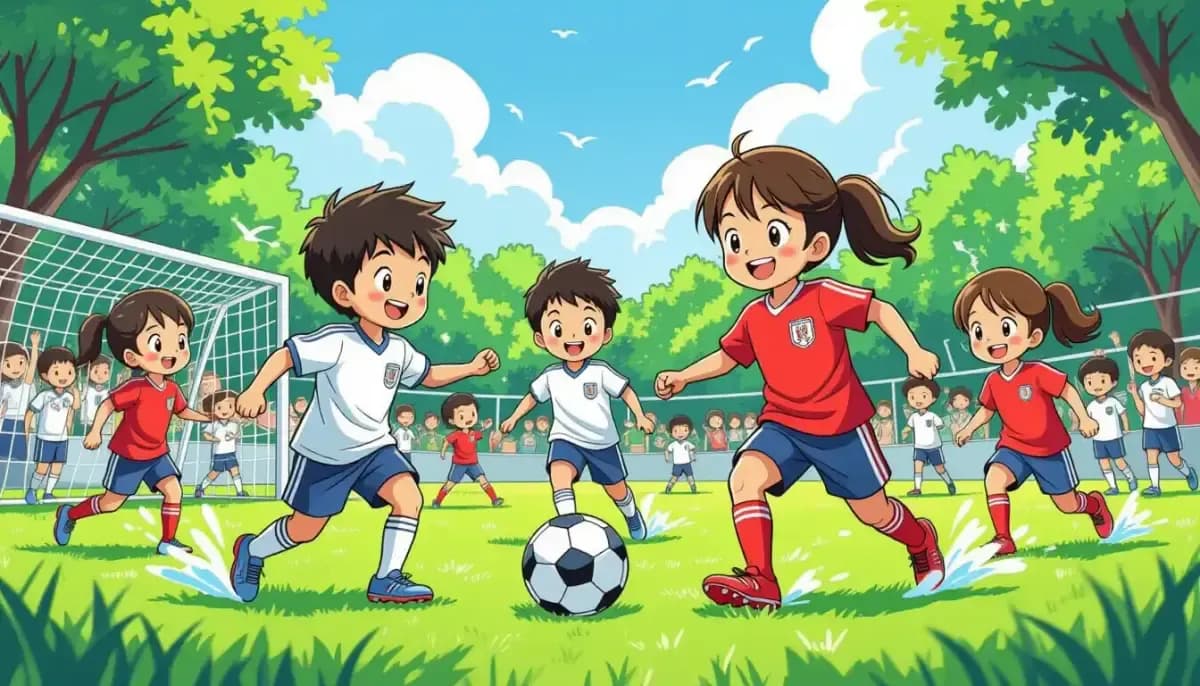
Discover the most popular sports for children in Japan — from swimming and soccer to martial arts and baseball. A practical guide for foreign families with enrollment tips, costs, and expat-friendly programs.
Read more →