
Most Popular Sports for Children in Japan

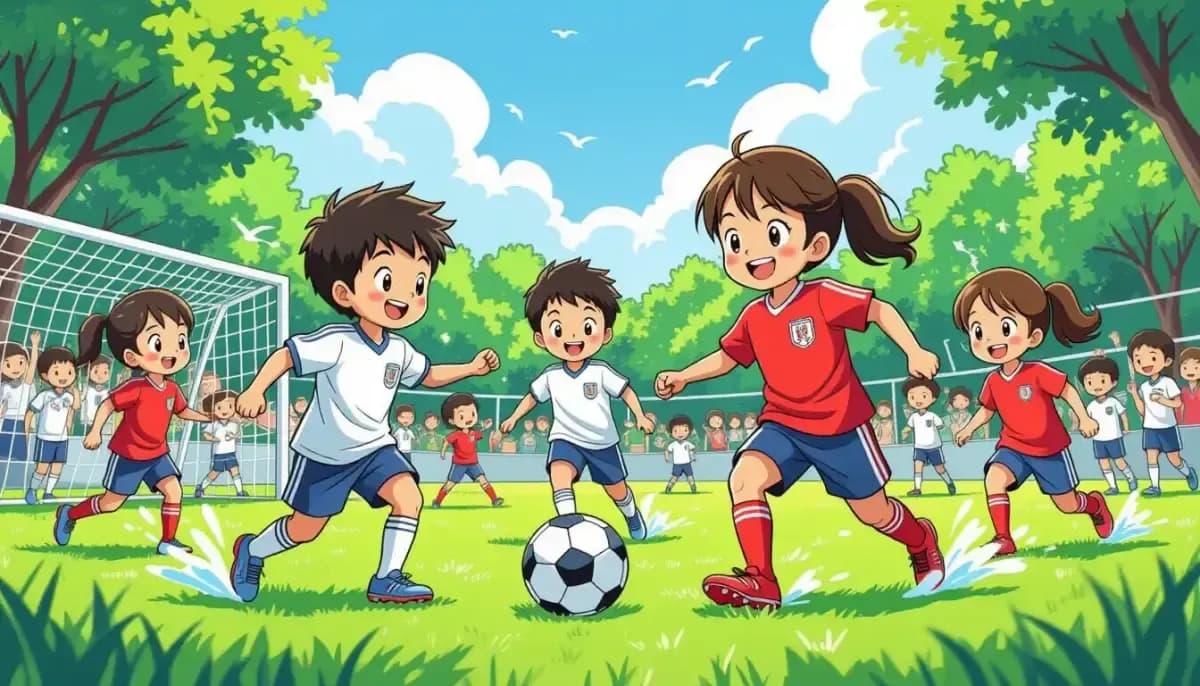
Discover the most popular sports for children in Japan — from swimming and soccer to martial arts and baseball. A practical guide for foreign families with enrollment tips, costs, and expat-friendly programs.
Most Popular Sports for Children in Japan: A Complete Guide for Foreign Families
If you're raising children in Japan, you'll quickly discover that sports and physical activity are deeply woven into daily life — from structured after-school clubs to the beloved annual Sports Festival. Japan offers an impressive range of options for kids of all ages and abilities, and understanding the landscape helps foreign families make the most of their time here.
This guide covers the most popular sports for children in Japan, how to enroll your child, what to expect culturally, and how to find programs that welcome international families.
Why Sports Matter So Much in Japanese Children's Culture
Japan takes children's physical development seriously. According to the Sasakawa Sports Foundation's 2023 White Paper on Sport, a remarkable 79.8% of children ages 4–11 participated in sports or physical activity at least three times per week. Even more striking, 82.7% of 6-year-olds were already enrolled in at least one extracurricular activity.
Sports culture in Japan operates on two primary tracks:
- Formal school sports (Bukatsu 部活): After-school clubs run by schools, mostly free
- Private sports academies (習い事 Naraigoto): Paid lessons at swimming schools, gymnastics centers, martial arts dojos, and soccer academies
The average elementary school student participates in 1.92 extracurricular activities — meaning most children juggle at least two. For foreign families, the good news is that many sports, particularly swimming and soccer, require minimal Japanese language ability and offer welcoming environments even for newcomers.
The Most Popular Sports for Children in Japan
1. Swimming (水泳 Suiei) — The #1 Activity
Swimming consistently tops the rankings as Japan's most popular extracurricular activity for children. Nearly every city has dedicated private swimming schools (スイミングスクール), and enrollment often starts as young as 2–3 years old.
Why it's so popular:
- Japanese parents see it as a critical safety skill
- Municipal pools are widely accessible and affordable
- Children can progress through clear belt/rank systems
- Intense heat and humidity in summer makes aquatic activity appealing
Typical cost: ¥7,000–¥10,000 per month for private swimming schools
For foreign families: Swimming schools are among the most foreigner-friendly environments. Instructions are largely visual, and many schools have multilingual materials or English-speaking staff in international areas.
2. Soccer/Football (サッカー Sakkaa)
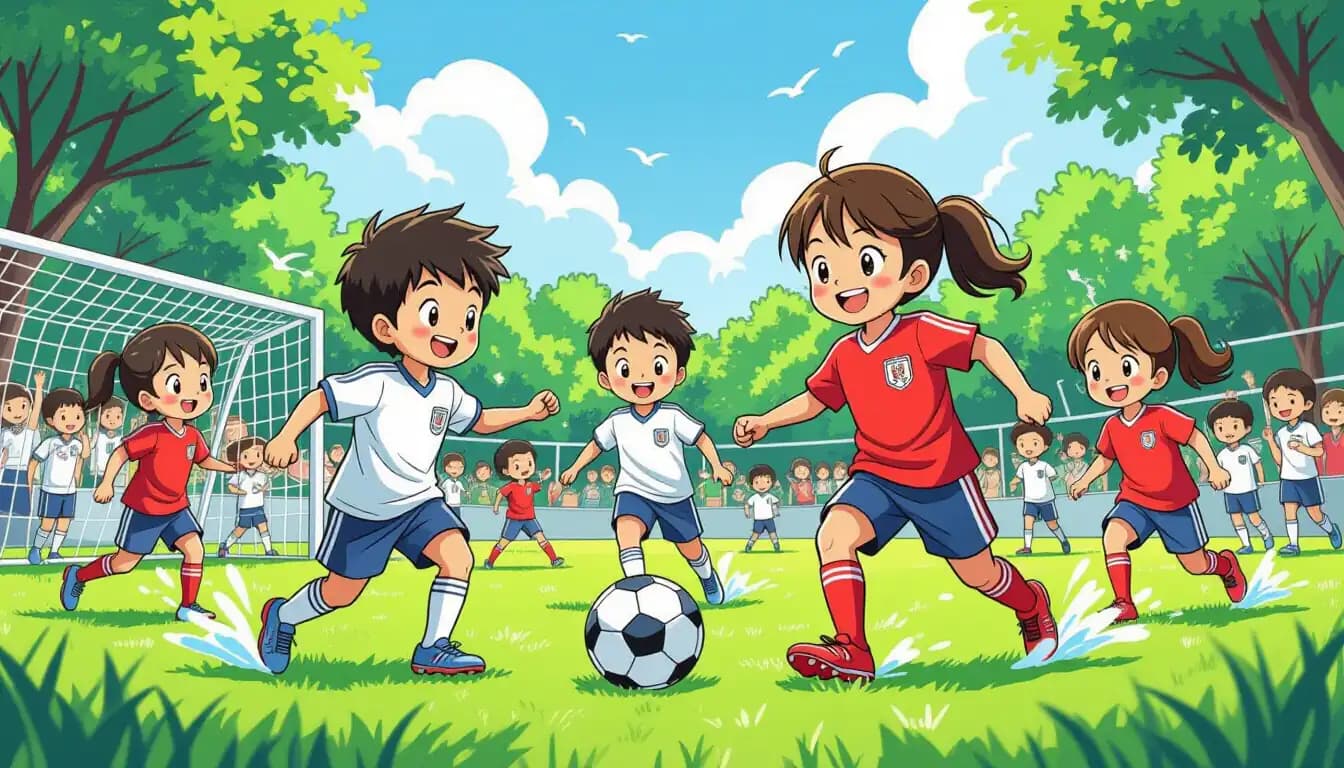
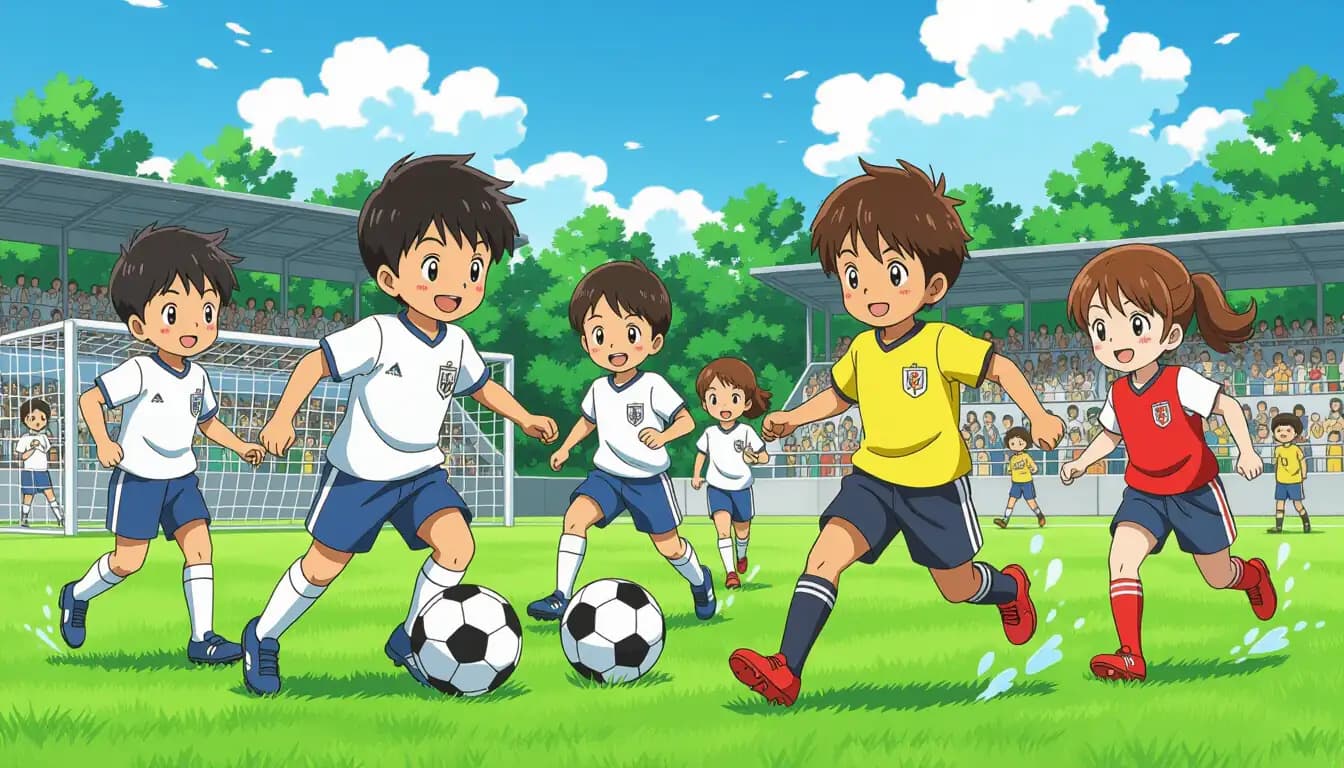
Soccer is Japan's most popular team sport for children. The J.League's youth development pipeline has produced a generation of passionate young players, and community-level clubs (少年サッカー Shōnen Sakkaa) are found in every neighborhood.
According to the Sasakawa Foundation, football is the #1 club sport among junior high school boys (14.6% enrollment). Even at elementary level, community soccer clubs charge as little as ¥2,000/month, making it one of the most affordable team sports.
English-friendly options:
- British Football Academy offers coaching for ages 3–15 with English-speaking British coaches at 6 venues in Tokyo and Yokohama
- International schools often run soccer programs in English
3. Baseball/Softball (野球・ソフトボール Yakyuu/Sofutobooru)
Baseball holds a special cultural place in Japan — it's the traditional king of school sports. "Little League" style teams (学童野球 Gakudō Yakyuu) are embedded in local communities, and rubber baseball (軟式野球 Nanshiki Yakyuu) is a distinctly Japanese version played by most children.
For junior high school boys, rubber baseball ranks 3rd most popular club sport at 13.0%. However, baseball tends to demand significant time commitment — weekend practices are common — and teams can be less accessible for foreign children unfamiliar with the culture.
4. Martial Arts (武道 Budō)
Japan is the birthplace of karate, judo, aikido, and kendo. These arts are practiced both at private dojos and within school bukatsu systems. Judo is mandatory in Japanese junior high PE curriculum, giving all children baseline exposure.
For foreign families:
- Karate dojos often accept children from age 4
- Many dojos welcome international students and have experience with non-Japanese speakers
- Martial arts emphasize discipline and respect — values that translate across language barriers
Example: Noji Dojo in Chuo-ku, Tokyo accepts children from age 4 and has welcomed foreign students.
5. Basketball (バスケットボール Basukettobōru)
Boosted by NBA popularity and the success of Japanese players internationally, basketball has surged in popularity. It ranks 2nd for junior high boys (14.3%) and 3rd for both junior high girls (15.1%) and high school girls (13.2%).
Basketball is relatively easy for foreign children to join as teams are familiar with international players and courts are found in nearly every school and community center.
6. Gymnastics and Dance (体操・ダンス Taisō/Dansu)
Gymnastics is a top choice for younger girls (ages 3–8) and costs ¥4,000–¥10,000/month at private academies. Dance — particularly hip-hop, ballet, and jazz — has grown rapidly in recent years. Both activities emphasize individual skill development.
Sports All Year in Hiroo, Tokyo offers basketball, volleyball, cheer, and hip-hop for international families with children ages 5–18, with international coaches who conduct sessions in English.
7. Tennis and Soft Tennis (テニス・ソフトテニス)
Soft Tennis, a uniquely Japanese sport played with a rubber ball, is the #1 club sport for junior high girls at 19.2%. Regular tennis is popular at private academies. Both versions develop coordination and can be practiced year-round at indoor facilities.
8. Volleyball (バレーボール Barēbooru)
Volleyball is the 2nd most popular club sport for junior high girls (18.1%) and tops the high school girls list at 13.8%. Mixed-gender recreational volleyball is also common in community sports centers, providing another integration opportunity for expat families.
Japan's Unique Sports Culture: Undoukai and Bukatsu
The Sports Festival (運動会 Undoukai)
One of Japan's most beloved school traditions, the Undoukai is an annual outdoor Sports Festival held at most elementary and junior high schools. Typically scheduled in May or September/October, children spend about one month practicing for relay races, tug-of-war, dance performances, and team events.
For foreign families, Undoukai is a wonderful integration experience — the entire school community gathers, and children wear matching colored headbands representing their team. Learn more about what to expect at Japanese Sports Festivals.
School Sports Clubs (部活 Bukatsu)
Bukatsu are after-school sports and activity clubs run by junior high and high schools. They are:
- Mostly free to join
- Voluntary but widely expected
- A major part of Japanese school social life
- Available for sports from football and track to table tennis and swimming
For foreign students entering Japanese junior high or high school, joining a bukatsu is one of the best ways to make friends and integrate. See our guide to Junior High School in Japan for more context on how bukatsu fit into school life.
Sports Participation by Age Group
Understanding when children typically start which sports helps families plan enrollment:
| Age Group | Top Sports | Enrollment Rate | Notes |
|---|---|---|---|
| 2–4 years | Swimming, gymnastics | 25–47% | Early start common |
| 5–6 years | Swimming, dance, soccer | 71–82% | Major enrollment surge |
| Elementary (6–12) | Swimming, soccer, baseball | 58.3% in clubs | Peak private club era |
| Junior high (12–15) | Football, basketball, soft tennis | 71.0% in clubs | Bukatsu dominates |
| High school (15–18) | Football, basketball, volleyball | 49.6% in clubs | Competition intensifies |
Source: Sasakawa Sports Foundation White Paper on Sport 2023
How to Find Sports Programs for Your Child in Japan
Step 1: Check Your Community Center
Every city in Japan has a 公民館 (Kōminkan) or 体育館 (Taiikukan) offering affordable sports programs. These community-run activities are often cheap (¥500–¥2,000/month) and welcome all residents regardless of nationality.
Step 2: Ask at School
Japanese teachers routinely recommend local sports academies and community clubs. Even if language is a barrier, showing interest in activities for your child signals integration effort and teachers will help connect you.
Step 3: Explore Expat Networks
International communities in major cities maintain lists of English-friendly sports programs. The Expat's Guide to Japan maintains a regularly updated list of sports programs accepting international children in Tokyo and beyond.
Step 4: Finding Adult Sports Circles
If you're also looking for sports opportunities for yourself alongside your children, For Work in Japan's guide to finding sports circles covers how to find community teams through platforms like Meetup, つなげーと (65,000+ registered circles), and サークルブック.
Step 5: Consider Japanese Language Support
For activities requiring language interaction (team meetings, coach instructions), consider programs that offer:
- English-speaking coaches
- International team rosters
- Visual/demonstration-based instruction
Costs Comparison: Popular Children's Sports in Japan
| Sport | Monthly Cost | Age Range | Language Barrier |
|---|---|---|---|
| Swimming | ¥7,000–¥10,000 | 2+ years | Low |
| Community Soccer | ¥2,000–¥8,000 | 4+ years | Low-Medium |
| Baseball | ¥3,000–¥6,000 | 6+ years | Medium-High |
| Martial Arts (Karate/Judo) | ¥3,000–¥6,000 | 4+ years | Low-Medium |
| Gymnastics | ¥4,000–¥10,000 | 2+ years | Low |
| Dance | ¥3,000–¥6,000 | 3+ years | Low |
| Tennis | ¥5,000–¥12,000 | 5+ years | Medium |
| Basketball | ¥3,000–¥8,000 | 6+ years | Medium |
Bukatsu (school clubs): Mostly free, available from junior high school
Gender Trends in Children's Sports
Japan shows notable differences in sports participation by gender that families should be aware of:
- Boys tend to favor football, baseball, basketball, and martial arts
- Girls tend to favor soft tennis, volleyball, gymnastics, dance, and swimming
- Gender gaps are most pronounced at high school level (boys 49.0% vs girls 33.8% club enrollment)
- Post-pandemic trends show girls increasingly joining basketball and dance
However, these are trends, not rules. Many clubs welcome all genders, and international families often bring different expectations that are generally respected.
Tips for Foreign Families Navigating Japanese Sports Culture
1. Respect the time commitment. Japanese sports clubs — especially bukatsu — expect regular attendance. Skipping practice without notice is considered disrespectful.
2. Embrace the team culture. Japanese sports emphasize group harmony (和 wa), effort, and respect for coaches. This can differ from Western approaches that emphasize individual achievement.
3. Prepare for the enrollment season. Japan's sports year runs April to March, synchronized with the school year. Most academies enroll new students in April. Mid-year enrollment is possible but less common.
4. Volunteer and participate. Many community sports clubs require parent volunteer hours for weekend games. This is actually a great opportunity to build relationships with other families.
5. Check financial assistance. If cost is a concern, see our guide on Government Benefits and Subsidies for Families in Japan — some municipalities offer subsidies for children's extracurricular activities.
For broader context on raising children in Japan, our Complete Guide to the Japanese Education System covers how sports integrate with academic life, and our guide to Elementary School in Japan explains how physical education and school sports festivals fit into the curriculum.
For parents thinking about finances, Living in Nihon's guide to planning education costs for children in Japan provides useful context on budgeting for extracurricular activities.
Conclusion
Japan offers a rich and structured sports culture for children — one that foreign families can absolutely participate in and benefit from. Swimming leads the pack as the most popular and accessible activity, followed by soccer, martial arts, basketball, and baseball. The cultural rituals of Undoukai and Bukatsu add unique depth to the Japanese sports experience.
Whether your child is a natural athlete or just beginning to explore physical activities, Japan's network of private academies, community clubs, and school programs ensures there is something for every child. Start with swimming or soccer for the lowest language barrier, and don't hesitate to connect with other expat families who have already navigated this journey.
For children approaching junior high school entrance exams, Chuukou Benkyou is a useful resource covering cram school strategies and exam preparation in Japan.
For more information on raising children in Japan, explore our guides on healthcare for children in Japan, bilingual child-raising strategies, and mental health support for foreign children.

Originally from Vietnam, living in Japan for 16+ years. Graduated from Nagoya University, with 11 years of professional experience at Japanese and international companies. Sharing practical information for foreign parents raising children in Japan.
View Profile →Related Articles
Sports Injuries and Safety for Children in Japan
A complete guide for foreign parents on sports injuries, heat illness, abuse in sports, and medical care for children in Japan. Includes bukatsu safety tips and insurance advice.
Read more →
Physical Fitness Testing in Japanese Schools
Everything foreign parents need to know about Japan's annual Shin-tairyoku Test: 8 test items, scoring, results, and tips to help your child prepare for school fitness testing.
Read more →
Team Sports Culture in Japanese Schools
Discover how team sports work in Japanese schools — from bukatsudo clubs and senpai-kohai hierarchy to undokai sports festivals. A complete guide for foreign and expat families in Japan.
Read more →
Track and Field for Kids in Japan
Everything expat families need to know about track and field for kids in Japan — school clubs, private athletics clubs, costs, competitions, and how to enroll your child.
Read more →
Winter Sports for Families: Skiing and Snowboarding in Japan
Complete guide to skiing and snowboarding in Japan with kids. Best family resorts, costs, children's lessons, onsen tips, and how to get there. Niseko, Hakuba, Rusutsu and more.
Read more →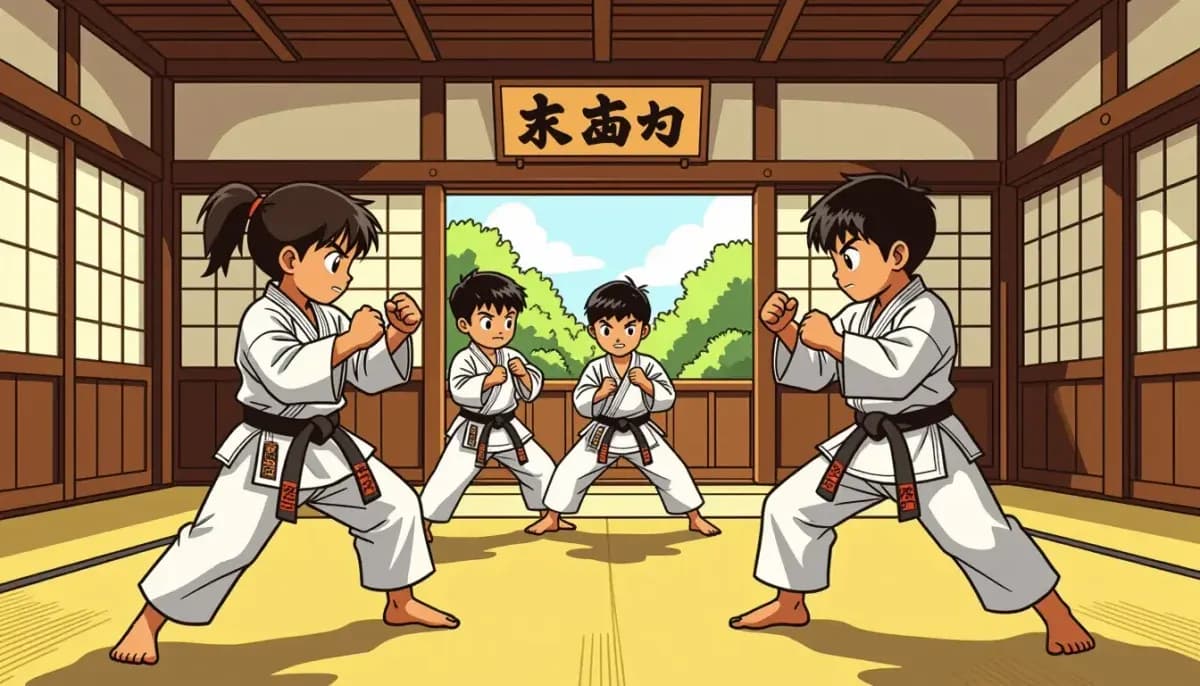
Martial Arts for Kids: Karate, Judo, and Kendo
Complete guide to enrolling your child in karate, judo, or kendo in Japan. Learn about dojo costs, styles, English-friendly options, and what to expect as a foreign family.
Read more →