
Swimming Requirements and Lessons in Japanese Schools

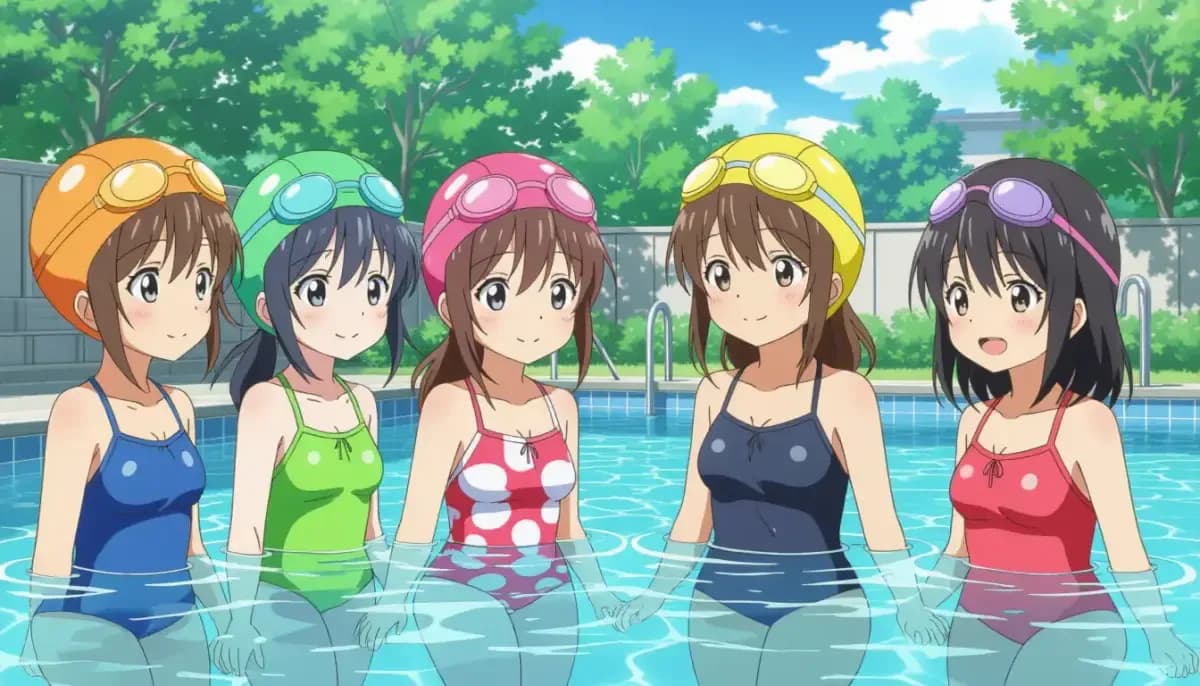
Everything foreign parents need to know about mandatory swimming education in Japanese schools: what children learn, required equipment, excused absences, and tips for preparing your child.
Swimming Requirements and Lessons in Japanese Schools: A Complete Guide for Foreign Families
If your child is starting school in Japan, one of the most distinctive aspects of the curriculum might surprise you: swimming is a mandatory subject. From elementary school onward, Japanese students spend several weeks each year learning to swim in a school pool. As a foreign parent, understanding how swimming education works in Japan will help you prepare your child and navigate the expectations — from required equipment to excused absences.
This guide covers everything you need to know about swimming lessons in Japanese schools, including what children learn at each stage, what to bring, how the system compares to other countries, and what options are available if your child needs extra support.
Why Swimming Is Mandatory in Japan
Japan's relationship with water is deeply woven into its culture and geography. As an island nation surrounded by ocean and frequently affected by typhoons, floods, and tsunamis, water safety has historically been a matter of national importance.
The formal inclusion of swimming in Japan's national school curriculum dates to 1968. The policy was driven in part by two tragic incidents in 1955: the Shiun Maru ferry disaster, in which 168 people died including approximately 100 schoolchildren, and a separate drowning incident at Kyohoku Junior High School that claimed 36 young lives. These events galvanized the government to ensure that all children received basic water survival training as part of their education.
Today, swimming (水泳, suiei) is a required component of Physical Education (体育, taiiku) in the Japanese national curriculum. Unlike many countries where swimming is an optional extracurricular activity, Japanese public schools treat it the same as running, gymnastics, or team sports — something every child must participate in.
For foreign families, this is worth noting: you cannot opt your child out of swimming simply because they don't enjoy it or haven't had prior lessons. That said, legitimate exceptions do exist, which we'll cover later.
What Swimming Lessons Look Like in Japanese Schools
The Swimming Season
Because the vast majority of Japanese school pools are outdoors, the swimming season is limited by weather. Classes typically run from mid-June through September in most of Japan, though warmer regions like Okinawa may start earlier. In Hokkaido and other colder areas, the season can be even shorter.
A typical school year includes about 4 to 5 swimming lessons per grade, usually held as double-periods (two class periods back-to-back) to allow enough time in the water. Lessons can be cancelled or postponed due to rain, low temperatures, or poor air quality, which is why the total number of lessons may vary.
What Children Learn: Grade-by-Grade Overview
Swimming education in Japan is structured progressively. Here's a general breakdown of what students are expected to learn at each school level:
| School Level | Age Range | Key Swimming Goals |
|---|---|---|
| Elementary (Grades 1–2) | 6–8 years | Water familiarization, floating, kicking, face in water |
| Elementary (Grades 3–4) | 8–10 years | Basic freestyle and backstroke, floating 10–15 meters |
| Elementary (Grades 5–6) | 10–12 years | Swimming 25 meters in breaststroke or freestyle |
| Junior High School | 12–15 years | Distance swimming (50–100m), stroke refinement, water safety |
| High School | 15–18 years | Advanced strokes, rescue techniques, competitive basics |
The key milestone is swimming 25 meters without stopping, which is the target for upper elementary students. Students who cannot yet reach this goal by the end of elementary school are often encouraged to take private swim lessons outside of school hours.
The Grading Criteria
Japanese schools use a tiered grading system for swimming, often referred to in terms of distance and technique. A student who can complete 25 meters in correct freestyle form will receive a higher grade than one who covers the same distance with irregular technique. Some schools use visible tiers — colored badges or ribbons sewn to the swim cap — to indicate a child's current swimming level, which doubles as a useful safety signal for teachers supervising the pool.
Required Equipment for School Swimming
One of the first things you'll need to prepare as a parent is the required swimming equipment. Schools in Japan are specific about what students should bring, and in some cases, there are rules about the style or color of the swimwear itself.
Typical required items include:
- Swimsuit (水着, *mizugi*): Schools often specify that swimsuits must be navy blue or black, and some schools only allow one-piece styles for girls. Bikinis and board shorts are generally not permitted. The school may specify a particular brand or design.
- Swim cap (水泳帽, *suiei bou*): Most schools use color-coded caps to distinguish students by grade or swimming ability level. The school will provide or specify the correct color. You usually need to write the child's name inside.
- Goggles (ゴーグル, *gouguru*): Optional in lower grades but highly recommended; some schools require them in upper grades.
- Towel (タオル): A full-size towel for drying off, plus a smaller face towel.
- Plastic bag: For storing wet swimwear after class.
Check the school handbook (tebiki) or ask the class teacher for the precise list. Some schools require the child's name to be written or sewn on every item, including goggles.
The "Jigoku no Shower" — The Cold Shower Ritual
One aspect of Japanese school swimming that surprises many foreign children and parents is the mandatory shower taken before entering the pool. Known colloquially as the jigoku no shawaa (地獄のシャワー), or "hell shower," this is typically a cold-water rinse that students must pass through as a group before they are allowed to enter the pool.
The purpose is hygienic — to wash off sweat and sunscreen before entering the shared water — and also serves as a brief cold-water acclimation. From a child's perspective, especially on a warm day, this often becomes one of the most memorable (and dreaded) rituals of the school year. It is a rite of passage that generations of Japanese schoolchildren share, and many adults recall it fondly — or not so fondly — as part of their school swimming memories.
If your child is particularly sensitive to cold water, it helps to prepare them in advance so the experience isn't a complete shock. Reassure them that every student goes through it together and that it passes quickly.
Getting Excused from Swimming Lessons
Swimming participation is expected, but it is not absolute. Schools in Japan do accommodate students who cannot participate for legitimate reasons. Common grounds for excused absences from swimming include:
- Medical conditions: A doctor's note (診断書, shindan-sho) is required. Common conditions include ear infections, skin conditions such as eczema or atopic dermatitis, recent surgery, or chronic illness.
- Menstruation: Girls who are menstruating may be excused without a doctor's note in most schools. Some schools provide a form for the parent to fill out.
- Religious or cultural reasons: These are increasingly recognized in Japanese schools. If your family's religion prohibits mixed-gender swimming or requires specific modesty coverage, you can request an accommodation. Bring documentation and speak with the homeroom teacher or school principal. Schools are generally accommodating, though it may require some discussion.
- Fear of water / anxiety: While not always automatically excused, schools do try to work with children who have significant water-related anxiety, especially in early grades.
When requesting an excused absence, write a note in the school's contact notebook (renrakucho, 連絡帳) or speak directly with the teacher. Japanese schools prefer advance notice rather than day-of explanations.
School Pools: What to Expect
According to data from the Sasakawa Sports Foundation, approximately 75% of Japanese elementary and junior high schools have their own on-site pools — about 22,036 schools out of 29,412 as of 2021. However, only around 2% of these pools are indoor facilities. This means that the swimming season is almost entirely weather-dependent.
| Statistic | Data |
|---|---|
| Schools with on-site pools (2021) | ~22,036 (75%) |
| Indoor pools | ~429 (2%) |
| Pool numbers (2002 vs. 2021) | Down from 27,733 to 22,036 |
| Water-related school accidents (elementary, 2022) | ~1,573 incidents |
In recent years, a growing number of schools — particularly junior high schools — have been discontinuing their in-pool lessons. Aging infrastructure (many pools were built in the 1970s and 1980s), high maintenance costs, and concerns about heatstroke risk during outdoor lessons are driving this shift. Some schools have replaced in-pool sessions with classroom-based water safety education. Experts warn this trend may undermine the drowning prevention goals that originally motivated mandatory swimming education.
Schools without their own pools typically partner with nearby community facilities or private swim schools to provide off-campus lessons.
After-School Swimming Lessons in Japan
Swimming is not just a school subject in Japan — it is also the country's most popular extracurricular activity for children. According to data from Nippon.com, swimming ranked as the #1 after-school activity for children four consecutive years running, with around 38% of respondents choosing it over soccer, piano, and other options.
Many parents enroll their children in private swim schools (suieijuku, 水泳塾) outside of school hours to give them a head start before the school season begins, or to help them catch up if they are struggling to meet grade-level goals. These classes are widely available at public gyms, private swim academies, and even major sports clubs such as Konami Sports, Central Sports, and TIPNESS.
Private swim lessons typically run year-round, even when school pools are closed. They often use indoor heated pools, which makes them appealing for children who want to improve regardless of season. Costs vary widely depending on the facility and the number of sessions per month, but budget roughly ¥5,000–¥10,000 per month for group lessons.
If your child is nervous about swimming or is significantly behind their peers, starting private lessons a few weeks before the school season opens in June can make a considerable difference in their confidence and performance.
Tips for Foreign Parents: Navigating the System
If your child is joining a Japanese school for the first time, here are some practical tips specific to the swimming program:
- Read the school handbook carefully: Swimming requirements and equipment specifications vary by school. Don't assume your child's swimwear from another country will be acceptable.
- Label everything: Every item must have your child's name. Use iron-on name labels or waterproof name stickers.
- Prepare your child for the cold shower: Tell them about it in advance so it doesn't feel like a punishment.
- Talk about swimming levels openly: Japanese schools are transparent about swimming ability levels. Don't let your child feel embarrassed about being at a beginner level — many children are, and teachers are supportive.
- Consider summer swim lessons: The weeks before the school pool opens are a great time to practice. Many facilities offer intensives in May or early June.
- Know your exception rights: You can request accommodations for medical, religious, or cultural reasons without fear of judgment. Communication is key.
For more guidance on navigating school life in Japan as a foreign family, see our article on elementary school in Japan for foreign parents and our overview of after-school activities and extracurriculars in Japan.
You can also find useful context on Japanese school culture at Living in Nihon, which offers guides for foreigners adjusting to daily life in Japan. For work-life balance considerations as a parent, For Work in Japan has resources for navigating professional life in Japan alongside family responsibilities.
What Happens If Your Child Can't Swim at All?
This is one of the most common worries among foreign parents, especially those coming from countries where swimming is not a school subject. The good news is that Japanese swimming education starts from scratch in first grade — even children who have never been in a pool before will be gently introduced to water familiarization in their earliest lessons.
Teachers in Japan are trained to handle students at all levels. Children are often grouped by ability within the class so that beginners receive age-appropriate instruction without being compared directly to more advanced swimmers. There is no shame attached to being a beginner.
That said, the curriculum does ramp up in Grades 3 through 6, and by the end of elementary school, there is a clear expectation that students can swim at least 25 meters. If your child is significantly behind, supplemental lessons outside school — whether at a community pool or private swim school — are widely used and socially accepted.
For additional support finding activities that match your child's developmental needs, browse our sports and physical activities guide for children in Japan and learn about physical and healthcare considerations for children in Japan.
For academic enrichment support, Chuukou Benkyou provides study support resources for students in Japan's school system.
Conclusion
Swimming in Japanese schools is more than just a PE class — it is a safety-oriented, culturally significant tradition that has been part of the curriculum for over 50 years. For foreign families, adapting to this system is generally straightforward once you understand the expectations around equipment, excused absences, and grade-level goals.
Whether your child is an experienced swimmer or has never set foot in a pool, Japan's school system is designed to bring all students to a basic level of water competency. Embracing this aspect of Japanese school life — including the infamous cold shower — can actually be a wonderful way for your child to connect with their Japanese classmates and build a skill that will serve them throughout their lives.
For more detailed information about school swimming lessons, check out the practical guide at Koto-Koto and statistics on Japan's school sports infrastructure from the Sasakawa Sports Foundation.

Originally from Vietnam, living in Japan for 16+ years. Graduated from Nagoya University, with 11 years of professional experience at Japanese and international companies. Sharing practical information for foreign parents raising children in Japan.
View Profile →Related Articles
Sports Injuries and Safety for Children in Japan
A complete guide for foreign parents on sports injuries, heat illness, abuse in sports, and medical care for children in Japan. Includes bukatsu safety tips and insurance advice.
Read more →
Physical Fitness Testing in Japanese Schools
Everything foreign parents need to know about Japan's annual Shin-tairyoku Test: 8 test items, scoring, results, and tips to help your child prepare for school fitness testing.
Read more →
Team Sports Culture in Japanese Schools
Discover how team sports work in Japanese schools — from bukatsudo clubs and senpai-kohai hierarchy to undokai sports festivals. A complete guide for foreign and expat families in Japan.
Read more →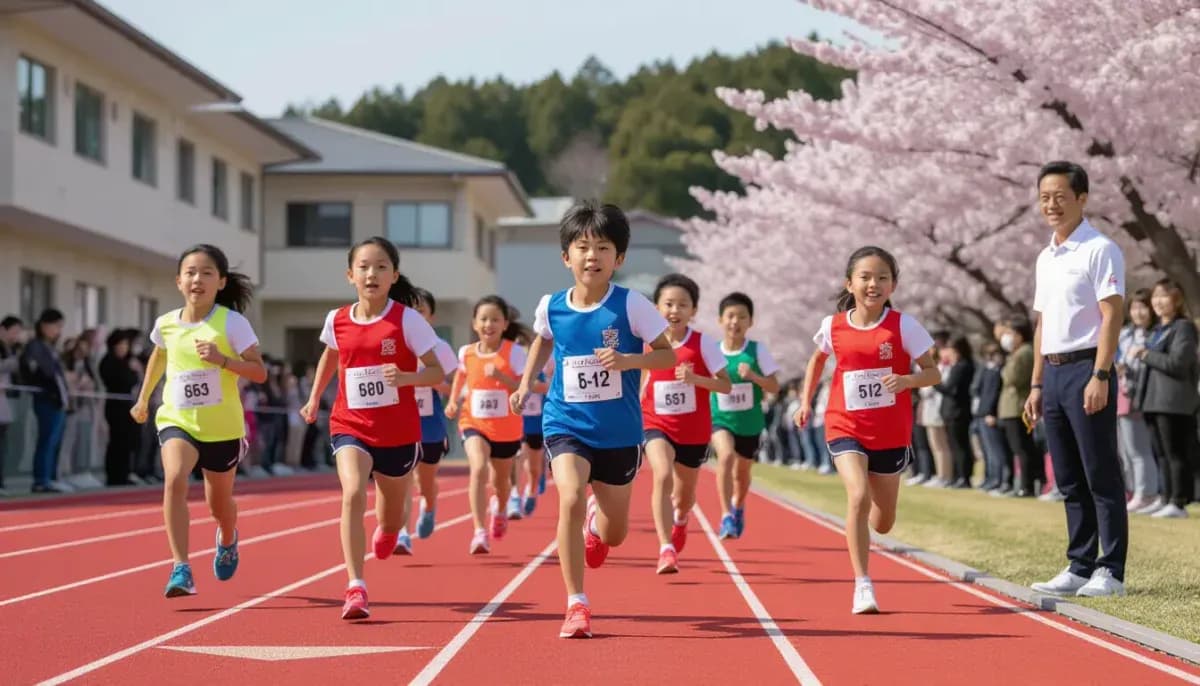
Track and Field for Kids in Japan
Everything expat families need to know about track and field for kids in Japan — school clubs, private athletics clubs, costs, competitions, and how to enroll your child.
Read more →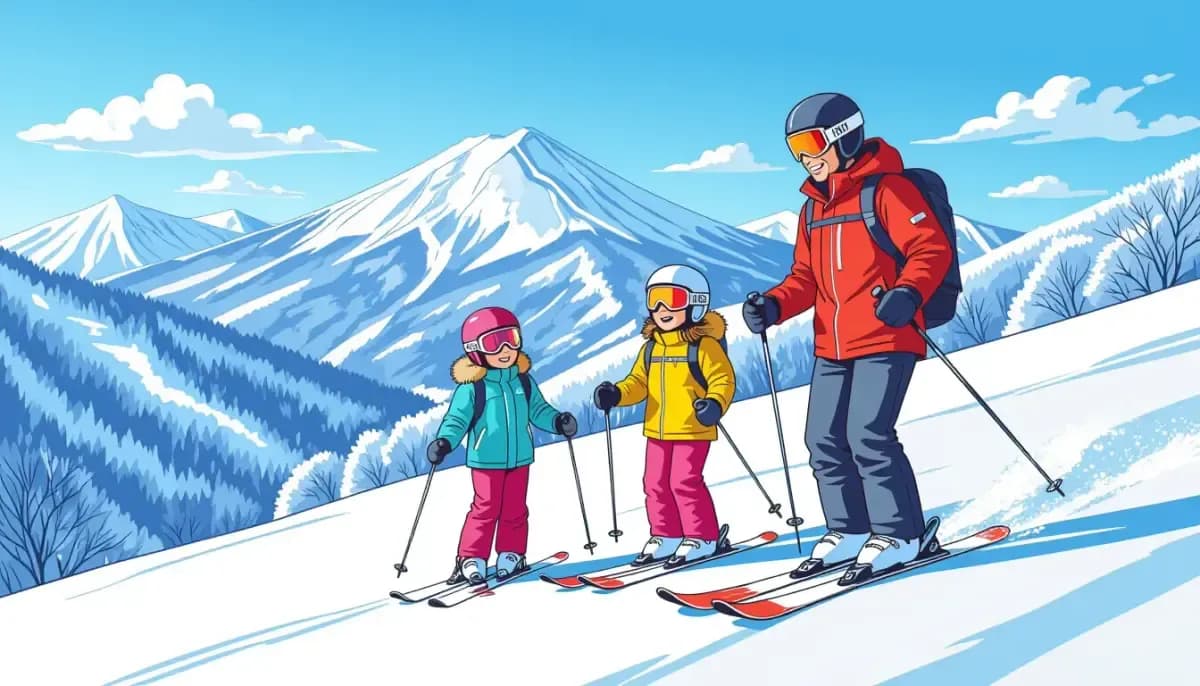
Winter Sports for Families: Skiing and Snowboarding in Japan
Complete guide to skiing and snowboarding in Japan with kids. Best family resorts, costs, children's lessons, onsen tips, and how to get there. Niseko, Hakuba, Rusutsu and more.
Read more →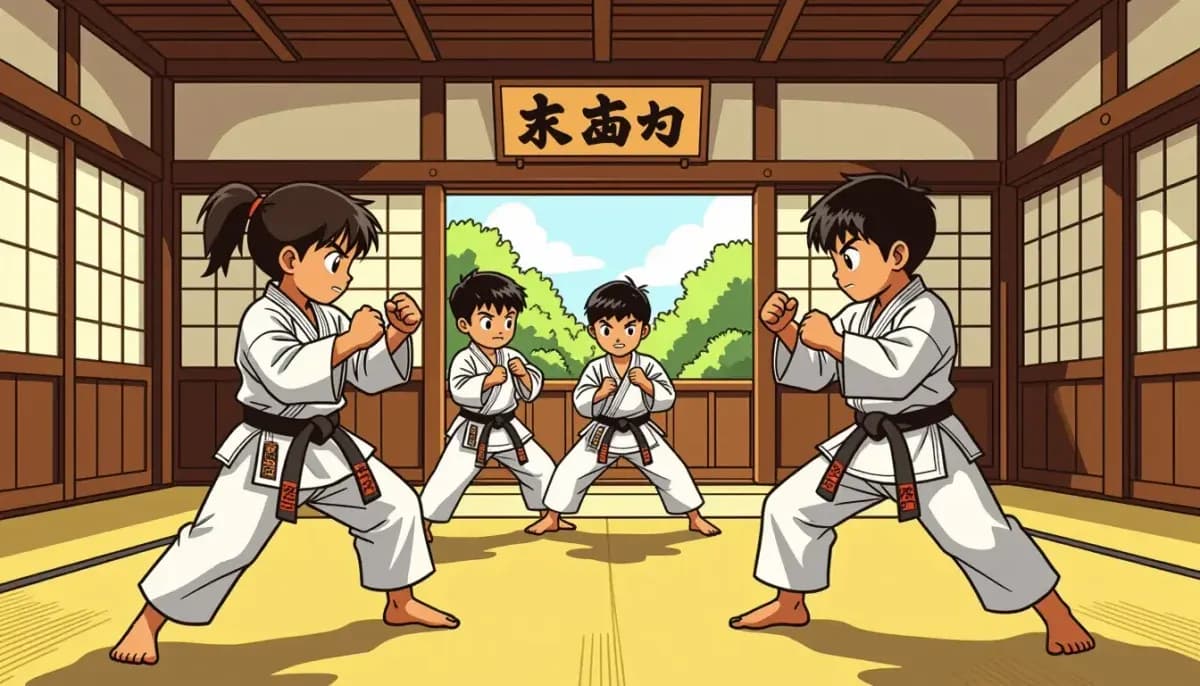
Martial Arts for Kids: Karate, Judo, and Kendo
Complete guide to enrolling your child in karate, judo, or kendo in Japan. Learn about dojo costs, styles, English-friendly options, and what to expect as a foreign family.
Read more →