
Club Activities (Bukatsu) in Japanese Schools Explained

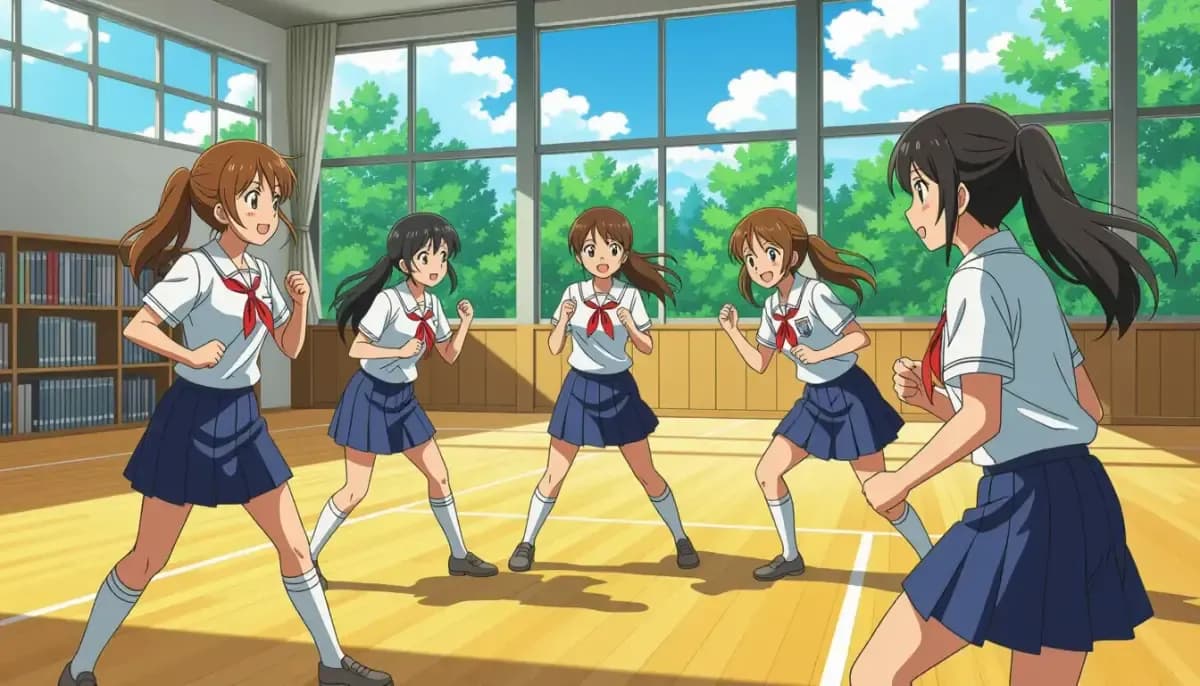
Everything foreign families need to know about bukatsu (club activities) in Japanese schools — types, schedules, the senpai-kohai system, and tips for expat kids joining clubs.
Club Activities (Bukatsu) in Japanese Schools Explained
If your child is entering a Japanese junior high or high school, one of the biggest surprises will likely be bukatsu (部活動, bukatsudo) — the after-school club activity system. Unlike extracurricular activities in many Western countries, bukatsu in Japan is a deeply embedded cultural institution that shapes not just how students spend their afternoons, but their values, friendships, and sense of identity. For foreign families, understanding how bukatsu works — and what to expect — is essential before your child sets foot in a Japanese classroom.
What Is Bukatsu? The Basics of Japanese School Clubs
Bukatsu (部活, short for 部活動, bukatsudo) refers to the extracurricular club activities that take place before school, after school, and on weekends at Japanese junior high and senior high schools. While participation is officially voluntary, the social expectation at most schools is that every student belongs to at least one club — and the statistics back this up: roughly 92% of junior high school students and 81% of senior high school students participate in a club activity.
Clubs are divided into two broad categories:
- Undō-bu (運動部) — Sports clubs, covering everything from baseball and soccer to kendo, kyudo, and sumo
- Bunka-bu (文化部) — Cultural clubs, including brass band, choir, art, calligraphy, tea ceremony, manga, science, and theater
Every club is supervised by a teacher, but in practice the senior students (senpai) run the day-to-day operations, mentoring the juniors (kohai) below them. This hierarchy is not just about sports technique or artistic skill — it is a training ground for the vertical social relationships that define Japanese workplaces and society.
For more on how the broader Japanese school system works, see our guide: The Complete Guide to the Japanese Education System for Foreign Families.
Types of Clubs: What Can Your Child Join?
Japanese schools offer an impressive variety of clubs. The Japan Sports Association and the Federation of Cultural Club Activities recognize dozens of official categories.
Sports Clubs (47+ Recognized Types)
| Sport | Japanese Name | Notes |
|---|---|---|
| Baseball | 野球部 | One of the most intense; near year-round practice |
| Soccer | サッカー部 | Very popular at junior high level |
| Basketball | バスケットボール部 | Boys and girls teams common |
| Tennis (soft) | ソフトテニス部 | Soft tennis is the standard at junior high |
| Volleyball | バレーボール部 | Particularly popular among girls |
| Track & Field | 陸上部 | Individual events; flexible scheduling |
| Kendo | 剣道部 | Traditional martial art; strong discipline focus |
| Judo | 柔道部 | Olympic sport with deep cultural roots |
| Badminton | バドミントン部 | Growing in popularity nationwide |
| Swimming | 水泳部 | Available where pool facilities exist |
| Table Tennis | 卓球部 | Lower intensity; popular at smaller schools |
| Kyudo (Archery) | 弓道部 | Traditional Japanese archery |
Cultural Clubs (26+ Recognized Types)
| Club | Japanese Name | Notes |
|---|---|---|
| Brass Band | 吹奏楽部 | Often the most intense cultural club; near-daily practice |
| Art | 美術部 | Drawing, painting, crafts |
| Calligraphy | 書道部 | Traditional Japanese brush writing |
| Tea Ceremony | 茶道部 | Low-key; great for cultural immersion |
| Drama/Theater | 演劇部 | Can be very time-intensive near performances |
| Science | 科学部 | Experiments and research projects |
| Choir | 合唱部 | Regular competitions at prefectural and national levels |
| English | 英語部 | Great for foreign students; speaking competitions |
| Literature | 文芸部 | Reading and creative writing |
| Computer/Programming | コンピューター部 | Growing; coding competitions |
| Manga/Anime | 漫画部 | Drawing and storytelling; very popular |
| Photography | 写真部 | Club photography projects and exhibitions |
For more information about what to expect at the junior high level specifically, read our Junior High School in Japan: Guide for Foreign Families.
The Schedule: How Much Time Does Bukatsu Really Take?
One of the biggest shocks for foreign families is the sheer time commitment bukatsu demands. Japanese school clubs are not a casual one-hour-a-week activity.
- Weekday practices: Typically held after school from around 15:30 to 18:00 (2–3 hours), 4–5 days per week
- Weekend practices: 79% of junior high schools and 52% of senior high schools hold regular Saturday and/or Sunday practices
- Tournaments and competitions: National competition cycles (particularly for baseball, soccer, brass band, and choir) can mean travel and near-full-day commitments on weekends
Sports vs. Cultural clubs: time comparison
| Club Type | Weekday Practice | Weekend Practice | Intensity Level |
|---|---|---|---|
| Baseball | Daily (inc. before school) | Both days | Extremely High |
| Soccer / Basketball | 5x per week | 1–2 days/month | High |
| Brass Band | 5–6x per week | Saturdays (year-round) | Very High |
| Choir | 4–5x per week | Regular | High |
| Kendo / Judo | 4–5x per week | Tournaments | High |
| Art / Calligraphy | 2–3x per week | Rare | Moderate |
| Tea Ceremony | 1–2x per week | Almost never | Low |
| English Club | 2–3x per week | Occasional | Low-Moderate |
| Science Club | 2–3x per week | Rare | Low-Moderate |
Students typically "retire" from their club at the end of their second year in high school (Grade 11) or the third year of junior high (Grade 9) to focus entirely on university/high school entrance exam preparation.
The Senpai-Kohai System: Hierarchy Inside Clubs
Understanding the senpai (先輩) and kohai (後輩) relationship is key to understanding bukatsu. This hierarchical system means:
- Year 1 students (kohai): Expected to observe, assist, and learn from older members. They often set up equipment, clean the clubroom, carry bags, and may spend months watching before getting court or field time.
- Year 2 students: Take on active roles, begin mentoring new juniors
- Year 3 students (senpai): Lead the club, set the culture, represent the school in competitions
For foreign children who come from more egalitarian school cultures, this can be a jarring adjustment. On the positive side, the system provides genuine mentorship and a clear path to leadership. Many students describe the bonds formed within bukatsu as among the most meaningful of their lives.
The senpai-kohai dynamic forged in school clubs is widely credited with shaping the vertical hierarchies seen throughout Japanese workplaces — understanding it helps your child succeed not just at school, but in Japan more broadly. Learn more about broader cultural adaptation in our guide on Cultural Identity for Hafu and Mixed-Race Children in Japan.
Why Bukatsu Matters: Benefits for Your Child
Research consistently shows that bukatsu participation has measurable positive effects on students. A study published in Frontiers in Education (2023) found that students who participate in clubs report significantly higher self-concept than non-participants — with sports club members scoring highest. Here is what bukatsu offers:
Social benefits:
- Immediate peer group and sense of belonging
- Natural daily use of Japanese in a low-stakes, collaborative environment
- Friendships that typically outlast school years
Academic and character benefits:
- Teaches perseverance (gaman), discipline, and goal-setting
- Develops teamwork and communication skills valued by universities and employers
- Long-term club commitment is viewed positively in university and job applications
Cultural immersion:
- Many traditional Japanese art forms (tea ceremony, calligraphy, kendo, kyudo) are preserved through club culture
- Foreign children who join these clubs often describe a much deeper understanding of Japan than classroom study alone provides
Language learning:
- For foreign children still building Japanese proficiency, bukatsu is one of the fastest routes to functional conversational ability
- The repetitive, structured communication of practice sessions provides excellent listening and speaking exposure
If language support is a priority, see our related guide: Teaching Japanese to Foreign Children: Methods and Resources.
Challenges and What Foreign Families Should Know
Bukatsu can be a wonderful experience, but foreign families should enter with realistic expectations.
Challenge 1: Time commitment vs. family life The bukatsu schedule can be overwhelming for families used to Western extracurricular norms. Daily practice plus weekend commitments can leave little time for homework, family dinners, or outside activities. Have an honest conversation with the school's bukatsu advisor (bukatsu no sensei) early on if the schedule is unworkable.
Challenge 2: The "mandatory voluntary" culture While officially voluntary, many schools and peer groups treat non-participation as unusual or antisocial. Students who do not join any club are informally called the "kitakubu" (帰宅部, the "go home club") — a gentle joke that carries real social pressure. Discuss your child's personality and preferences with them before making a decision.
Challenge 3: Language barriers in club culture Club communication — drills, instructions, team meetings, coach corrections — can be fast and dialect-heavy. Some foreign students find sports clubs actually easier than cultural clubs because the physical movements provide context clues. Encourage your child to communicate their language situation to the club captain early.
Challenge 4: Physical demands and injuries Particularly in sports clubs, training can be physically intense. Historically, some clubs had cultures of overtraining or even bullying (known as taibatsu abuses in extreme cases). These have been significantly reduced through regulations, but asking about the club's culture and coach style is reasonable and recommended.
For international school families: If your child is at an international school, most do not have a bukatsu system, but many offer after-school clubs and sports. Community sports leagues and private clubs (circle activities, サークル) are also excellent options. See our guide to International Schools in Japan: The Definitive Guide for Families.
For broader expat parenting context, resources like Living in Nihon and For Work in Japan offer useful perspectives on adapting to Japanese culture as a foreigner.
Bukatsu Reforms: What's Changing in 2025–2026
Bukatsu has come under significant scrutiny in Japan in recent years. The primary issue: teacher overwork. Japanese teachers dedicate an average of 7.5 hours per week to supervising club activities — compared to just 1.9 hours in other OECD countries. This figure is a major driver of teacher burnout and early career departures.
In response, the Ministry of Education, Culture, Sports, Science and Technology (MEXT) has been rolling out a major reform:
- School clubs transitioning to community-based organizations (地域移行): Instead of teacher-supervised school clubs, activities will be managed by local sports associations, NPOs, and community groups
- Practice hour limits: Reforms aim to cap practice at 2 hours on weekdays and cap weekend days to once per week maximum
- Phased rollout: The transition is ongoing through 2025–2026, with full implementation expected to vary by prefecture
For foreign families, this reform means the bukatsu system your child enters may look somewhat different from the one described in older expat accounts. Asking the school directly about the current structure and any ongoing changes is strongly recommended.
For a deeper dive into Japanese school examination culture and the impact on students, see our article on High School in Japan: Options and Guidance for Foreign Families.
Practical Tips for Foreign Families
- Ask early: Before enrollment, ask the school which clubs are available and get a realistic picture of the time commitment from current parents
- Let your child choose: Bukatsu works best when the student genuinely wants to be there — resist the urge to pick the "best" club for résumé reasons
- Start with a lighter club: If your child is still building Japanese proficiency, cultural clubs like art, calligraphy, tea ceremony, or the English club offer lower-pressure entry points
- Meet the teacher-in-charge early: The bukatsu no sensei (部活の先生) sets the tone; a brief introduction and explanation of your family situation goes a long way
- Check tournament calendars: If your family travels regularly or has religious observances, check whether club tournaments conflict before committing
- Know the exit options: Switching clubs (club change) is possible but socially awkward; quitting entirely is rare but allowed — understand that quitting may carry social consequences
For study and exam preparation resources specific to the Japanese system, Chuukou Benkyou offers helpful guidance for middle and high school students navigating academic demands alongside club life.
Summary: Is Bukatsu Right for Your Child?
Bukatsu is one of the most distinctively Japanese aspects of secondary school life. Done well, it delivers friendships, language immersion, discipline, cultural depth, and memories that last a lifetime. For foreign families, the key is going in informed: understand the time commitment, talk openly with your child about expectations, and communicate with the school early.
Most long-term expat parents who watch their children go through the Japanese school system report that bukatsu was one of the best things that happened to them — even when it felt overwhelming at the time. The bonds, the perseverance, and the cultural fluency it produces are difficult to replicate any other way.
For more on raising children in Japan and navigating the school system, explore our full pillar guide: The Complete Guide to the Japanese Education System for Foreign Families.
Additional resources:

Originally from Vietnam, living in Japan for 16+ years. Graduated from Nagoya University, with 11 years of professional experience at Japanese and international companies. Sharing practical information for foreign parents raising children in Japan.
View Profile →Related Articles
Sports Injuries and Safety for Children in Japan
A complete guide for foreign parents on sports injuries, heat illness, abuse in sports, and medical care for children in Japan. Includes bukatsu safety tips and insurance advice.
Read more →
Physical Fitness Testing in Japanese Schools
Everything foreign parents need to know about Japan's annual Shin-tairyoku Test: 8 test items, scoring, results, and tips to help your child prepare for school fitness testing.
Read more →
Team Sports Culture in Japanese Schools
Discover how team sports work in Japanese schools — from bukatsudo clubs and senpai-kohai hierarchy to undokai sports festivals. A complete guide for foreign and expat families in Japan.
Read more →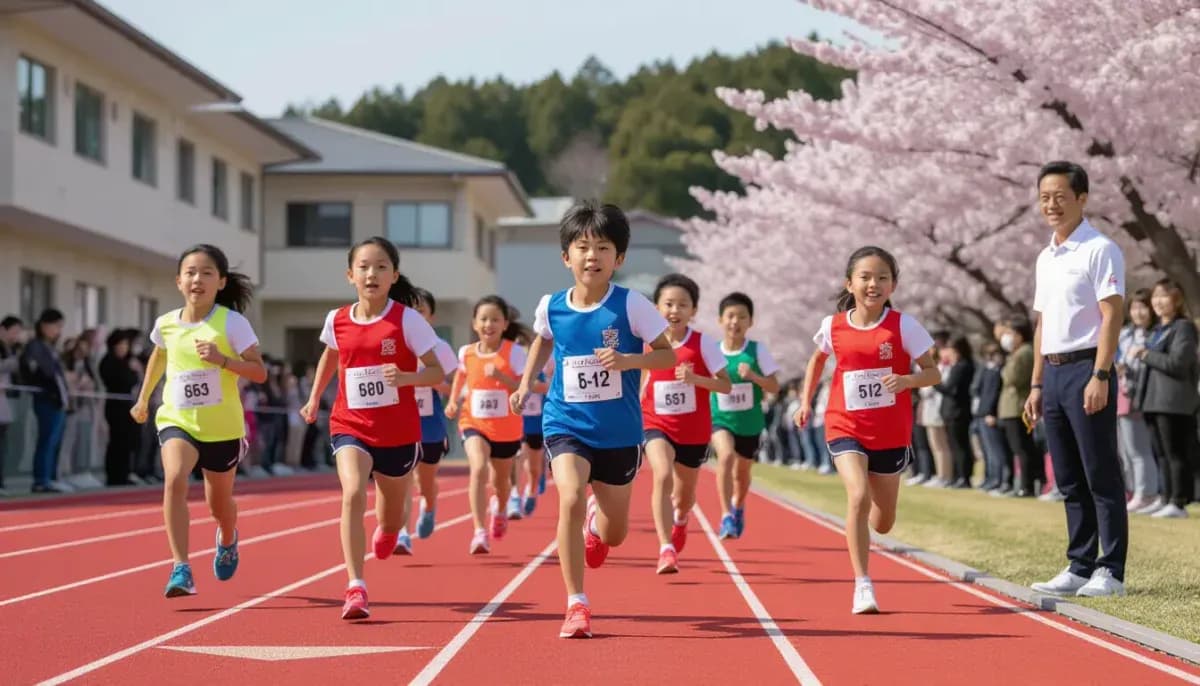
Track and Field for Kids in Japan
Everything expat families need to know about track and field for kids in Japan — school clubs, private athletics clubs, costs, competitions, and how to enroll your child.
Read more →
Winter Sports for Families: Skiing and Snowboarding in Japan
Complete guide to skiing and snowboarding in Japan with kids. Best family resorts, costs, children's lessons, onsen tips, and how to get there. Niseko, Hakuba, Rusutsu and more.
Read more →
Martial Arts for Kids: Karate, Judo, and Kendo
Complete guide to enrolling your child in karate, judo, or kendo in Japan. Learn about dojo costs, styles, English-friendly options, and what to expect as a foreign family.
Read more →