
Undokai (Sports Day) at School: The Complete Guide

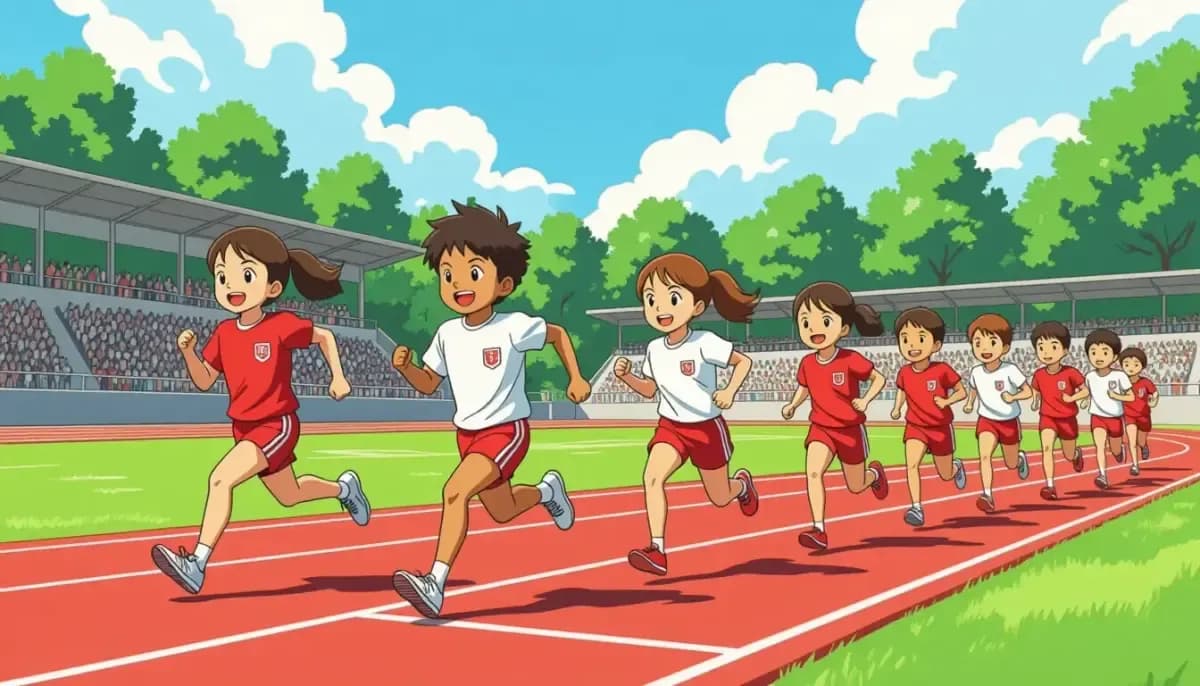
Everything foreign parents need to know about undokai, the Japanese school sports day. Learn what to expect, what to bring, and how to make the most of this beloved cultural tradition.
Undokai (Sports Day) at School: The Complete Guide for Foreign Families
If you have children in a Japanese school, undokai (運動会) — the annual school sports day — is one of the most memorable events of the school year. Part athletic competition, part community celebration, part cultural spectacle, undokai is unlike anything most foreign parents have encountered. This guide walks you through everything you need to know: what to expect, how to prepare, and how to make the most of the experience as a foreign family.
What Is Undokai? History and Cultural Significance
Undokai is a Japanese school sports festival held once or twice a year, bringing together students, teachers, and families for a full day of organized athletic events, dance performances, and team competitions. The word literally combines undou (運動, exercise/sports) and kai (会, gathering/meeting).
The tradition dates back to 1873, when the first undokai was held at Kaigun Heigakuryou (the Imperial Naval College) in Tokyo, introduced by British Naval Officer Archibald Douglas as part of Japan's Meiji-era modernization. What began as a military fitness exercise gradually spread to schools across the country and evolved into the rich, community-oriented event it is today.
It is worth noting a terminology distinction: undokai (運動会) is the term used specifically at kindergartens and elementary schools. At middle schools and high schools, the equivalent event is called taiikusai (体育祭). The format differs slightly — taiikusai events at older grades tend to be more student-organized and competitive, while elementary undokai emphasizes group harmony and community participation.
For foreign families in Japan, undokai is a wonderful window into Japanese educational values: teamwork, perseverance, group effort over individual achievement, and the importance of community. For more context on how Japanese schools operate, see our guide to elementary school in Japan for foreign parents.
When Is Undokai Held?
Traditionally, undokai was held in autumn — September or October — taking advantage of cooler weather after the summer heat subsided. However, this is changing rapidly.
Due to rising temperatures caused by climate change, autumn days in Japan are now frequently hot enough to pose heatstroke risks for young children exercising outdoors. As a result, many schools — particularly in urban areas — have shifted undokai to May or June, when temperatures are milder. Some schools have also shortened the event from a full day to a half day to reduce heat exposure.
| School Level | Typical Timing | Duration |
|---|---|---|
| Hoikuen / Yochien (Preschool) | October–November | Half day to full day |
| Elementary School (小学校) | May–June or September–October | Full day (sometimes half day) |
| Junior High School (中学校) | September–October | Full day |
| High School (高校) | September–October | Full day |
Check your child's school newsletter (otayori, お便り) for the exact date as soon as the new school year begins. Undokai is typically announced weeks in advance. Schools generally do not move the date unless weather is dangerous (rain or extreme heat), in which case a raindate (yobi-bi, 予備日) is designated.
The Structure of Undokai: What Happens on the Day
A typical undokai follows a structured program from morning to late afternoon. While the specific events vary by school, the overall format is consistent across Japan.
Opening Ceremony
The day begins with a formal opening ceremony (kaikaisiki, 開会式): students gather on the school ground in formation, a teacher or student body president delivers a speech, the national anthem (Kimigayo) is played, and the school flag is raised. Students then perform radio calisthenics (rajio taisou, ラジオ体操) together — a synchronized warm-up routine broadcast on national radio since the 1920s.
Team Competition: Red vs. White
Students are divided into two competing teams: red (紅組) and white (白組). These teams compete across all events throughout the day for cumulative points. Scoring is point-based (e.g., 30 points for first place, 15 for second). There are no individual medals or trophies — the winning team is announced at the closing ceremony. This structure reflects the Japanese educational emphasis on group cohesion over individual achievement.
Common Events
| Event | Japanese Name | Description |
|---|---|---|
| Sprint Race | 徒競走 (tokōsō) | Individual timed race, usually 50m or 80m |
| Relay Race | リレー (rirē) | Class or grade relay; typically the final and most exciting event |
| Tug-of-War | 綱引き (tsunahiki) | Teams pull against each other |
| Ball Toss | 玉入れ (tama-ire) | Toss balls into a raised basket |
| Cavalry Battle | 騎馬戦 (kibasen) | Teams of 4 carry one student; objective is to knock off opponents' headbands |
| Human Pyramid | 組体操 (kumitaiso) | Synchronized group formation gymnastics (less common now due to safety concerns) |
| Dance Performance | ダンス | Choreographed routine practiced for weeks |
| Parent-Child Race | 親子競技 | Race or activity involving parents and children together |
Closing Ceremony
The day ends with a formal closing ceremony (heikaisiki, 閉会式): the point totals are announced, the winning team is celebrated, student representatives give speeches, and the flag is lowered. Students, parents, and teachers then participate in mandatory cleanup (sōji, 掃除) of the grounds.
How to Prepare as a Foreign Parent
Receiving and Understanding the Program
Weeks before undokai, the school will send home a printed program (puroguramu, プログラム) listing every event in order, including which event your child participates in. The document will be in Japanese — use a translation app (Google Translate's camera mode works well) or ask a Japanese-speaking neighbor, teacher, or the PTA for help.
Some schools, especially those with a significant foreign population, may have English-translated handouts available. It is worth asking your child's homeroom teacher directly: "Eigo-ban no shiryō wa arimasu ka?" (英語版の資料はありますか? — "Do you have an English version of the documents?")
For broader guidance on navigating Japanese school communication as a foreign parent, see the resources at Living in Nihon's guide for foreign families raising children in Japan.
Staking Out Your Viewing Spot
Competition for good viewing spots is intense. Many parents arrive 1.5 to 2 hours before the start of the event to stake out a position with tarps, picnic mats, or folding chairs along the edge of the school ground. Some schools have designated areas for parents; others operate on a first-come, first-served basis.
Bring:
- A large picnic sheet or tarp (レジャーシート)
- Folding chairs or low camping chairs (if allowed)
- A wide-brimmed hat and sunscreen
- A camera with zoom capability (or a smartphone with a good zoom lens)
Check the school's photography rules in advance. Some schools prohibit photography during certain events or restrict where parents can stand. Rules vary widely.
The Bento Lunch
Undokai is one of the few school days when students do not eat the standard school lunch (kyūshoku, 給食). Instead, families bring their own bento lunch to eat together on the grounds. This is a beloved tradition — parents typically prepare elaborate, lovingly made bento boxes for their children.
If you are not confident in your bento-making skills, a simple but colorful bento from a convenience store or supermarket is perfectly acceptable. The important thing is eating together as a family. For more on the role of food in Japanese school life, see our article on nutrition, school lunches, and feeding children in Japan.
What to Bring on the Day
| Item | Notes |
|---|---|
| Picnic sheet | Large enough for your family |
| Bento lunch | For the whole family, including your child |
| Drinks | Sports drink or water; bring more than you think you need |
| Hat | Wide-brimmed for sun protection |
| Sunscreen | Reapply throughout the day |
| Camera | Check school's photography policy first |
| Trash bags | You are expected to take all your trash home |
| Team-color clothing | Optional but appreciated |
| Portable fan or cooling towel | Especially important in warmer months |
Regional Variations and Special Traditions
Undokai is not monolithic — regional traditions add unique flavor to events across Japan.
In Okinawa, undokai often incorporates traditional Okinawan folk dances and music, reflecting the island's distinct cultural heritage. In Hokkaido, where autumn arrives earlier and summers are cooler, schools may still hold undokai in September without the heatstroke concerns common in urban areas further south.
Urban schools in Tokyo and Osaka, dealing with limited space, sometimes hold condensed programs or use community sports facilities rather than school grounds. Rural schools, especially those with smaller student bodies, may combine grade levels for events to make teams large enough to compete.
The red vs. white team structure (紅白) itself carries cultural weight beyond the school event — the same red-white color division appears in NHK's famous Kōhaku Uta Gassen New Year's music program, and in historical battlefield divisions going back centuries. Explaining this to your child can deepen their appreciation of why the tradition feels so significant.
For a broader look at Japanese seasonal festivals and cultural events, see our guide to Japanese holidays, festivals, and seasonal events for families.
Tips for Foreign Parents: Making the Most of Undokai
Arrive early. We cannot stress this enough. If the event starts at 9:00 AM, arrive by 7:30 AM at the latest to find a good spot.
Cheer enthusiastically but follow the crowd's lead. Japanese undokai audiences cheer actively during events — shouting encouragement, clapping rhythmically — but remain respectful during ceremonies. Watch what other parents do and match the energy.
Participate in the parent-child race. Most undokai include a oyako kyōgi (親子競技) event where parents and children race or complete activities together. Do not skip this — your child will remember it forever, and participating signals your integration into the school community.
Talk to other parents. Undokai is one of the best opportunities to meet your child's classmates' parents. Arrive early, set up your picnic sheet near others, and use the waiting time to introduce yourself. Even limited Japanese (hajimemashite, はじめまして — "nice to meet you") goes a long way. For more on building community connections in Japan, see For Work in Japan and Chuukou Benkyou for resources on navigating Japanese cultural expectations.
Understand the emotional weight for your child. Japanese children practice undokai events intensively for over a month. Your child will have real emotions invested in their performance and their team's outcome. Win or lose, acknowledge the effort they put into preparation. For more on supporting your child's emotional wellbeing in Japan, see our article on mental health and emotional wellbeing for foreign children in Japan.
Take it seriously, even if you find it unfamiliar. A 2020 peer-reviewed study published in Pediatric International confirmed that undokai cultivates cooperation, solidarity, teamwork, and social capital in participating students. Foreign families who engage genuinely report that undokai becomes one of their most cherished memories of raising children in Japan.
For more details on the cultural side of undokai from an expat perspective, Tofugu's in-depth analysis of undokai is an excellent read.
Common Challenges for Foreign Families and How to Handle Them
Language barrier in communications. The school will send multiple notices, reminders, and the event program in Japanese. Set up a system early: identify a Japanese-speaking parent at your child's school who can help translate key documents, or use translation apps consistently.
Unfamiliar rules and expectations. Some customs — such as arriving hours early, the mandatory cleanup, or bringing your own bento — are not obvious to newcomers. Reading this guide and talking to other parents in advance helps enormously.
Your child feeling different. Foreign children, especially those who are visibly non-Japanese or new to the school, may feel anxious about undokai. Reassure them that participation is what matters, help them learn their team's chants, and show up with enthusiasm. For more strategies on helping foreign children integrate socially in Japan, see our guide on making friends and developing social skills in Japan.
Photography restrictions. Some schools prohibit parents from photographing children other than their own due to privacy rules (kojin jōhō hogo, 個人情報保護). Be aware of and respect these guidelines.
Conclusion: Embrace the Undokai Experience
Undokai is one of the defining experiences of childhood in Japan. For foreign families, it can initially feel overwhelming — the early morning rush for a picnic spot, the elaborate bento preparations, the month of rehearsal leading up to the big day. But families who lean into the experience overwhelmingly report that undokai becomes a highlight of their time in Japan.
Understanding the cultural roots, knowing what to expect, preparing the right gear, and showing up with genuine enthusiasm will carry you far. Your child will feel seen and supported, your relationship with the school community will deepen, and you will have created memories that last long after you leave Japan.
For a broader view of sports and physical activity opportunities for your children in Japan, see our pillar guide on sports and physical activities for children in Japan. And if you are still navigating the basics of the Japanese education system, our comprehensive guide to the Japanese education system for foreign families is an excellent place to start.

Originally from Vietnam, living in Japan for 16+ years. Graduated from Nagoya University, with 11 years of professional experience at Japanese and international companies. Sharing practical information for foreign parents raising children in Japan.
View Profile →Related Articles
Sports Injuries and Safety for Children in Japan
A complete guide for foreign parents on sports injuries, heat illness, abuse in sports, and medical care for children in Japan. Includes bukatsu safety tips and insurance advice.
Read more →
Physical Fitness Testing in Japanese Schools
Everything foreign parents need to know about Japan's annual Shin-tairyoku Test: 8 test items, scoring, results, and tips to help your child prepare for school fitness testing.
Read more →
Team Sports Culture in Japanese Schools
Discover how team sports work in Japanese schools — from bukatsudo clubs and senpai-kohai hierarchy to undokai sports festivals. A complete guide for foreign and expat families in Japan.
Read more →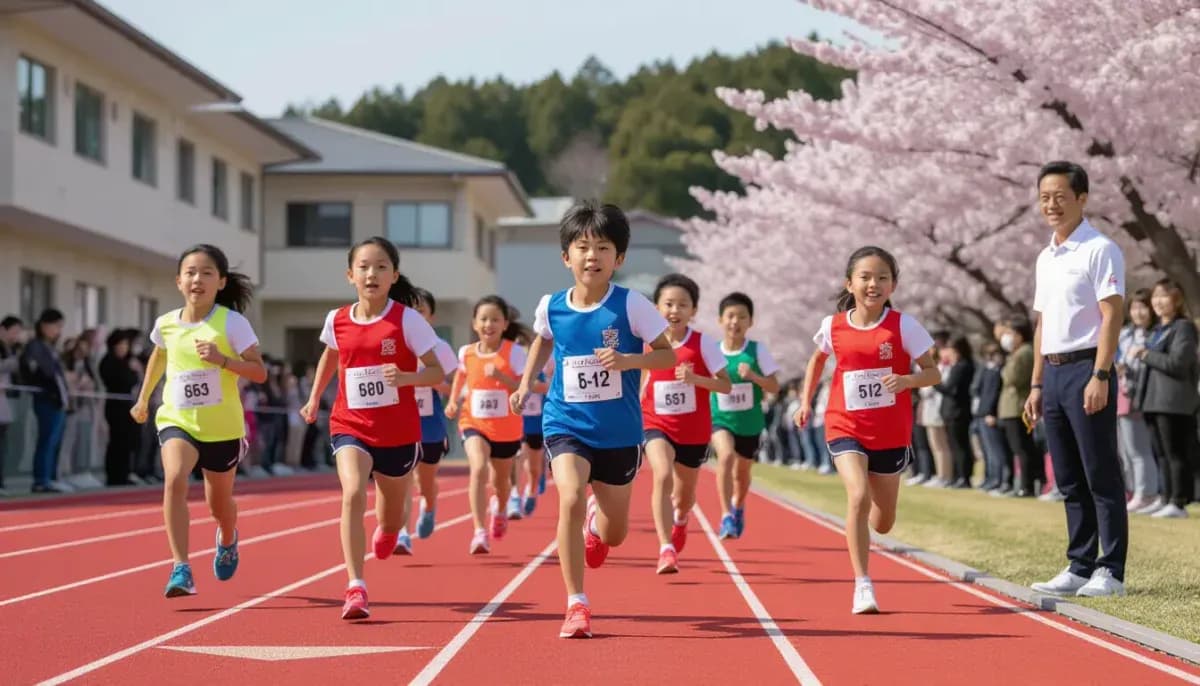
Track and Field for Kids in Japan
Everything expat families need to know about track and field for kids in Japan — school clubs, private athletics clubs, costs, competitions, and how to enroll your child.
Read more →
Winter Sports for Families: Skiing and Snowboarding in Japan
Complete guide to skiing and snowboarding in Japan with kids. Best family resorts, costs, children's lessons, onsen tips, and how to get there. Niseko, Hakuba, Rusutsu and more.
Read more →
Martial Arts for Kids: Karate, Judo, and Kendo
Complete guide to enrolling your child in karate, judo, or kendo in Japan. Learn about dojo costs, styles, English-friendly options, and what to expect as a foreign family.
Read more →