
When Children Refuse to Speak Their Heritage Language

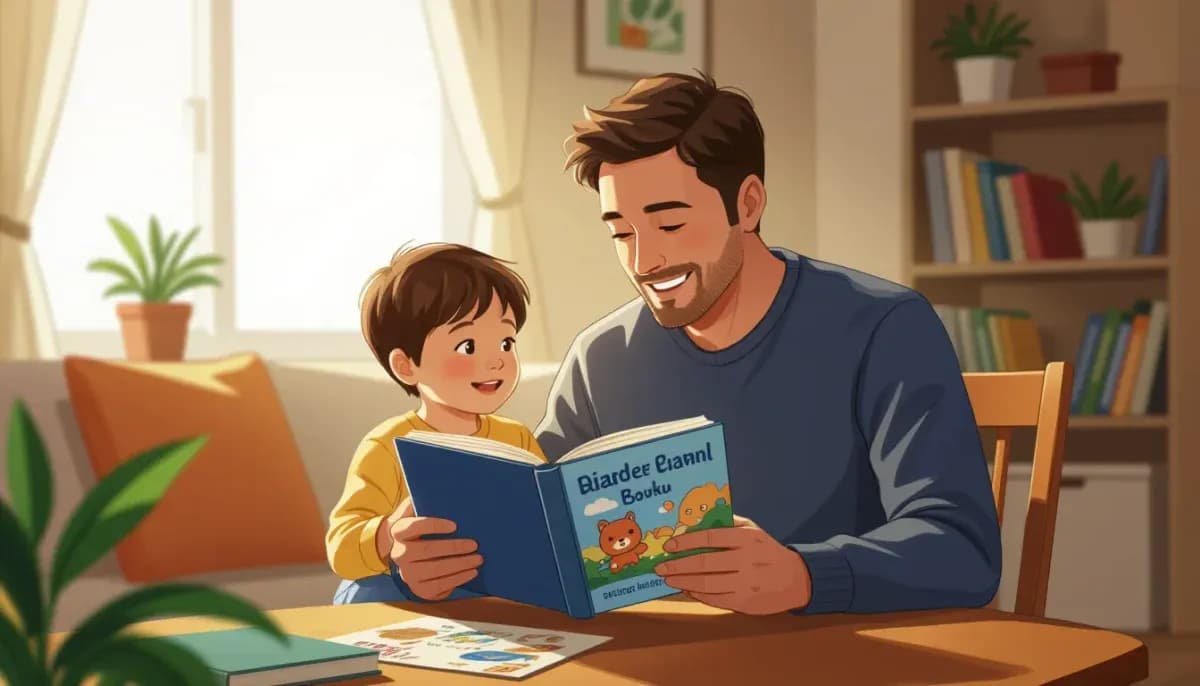
Learn why children refuse to speak their heritage language in Japan and discover proven, research-backed strategies to encourage heritage language use at home and build bilingual confidence.
When Children Refuse to Speak Their Heritage Language: A Practical Guide for Families in Japan
If your child understands everything you say in your native language but stubbornly replies only in Japanese, you are not alone. This scenario — known as heritage language refusal — is one of the most common and emotionally charged challenges facing foreign families raising children in Japan. You speak French, Tagalog, or Mandarin at home, but your child insists on answering in Japanese. It can feel like a rejection of your culture, your family history, and even of you.
The good news is that heritage language refusal is a natural stage of multilingual development — and with the right strategies, it can be addressed. This guide explains why children refuse to speak their heritage language in Japan, what the research says, and what you can do about it starting today.
Why Children in Japan Refuse to Speak Their Heritage Language
Understanding the "why" behind the refusal is the first step toward addressing it. Children rarely refuse a heritage language out of defiance alone. Most often, there are psychological, social, and linguistic reasons rooted in their everyday life in Japan.
1. The Dominant Language Is Just Easier
Japanese surrounds your child every day — at school, with friends, on TV, and in shops. When Japanese is the language in which they can express themselves most fluently, confidently, and precisely, it becomes the path of least resistance. Heritage language refusal is frequently not about willingness — it is about confidence.
Children who understand a language well but struggle to produce it fluently are called receptive bilinguals. They have strong passive skills but weak active production. This gap emerges through the Word Frequency Effect: low usage makes words harder to retrieve, which makes speaking feel frustrating, which leads to less speaking, creating a discouraging downward spiral.
2. Peer Pressure and Identity in Japan
Japanese society places strong value on group belonging (集団意識, shūdan ishiki). For children navigating Japanese school life, speaking a different language at home can feel like something to hide rather than celebrate. This is especially pronounced during the elementary and junior high school years, when fitting in with peers becomes critically important.
Research published in Multilingua (2019) studied mixed-ethnic young adults in Japan and found that most did not acquire the non-Japanese parent's language, with many expressing deep regret over missed acquisition opportunities. The study identified that inability to speak the heritage language negatively affected social and emotional wellbeing in adulthood — a significant long-term cost to short-term peer acceptance.
3. Insufficient Exposure and Practice Opportunities
Research indicates that bilingual children need approximately 25–30% exposure to a language to develop functional bilinguency. But it is not just quantity — quality of engaged, one-on-one interaction matters far more than passive background exposure. If heritage language time consists mainly of a parent speaking while the child watches television, the exposure is not sufficient to drive active production.
A 2025 Child Development study tracking 427 Japanese heritage speakers found that vocabulary divergence from monolingual peers begins at approximately age 5.6 years. Before this age, heritage speaker vocabulary is comparable to monolingual peers. This window is a critical intervention opportunity — and a warning that waiting until children "get older" is often too late.
4. Lack of Practical Necessity
Children are pragmatic communicators. If they can get everything they need in Japanese, there is no functional pressure to use another language. Unlike adults who may have professional or travel reasons to maintain a heritage language, children live primarily in the present. Without clear, tangible reasons why their heritage language is useful or necessary right now, maintenance motivation is naturally low.
5. Critical Age and Community Size
Sophia University professor Mitsuyo Sakamoto's research found that most Japanese language abilities are lost by the third generation among Japanese immigrants in English-dominant countries. In contrast, third-generation Japanese descendants in Brazil frequently maintain fluent Japanese — attributed to a larger community size, a non-English dominant environment, and deeper daily integration of Japanese culture. The lesson: community size and practical daily necessity are powerful forces, and the absence of a heritage language community in Japan means parents must compensate with intentional home strategies.
Eight Common Reasons for Heritage Language Refusal
Based on multilingual development research and expert guidance, here are the eight most common underlying causes:
| Reason | What It Looks Like | What to Do |
|---|---|---|
| Insufficient resources | No books, media, or games in heritage language | Build a heritage language library at home |
| Low-quality exposure | Background TV, not engaged conversation | Increase one-on-one interactive time |
| Inconsistent language use | Parents switch between languages | Commit to One Parent One Language (OPOL) |
| No practical necessity | Everything works in Japanese | Create real-world reasons to use heritage language |
| Insufficient dedicated time | Heritage language is an afterthought | Schedule regular heritage language activities |
| Language not integrated into daily life | Heritage language only for "lessons" | Use it for cooking, games, bedtime routines |
| Peer pressure or embarrassment | Child hides language use from friends | Connect child with bilingual peers and communities |
| Comprehension-production confidence gap | Child understands but freezes when speaking | Use sentence starters and low-pressure games |
Effective Strategies to Encourage Heritage Language Use
Establish Clear Language Domains
One of the most widely recommended strategies is One Parent One Language (OPOL): each parent consistently speaks their own language to the child. This creates predictable, clear domains for each language. Research from both Living in Nihon and For Work in Japan emphasizes the importance of clear separation: "parent speaks heritage language, school speaks Japanese."
The key word is consistently. Switching languages when the child refuses sends a signal that persistence pays off. Gently redirecting — "I know you can say that in English, let's try" — while never being punitive, is more effective than capitulating.
Use Sentence Starters to Reduce Production Anxiety
Receptive bilinguals often freeze not because they lack knowledge but because they cannot retrieve the right words quickly enough. Sentence starters dramatically reduce this anxiety by providing a scaffold. For example:
- "In our language, we say this starting with... can you finish it?"
- "The word for that is _, can you try using it in a sentence?"
This technique lowers the cognitive load and provides momentum, making production feel less daunting.
Connect With Heritage Language Communities and Schools
補習校 (hoshūkō, supplementary schools) and Saturday schools offer structured heritage language education and, crucially, a community of bilingual peers. When children discover that other children speak their heritage language — and that this is normal and even cool — the peer pressure dynamic begins to shift.
Research on Japanese heritage speakers in Sydney found that community schools fostered positive inclusive identity and heritage language development, especially when combined with home and peer support. Even if no formal school exists for your heritage language in your area, online tutoring sessions and language exchange communities can serve similar social and linguistic functions.
You can also find resources and community connections through sites like Chuukou Benkyou, which supports Japanese supplementary education and can help you understand the broader landscape of supplementary schooling in Japan.
Make It Real and Relevant
Abstract reasons ("you will need this when you grow up") rarely motivate children. Concrete, immediate relevance works far better:
- Video calls with grandparents or cousins who speak only the heritage language create a genuine communicative need
- Heritage language cooking sessions — narrating and discussing recipes in the heritage language makes food and culture feel connected
- Annual return visits to the heritage country are among the strongest predictors of heritage language vocabulary maintenance, according to the 2025 Child Development study. Even one trip per year, with exposure to a variety of speakers, makes a measurable difference
- Books, films, and music in the heritage language — especially content the child loves — build passive exposure that feeds future production
Never Correct, Model Instead
Correction-heavy parenting consistently damages heritage language confidence in the research literature. When a child makes an error and is immediately corrected, the emotional experience of speaking the heritage language becomes negative. Instead, model the correct form naturally within your response:
- Child: "I want the red one" (in English, but wrong word order)
- Parent: "Oh, you want the red one! Here you go." (natural repetition with correct form)
The child hears the correct form without experiencing shame or criticism.
Build a Heritage Language Environment at Home
Your home is the primary heritage language environment your child has. Make it immersive:
- Label household objects in the heritage language
- Keep heritage language books on the shelf alongside Japanese books
- Use heritage language for daily routines: bedtime stories, meal conversations, games
- Play heritage language music during car rides or homework time
- Let children overhear you speaking the heritage language on the phone with family members
For more ideas on creating a home language environment, see our article on Creating a Heritage Language Environment at Home.
Age-Specific Approaches
Young Children (Ages 2–6): The Critical Window
This is the highest-leverage period. Heritage language acquisition follows a similar trajectory to first language acquisition, and young children's brains are maximally receptive. Focus on:
- High-frequency, engaged conversation during daily routines
- Heritage language picture books and songs
- Playful, zero-pressure exposure
- Beginning OPOL early and maintaining it consistently
Remember the research finding: vocabulary divergence begins at age 5.6. The pre-school years are not "too early to worry about it" — they are the optimal window.
Elementary Age (Ages 6–12): Social Pressure Increases
As children enter the Japanese school system, peer pressure to conform intensifies. This is when many families see a sharp decline in heritage language use at home. Key strategies for this stage:
- Find or create a bilingual friend group
- Enroll in 補習校 or weekend heritage language classes
- Connect heritage language to exciting activities (gaming in the heritage language, cooking cultural foods)
- Frame bilingualism as a superpower, not a burden — "You can understand things other kids can never understand"
Our guide on Raising Bilingual Children in Japan has detailed advice for navigating this stage.
Teenagers: Identity and Autonomy
Teenage heritage language refusal is often tied to identity exploration and the developmental need for autonomy. Teenagers who refused to speak a heritage language as children may become motivated in adolescence if:
- They develop interest in the heritage culture (music, film, travel)
- They see professional or social value in the language
- They feel pride rather than embarrassment about their bicultural identity
Avoid power struggles. At this stage, invitation is more effective than insistence. Celebrate every instance of heritage language use. Share stories of bicultural adults who value their language.
When to Seek Professional Help
Most heritage language refusal is a normal developmental phase and resolves with consistent, patient effort. However, consult a speech-language therapist specializing in multilingual development if:
- Your child avoids speaking in all languages, not just the heritage language
- There are signs of language delay or communication difficulty in Japanese
- The child shows anxiety or distress around language use generally
- Communication difficulties are affecting school or social functioning
A specialist can distinguish between heritage language refusal (common and manageable) and a broader language development concern requiring intervention.
For general guidance on children's wellbeing and development in Japan, see our resource on Mental Health and Emotional Wellbeing for Foreign Children in Japan.
A Note on Patience and the Long Game
Heritage language maintenance is not a sprint. It is a decades-long commitment made in hundreds of small daily choices. There will be periods when your child refuses completely, when Japanese dominates, when you question whether it is worth the effort.
Research suggests it is worth it. Studies consistently show that bilingual individuals have cognitive advantages, greater cultural empathy, enhanced career prospects, and — critically — stronger connections to extended family and cultural heritage. The mixed-ethnic young adults in the 2019 Japan study who had not acquired their heritage language expressed regret. Those who maintained it described it as central to their identity and sense of belonging.
You are not just teaching a language. You are building a bridge between your child and their full heritage — a bridge they will be grateful for, even if they cannot see it yet.
For further strategies, explore the Bilingual Kidspot guide to heritage language refusal and the academic overview at Language on the Move.
Summary: Key Takeaways
- Heritage language refusal is normal and usually driven by confidence gaps, social pressure, and insufficient exposure — not willfulness
- The critical intervention window is before age 5–6, when vocabulary divergence begins
- One Parent One Language (OPOL), sentence starters, community schools, and return visits are the most evidence-backed strategies
- Never correct errors — model correct forms naturally instead
- Connect heritage language to real communicative necessity: grandparents, friends, travel
- Patience and consistency over years, not weeks, is what produces results
For more on this topic, browse our full Heritage Language Maintenance hub and the article on Proven Strategies to Keep Heritage Language Alive in Japan.

Originally from Vietnam, living in Japan for 16+ years. Graduated from Nagoya University, with 11 years of professional experience at Japanese and international companies. Sharing practical information for foreign parents raising children in Japan.
View Profile →Related Articles

Heritage Language and Cultural Identity Connection
How to maintain your heritage language and build cultural identity for children in Japan. Practical strategies for multicultural families navigating bilingualism and dual identity in Japan.
Read more →
Summer Trips Abroad for Heritage Language Immersion
Discover how summer trips abroad can powerfully boost your child's heritage language in Japan. Research-backed strategies, program types, and planning tips for expat families.
Read more →
How to Assess Your Child's Heritage Language Level
Learn practical methods to assess your child's heritage language proficiency level in Japan. Includes home tests, formal assessments, proficiency frameworks, and action steps for bilingual families.
Read more →
Balancing Japanese and Heritage Language Time
Learn how to balance Japanese and heritage language time for your children in Japan. Practical strategies, daily routines, and time allocation frameworks for bilingual families.
Read more →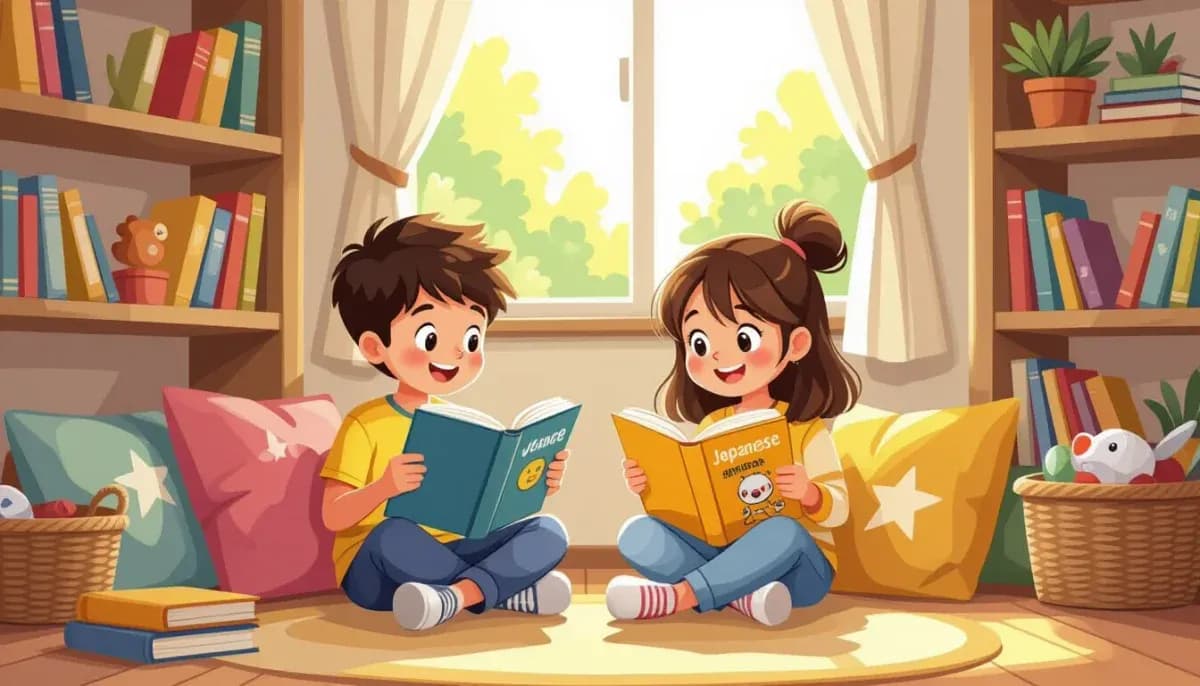
Heritage Language Books and Media Resources for Kids
Discover the best heritage language books and media resources for kids in Japan. From classic Japanese picture books to streaming shows and apps, help your child stay connected to their mother tongue with our curated guide for bilingual families.
Read more →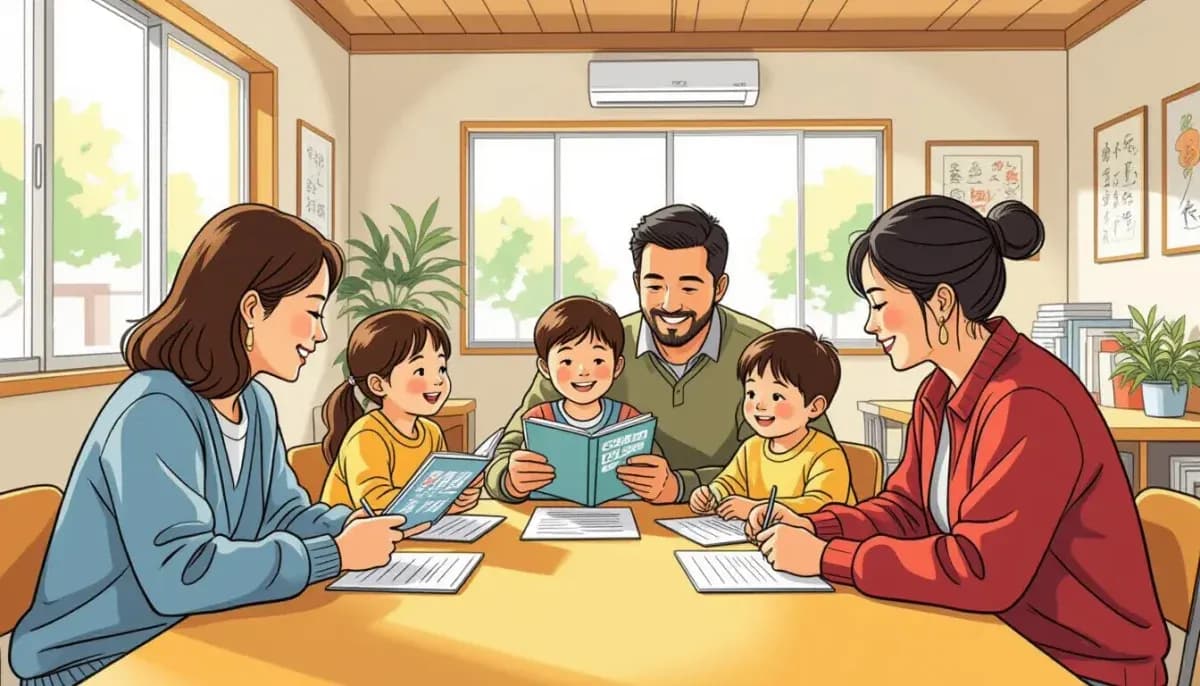
Community Groups for Heritage Language Practice in Japan
Discover the best community groups, Saturday schools, and online resources for heritage language practice in Japan. A practical guide for multilingual and bilingual families raising children in Japan.
Read more →