
Weekend Language Schools and Saturday Schools in Japan

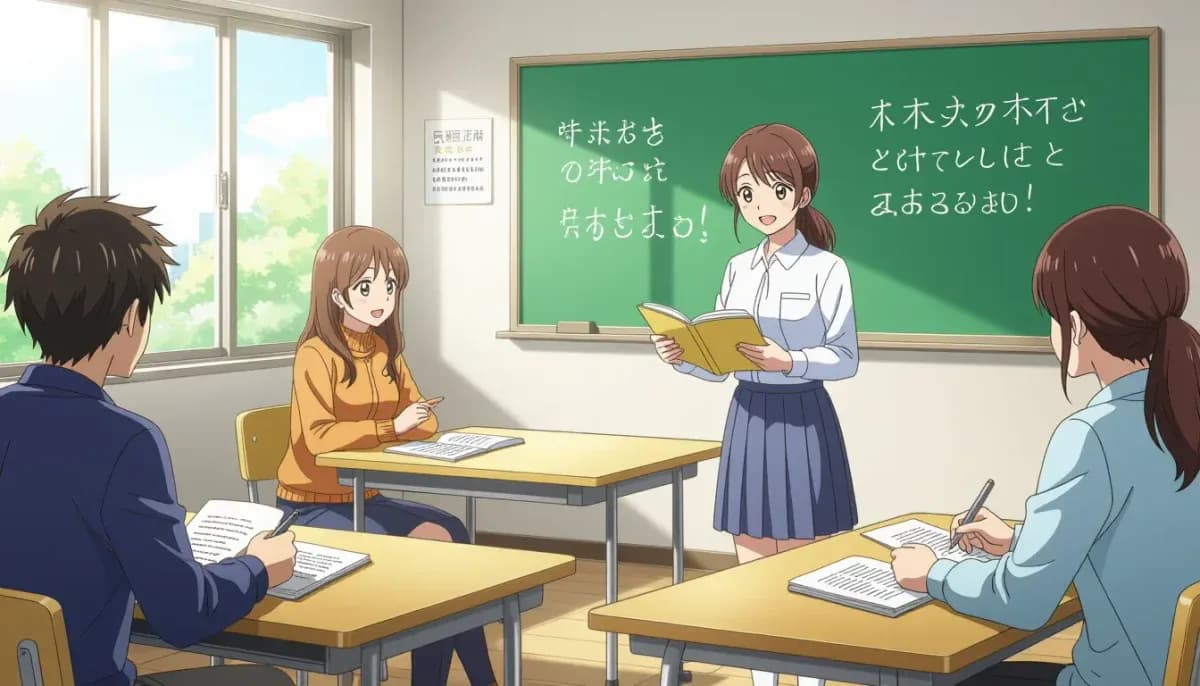
Complete guide to weekend language schools and Saturday schools in Japan for foreigners. Discover part-time Japanese classes, costs, visa requirements, and options for children's heritage language education.
Weekend Language Schools and Saturday Schools in Japan: A Complete Guide for Foreigners
Moving to Japan as a foreigner or raising children in Japan means navigating a rich but complex educational landscape. Whether you want to study Japanese yourself after work, help your children maintain their heritage language, or supplement their education with Saturday classes, Japan has a variety of weekend and Saturday school options to fit your schedule and goals.
This guide covers everything you need to know about weekend language schools and Saturday schools in Japan — from how they work and what they cost, to how to choose the right program for your family.
What Are Weekend Language Schools in Japan?
Weekend language schools in Japan are part-time programs designed for working professionals, expats, students, and parents who cannot commit to full-time study during the week. These schools typically hold classes on Saturdays and/or Sundays, making them ideal for people who want to learn Japanese without disrupting their work or daily schedule.
Unlike intensive full-time language schools that run 5 days a week, weekend programs are far more flexible. Lessons are usually held once or twice per week, with sessions lasting anywhere from 90 minutes to a full day. The focus tends to be on practical, conversational Japanese rather than exam preparation, though test prep options also exist.
Weekend language schools cater to all skill levels — from complete beginners who have never studied Japanese before, to advanced learners looking to refine their business Japanese or prepare for JLPT certification. Many schools also offer online options, which can be convenient for people living outside major cities.
If you're new to the Japanese education system, check out our Complete Guide to the Japanese Education System for Foreign Families for broader context.
What Are Saturday Schools in Japan?
Saturday schools in Japan can refer to two different types of institutions:
1. Supplementary Academic Schools (補習授業校, Hoshū Jugyō Kō) These schools are primarily designed for Japanese nationals temporarily living abroad and for children of Japanese descent in foreign countries. They follow the Japanese Ministry of Education curriculum and hold classes on weekends so children can maintain their Japanese language and academic skills while attending local schools on weekdays. Similar programs exist within Japan to help children who need extra academic support.
2. Optional Saturday Study Programs at Regular Schools Some Japanese public and international schools offer Saturday sessions for students who want to study additional material, prepare for entrance exams, or pursue enrichment activities. These are optional and not part of the standard school week.
3. Heritage Language Schools for Non-Japanese Children Some community organizations and language schools run Saturday programs specifically for foreign children living in Japan who want to maintain their native languages — such as English, Chinese, Korean, or Portuguese — while growing up in a Japanese-speaking environment.
For families navigating bilingual upbringing, our article on Raising Bilingual Children in Japan offers practical strategies.
Top Weekend Japanese Language Schools for Adults
Here is an overview of some well-established weekend and part-time language schools in Japan:
| School | Location | Weekend Options | Price (per term/month) | Class Size |
|---|---|---|---|---|
| Coto Academy | Tokyo (5 locations) + Yokohama | Saturday 10 AM – 5 PM | ¥20,000/month (2x/week) | Max 8 students |
| JSLN Japanese Language School | Nagoya | Sat or Sun, once weekly | ¥36,000–¥40,000/3 months | Small groups |
| ISI Japanese Language School | Tokyo & other cities | Evening + weekend options | Varies by program | Standard class |
| Tokyo Central Japanese Language School (TCJ) | Tokyo | Flexible scheduling | Varies | Standard class |
| GenkiJACS | Fukuoka, Kyoto, Tokyo | Saturday cultural workshops | Varies | Small groups |
Coto Academy
Coto Academy is one of the most popular choices for working expats and foreign residents in Japan. With five locations in Tokyo and one in Yokohama, Coto Academy offers Saturday classes from 10 AM to 5 PM, with sessions of 50 or 100 minutes. Their courses are open to residents on working visas, spouse visas, student visas, dependent visas, and long-term permits — no student visa is required for part-time study.
Their most popular plan costs ¥20,000 per month for two lessons per week. A registration fee of ¥10,000 applies to new students. Classes are capped at 8 students, making for an interactive learning environment. For more details, visit their part-time Japanese lessons page.
JSLN Japanese Language School (Nagoya)
JSLN in Nagoya offers dedicated weekend classes on either Saturday or Sunday, once per week, for 2 hours per session. Courses run in 3-month terms of 11 lessons, starting in January, April, July, and October.
Pricing is straightforward:
- Entrance fee: ¥10,000 + tax (first course only)
- Beginner course: ¥36,000 + tax per 3-month term
- Intermediate course: ¥40,000 + tax per 3-month term
After applying, students complete a level assessment, attend a free trial lesson, and then enroll. All teachers hold Japanese language teaching qualifications. See JSLN's weekend class information for current schedules.
Visa Requirements for Weekend Language Students
One of the most common questions foreigners ask is: do I need a special visa to attend a weekend language school in Japan?
The short answer: usually no, if you're already a resident.
If you are living in Japan on a working visa, spouse visa, dependent visa, or permanent resident status, you do not need a separate student visa to attend part-time or weekend language classes. This is one of the biggest advantages of weekend programs over full-time schools.
For visitors from countries with visa-waiver agreements with Japan (most Western nations), short-term language courses of three months or less do not require a student visa. For longer courses, schools can help you obtain a Certificate of Eligibility for a student visa.
For more on visa-related matters in Japan, visit our guide on Visa and Legal Issues for Foreign Families with Children in Japan.
You can also find helpful immigration and visa-related resources at Living in Nihon, which covers life in Japan for foreigners across many topics.
Saturday Schools for Children: Heritage Language and Supplementary Education
For foreign families raising children in Japan, Saturday schools serve an important function: helping kids maintain their parents' native language and cultural identity while succeeding in Japan's rigorous school system.
Why Saturday Language Schools Matter for Children:
Children who grow up primarily speaking Japanese at school can gradually lose proficiency in their heritage language. Saturday schools provide structured, consistent exposure to:
- Grammar and writing in the heritage language (English, Chinese, Korean, etc.)
- Cultural literacy and connection to the parents' home country
- Social bonds with other children from similar backgrounds
These schools are typically run by community organizations, embassy-affiliated programs, or private language schools. Some operate entirely on weekends; others offer evening programs during the week as well.
Our article on Heritage Language Maintenance for Children in Japan goes into greater detail on strategies for keeping your child's native language strong.
For tips on the intersection of language and identity, see Cultural Identity for Hafu and Mixed-Race Children in Japan.
How to Choose the Right Weekend Language School
With so many options available, here are key factors to consider:
Location and Commute Weekend time is precious, so choose a school close to your home or on a convenient train route. Schools in central Tokyo (Shinjuku, Shibuya, Iidabashi) are very accessible. Nagoya, Osaka, Kyoto, and Fukuoka also have solid options.
Teaching Method Some schools emphasize conversational fluency; others focus on reading, writing, and JLPT preparation. Make sure the school's approach matches your goals. Ask if they offer a trial lesson — many do.
Class Size Smaller classes (like Coto Academy's max-8 format) give more speaking practice and personal attention. Larger classes may be less expensive but offer less individual feedback.
Curriculum Flexibility Weekend schedules change. Look for schools that let you pause, reschedule, or adjust your lesson frequency without heavy penalties.
Cost Budget for both tuition and a one-time registration fee. Monthly plans between ¥15,000–¥30,000 are typical for weekend part-time study. See Japan Guide's language school overview for a broader market comparison.
For additional guidance on navigating Japan's educational options, For Work in Japan provides resources for working foreigners and professionals in Japan.
Supplementary Juku and After-School Programs
Beyond weekend language schools, Japan has a robust system of juku (cram schools) and after-school enrichment programs. While juku traditionally focus on Japanese academic subjects and university entrance exam preparation, some now offer English-language juku and bilingual programs for children of mixed heritage.
For foreign children attending Japanese public schools, supplementary programs can help bridge gaps in Japanese language ability or keep them on track academically. For English-speaking children, after-school English tutoring can help maintain their first language.
Our article on After-School Activities, Juku, and Extracurriculars in Japan provides a complete breakdown of the options available.
You can also find information on specialized curriculum topics at Chuukou Benkyou, which covers middle and high school academic preparation.
Frequently Asked Questions
Can I study Japanese part-time without a student visa? Yes. As a foreign resident on any long-stay visa, you can attend part-time language classes without a student visa. Short-term visitors can attend courses up to 3 months without a student visa.
How much does a weekend language school cost in Japan? Monthly costs range from about ¥15,000–¥30,000 for weekend part-time programs. Some schools charge per term (3 months) at around ¥36,000–¥40,000. One-time registration fees of ¥5,000–¥10,000 are typical.
Are there Saturday schools for English-speaking children in Japan? Yes. Many international community organizations, embassies, and private language schools run Saturday programs for English-speaking (and other heritage language) children. These are especially common in large cities like Tokyo, Osaka, and Nagoya.
What level can I start at? All major language schools accept complete beginners. Placement assessments help ensure you join the correct level group.
Can children attend weekend Japanese language schools? Some schools offer children's or family classes. Check with individual schools for age requirements and curriculum.
Weekend language schools and Saturday programs play a vital role for foreign residents in Japan — whether you're an adult looking to advance your Japanese career skills, or a parent ensuring your children grow up truly bilingual. With flexible schedules, reasonable costs, and options across major Japanese cities, there has never been a better time to invest in language education in Japan.
For a comprehensive overview of your family's education journey in Japan, start with our Complete Guide to the Japanese Education System for Foreign Families.

Originally from Vietnam, living in Japan for 16+ years. Graduated from Nagoya University, with 11 years of professional experience at Japanese and international companies. Sharing practical information for foreign parents raising children in Japan.
View Profile →Related Articles

How to Measure Your Child's Bilingual Language Proficiency
Learn practical methods, tools, and milestones for measuring your bilingual child's language proficiency in Japan. Covers home assessment, formal tools, and when to seek help.
Read more →
Online Tutors and Language Apps for Bilingual Kids
Discover the best online tutors and language apps for bilingual kids in Japan. Expert guide covering apps like Duolingo, Lingodeer, and top tutoring platforms for expat families raising bilingual children.
Read more →
Supporting Bilingual Children in Japanese Public Schools
A complete guide for foreign parents on supporting bilingual children in Japanese public schools — language programs, home strategies, cognitive benefits, and tips for working with teachers.
Read more →
Bilingual Speech Delay: Facts vs Fiction
Is bilingual speech delay real? Science says no. Learn the facts vs fiction about raising bilingual children in Japan, including when to seek help and expert tips for expat families.
Read more →
Raising Trilingual Children in Japan: Is It Possible?
Is it really possible to raise trilingual children in Japan? Discover proven strategies like OPOL, daily reading routines, heritage language schools, and real tips from expat families navigating multilingual parenting in Japan.
Read more →
Best Bilingual Education Resources and Books for Kids
Discover the best bilingual English-Japanese books, apps, playgroups, and programs for raising multilingual kids in Japan. Practical guide for expat and foreign parents.
Read more →