
Club Activities (Bukatsu) in Japanese Junior High Schools

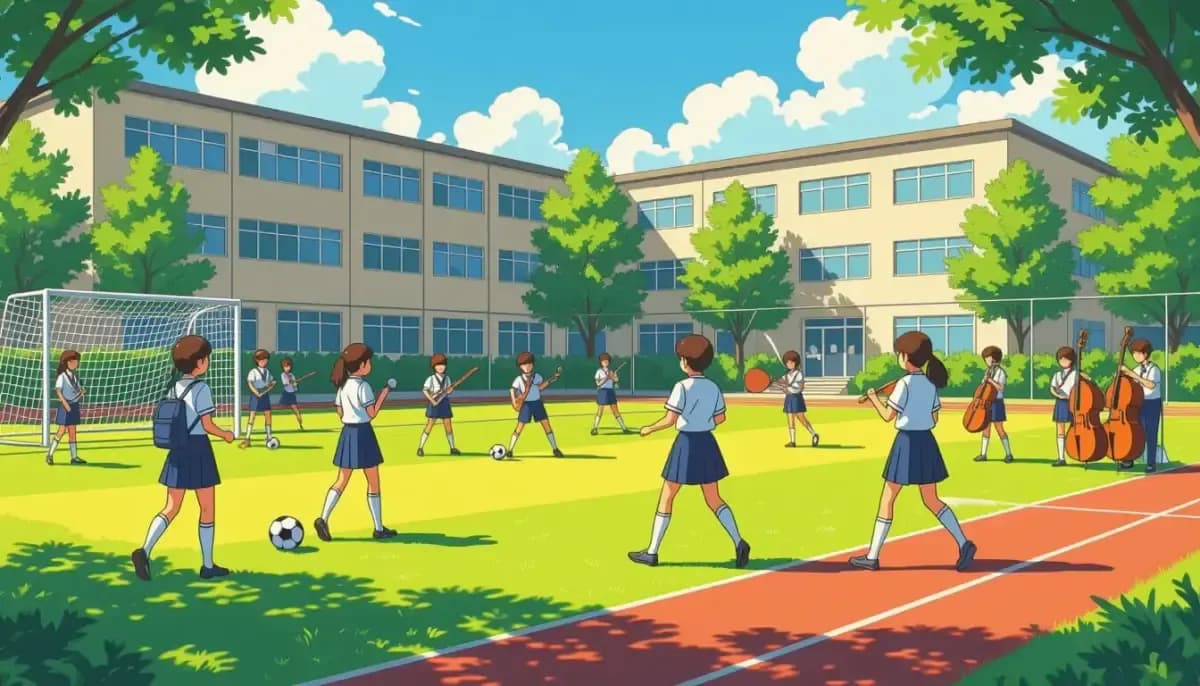
Everything foreign parents need to know about bukatsu (club activities) in Japanese junior high schools — types, time commitment, the senpai system, reforms, and tips for expat families.
Club Activities (Bukatsu) in Japanese Junior High Schools: A Complete Guide for Foreign Families
If your child is about to enter a Japanese junior high school, one of the biggest cultural adjustments you will both face is bukatsu — the Japanese system of extracurricular club activities. Understanding bukatsu before your child joins is essential: it will shape their social life, their daily schedule, and even their sense of identity during their three years of junior high school.
This guide explains everything foreign families need to know about bukatsu in Japanese junior high schools, from how clubs work and what types are available, to the social dynamics, recent government reforms, and practical advice for expat parents navigating a system that can feel overwhelming at first.
What Is Bukatsu? Understanding Japan's Club Culture
Bukatsu (部活動, short for bunkagakushū katsudō or simply club activity) refers to the after-school and sometimes weekend extracurricular clubs that are run within Japanese junior high and high schools. Unlike Western extracurricular activities where participation is casual and optional, bukatsu in Japan carries a much stronger social weight.
Approximately 87.6% of Japanese junior high school students participate in bukatsu, with about 70% joining sports clubs and 20% joining cultural clubs. Fewer than 10% of students opt out entirely — and those who do often feel socially isolated. While participation is technically voluntary, in practice it is a cultural expectation.
Bukatsu sessions typically take place after school from around 4:00 PM to 6:00 PM on weekdays, and many clubs also meet on weekends, particularly for sports clubs preparing for regional or national tournaments. Club activities are not just about developing skills — they are considered a core part of a student's education in discipline, teamwork, perseverance, and social hierarchy.
For an excellent overview of Japan's broader educational system and how bukatsu fits within it, read our guide on The Complete Guide to the Japanese Education System for Foreign Families.
Types of Clubs: Sports vs. Cultural Clubs
Japanese junior high schools offer two broad categories of clubs:
Sports Clubs (運動部, undōbu)
Sports clubs are the most common and typically the most time-intensive. Common sports clubs include:
| Club Name | Japanese | Typical Competition Level |
|---|---|---|
| Baseball | 野球部 | Regional/National tournaments |
| Soccer | サッカー部 | Regional/National tournaments |
| Basketball | バスケットボール部 | Regional/National tournaments |
| Volleyball | バレーボール部 | Regional/National tournaments |
| Judo | 柔道部 | Regional/National tournaments |
| Kendo | 剣道部 | Regional/National tournaments |
| Swimming | 水泳部 | Regional/National competitions |
| Track and Field | 陸上部 | Regional/National competitions |
| Badminton | バドミントン部 | Regional/National tournaments |
| Tennis | テニス部 | Regional/National tournaments |
Sports clubs practice intensively, especially in the months leading up to tournaments. It is common for members to practice every day except for one mandatory rest day per week (as required by the Ministry of Education's 2021 reforms).
Cultural Clubs (文化部, bunkabū)
Cultural clubs tend to be less time-intensive than sports clubs but are equally respected by schools and high school admissions offices. Common cultural clubs include:
- Brass band / Music (吹奏楽部) — one of the most prestigious and demanding cultural clubs
- Art club (美術部)
- Calligraphy (書道部)
- Science club (科学部)
- Tea ceremony (茶道部)
- Chorus (合唱部)
- Drama (演劇部)
- Manga/Illustration (漫画部)
- English club (英語部) — often a good fit for bilingual children
Cultural clubs typically meet 2–4 days per week and may have fewer high-pressure competitions, though music clubs like brass band can be just as demanding as sports clubs.
For families new to Japan's school culture, our guide on Junior High School in Japan: Guide for Foreign Families covers the full transition process in detail.
The Senpai-Kōhai System: Social Hierarchy in Clubs
One of the most culturally significant aspects of bukatsu is the senpai-kōhai (先輩後輩) relationship — the strict hierarchy between older and younger students within a club.
As a first-year (1st grade, or ichinensei), your child will be the kōhai. This means:
- Learning from older members: Seniors demonstrate techniques and set expectations for juniors.
- Doing grunt work first: First-years often clean equipment, set up before practice, and put away materials after. This is seen as building character, not hazing.
- Speaking respectfully: Students must use polite Japanese (keigo) when addressing seniors.
- Following without question: Criticism of club decisions is rare and generally frowned upon, especially for juniors.
By third year, your child becomes the senpai — responsible for guiding the next generation. The final year of junior high is often the most emotionally significant for club members, as they prepare for the club's summer tournaments and then graduate from the club.
This hierarchy can be a significant cultural shock for children from Western backgrounds where group activities tend to be more egalitarian. Discussing the senpai-kōhai system with your child before they join a club will help them understand and navigate it.
For more on cultural identity and belonging in Japanese schools, see our article on Cultural Identity for Hafu and Mixed-Race Children in Japan.
The Time Commitment: What Foreign Parents Need to Know
The time demands of bukatsu are often the biggest shock for foreign parents. Here is a realistic breakdown of the weekly time commitment:
| Club Type | Weekday Sessions | Weekend Sessions | Total Hours/Week |
|---|---|---|---|
| Competitive sports | Mon–Fri (2 hrs each) | Sat or Sun (3 hrs) | 13–15 hours |
| Cultural (music) | Mon–Sat (2 hrs each) | Occasionally | 10–12 hours |
| Light cultural | 3–4 days (2 hrs each) | Rarely | 6–8 hours |
Following the 2021 Ministry of Education reforms, practice is capped at:
- 2 hours per day on weekdays
- 3 hours per day on weekends/holidays
- At least one full rest day per week
Despite these reforms, compliance varies by school and club. The reforms are being gradually enforced, but cultural pressure to practice more remains strong in many schools, particularly for clubs with upcoming tournaments.
Savvy Tokyo has an excellent first-hand account of the experience of expat parents managing the bukatsu schedule — highly recommended reading.
Choosing the Right Club for Your Child
For foreign families, the club selection process (usually done in the first few weeks of school) can be both exciting and overwhelming. Here are key considerations:
1. Language ability: Children who are still developing Japanese fluency may find cultural clubs like art, science, or manga more accessible than highly verbal sports clubs with complex coaching instructions.
2. Your child's existing skills: If your child already plays soccer or does judo, joining the equivalent club can be a powerful way to build friendships quickly, since the shared skill creates an immediate bond.
3. Time available for other activities: If your family values language tutoring (juku), music lessons, or other outside activities, a light cultural club may allow more flexibility than a competitive sports club.
4. The club's culture: Some schools allow incoming students to "visit" clubs during a trial period (taiken nyūbu) before committing. Encourage your child to visit several clubs before deciding.
5. Alternatives: High schools and universities accept external activities — community sports teams, martial arts dojos, or music schools — as equivalent to bukatsu. If bukatsu does not suit your child, external activities are a legitimate and respected alternative.
For more guidance on how extracurricular engagement affects educational pathways, see High School in Japan: Options and Guidance for Foreign Families.
Bukatsu Reforms and the Future: Community-Based Clubs
Japan is currently undergoing one of the most significant reforms to bukatsu in decades. By 2025–2026, many municipalities are transitioning school-run clubs to community-based organizations (chiiki undo kurabu) with external, professional coaches rather than unpaid teacher-coaches.
This shift is driven by two major issues:
- Teacher burnout: Many Japanese teachers spent weekends coaching clubs without additional pay, leading to chronic overwork.
- Declining student populations: Smaller schools can no longer field competitive teams in all sports.
For foreign families, this transition may actually make bukatsu more accessible and flexible, as community clubs often have lower social pressure than school clubs and may be more welcoming to students with non-Japanese backgrounds.
You can read more about Japan's extracurricular reform efforts at e-housing.jp's detailed guide to middle school in Japan.
Practical Tips for Foreign Parents
Managing bukatsu as a foreign parent requires some advance preparation:
- Learn the club calendar early: Ask the club teacher (bukatsu no sensei) for the annual schedule at the start of the year. This helps you plan family travel, holidays, and other commitments.
- Prepare for equipment costs: Uniforms, gear, and tournament fees can add up. Sports clubs in particular can cost ¥30,000–¥100,000+ per year in equipment and fees.
- Stay in touch with other parents: Most clubs have a parent association (hogosha kai). Joining helps you stay informed about schedules, fundraising, and club events.
- Respect the commitment: If your child joins a club, withdrawing mid-year — especially in a sports club — is considered very poor form and can affect their standing in school. Have a serious conversation about commitment before joining.
- Connect with expat communities: Other foreign families navigating bukatsu can be invaluable resources. Online communities and local expat groups are excellent starting points.
For more support resources and community guidance, visit Living in Nihon for expat life in Japan, For Work in Japan for family and work balance guidance, and Chuukou Benkyou for educational resources.
Also see our comprehensive guide on Raising Bilingual Children in Japan: Strategies and Best Practices for how bukatsu can support or challenge language development.
Summary: Is Bukatsu Right for Your Child?
Bukatsu is one of the most defining experiences of Japanese adolescence. For foreign children, it can be a powerful pathway to social integration, language acquisition, and cultural understanding — but it also demands significant time, emotional energy, and commitment.
The key is preparation: understand the system, discuss expectations with your child, and choose a club that fits your family's lifestyle. Whether your child becomes a dedicated baseball player or a passionate brass band musician, bukatsu will shape who they become during their junior high years in Japan.
For the Japan Times' perspective on foreign families navigating the demands of bukatsu, see this thoughtful article from their community section.

Originally from Vietnam, living in Japan for 16+ years. Graduated from Nagoya University, with 11 years of professional experience at Japanese and international companies. Sharing practical information for foreign parents raising children in Japan.
View Profile →Related Articles
Part-Time Rules and Responsibilities for Junior High Students
Can junior high school students work part-time in Japan? Learn the legal restrictions, school regulations, and what foreign families need to know about teen employment rules in Japan.
Read more →
Preparing for High School Entrance Exams in Japan
Complete guide for foreign families preparing for Japanese high school entrance exams (koukounyuushi). Covers special provisions for foreign students, naishinsho, juku, study strategies, and exam timeline.
Read more →
Student Council and Leadership in Japanese Junior High
A complete guide to student council (seitokai) in Japanese junior high schools — how elections work, leadership roles, responsibilities, and how foreign children can participate in school governance.
Read more →
Technology and Computer Education in Junior High Japan
Discover how technology and computer education works in Japanese junior high schools. Learn about Gijutsu Katei, the GIGA School Program, mandatory programming, and what foreign families can expect.
Read more →
English Education in Japanese Junior High Schools
Comprehensive guide to English education in Japanese junior high schools: curriculum, ALT teachers, proficiency data, tips for foreign families, and entrance exam preparation advice.
Read more →
Private Junior High School Entrance Exams in Japan
Everything foreign families need to know about private junior high school entrance exams in Japan: subjects, competition ratios, returnee pathways, costs, and how to prepare.
Read more →