Junior High School in Japan: Complete Guide for Foreign Families
Navigating the Japanese education system can feel overwhelming for foreign families, especially when your child reaches junior high school age. This critical three-year period shapes academic foundations, social skills, and future pathways for students aged 12 to 15. Whether you are a newly arrived expat or a long-term resident, understanding how junior high school (中学校, chūgakkō) works in Japan will help you support your child's transition and success.
As of May 2024, there were 48,566 foreign junior high school students enrolled in Japanese schools — a number that continues to grow year over year. This guide covers everything you need to know: enrollment, costs, language support, daily school life, club activities, and preparing for high school.
What Is Junior High School in Japan?
Japanese junior high school covers grades 7 through 9, typically for students aged 12 to 15. It is the final stage of compulsory education in Japan, following six years of elementary school (shōgakkō). Most students then proceed to high school (kōtōgakkō), though this is not compulsory.
The academic year runs from April to March, with three terms separated by summer, winter, and spring breaks. Grade levels are assigned based on birth year, using the Japanese school calendar that runs from April 2 of one year to April 1 of the next.
Junior high school represents a significant step up from elementary school. Lessons are taught by subject-specialist teachers, academic expectations increase, uniforms become mandatory at most schools, and formal examinations begin to matter. For foreign children, this transition comes with additional challenges — but also real opportunities for cultural immersion and language growth.
For a broader overview of how the entire Japanese school system is structured, see our guide: How the Japanese School System Works: Grade Structure Explained.
Enrollment: How to Register Your Child
Foreign children have the same right to enroll in public schools as Japanese nationals. Public junior high school enrollment is handled through your local municipal government, not directly through individual schools.
Step-by-Step Enrollment Process
- Register your address at the municipal office (shiyakusho or kuyakusho) after arriving in Japan. This is required before any school enrollment.
- Visit the Board of Education office (kyōiku iinkai) in your municipality to inform them you want to enroll your child.
- Receive school assignment — the Board assigns a school based on your residential address (school district). You generally cannot choose which school your child attends.
- Receive enrollment notice — the school will send details about the entrance ceremony, required uniform, and supplies.
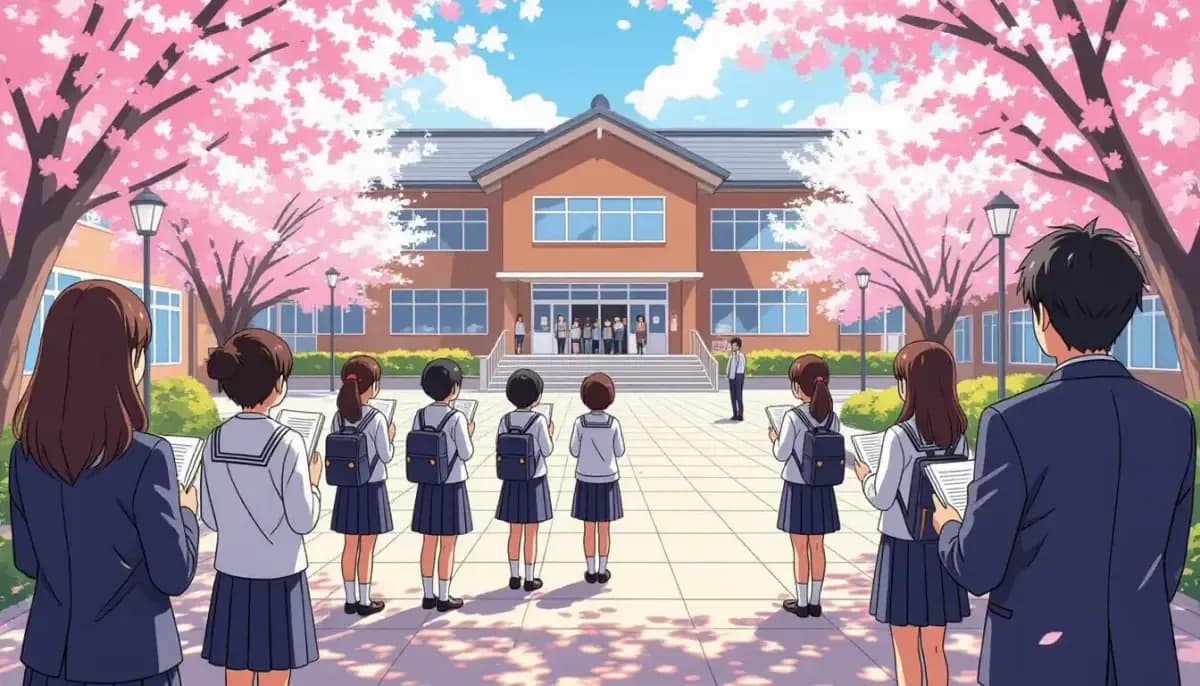
- Attend the entrance ceremony — held in early April at the start of the school year.
Foreign families arriving mid-year can still enroll at any time after completing resident registration. Schools are required by law to accept students during the academic year.
All enrollment documents are in Japanese. If you need help filling out forms, contact the municipal office or ask the Board of Education about interpreter support. MEXT (the Ministry of Education) also provides an enrollment guidebook available in 8 languages, which you can request through your local office.
For detailed guidance on the transition process, read: Transition from Elementary to Junior High School in Japan.
Also see our overview of the full education landscape: The Complete Guide to the Japanese Education System for Foreign Families.
Costs: What to Budget For
Public junior high school tuition and textbooks are provided free of charge by the government. However, families should budget for several additional costs:
| Expense | Approximate Monthly Cost |
|---|
| School lunch (kyūshoku) | ¥4,000–¥5,000 |
| PTA membership fee | ¥500–¥1,500 |
| Materials and activity fees | ¥1,000–¥3,000 |
| School excursion savings | ¥2,000–¥5,000 |
| Club activity fees | ¥1,000–¥3,000 |
| One-time costs | |
| School uniform | ¥20,000–¥50,000 |
| Sports uniform/gym kit | ¥5,000–¥15,000 |
| School supplies | ¥5,000–¥10,000 |
The largest one-time cost is typically the school uniform (seifuku), which can range widely depending on the school. Uniforms are purchased through designated retailers; the school provides purchase information before enrollment.
Some municipalities offer financial assistance for low-income families (shūgaku enjo). Check with your local Board of Education or municipal welfare office for eligibility details.
Language Support for Foreign Students
Approximately 41.5% of foreign students in Japan require Japanese language instruction, and Japanese public schools provide various levels of support:
- Japanese as a Second Language (JSL) classes — dedicated pull-out or in-class support for students who are not yet fluent in Japanese
- Bilingual classroom aides — available at schools with higher concentrations of foreign students
- Interpreter support — some municipalities provide interpreting services for school meetings and consultations
- Adapted curriculum — specialized frameworks for Japanese language learning have been in place since 2014 for elementary and middle schools
The level of support varies significantly depending on your municipality and school. Areas with large foreign populations (such as Hamamatsu, Nagoya, Osaka, and Tokyo) tend to have more robust language programs.
If you are concerned about your child's Japanese language development, read: Best Methods to Teach Children Japanese as a Second Language. Maintaining your child's first language is equally important — see: Why Maintaining Your Child's Heritage Language Matters.
For families choosing between public and international schooling options, our guide on Complete Guide to International Schools in Japan can help you compare.
Resources for foreign students and their families are also available at Living in Nihon, which covers a wide range of topics for foreigners settling in Japan.
Daily School Life: What to Expect
Junior high school in Japan follows a structured routine that can be quite different from Western schools.
Academic Schedule
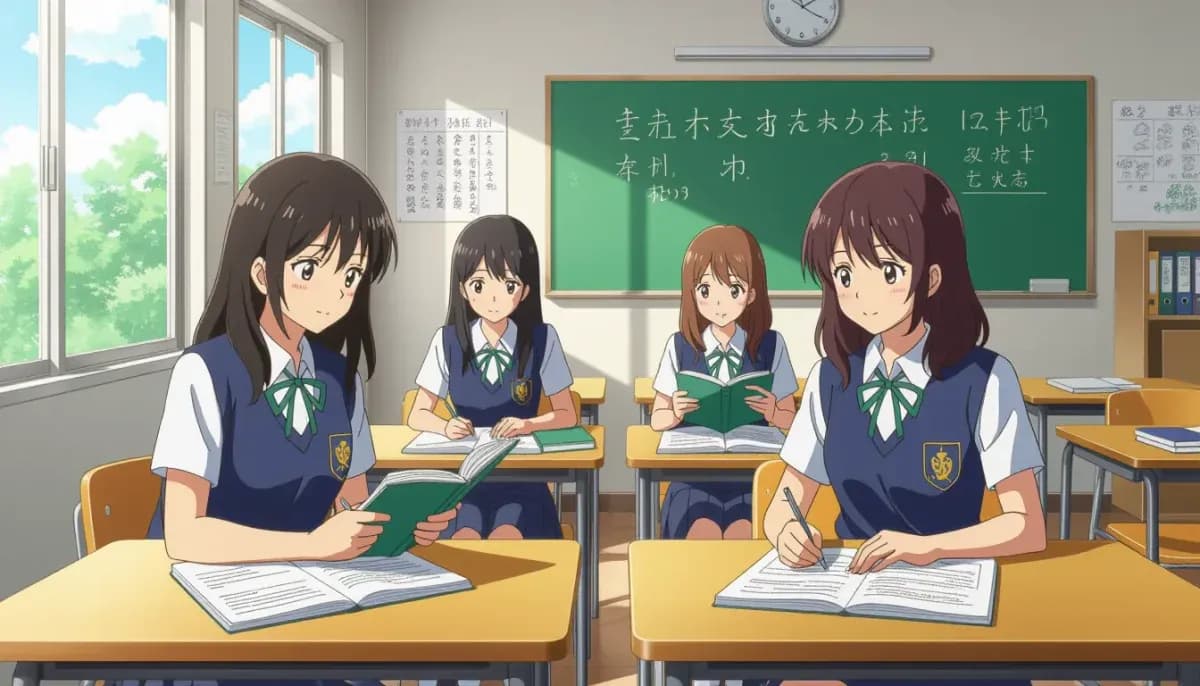
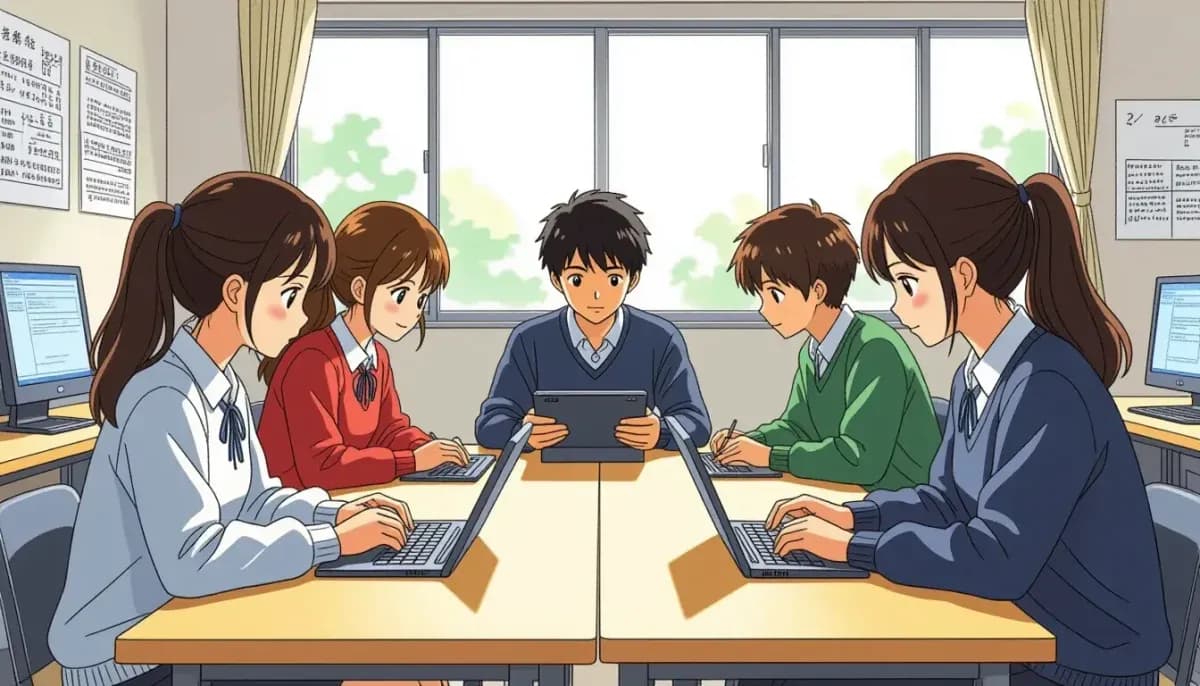
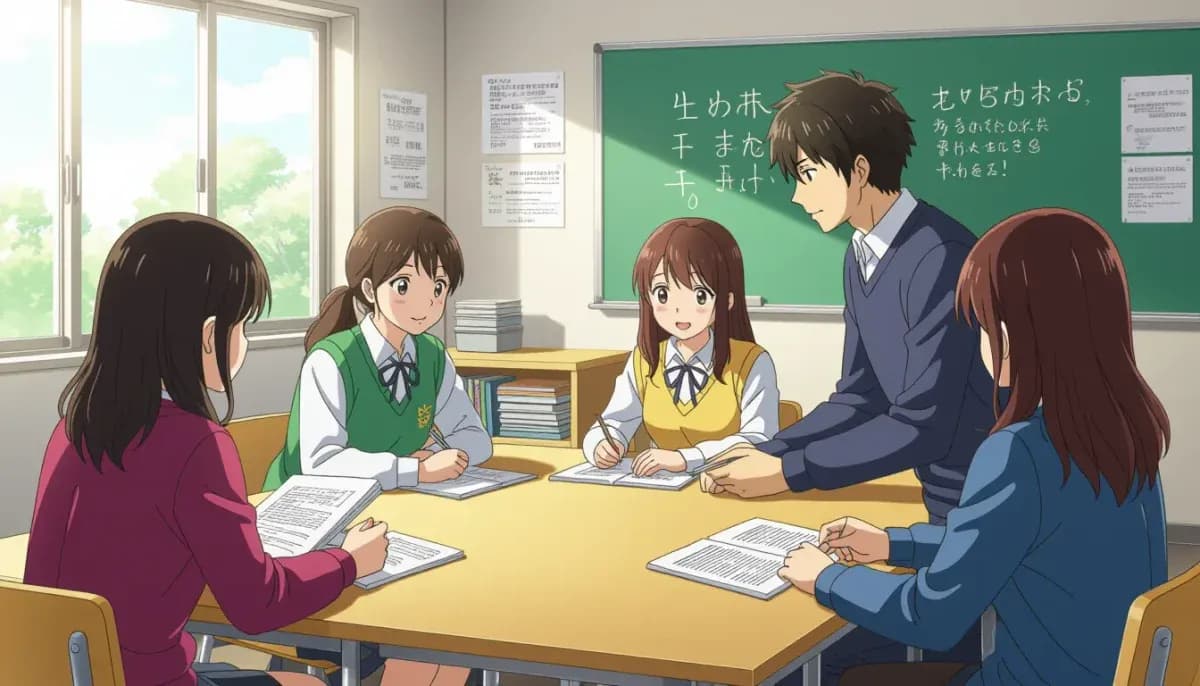
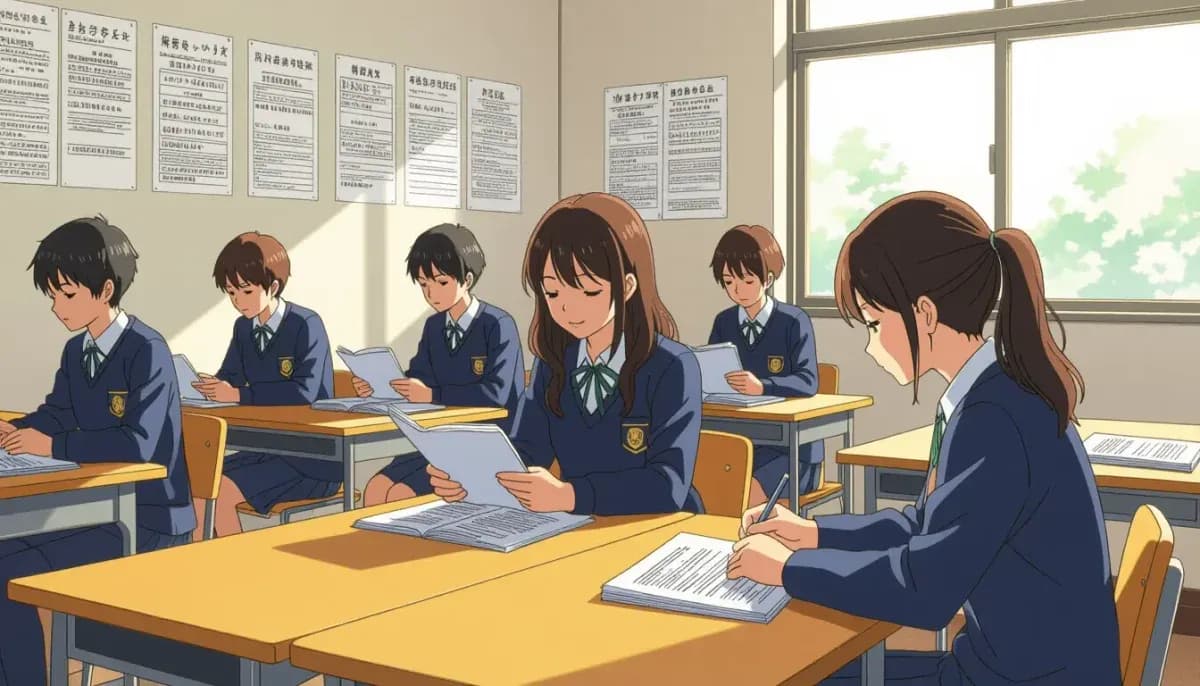
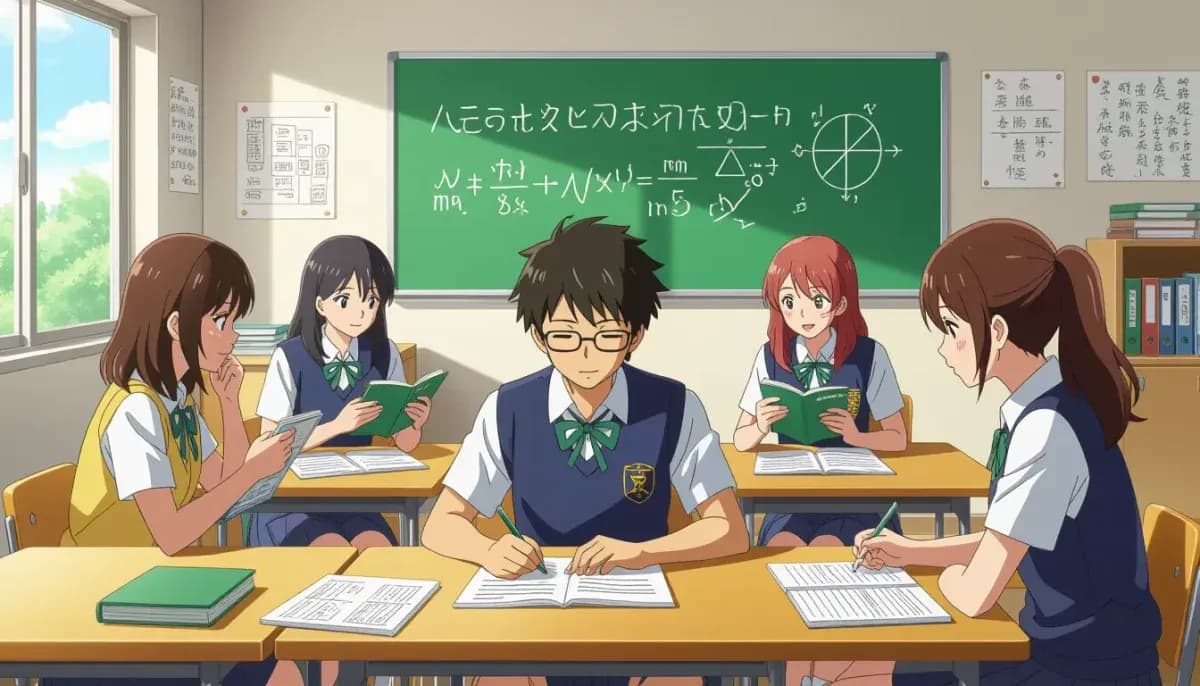
Most schools run from around 8:00 AM to 3:30–4:00 PM, with six to seven class periods per day. Subjects include Japanese, math, science, social studies, English, music, art, physical education, and home economics. Students stay in their homeroom classroom while teachers rotate, rather than moving between classrooms for each subject.
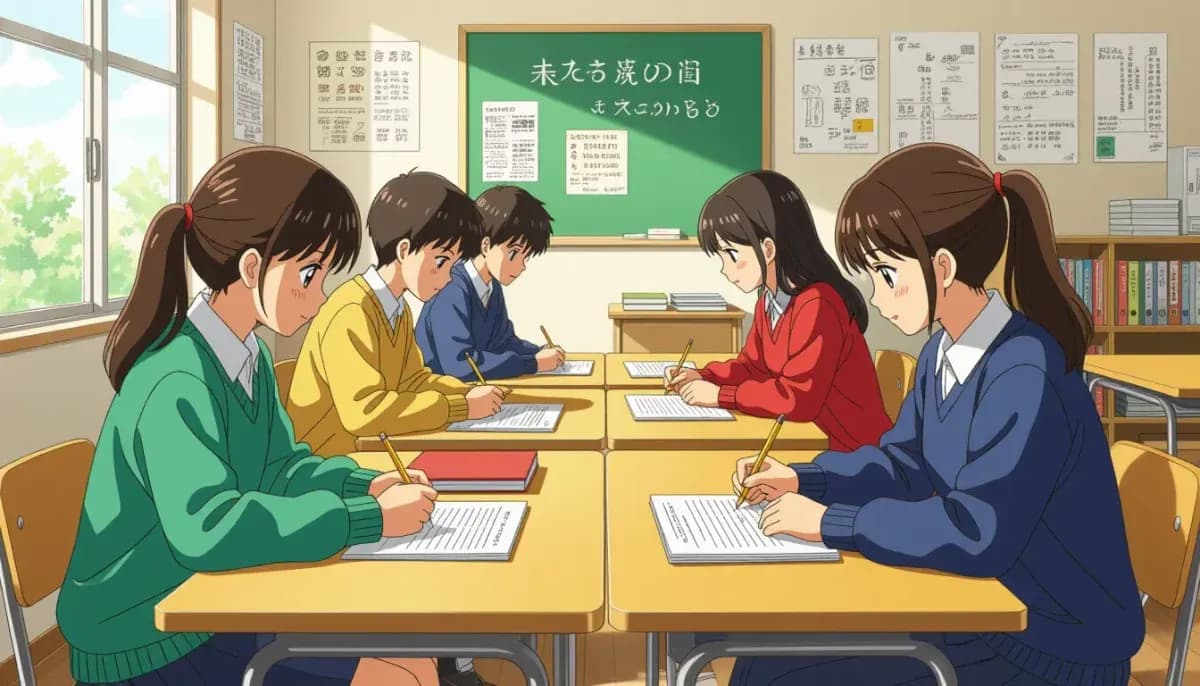
Homework is assigned regularly and exams occur at the end of each term. Grades begin to matter seriously from junior high onwards, as high school entrance examinations (kōkō juken) depend on academic performance and teacher evaluations.
School Rules and Expectations
Japanese junior high schools tend to have strict rules covering:
- Uniform requirements (including shoe color, bag type, and hairstyle)
- Punctuality — students are expected to arrive early and participate in morning cleaning duty (sōji)
- Respect for senpai-kōhai (senior-junior) hierarchies among students
- Mobile phone use policies (usually prohibited or highly restricted during school hours)
For foreign children accustomed to more relaxed school environments, these rules can require adjustment. Discussing school expectations at home will help your child feel prepared.
Club Activities (Bukatsu): A Core Part of Junior High Life
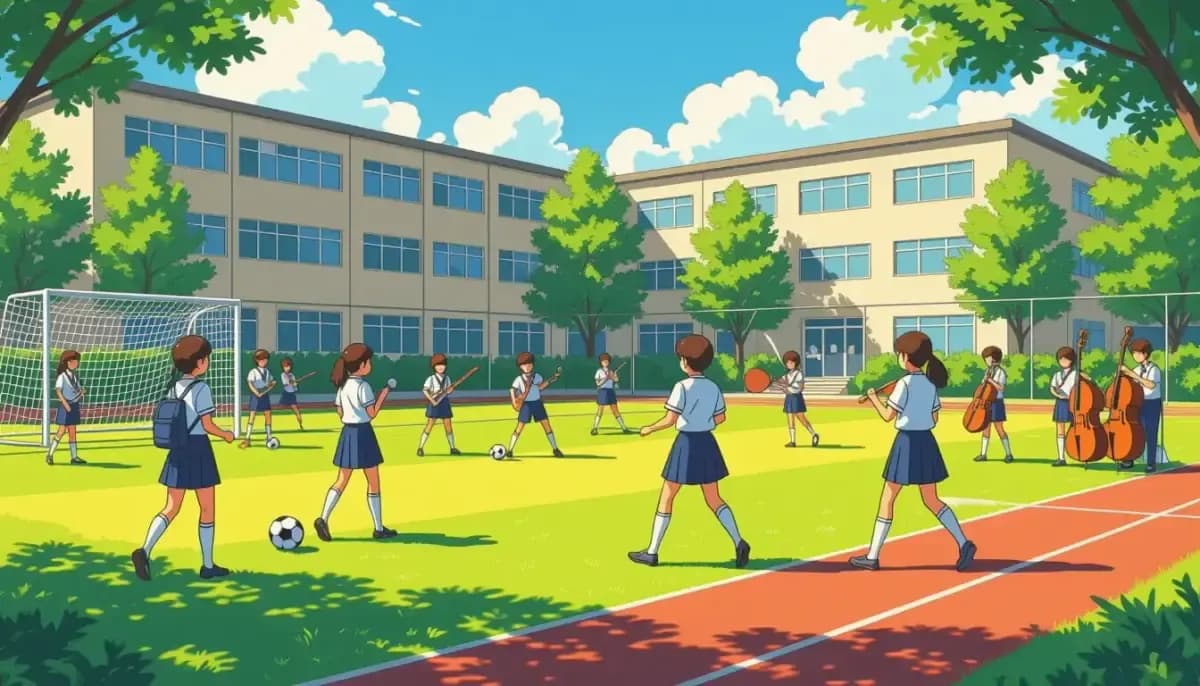
One of the most distinctive features of Japanese junior high school is the club activity system (*bukatsu*), which becomes central to students' school identity and social life.
After school hours, students participate in organized sports clubs (baseball, soccer, swimming, tennis, volleyball, kendo, judo) or cultural clubs (music band, art, science, calligraphy, drama). Clubs typically meet 4–5 times per week, including Saturdays, and participation is expected at most schools — though technically voluntary.
Bukatsu builds:
- Teamwork and discipline through regular practice and competition
- Lasting friendships — club bonds are often the most important social connections students form
- Responsibility and time management — balancing academics with club commitments
- Japanese language immersion — club practice happens entirely in Japanese
For foreign children, joining a club can be an excellent way to integrate socially, even with limited Japanese. Physical sports clubs in particular allow participation even before full language fluency. For guidance on helping your child adjust socially, see: Signs of Stress and Anxiety in Expat Children.
More practical resources for working parents managing school schedules in Japan are available at For Work in Japan, which provides guidance for foreign professionals raising families in Japan.
Preparing for High School: What Happens After Junior High
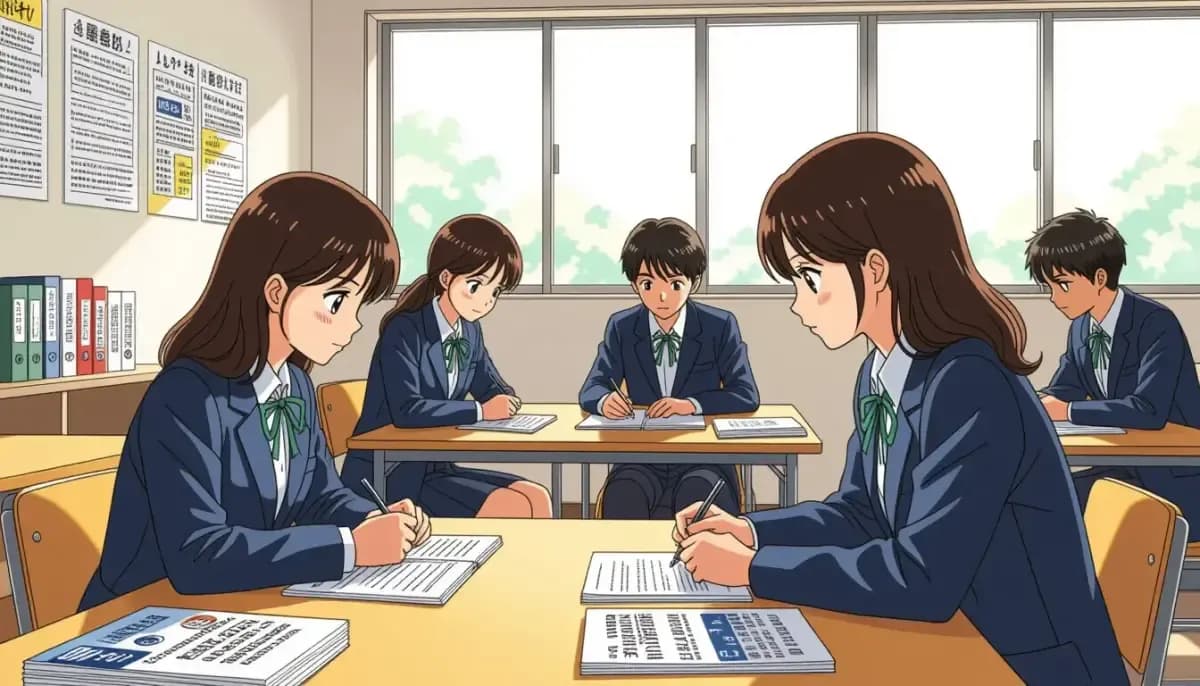
Junior high school is also the period when families need to begin thinking about high school entrance examinations. Unlike elementary-to-junior-high progression (which is automatic within the public system), high school admission requires an examination (nyūgaku shiken).
Entrance exams typically assess:
- Five core subjects: Japanese, math, English, science, social studies
- An internal school report (naishinsho) covering grades and behavior in grades 8–9
- Sometimes an interview or essay
Foreign students have special admission options at many public high schools, including:
- Adapted entrance exam formats with additional time or bilingual dictionaries
- Special quotas for returnee students (kikoku shijo) and foreign residents
- Schools specializing in educating international students
Cram schools (juku) are commonly used by students preparing for high school exams. Some cram schools offer English-medium programs or special support for foreign students.
For an overview of post-junior-high options, read: Types of High Schools in Japan: Academic, Vocational, and Special.
The exam preparation resource Chuukou Benkyou provides detailed study guides for middle school entrance exam preparation in Japan, including notes on how foreign and returnee students can navigate the system.
Additionally, practical information on school enrollment and daily life is available from Japan Living Guide and community guides such as E-Housing's public school guide.
Key Takeaways for Foreign Families
Junior high school in Japan is a rewarding but demanding experience for foreign children. Here is a quick summary of what you need to know:
- Enrollment is free and open to all foreign residents — register at your municipal office first
- Costs beyond tuition include lunch, uniforms, materials, and club fees — budget ¥5,000–¥15,000 per month
- Language support varies by school and municipality — ask your Board of Education about available programs
- Club activities are an important integration opportunity, even with limited Japanese
- High school entrance exams require advance preparation starting in grade 8 — begin planning early
- 8,432 foreign children remain out of school in Japan — if you know a family that needs help enrolling, share this guide
Understanding your rights and options will help you advocate effectively for your child. Japan's public school system offers foreign children a world-class education and a gateway to deep cultural understanding — with the right preparation, the junior high school years can be truly transformative.
For more on raising bilingual children in Japan, see: Benefits of Raising Bilingual Children in Japan. And if you are navigating early childhood education, our guide on How to Apply for Hoikuen Daycare in Japan Step by Step may also be helpful.