
Part-Time Rules and Responsibilities for Junior High Students

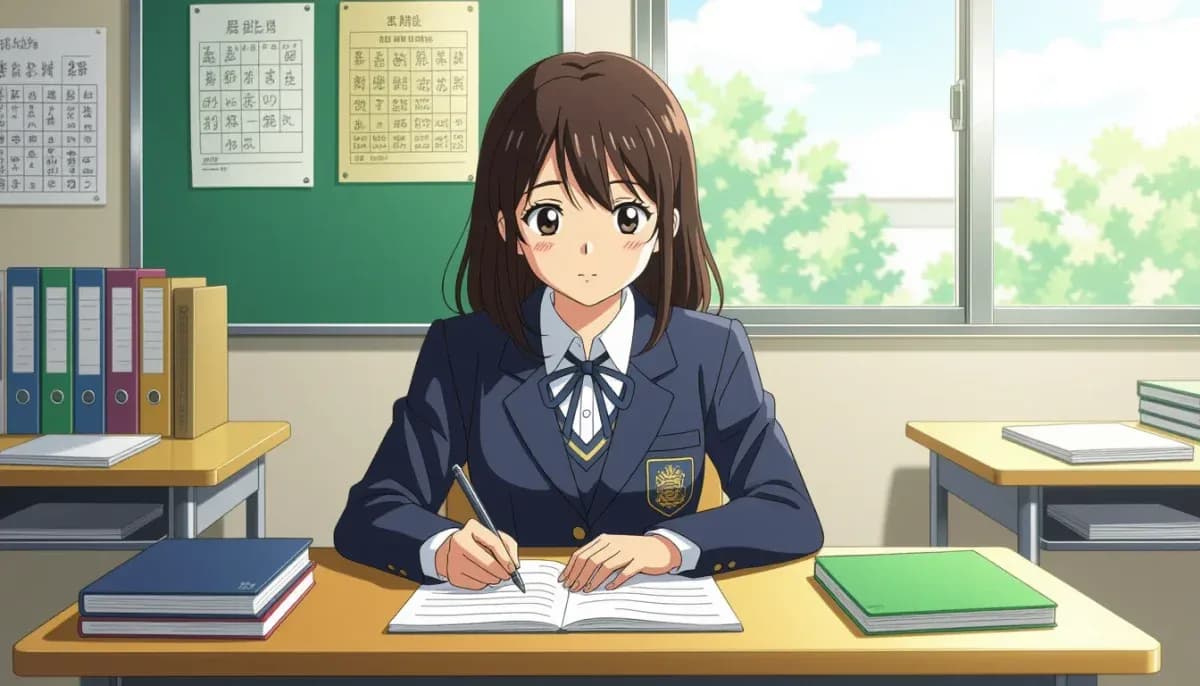
Can junior high school students work part-time in Japan? Learn the legal restrictions, school regulations, and what foreign families need to know about teen employment rules in Japan.
Part-Time Rules and Responsibilities for Junior High Students in Japan
For many foreign families raising children in Japan, the question of whether their junior high schooler can take on a part-time job comes as a surprise — not because of the interest in working, but because of Japan's strict legal and school-based restrictions. Unlike in many Western countries where teenagers commonly hold after-school jobs, Japan operates under a framework that strongly discourages and often legally prohibits part-time work for junior high school students.
If you're a foreign parent navigating this topic, understanding the intersection of Japanese labor law, school regulations, and cultural expectations is essential. This guide breaks down exactly what is and isn't allowed, what the rules mean for your child, and how to prepare them for future responsibilities when they do become legally eligible to work.
Can Junior High School Students Work Part-Time in Japan?
The short answer is: in almost all cases, no — not legally.
Japan's Labor Standards Act (労働基準法) sets the minimum working age at 15, but with an important nuance: even a 15-year-old who is still enrolled in junior high school (中学校 / chuugakkou) cannot legally be hired until after March 31 of the school year in which they turn 15. Since most students graduate from junior high school at the end of March and the new school year begins in April, this effectively means that all junior high school students — regardless of age — are barred from working part-time as employees.
This distinction matters for foreign families coming from countries where part-time work at 14 or 15 is common and encouraged. In Japan, the law aligns the start of employment eligibility with the completion of compulsory education.
The key rule: Students for whom March 31 has not yet passed since they turned 15 shall not be employed as workers under Japanese law.
There is one narrow exception: children aged 13 and older may work in non-industrial settings performing light labor that does not harm their health or welfare, but only with special government administrative approval. This is rarely invoked and is not a practical option for typical part-time work like convenience stores, restaurants, or retail.
Japan's Labor Standards Act: Rules for Minors
Even after a student graduates from junior high school and enters high school, Japan's Labor Standards Act continues to provide significant protections for workers under 18. Foreign families who have teenagers approaching or crossing into high school age should be aware of these rules:
| Age Group | Max Hours/Day | Max Hours/Week | Night Work (10pm–5am) | Hazardous Work |
|---|---|---|---|---|
| Under 15 (junior high) | Not permitted | Not permitted | Not permitted | Not permitted |
| 15–17 (after compulsory education) | 8 hours | 40 hours | Prohibited | Prohibited |
| 18 and over | Standard rules apply | Standard rules apply | Permitted (with conditions) | Permitted (with conditions) |
Key restrictions for 15–17 year olds who are legally allowed to work:
- Maximum 8 hours per day and 40 hours per week
- No night work between 10:00 PM and 5:00 AM
- No hazardous work: This includes heavy machinery, chemical handling, mining, construction, and all forms of adult entertainment
- Minimum wage laws apply equally to young workers
- Employers must keep a birth certificate or proof of age on file for all workers under 18
For more on Japan's employment framework for minors and foreigners, For Work in Japan provides useful overviews of Japanese labor regulations. Additionally, Japan Handbook's guide to working on a student visa covers part-time work regulations for foreign residents in detail.
School Regulations (Koukisoku) and the Part-Time Work Ban
Even if a student were legally permitted to work, most Japanese junior high schools have explicit policies — written into their school rules (koukisoku / 校規則) — that prohibit or strongly restrict part-time work.
These school regulations go beyond labor law and reflect the philosophy of Japanese education: that a student's time, energy, and focus should be devoted entirely to academics, club activities, and personal development during the junior high years.
Common school-based rules related to part-time work include:
- Outright prohibition: Many junior high schools explicitly list part-time work as a prohibited activity in their school rules
- Parental consent requirements: Some schools require written parental consent and advance notification to the homeroom teacher even for performance or modeling work
- Violation consequences: Students found to be working part-time may face disciplinary action, parent-teacher meetings, or in serious cases, suspension
For foreign families, it's worth asking your child's school directly about their koukisoku. Rules vary between public and private schools, and some schools are stricter than others. Private schools that admit foreign students may have slightly different policies, but the general expectation remains: junior high is not the time for employment.
If you're still navigating the basics of how Japanese junior high schools work, check out our guide to Junior High School in Japan: Guide for Foreign Families.
Club Activities (Bukatsu) and Why There's No Time Anyway
One often-overlooked practical reason why junior high school part-time work is rare even when students are curious: bukatsu (部活 / club activities) consume enormous amounts of time.
Club activities at Japanese junior high schools are a central part of student life. Most students join a club, and these clubs meet:
- Every day after school, often until 5:00–6:30 PM
- Weekends and national holidays for practice and tournaments
- During summer and winter breaks for intensive training sessions
A student in a sports club like baseball, swimming, or track and field may spend 20–30 hours per week in club-related activities on top of their regular school schedule and homework. Add in attendance at juku (cram school) for high school entrance exam preparation, and the reality is that most junior high students simply have no practical time for part-time work — even if it were legal and permitted by the school.
This is an important cultural context: in Japan, the expectation during junior high years is total immersion in school life. Part-time work is seen as a distraction from this mission, not a sign of initiative or independence as it might be viewed in other countries.
For more on how bukatsu works and what to expect, see our article on Club Activities (Bukatsu) in Japanese Junior High Schools.
What Foreign Families Need to Know: Navigating Cultural Expectations
Foreign families often bring different cultural assumptions about teenager employment to Japan. In the United States, UK, Australia, and many European countries, part-time work during the teenage years is seen as a valuable life lesson — teaching financial responsibility, time management, and early career experience.
In Japan, this perspective is largely reserved for high school and university students, not junior high schoolers. Here's how to frame this culturally for your family:
1. Delay financial independence conversations until high school Once your child enters high school (typically age 15–18), part-time work (arubaito) becomes both legal and commonly accepted, though still subject to school rules and hour restrictions. This is the right time to introduce concepts of earning, saving, and financial responsibility.
2. Focus on age-appropriate financial education instead Many Japanese families use the junior high years to teach children about money through okozukai (お小遣い / allowance) management, budgeting for school supplies, and saving toward goals. This is a culturally aligned way to build financial skills without violating school rules.
3. Understand that "helping at home" counts In Japan, student responsibility is expressed not through paid work but through souji (掃除 / school cleaning duties), household chores, and community responsibilities. Framing these as valuable learning experiences resonates well with Japanese educational values.
For a broader overview of what to expect as a foreign parent, Living in Nihon's guide to raising children and education in Japan is an excellent starting point.
The 15-Year-Old Exception: When Part-Time Work Becomes Legal
While junior high students cannot work legally, there is a specific milestone to plan for: the transition to high school.
After March 31 of the year a student turns 15 — which in practice means after junior high school graduation — the restrictions change significantly:
- Part-time work (arubaito) becomes legally permissible
- Many high schools allow part-time work with parental consent and school notification
- Students can work up to 8 hours/day and 40 hours/week (capped at 28 hours/week on school days for foreign students on student visas)
- Popular part-time jobs for high school students include: convenience stores (konbini), family restaurants, retail, tutoring younger students, and delivery services
For foreign students on visas: If your child is on a dependent visa (attached to a parent's work or spouse visa), there is no separate work restriction based on student status — the Labor Standards Act age requirements apply. However, if your child holds their own student visa, they may need permission from immigration authorities to work, and are typically limited to 28 hours per week during school terms.
This is a significant detail that distinguishes foreign students from Japanese students, and it's worth consulting with your local immigration office or an administrative scrivener (gyousei-shoshi) as your child approaches high school age.
Responsibilities and Life Skills for Junior High Students: What They Can Do
Even though paid employment is off the table, Japanese junior high is full of opportunities for students to develop responsibility, leadership, and real-world skills. Here are the pathways that are both legal and culturally supported:
Student Council (Seitokai): Running for and participating in student council builds leadership, public speaking, and organizational skills. See our article on Student Council and Leadership in Japanese Junior High.
Club Captaincy (Buchou): Leading a club as captain (buchou) is one of the most respected responsibility roles a junior high student can hold. It involves managing schedules, motivating teammates, and communicating with teachers.
Community Volunteering: Schools and local governments occasionally organize chiiki katsudou (community activities) and cleanup events. Participating builds civic awareness and looks excellent on high school entrance applications.
Family Contributions: Taking on meaningful household roles — cooking simple meals, grocery shopping, managing a household budget — are all valued and appropriate for this age group.
Academic Tutoring: While not paid employment, informally helping younger students or siblings with academics is encouraged and develops communication and teaching skills.
For guidance on the academic side of preparing for the next stage, check out Preparing for High School Entrance Exams in Japan and Academic Pressure in Japanese Junior High Schools.
Summary: Part-Time Work Rules at a Glance
| Question | Answer |
|---|---|
| Can junior high students work part-time legally? | No — minimum age is 15 after March 31 |
| Do schools allow part-time work? | Most prohibit it in school rules |
| What about 15-year-olds in junior high (3rd year)? | Still cannot work until after March 31 graduation |
| When does part-time work become legal? | After junior high graduation (April of high school year) |
| Are there visa restrictions for foreign students? | Yes — foreign students on student visas are capped at 28 hrs/week |
| What responsibilities can junior high students take on? | Bukatsu leadership, student council, household duties, volunteering |
Final Thoughts for Foreign Families
Japan's restrictions on junior high student employment may feel overly strict to families from countries where teen work is normalized, but they reflect a coherent educational philosophy: the junior high years are for building academic foundations, developing social bonds, and preparing for high school entrance exams — not earning income.
Understanding this framework helps foreign families align their expectations with Japanese norms and avoid unnecessary conflict with schools or legal complications. When your child reaches high school age, the doors to arubaito open — and with proper guidance, part-time work can become a genuinely rewarding experience.
For more on navigating Japanese junior high school as a foreign family, also explore Chuukou Benkyou for resources tailored to junior high academic preparation, and our detailed guide on After-School Activities, Juku, and Extracurriculars in Japan.

Originally from Vietnam, living in Japan for 16+ years. Graduated from Nagoya University, with 11 years of professional experience at Japanese and international companies. Sharing practical information for foreign parents raising children in Japan.
View Profile →Related Articles
Preparing for High School Entrance Exams in Japan
Complete guide for foreign families preparing for Japanese high school entrance exams (koukounyuushi). Covers special provisions for foreign students, naishinsho, juku, study strategies, and exam timeline.
Read more →
Student Council and Leadership in Japanese Junior High
A complete guide to student council (seitokai) in Japanese junior high schools — how elections work, leadership roles, responsibilities, and how foreign children can participate in school governance.
Read more →
Technology and Computer Education in Junior High Japan
Discover how technology and computer education works in Japanese junior high schools. Learn about Gijutsu Katei, the GIGA School Program, mandatory programming, and what foreign families can expect.
Read more →
English Education in Japanese Junior High Schools
Comprehensive guide to English education in Japanese junior high schools: curriculum, ALT teachers, proficiency data, tips for foreign families, and entrance exam preparation advice.
Read more →
Private Junior High School Entrance Exams in Japan
Everything foreign families need to know about private junior high school entrance exams in Japan: subjects, competition ratios, returnee pathways, costs, and how to prepare.
Read more →
Career Guidance and Course Selection in Japanese Junior High
A complete guide to career guidance (shinro shidou) and high school course selection in Japanese junior high schools for foreign families — covering entrance exams, juku, and special admissions for international students.
Read more →