
Student Council and Leadership in Japanese Junior High

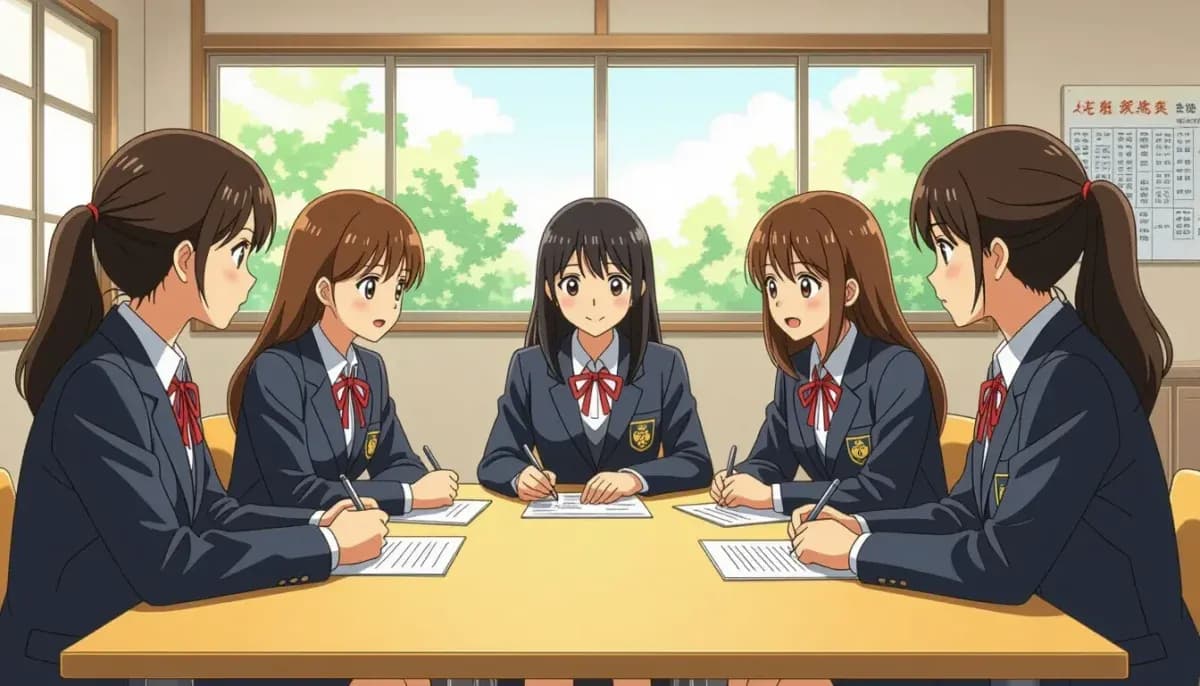
A complete guide to student council (seitokai) in Japanese junior high schools — how elections work, leadership roles, responsibilities, and how foreign children can participate in school governance.
Student Council and Leadership in Japanese Junior High Schools
If your child is attending a Japanese junior high school, they will soon hear about the seitokai (生徒会) — the student council that sits at the heart of school life. Unlike student councils in many Western countries, the Japanese seitokai is a deeply embedded institution with its own traditions, election rituals, and responsibilities. For foreign families navigating the Japanese education system, understanding how student council works can help your child make the most of their school experience and even take on meaningful leadership roles.
This guide explains everything you need to know about student council and leadership opportunities in Japanese junior high schools — from how elections work to what roles are available and how your child can get involved.
What Is the Seitokai? Japan's Student Council Explained
The word seitokai (生徒会) literally means "student association" or "student council." It is the official student governing body found in virtually every Japanese junior high school (chugakko) and high school.
The modern seitokai was established around 1949, following World War II, when the Japanese government standardized autonomous student organizations across schools to promote democratic values and civic participation among youth. Since then, the seitokai has become one of the most iconic aspects of Japanese school culture — frequently featured in manga, anime, and dramas as a symbol of school prestige and leadership.
In real life, however, the seitokai functions differently from its dramatized portrayals. Rather than wielding sweeping authority over the student body, the real seitokai operates in an advisory and organizational capacity, working within teacher and faculty guidelines. It serves as the main bridge between the student body and the school administration.
For foreign children attending Japanese public junior high schools, the seitokai is fully open for participation. Enrolling in seitokai activities is one of the best ways for expat children to integrate into school life and build meaningful friendships.
For more on navigating Japanese public schools as a foreign family, see our guide on Junior High School in Japan: Guide for Foreign Families.
Structure and Roles in the Student Council
The Japanese student council follows a clear hierarchical structure with defined roles. Understanding these positions helps students (and their parents) know what to aim for.
| Role (Japanese) | Role (English) | Responsibilities |
|---|---|---|
| 生徒会長 (Seitokaicho) | President | Overall leadership, represents students to faculty |
| 副会長 (Fukukaicho) | Vice President | Supports president, leads in their absence |
| 書記 (Shoki) | Secretary | Records meeting minutes, manages documentation |
| 会計 (Kaikei) | Treasurer | Manages student council budget and finances |
| 会計監査 (Kaikei Kansa) | Auditor | Reviews and verifies financial records |
| 庶務 (Shomu) | General Affairs | Handles logistics and miscellaneous tasks |
| 各委員会委員長 | Committee Chairs | Lead specific committees (events, environment, etc.) |
Beyond the central executive positions, most Japanese junior high schools also have specialized committees (委員会, iinkai) that fall under the seitokai umbrella. These include:
- Bunka iinkai (文化委員会) — Cultural Committee, organizing school events and cultural festivals
- Hoken iinkai (保健委員会) — Health Committee, promoting hygiene and health awareness
- Seikatsu iinkai (生活委員会) — Lifestyle Committee, overseeing school rules and daily conduct
- Kankyou iinkai (環境委員会) — Environment Committee, managing school cleanliness and sustainability
These committees provide excellent entry points for students who want to be involved without running for a top executive role.
How Student Council Elections Work in Japan
One of the most exciting aspects of Japanese school life is the seitokai election (seitokai senkyo). These elections are taken seriously and follow a structured process:
- Nomination period — Students who want to run for a position register as candidates, often requiring endorsement from a classmate or teacher.
- Campaign period — Candidates hang posters around the school, wear campaign sashes (tasuki), and give speeches at school assemblies. Campaign speeches are a major event — the whole school gathers to listen.
- Voting day — All students cast secret ballots, typically using official ballot papers in a process that mirrors a real democratic election.
- Announcement — Results are officially announced to the school, and the new council is inaugurated at a ceremony.
The election season is typically held in the autumn term (September–November), with the new council taking over from the outgoing one. Elections are competitive, and running for president (seitokaicho) carries significant social prestige.
For foreign children, participating in elections — even just as a voter — is a great way to understand Japanese civic culture. With sufficient Japanese language ability, some expat students do run for committee positions and even vice president roles.
What Does the Student Council Actually Do?
The seitokai's work spans the entire school year. Here are the main areas of responsibility:
Organizing School Events
The student council is heavily involved in planning and running key school events:
- Bunkasai (文化祭) — The cultural festival, one of the biggest events of the year, where students set up performances, exhibitions, and food stalls
- Taiikusai / Undokai (体育祭) — Sports day, a whole-school athletic competition
- Sogo gakushu happyokai — General presentation assemblies where students showcase projects
- Sotsugyoshiki — Graduation ceremony organization and preparation
Managing Clubs and Extracurricular Activities
Student council oversees the club activities (bukatsu) system, including approving new club applications, managing club budgets, and resolving disputes between clubs. Understanding bukatsu is key to junior high school life — see our article on Elementary School in Japan: A Complete Guide for Foreign Parents for background on how Japan's extracurricular culture begins early.
Voicing Student Concerns
The council holds regular meetings and can bring student proposals to the faculty. While their authority is advisory rather than legislative, a well-organized seitokai can have a genuine impact on school policies — from cafeteria menus to uniform regulations.
Tokubetsu Katsudo: The Broader Framework
Japan's education system has a unique framework called tokubetsu katsudo (特別活動), or "special activities." This includes class activities, school events, and student council activities. Unlike academic subjects, tokubetsu katsudo aims to develop students' social skills, sense of community, and civic responsibility. The seitokai is the peak expression of this philosophy — students are not just learning, they are actively governing their school community.
Skills Your Child Will Develop Through Student Council
Participation in student council delivers a range of practical and social skills that benefit children far beyond their school years:
- Public speaking — Campaign speeches and assembly presentations build confidence
- Leadership and teamwork — Running committees and organizing events requires collaboration
- Time management — Balancing council duties with academic work teaches prioritization
- Problem-solving — Addressing student concerns requires creative thinking
- Democratic values — The election process teaches civic participation and fair representation
- Japanese language proficiency — For foreign children, council activities provide immersive Japanese practice in a real-world context
Research consistently shows that students involved in school governance perform better academically and report higher levels of school satisfaction. Japanese schools have long recognized this through the tokubetsu katsudo framework.
Can Foreign Children Participate in the Seitokai?
Absolutely. Foreign nationals who are enrolled in Japanese public junior high schools have full rights to participate in all school activities, including the seitokai. Tokyo's Board of Education, for example, explicitly states that foreign students are entitled to the same educational experiences as Japanese students.
That said, there are practical considerations:
- Japanese language ability — Campaign speeches and committee meetings are conducted entirely in Japanese. A basic to intermediate level of Japanese (approximately JLPT N4–N3) is helpful for meaningful participation.
- Cultural adjustment — The structured formality of Japanese school governance can feel unfamiliar at first. Expat students often benefit from observing the council in their first year before running for a position.
- Teacher support — Many schools have homeroom teachers (tanin) who actively encourage strong students to run for council. Building a good relationship with your child's tanin can open doors.
For families navigating language challenges, schools may also arrange interpreters or bilingual support staff. Read more on Teaching Japanese to Foreign Children: Methods and Resources for tips on preparing your child for Japanese-language school life.
For a broader overview of raising children in Japan as a foreign family, Living in Nihon's guide to raising children and education in Japan provides excellent context on navigating the Japanese school system.
Tips for Encouraging Your Child to Get Involved
If your child is interested in student council but hesitant, here are some practical steps:
- Start with a committee role — Committee positions (iinkai) are less competitive than executive roles and a great way to learn the ropes.
- Make friends in the council — Existing council members can mentor your child and provide insider knowledge.
- Practice speech-making at home — Help your child prepare a Japanese speech using simple, clear language.
- Attend school events — Watching bunkasai and undokai preparations firsthand shows your child what the council actually does.
- Talk to the homeroom teacher — Teachers can formally recommend students for council roles and provide guidance.
For expat parents wondering how to support their child's school journey more broadly, For Work in Japan's resources on the English teaching and education sector in Japan can offer useful perspective on Japan's educational culture.
Seitokai vs. Anime: Setting the Right Expectations
Many children (and parents) come to Japan with expectations shaped by anime like Seitokai Yakuindomo or Kaguya-sama: Love Is War, where student council presidents wield near-absolute power over school life. The reality is quite different:
- Real seitokai cannot punish students or create school rules independently
- They work under faculty supervision and cannot override teacher decisions
- The president is a respected figure but not an authority over teachers or administrators
- Activities are meaningful but largely organizational and ceremonial
This doesn't make the seitokai any less valuable — it simply means your child's experience will be grounded in genuine civic participation rather than fictional drama.
For a thorough explanation of how seitokai differs from its anime depictions, Suki Desu's breakdown of the real vs. anime seitokai is an excellent read.
For academic preparation support tailored to Japanese junior high school examinations and study habits, Chuukou Benkyou offers comprehensive study resources specifically for this school level.
Conclusion
The seitokai (student council) is one of the most rewarding aspects of Japanese junior high school life. It builds leadership skills, deepens friendships, and gives students a real stake in their school community. For foreign children adapting to life in Japan, participating in student council — even at the committee level — can be a transformative experience that accelerates both language learning and cultural integration.
Whether your child dreams of becoming seitokaicho or simply wants to contribute to the cultural festival committee, the seitokai has a place for every motivated student. Encourage them to get involved — the experience will stay with them long after graduation.
For more on your child's educational journey in Japan, explore our comprehensive Guide to the Japanese Education System for Foreign Families and our article on Mental Health and Emotional Wellbeing for Foreign Children in Japan.

Originally from Vietnam, living in Japan for 16+ years. Graduated from Nagoya University, with 11 years of professional experience at Japanese and international companies. Sharing practical information for foreign parents raising children in Japan.
View Profile →Related Articles
Part-Time Rules and Responsibilities for Junior High Students
Can junior high school students work part-time in Japan? Learn the legal restrictions, school regulations, and what foreign families need to know about teen employment rules in Japan.
Read more →
Preparing for High School Entrance Exams in Japan
Complete guide for foreign families preparing for Japanese high school entrance exams (koukounyuushi). Covers special provisions for foreign students, naishinsho, juku, study strategies, and exam timeline.
Read more →
Technology and Computer Education in Junior High Japan
Discover how technology and computer education works in Japanese junior high schools. Learn about Gijutsu Katei, the GIGA School Program, mandatory programming, and what foreign families can expect.
Read more →
English Education in Japanese Junior High Schools
Comprehensive guide to English education in Japanese junior high schools: curriculum, ALT teachers, proficiency data, tips for foreign families, and entrance exam preparation advice.
Read more →
Private Junior High School Entrance Exams in Japan
Everything foreign families need to know about private junior high school entrance exams in Japan: subjects, competition ratios, returnee pathways, costs, and how to prepare.
Read more →
Career Guidance and Course Selection in Japanese Junior High
A complete guide to career guidance (shinro shidou) and high school course selection in Japanese junior high schools for foreign families — covering entrance exams, juku, and special admissions for international students.
Read more →