
Junior High School Uniforms and Grooming Rules in Japan

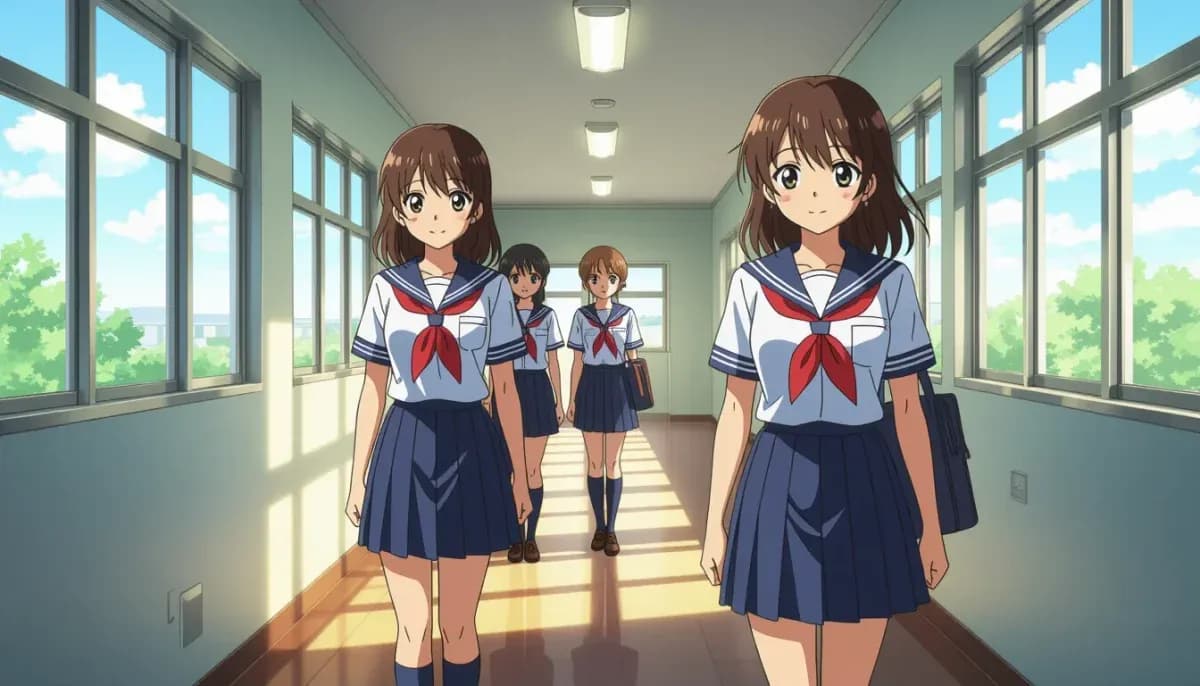
Complete guide to Japanese junior high school uniforms and grooming rules for foreign families. Learn about gakuran, sailor uniforms, hair rules, black rules reform, and practical tips for expat children.
Junior High School Uniforms and Grooming Rules in Japan: A Guide for Foreign Families
When your child enters a Japanese junior high school (中学校, chūgakkō), one of the first things you will notice is the strict uniform and appearance requirements. For foreign families, these rules can feel surprisingly rigid — covering not just what students wear, but also their hair, accessories, makeup, and even nail length. Understanding the system ahead of time helps you prepare your child and avoid surprises on the first day of school.
This guide explains everything foreign families need to know about Japanese junior high school uniforms and grooming rules — from the types of uniforms worn nationwide to the controversial "black rules" reform movement that is reshaping student life in Japan today.
The Two Main Types of Junior High School Uniforms
Japan does not have a single national uniform — each school sets its own — but most junior high schools follow one of two broad styles that have defined Japanese school culture for over a century.
Gakuran (Boys' Uniform)
The gakuran (学ラン) is the traditional boys' uniform. It features a standing Mandarin-style collar that buttons from the neck down, usually in black or dark navy blue. The jacket is worn with straight-leg trousers in a matching color, and shoes are typically loafers or plain sneakers.
The gakuran has roots in Meiji-era Japan, when the government adopted Western military-style clothing as part of modernization efforts. Today it remains iconic, though some schools have shifted to more modern blazer-style jackets.
Sailor Uniform and Blazer Sets (Girls' Uniform)
Girls most commonly wear one of two styles:
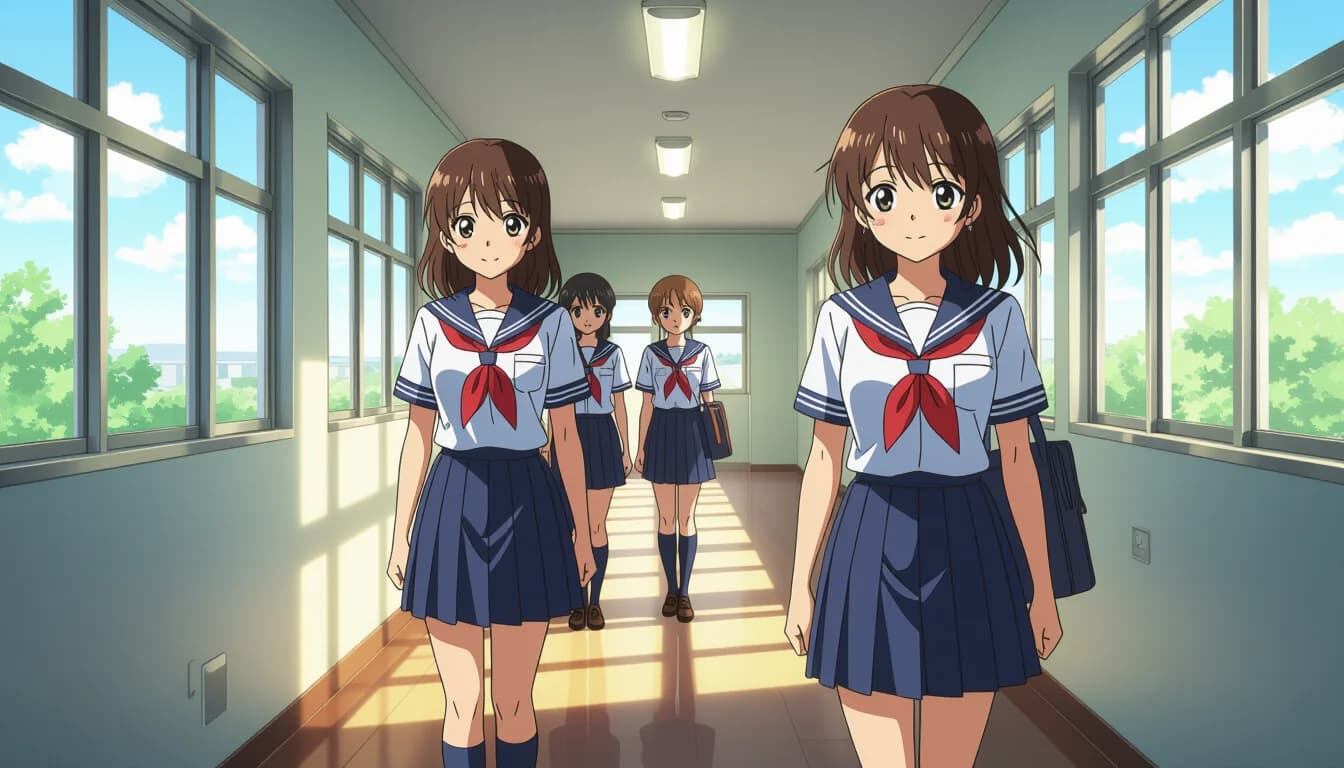
- Sailor uniform (セーラー服, *sērafuku*): A top with a wide sailor-style collar, paired with a pleated skirt — usually in navy, grey, or dark green.
- Blazer and skirt sets: A formal blazer jacket with a plaid or solid-color skirt, increasingly common at modern schools.
Both styles require skirts that reach at or below the knee. Rolling up skirts is technically prohibited, though it remains a common practice among older students.
Genderless Uniforms: A Growing Trend
Since around 2019, a growing number of schools have introduced gender-neutral uniform options — most notably allowing female students to wear slacks instead of skirts. By 2021, over 1,000 junior and senior high schools across Japan had adopted some form of genderless uniform design. This shift has been especially meaningful for transgender and non-binary students, as well as girls who prefer trousers for comfort or practicality.
| Uniform Type | Who Wears It | Key Features |
|---|---|---|
| Gakuran | Boys | Standing collar, black/navy jacket + matching trousers |
| Sailor Uniform (Sērafuku) | Girls | Sailor-style collar top + pleated skirt |
| Blazer & Skirt | Girls | Formal blazer + plaid or solid skirt |
| Genderless Slacks | All genders | Trousers offered as alternative to skirt |
| Summer Uniform | All students | Lighter fabrics, short sleeves, same color scheme |
Most schools also have a summer uniform variant — same color palette, but lighter fabric and short sleeves — which students switch to around June and return to the winter version in October.
Standard Grooming Rules: What to Expect
Japanese junior high school grooming rules (校則, kōsoku) go far beyond just the uniform. Here is what your child should be prepared for:
Hair Rules
Hair is often the most strictly enforced aspect of school appearance:
- No dyeing: Students are required to keep their natural hair color. Dyeing hair — even to a lighter shade — is almost universally prohibited.
- No perming or straightening: Chemical treatments that alter hair texture are usually banned.
- Length requirements: Boys are often required to keep hair above the ears and collar. Girls with long hair may be required to tie it up if it passes the shoulders, and approved hair tie colors are often specified (typically black, navy, or brown).
- No unusual styles: Braids, cornrows, undercut ("two-block") styles, and shaved patterns are often prohibited.
Makeup, Accessories, and Nails
- No makeup: Foundation, lipstick, mascara, and all cosmetics are prohibited.
- No nail polish or manicures: Nails must be kept short and undecorated.
- No jewelry: Earrings, necklaces, bracelets, and rings are not allowed at school. Even stud earrings are typically banned.
- No colored or patterned socks: Socks are usually required to be white, black, or navy.
Bags, Phones, and Personal Items
- Mobile phones are prohibited during school hours at most schools, and many schools require phones to be stored in bags or lockers all day.
- School bags are often specified — some schools require a specific model of randoseru-style bag or a plain tote.
- Snacks and soft drinks (other than water) are typically not allowed.
For a broader understanding of what daily life looks like in a Japanese junior high school, see our guide on Junior High School in Japan: Guide for Foreign Families.
The "Black Rules" Controversy
In recent years, many of Japan's strictest school appearance regulations have attracted significant public criticism. These rules — nicknamed "black rules" (ブラック校則, buraku kōsoku) — are seen by critics as excessive, arbitrary, and harmful to students' individuality and wellbeing.
What Are Black Rules?
The term refers to regulations that go beyond reasonable discipline and into the realm of micromanagement or even absurdity. Examples include:
- Requiring students to have naturally black hair (even if their natural hair is brown or another color)
- Mandating white underwear and banning colored undergarments
- Prohibiting girls from wearing their hair in a ponytail (on the grounds that it could "distract" male classmates)
- Specifying the exact length and thickness of hair ties
- Banning students from walking side-by-side with students from the opposite sex
These rules emerged primarily in the 1970s and 1980s, when schools across Japan tightened discipline to combat rising school violence and bullying. Over time, many regulations became codified and were passed down without re-evaluation.
The 2017 Lawsuit That Changed the Conversation
A turning point came in 2017 when a high school student in Osaka Prefecture filed a lawsuit against her school, alleging that teachers had repeatedly forced her to dye her naturally brown hair black and had publicly humiliated her in front of classmates. The case attracted national media attention and sparked a broader conversation about the fairness and legality of school grooming rules. The student received a settlement, and the case directly contributed to school rule reform efforts in the years that followed.
Reform in 2025
Today, the reform movement is gaining real momentum. Tokyo's Board of Education has abolished five of the most controversial rules for approximately 200 public high schools in the capital, including bans based on natural hair color. Junior and high schools across Japan are now being encouraged to revise their rulebooks with input from students themselves. At Yawata Junior High School in Nagoya, students in 2025 are now permitted to choose whether to wear the school uniform or their own clothing — a radical departure from tradition.
Research on schools that have implemented these reforms shows positive results: greater student confidence and stronger trust between students and teachers.
For more about how school rules intersect with student wellbeing, see our article on Bullying (Ijime) in Japanese Schools: Prevention and Response.
How These Rules Affect Foreign and Biracial Children
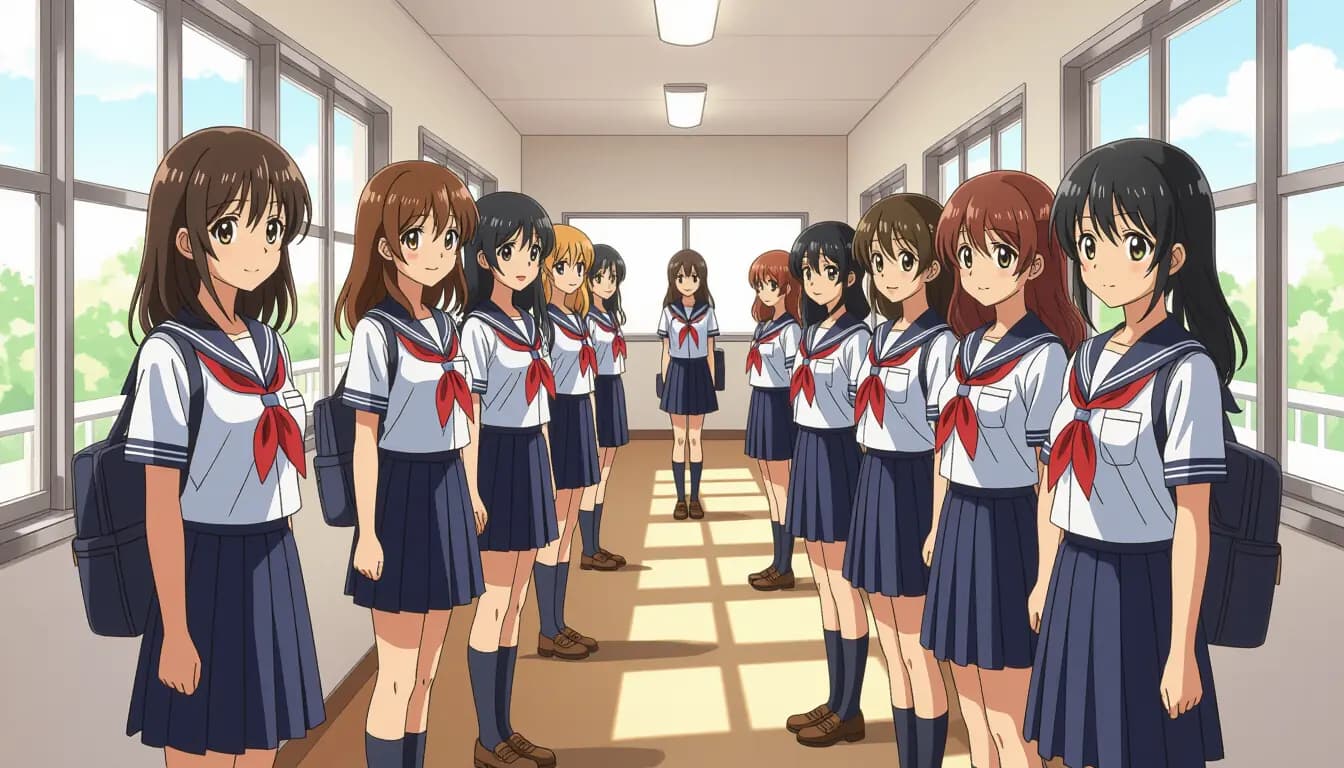
For children who did not grow up in Japan, or who have mixed heritage, uniform and grooming rules can create serious difficulties.
Natural Hair Color Issues
Japanese school rules assume that all students have naturally black or very dark hair. Foreign children — or Japanese children with international roots — may have naturally brown, blonde, or reddish hair. While many schools now have exceptions in place, enforcement is inconsistent, and some families report having to submit written proof from parents or even childhood photographs to demonstrate that a child's hair color is natural and not dyed.
Hair Texture and Style
Children of African, South Asian, or mixed heritage may have hair textures that do not conform to Japanese norms. There have been documented cases of students with natural curls or traditional protective styles (such as cornrows) being told to change their appearance — and in some cases, being excluded from school events for non-compliance. This remains a sensitive and ongoing issue.
Practical Tips for Foreign Families
- Contact the school before enrollment: Ask specifically about exceptions for students with naturally non-black hair or non-straight hair textures.
- Get documentation in writing: If the school grants an exception for natural hair color or texture, request a written confirmation.
- Talk to your child's homeroom teacher early: Building a relationship with the tanin (homeroom teacher) helps navigate rule-related issues more smoothly.
- Connect with other foreign families: Parent networks at your school or through local international community groups can share their experience with how rules are applied in practice.
For more on supporting mixed-heritage children in Japan's school system, see our guide on Cultural Identity for Hafu and Mixed-Race Children in Japan.
How to Prepare Before the First Day
Getting the uniform right from day one avoids unnecessary stress. Here is a practical checklist:
Buying the Uniform
- School-designated retailers: Most schools have a specific shop or department store where the official uniform must be purchased. You will receive purchase information at the enrollment briefing (入学説明会, nyūgaku setsumeikai).
- Budget: A full uniform set (winter + summer) typically costs between ¥20,000 and ¥50,000 depending on the school and retailer.
- Sizing: Japanese school uniforms are often sized up intentionally, since students are expected to grow into them. Staff at the uniform store will advise on the correct size.
- Name tags: Most schools require name labels on all uniform items. Iron-on labels are available at uniform shops and 100-yen stores.
Required Accessories
Most schools will provide a list of required items beyond the uniform itself, which may include:
- Specific indoor shoes (上履き, uwabaki)
- Gym uniform (体操服, taisō-fuku)
- School bag (sometimes school-designated)
- Specific color of socks
- School-branded supplies (name tapes, pencil cases)
What Happens If Rules Are Broken?
Uniform rule violations are typically handled through:
- Verbal reminder from the homeroom teacher or a school staff member during morning checks
- Written guidance sent home to parents
- Repeated violations may result in the student being asked to change or go home for the day
In most cases, especially for new students or foreign children unfamiliar with the rules, first-time violations are handled with a gentle reminder rather than punishment. However, it is better to be prepared from the start.
For context on how academic life and expectations work at this level, read our article on Junior High School Subjects and Curriculum in Japan.
Resources and Further Reading
Understanding Japanese junior high school rules is just one piece of the puzzle for foreign families. Here are some additional resources that may help:
- The Japan Living Guide offers practical overviews of Japanese school customs for foreign families.
- For more on Japan's school rule reform movement, the Japan Times coverage of unreasonable school rules provides up-to-date reporting.
- Unseen Japan's in-depth article on Japanese school hair regulations explains the historical and cultural background of these rules.
- For broader guidance on navigating the Japanese junior high school system, including entrance exams and transition tips, visit Living in Nihon's junior high school guide.
- For Work in Japan also provides guidance for foreign families at forworkinjapan.com.
- Additional school life resources for families are available at chuukoubenkyou.com.
You may also find our related articles helpful as you navigate Japanese junior high school life:
- Transition from Elementary to Junior High School in Japan
- Club Activities (Bukatsu) in Japanese Junior High Schools
- After-School Activities, Juku, and Extracurriculars in Japan
- Making Friends and Developing Social Skills in Japan
Final Thoughts
Japanese junior high school uniform and grooming rules can feel overwhelming at first — especially for families coming from countries where students have far more freedom in their personal appearance. But understanding the system and preparing in advance makes the transition much smoother.
The key things to remember: buy the correct uniform from the school-designated shop, review the rulebook (kōsoku) carefully, and communicate early with teachers if your child has natural features that may not fit standard assumptions. Japan's school system is evolving, and many schools today are more open to accommodating foreign students than they were even five years ago.
With the right preparation, your child can navigate uniform and grooming requirements confidently — and focus their energy on the friendships, studies, and experiences that make junior high school a formative time in any young person's life.

Originally from Vietnam, living in Japan for 16+ years. Graduated from Nagoya University, with 11 years of professional experience at Japanese and international companies. Sharing practical information for foreign parents raising children in Japan.
View Profile →Related Articles
Part-Time Rules and Responsibilities for Junior High Students
Can junior high school students work part-time in Japan? Learn the legal restrictions, school regulations, and what foreign families need to know about teen employment rules in Japan.
Read more →
Preparing for High School Entrance Exams in Japan
Complete guide for foreign families preparing for Japanese high school entrance exams (koukounyuushi). Covers special provisions for foreign students, naishinsho, juku, study strategies, and exam timeline.
Read more →
Student Council and Leadership in Japanese Junior High
A complete guide to student council (seitokai) in Japanese junior high schools — how elections work, leadership roles, responsibilities, and how foreign children can participate in school governance.
Read more →
Technology and Computer Education in Junior High Japan
Discover how technology and computer education works in Japanese junior high schools. Learn about Gijutsu Katei, the GIGA School Program, mandatory programming, and what foreign families can expect.
Read more →
English Education in Japanese Junior High Schools
Comprehensive guide to English education in Japanese junior high schools: curriculum, ALT teachers, proficiency data, tips for foreign families, and entrance exam preparation advice.
Read more →
Private Junior High School Entrance Exams in Japan
Everything foreign families need to know about private junior high school entrance exams in Japan: subjects, competition ratios, returnee pathways, costs, and how to prepare.
Read more →