
Junior High School Subjects and Curriculum in Japan

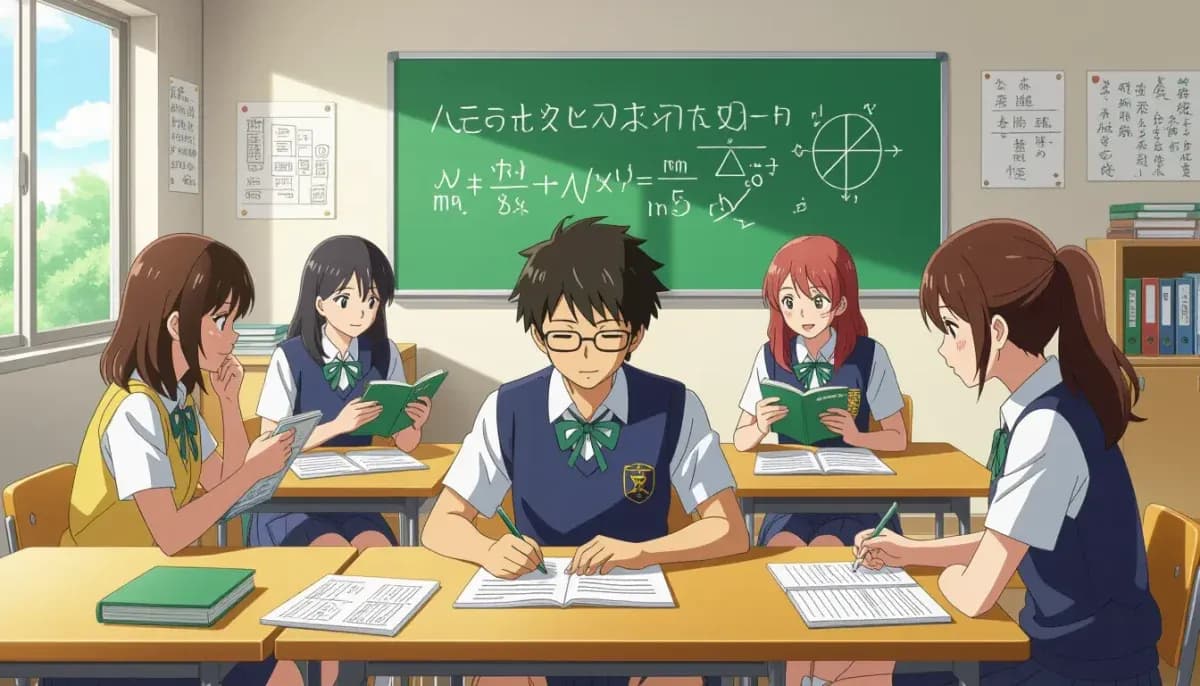
A complete guide to junior high school subjects and curriculum in Japan for foreign families. Learn what subjects are taught, hours per subject, costs, and practical tips for expat children in chuugakkou.
Junior High School Subjects and Curriculum in Japan: A Complete Guide for Foreign Families
If your child is entering a Japanese junior high school (中学校, chuugakkou), one of the first things you'll want to understand is what subjects they'll be studying and how the curriculum is structured. Japan's junior high school system covers grades 7 through 9 — ages 12 to 15 — and forms the second half of the country's compulsory education period. For foreign families, navigating the curriculum can feel overwhelming at first, but with the right preparation, your child can thrive in this environment.
This guide breaks down every subject taught in Japanese junior high schools, explains how the school day and year are organized, and offers practical advice for expat and foreign resident families.
Overview of the Japanese Junior High School System
Japanese junior high school spans three years and is legally required for all children — including foreign nationals with resident status. The academic year begins in April and ends in March, following Japan's fiscal calendar. This is different from most Western countries, so be aware that enrollment, transitions, and graduation all happen at different times of year.
The Ministry of Education, Culture, Sports, Science and Technology (MEXT) establishes a national curriculum guideline (gakushuu shidou youryou) that all public and private schools must follow. These guidelines are updated approximately every decade to reflect educational goals and societal needs. All schools are required to use MEXT-approved textbooks, ensuring consistent standards nationwide.
Junior high school students typically have six 50-minute class periods per day, five days a week (Monday to Friday). The school day is structured and disciplined, with emphasis placed on collective learning, respect for teachers, and group cooperation.
For a broader overview of how Japan's entire educational system works, see our guide on The Complete Guide to the Japanese Education System.
Required Subjects in Japanese Junior High School
Japan's junior high school curriculum is quite comprehensive. All students — regardless of their background — are required to study the following core subjects:
1. Japanese Language (国語, Kokugo)
This is a central subject covering reading, writing, grammar, and classical literature. Students study both modern Japanese and older classical texts (kobun and kanbun). For foreign children who are still learning Japanese, this subject can be challenging. Support classes in Japanese as a Second Language (JSL) are offered at some schools, though availability varies by municipality.
2. Social Studies (社会, Shakai)
Social studies is divided into three areas: geography, history, and civics. Students learn about Japan's geography and that of other countries, Japanese and world history, and the structure of government, economics, and society. The civics component introduces democratic values and civil responsibility.
3. Mathematics (数学, Suugaku)
Mathematics is one of the most emphasized subjects. Students build on elementary arithmetic to study algebra, geometry, statistics, and probability. Japan allocates approximately 117 hours annually for grade 8 mathematics — slightly lower than the US (143 hours) or Germany (114 hours), but with a curriculum that emphasizes deep conceptual understanding over memorization.
4. Science (理科, Rika)
Science covers four domains: biology, chemistry, physics, and earth science. Students conduct experiments and develop both observational and analytical skills. Approximately 90 hours per year are devoted to science in grade 8.
5. English (英語, Eigo)
English has been a compulsory subject since junior high school for decades, and since 2021, it is now also part of the elementary curriculum starting from grade 3. Students receive approximately six years of English instruction by the time they graduate high school. However, instruction quality varies — as of 2010, only about 20% of public school English teachers conducted their classes entirely in English. For your child who already speaks English, this subject will likely feel easy, which can be an advantage.
6. Music (音楽, Ongaku)
Students learn to play instruments (often the recorder or keyboard), read musical notation, and study both Japanese and Western music theory. Choral activities are also common.
7. Fine Arts (美術, Bijutsu)
Art classes cover drawing, painting, sculpture, and design. Students are encouraged to develop creative expression and aesthetic appreciation.
8. Health and Physical Education (保健体育, Hoken Taiiku)
This combined subject covers physical fitness (running, swimming, team sports, martial arts such as judo or kendo) alongside health education covering topics like puberty, mental health, nutrition, and first aid.
9. Technology and Home Economics (技術・家庭, Gijutsu Katei)
This subject is split by gender in some schools but officially covers both aspects for all students. Technology covers basic electronics, computers, agriculture, and manufacturing concepts. Home economics teaches cooking, sewing, nutrition, and household management skills.
10. Moral Education (道徳, Dotoku)
Moral education became an officially graded subject in 2018 (previously it was non-graded). It covers values like empathy, responsibility, respect, and civic engagement. While not graded in the traditional sense, students write reflections and engage in classroom discussions about ethical scenarios.
Special Activities and Integrated Learning
Beyond the core academic subjects, the curriculum also includes:
Special Activities (特別活動, *Tokubetsu Katsudou*): These include homeroom time, school events (sports festivals, cultural festivals), student council activities, and class committee work. These activities are considered an important part of developing social skills and community belonging.
Integrated Studies (総合的な学習の時間, *Sougouteki na Gakushuu no Jikan*): Students work on cross-disciplinary projects, often related to environmental issues, local community, international understanding, or career education. Foreign children sometimes shine in this area when topics relate to their home cultures.
Weekly Subject Hours: What to Expect by Grade
The table below shows the approximate annual instructional hours for each subject across the three years of junior high school, based on MEXT guidelines:
| Subject | Grade 7 (Year 1) | Grade 8 (Year 2) | Grade 9 (Year 3) |
|---|---|---|---|
| Japanese Language | 140 hrs | 140 hrs | 105 hrs |
| Social Studies | 105 hrs | 105 hrs | 140 hrs |
| Mathematics | 140 hrs | 105 hrs | 140 hrs |
| Science | 105 hrs | 140 hrs | 140 hrs |
| English | 140 hrs | 140 hrs | 140 hrs |
| Music | 45 hrs | 35 hrs | 35 hrs |
| Fine Arts | 45 hrs | 35 hrs | 35 hrs |
| Health & PE | 105 hrs | 105 hrs | 105 hrs |
| Technology/Home Ec. | 70 hrs | 70 hrs | 35 hrs |
| Moral Education | 35 hrs | 35 hrs | 35 hrs |
| Integrated Studies | 50 hrs | 70 hrs | 70 hrs |
| Special Activities | 35 hrs | 35 hrs | 35 hrs |
Note: Hours are approximate and may vary slightly by school and prefecture.
Club Activities (部活動, Bukatsu): An Essential Part of School Life
Club activities — known as bukatsu — are one of the most defining features of Japanese junior high school life. While officially voluntary, participation is strongly encouraged and extremely common. Students typically choose between sports clubs (soccer, baseball, tennis, swimming, basketball, judo, kendo) and cultural clubs (art, music, drama, English conversation, science, computer).
Clubs usually meet after school and on weekends, sometimes for 2-3 hours per session. For foreign children, joining a club is one of the best ways to build friendships and integrate into school life. The shared effort and team mentality of bukatsu culture is deeply embedded in Japanese society.
Be aware that bukatsu can be quite demanding. Some clubs practice six days a week. This intensity is a common point of adjustment for families from countries where extracurricular activities are more casual.
What Foreign Children Need to Know: Practical Advice
Language Support: Many public schools offer Japanese language support for foreign students (nihongo shidou ga hitsuyou na jidou seito), but services vary widely by school and municipality. Contact the Board of Education (kyouiku iinkai) in your area to ask about available support before enrollment.
Curriculum Adjustment: If your child has been in a foreign school system, there may be gaps — for example, Japanese elementary school math goes into considerable depth. It helps to prepare them with some supplementary study before they begin.
Grading System: Junior high school uses a 5-point scale (5 being the highest) for most subjects. End-of-term exams (chuukan and kimatsushiken) heavily influence grades, along with daily assignments, class participation, and term projects.
High School Entrance Exams: Junior high school leads directly into preparing for high school entrance examinations (koukou nyuushi). The subjects tested typically include Japanese, math, English, science, and social studies — exactly the core curriculum subjects. Preparation often begins seriously in grade 8 or 9, and many students attend juku (cram schools) alongside regular school. For guidance on what comes next, see our article on High School in Japan: Options and Guidance for Foreign Families.
Bilingual Development: If your child is already bilingual or multilingual, maintaining their home language is valuable. For tips on this, check our guide on Raising Bilingual Children in Japan: Strategies and Tips.
For more about supporting your child's Japanese language development specifically, our article Teaching Japanese to Foreign Children: Methods and Resources offers practical guidance.
Costs of Junior High School in Japan
Public junior high school in Japan is generally affordable:
- Public junior high school: Approximately ¥350,000 per year (includes lunch fees, supplies, club activity fees, excursion costs)
- Private junior high school: Approximately ¥1,670,000 per year
- International schools: ¥2,000,000–¥3,000,000+ per year
Public junior high tuition itself is free (covered by compulsory education), but there are associated costs. Families on lower incomes may qualify for the shugaku enjosei (school attendance assistance) subsidy program, which can cover lunch fees, supplies, and excursion costs.
For a full breakdown of education costs and how to plan for them, Living in Nihon has a helpful resource on children's education fund planning in Japan.
Resources for Foreign Families
Navigating the Japanese school system as a foreign family doesn't have to be done alone. Several excellent resources exist:
- MEXT's "School Guide for Foreign Children" — available in multiple languages through local Board of Education offices
- The Association for the Promotion of International Cooperation (APIC) — offers guidance for foreign families in Japan
- Living in Nihon — guides for foreigners navigating education and life in Japan
- Chuukou Benkyou — detailed information on junior high school entrance exams and subject-by-subject study strategies
- For Work in Japan — useful if you or your child is interested in English education or teaching roles in Japan
Also see our comprehensive guide on Elementary School in Japan if your child is transitioning from elementary to junior high.
Summary
Japanese junior high school offers a rigorous, well-rounded curriculum covering ten required subjects plus moral education, integrated studies, and club activities. For foreign families, the main challenges are the language barrier, cultural differences in teaching style, and the competitive preparation for high school entrance exams. However, with the right preparation and support, many foreign children do very well — and some even thrive — in the Japanese junior high school system.
Understanding the curriculum is the first step to helping your child succeed. Whether you're planning ahead or already navigating enrollment, knowing what to expect from each subject will help you have informed conversations with teachers and provide targeted support at home.
For an overview of the full educational journey from birth through university, visit our pillar guide: The Complete Guide to the Japanese Education System for Foreign Families.

Originally from Vietnam, living in Japan for 16+ years. Graduated from Nagoya University, with 11 years of professional experience at Japanese and international companies. Sharing practical information for foreign parents raising children in Japan.
View Profile →Related Articles
Part-Time Rules and Responsibilities for Junior High Students
Can junior high school students work part-time in Japan? Learn the legal restrictions, school regulations, and what foreign families need to know about teen employment rules in Japan.
Read more →
Preparing for High School Entrance Exams in Japan
Complete guide for foreign families preparing for Japanese high school entrance exams (koukounyuushi). Covers special provisions for foreign students, naishinsho, juku, study strategies, and exam timeline.
Read more →
Student Council and Leadership in Japanese Junior High
A complete guide to student council (seitokai) in Japanese junior high schools — how elections work, leadership roles, responsibilities, and how foreign children can participate in school governance.
Read more →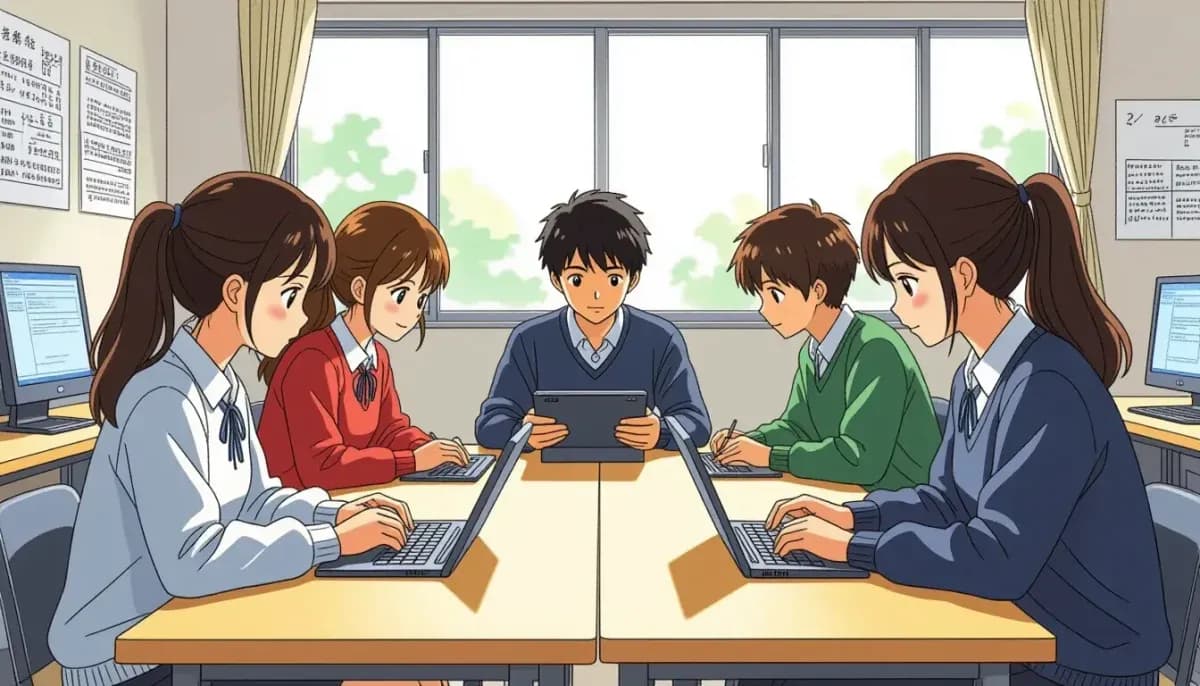
Technology and Computer Education in Junior High Japan
Discover how technology and computer education works in Japanese junior high schools. Learn about Gijutsu Katei, the GIGA School Program, mandatory programming, and what foreign families can expect.
Read more →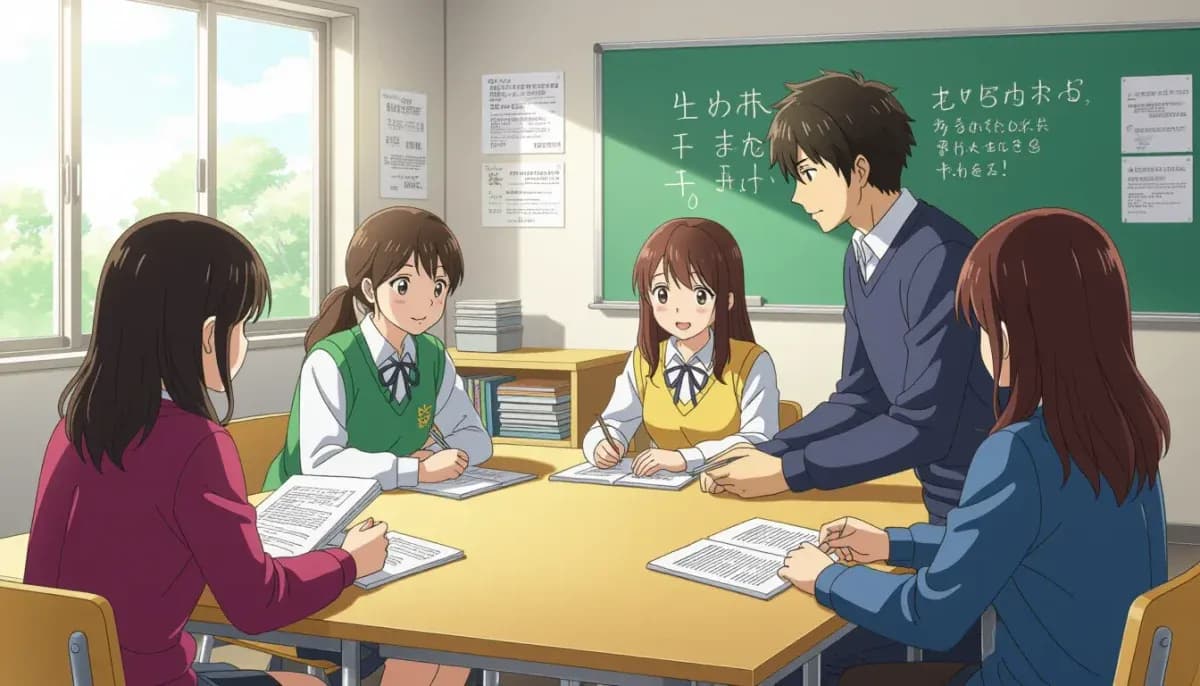
English Education in Japanese Junior High Schools
Comprehensive guide to English education in Japanese junior high schools: curriculum, ALT teachers, proficiency data, tips for foreign families, and entrance exam preparation advice.
Read more →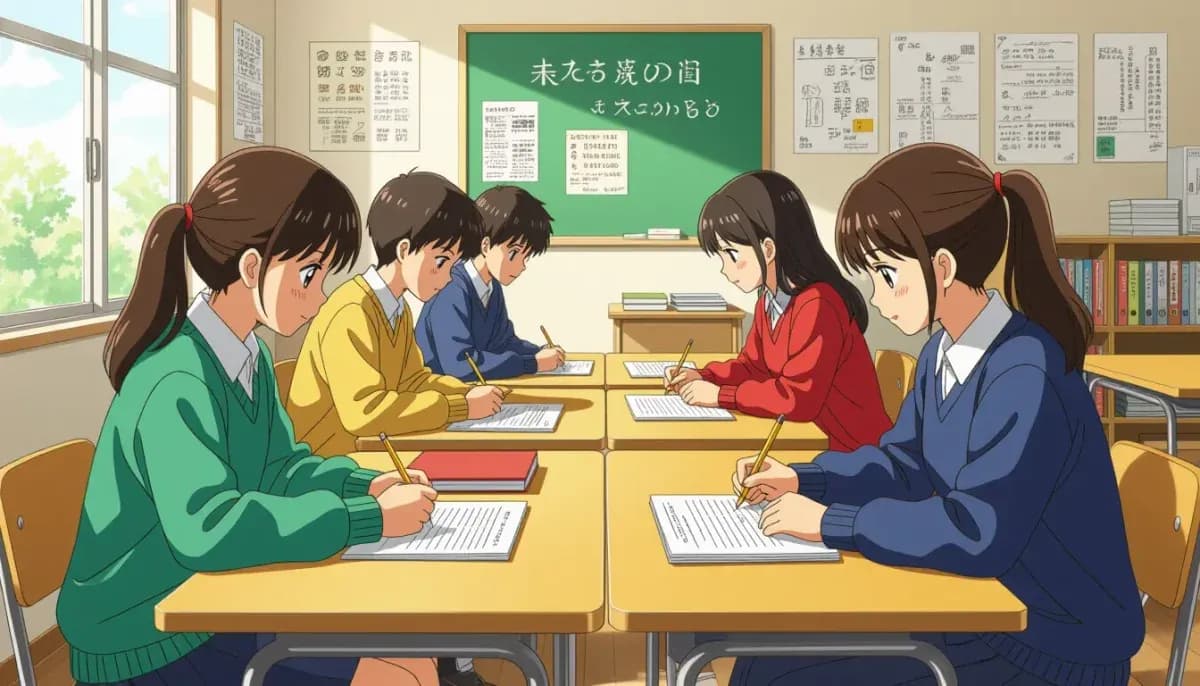
Private Junior High School Entrance Exams in Japan
Everything foreign families need to know about private junior high school entrance exams in Japan: subjects, competition ratios, returnee pathways, costs, and how to prepare.
Read more →