
Daycare Costs in Japan: What Foreign Families Can Expect to Pay

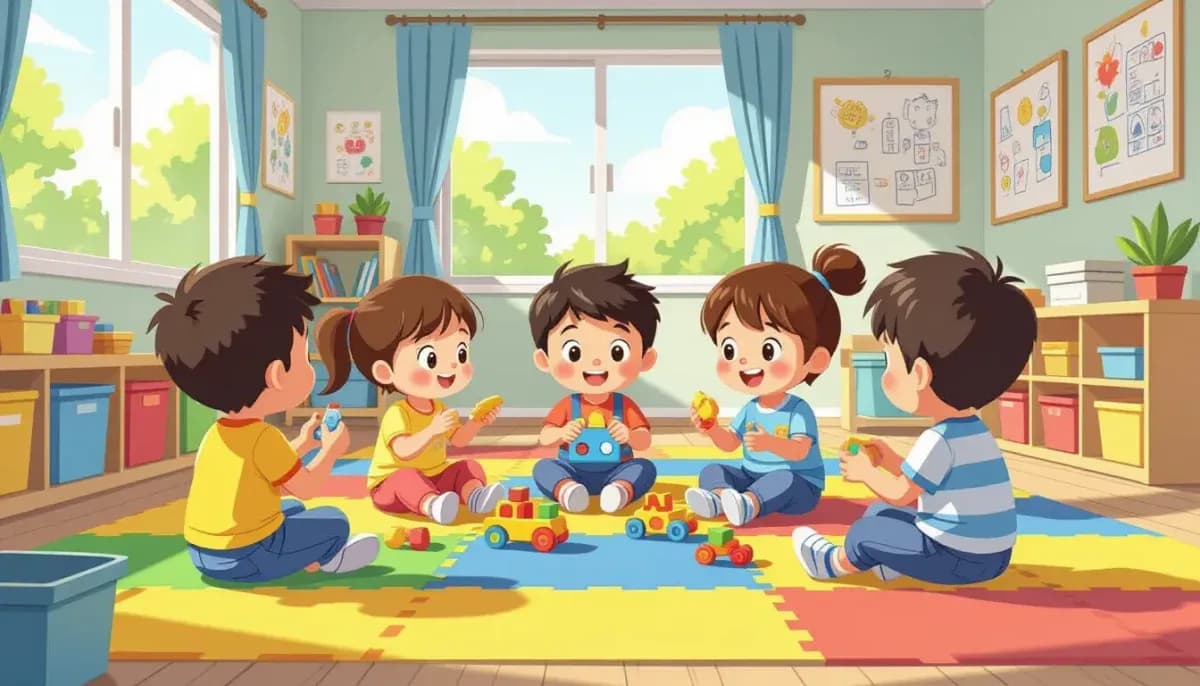
Complete guide to daycare costs in Japan for foreign families. Learn about hoikuen fees, free preschool for ages 3-5, Tokyo subsidies, and how to save on childcare as an expat in Japan.
Daycare Costs in Japan: What Foreign Families Can Expect to Pay
Moving to Japan with young children brings many questions, and one of the biggest is: how much does daycare actually cost? The good news is that Japan has made significant strides in reducing childcare expenses, especially for families with children aged 3 to 5. Whether you are looking at licensed public nurseries (hoikuen), private facilities, or international options, understanding the fee structure will help you plan your family budget with confidence.
This guide breaks down everything foreign families need to know about daycare costs in Japan, from government subsidies to hidden fees, so you can make informed decisions about your child's care.
Types of Daycare Facilities and Their Cost Ranges
Japan offers several types of childcare facilities, each with different pricing structures. The type you choose will significantly impact your monthly expenses.
Licensed Nurseries (Ninka Hoikuen) are government-approved facilities where fees are calculated based on your household income from the previous year. Monthly costs typically range from ¥0 to ¥77,500, though most families pay between ¥10,000 and ¥30,000. These facilities follow national standards for staff ratios, safety, and curriculum.
Unlicensed Nurseries (Ninka-gai Hoikuen) set their own fees independently. Expect to pay between ¥40,000 and ¥80,000 per month. While they do not meet all government standards, many provide excellent care with more flexible hours and enrollment processes.
International Preschools and Nurseries cater to foreign families and offer English-language environments. Monthly fees range from ¥100,000 to ¥200,000 or more, making them the most expensive option. Some families in Tokyo have reported paying up to ¥140,000 per month for international daycare.
For a detailed overview of daycare types and enrollment, see our complete guide to daycare and hoikuen in Japan.
| Facility Type | Monthly Cost Range | Language | Income-Based |
|---|---|---|---|
| Licensed Hoikuen (Ninka) | ¥0–¥77,500 | Japanese | Yes |
| Unlicensed Hoikuen (Ninka-gai) | ¥40,000–¥80,000 | Japanese | No |
| Certified Kodomo-en | ¥0–¥50,000 | Japanese | Partial |
| International Preschool | ¥100,000–¥200,000+ | English/Other | No |
| Small-Scale Nursery | ¥0–¥40,000 | Japanese | Yes |
Free Preschool for Ages 3 to 5: The National Policy
Since October 2019, Japan has made daycare and kindergarten effectively free for all children aged 3 to 5 in authorized facilities. This policy, known as the free early childhood education and care initiative, covers licensed hoikuen, yochien (kindergarten), and certified kodomo-en centers.
This means that regardless of your nationality, if your child is between 3 and 5 years old and enrolled in a recognized facility, you pay no tuition fees. The subsidy applies equally to foreign residents with valid residence status and local registration.
However, the free policy does not cover everything. Meals, uniforms, school supplies, event fees, and transportation costs are still your responsibility. These additional expenses typically add ¥5,000 to ¥15,000 per month on top of the free tuition.
For families considering kindergarten specifically, our guide to yochien in Japan provides detailed information about options and what to expect.
Daycare Costs for Children Under 3
Children aged 0 to 2 represent the most expensive age group for daycare in Japan. At licensed facilities, fees are determined by your municipal resident tax amount, which is based on household income. Higher-income families can expect to pay ¥50,000 to ¥77,500 per month, while lower-income families may pay as little as ¥5,000 or even nothing.
A major development came in September 2025 when the Tokyo Metropolitan Government expanded its free daycare policy to cover all children aged 0 to 5 in licensed facilities, including first-born children. Previously, this benefit only applied to second-born children and beyond. If you live in Tokyo, this policy change could save your family hundreds of thousands of yen annually.
Outside Tokyo, most municipalities still charge income-based fees for the 0–2 age group. Contact your local ward office (区役所) or city hall to learn the exact fee schedule in your area. You can learn more about early parenting costs in our baby and infant care guide.
Government Subsidies and Financial Support
Beyond free preschool, Japan offers several financial support programs that help offset childcare costs for all resident families, including foreigners.
Child Allowance (児童手当): Families receive ¥10,000 to ¥15,000 per month per child, and this benefit has been extended through age 18. There is no nationality requirement — you just need valid residence status and local registration.
Tokyo 0-18 Support: Tokyo residents receive an additional ¥5,000 per month per child under 18, on top of the national child allowance.
Ward-Specific Subsidies: Some Tokyo wards offer generous additional support. Minato Ward, for example, provides up to ¥100,000 per month in subsidies for children in unlicensed or international daycares. Chiyoda Ward had already implemented completely free basic daycare before the 2025 expansion.
Medical Coverage: Children in Japan receive fully subsidized healthcare with no copayments through high school graduation, removing another major expense for families.
To apply for these benefits, visit your ward office's child and family section (子ども家庭課) within 15 days of moving to Japan or your child's birth to receive retroactive payments. For more on navigating legal and administrative matters, see our visa and legal issues guide.
You can also find helpful information about planning education funds for children in Japan and family life as a foreigner.
Hidden Costs and Extra Fees to Budget For
Even with generous subsidies, several additional costs can catch foreign families off guard. Being prepared for these expenses will prevent budget surprises.
Enrollment and Registration Fees: Some private and international facilities charge one-time entrance fees ranging from ¥30,000 to ¥200,000. Licensed public nurseries typically do not charge entrance fees.
Uniform and Supplies: Most facilities require specific uniforms, indoor shoes, bags, and supplies. Budget ¥10,000 to ¥50,000 at the start, with occasional replacements as your child grows.
Lunch and Snack Fees: While some facilities include meals in their fees, others charge separately. Monthly meal fees range from ¥3,000 to ¥8,000.
Extended Care (Enchō Hoiku): If you need care beyond standard hours (typically 7:00 AM to 6:00 PM), extended care fees apply. This usually costs an additional ¥3,000 to ¥10,000 per month.
Event and Activity Fees: Field trips, seasonal events, and special activities may incur extra charges throughout the year, typically totaling ¥10,000 to ¥30,000 annually.
Futon and Bedding: Some nurseries require parents to provide or rent futon sets for nap time, costing ¥3,000 to ¥5,000 initially.
For a broader look at managing family expenses in Japan, visit Chuukou Benkyou for education cost planning resources.
How Fees Are Calculated for Foreign Families
Foreign residents follow the same fee calculation process as Japanese citizens at licensed facilities. Your fees are based on your municipal resident tax (住民税), which is determined by your income from the previous year.
If you have just arrived in Japan and have no prior tax record, your municipality will typically set your fees at the lowest tier for the first year. This can actually work in your favor, as new arrivals often pay reduced rates during their initial period in Japan.
Key documents you will need for the fee assessment include your residence card (在留カード), My Number card or notification, proof of employment or income, and your previous year's tax certificate. The ward office staff can help you through the process, and many offices in major cities have multilingual support available.
For families where both parents work or study, eligibility for licensed daycare is straightforward. Single-parent families also receive priority consideration in the enrollment process. Learn more about the overall Japanese education system and how daycare fits into the broader picture.
Saving Money on Daycare: Practical Tips
Here are proven strategies that foreign families use to reduce their childcare expenses in Japan:
Choose licensed facilities whenever possible, as their income-based fees are almost always lower than private alternatives. The enrollment process is competitive, but the savings are substantial.
Apply early and strategically. The main enrollment period for April entry runs from November to January. Applying during this window gives you the best chance of securing a spot at your preferred facility.
Check your ward's specific subsidies. Benefits vary significantly between municipalities. Some wards offer additional support for unlicensed facility users or families with multiple children.
Consider certified kodomo-en as a middle ground between hoikuen and yochien. These combined facilities offer both educational and care functions with regulated fees.
Use the child allowance wisely. The ¥10,000 to ¥15,000 monthly allowance per child can offset a significant portion of remaining expenses after subsidies.
For additional guidance on raising children in Japan, explore our resources on toddler parenting and healthcare for children.
The Bigger Picture: Why Japan Is Making Childcare Affordable
Japan's push toward affordable childcare is driven by a demographic crisis. The country's total fertility rate dropped to 1.2, prompting the government to commit 3.5 trillion yen (roughly $25 billion) annually to child-rearing support. These policies directly benefit foreign families living in Japan.
The trend is moving toward even more generous support. Tokyo's groundbreaking decision to make all daycare free for children 0 to 5 is expected to influence other prefectures. For foreign families considering Japan as a long-term home, the childcare cost landscape is becoming increasingly favorable.
Whether you are expecting your first child in Japan or relocating with toddlers, understanding these costs and benefits will help you make the most of what Japan's childcare system has to offer. For comprehensive childcare subsidy details, E-Housing's guide to Tokyo childcare subsidies and Real Life Japan's free preschool guide are excellent additional resources.

Originally from Vietnam, living in Japan for 16+ years. Graduated from Nagoya University, with 11 years of professional experience at Japanese and international companies. Sharing practical information for foreign parents raising children in Japan.
View Profile →Related Articles
Extended Hours and Overnight Daycare Services in Japan
Complete guide to extended hours daycare (encho hoiku), overnight childcare (yakan hoiku), baby hotels, and 24-hour babysitter services in Japan for foreign parents with non-standard work schedules.
Read more →
Daycare Meals and Nutrition Standards in Japan
Complete guide to daycare meals and nutrition standards in Japan for foreign parents. Learn about meal structure, shokuiku food education, allergy management, and tips for helping your child adjust to Japanese nursery school food.
Read more →
How to Choose the Best Daycare in Your Area of Japan
A complete guide for foreign parents on choosing the best daycare in Japan. Learn about hoikuen, yochien, the point system, costs, subsidies, and application tips for your area.
Read more →
Home-Based and Family Daycare in Japan Explained
Everything foreign parents need to know about hoiku mama and family daycare in Japan, including costs, how to apply, pros and cons, and tips for finding the right home-based childcare provider.
Read more →
Corporate and Workplace Daycare Options in Japan
Discover corporate daycare and workplace nursery options in Japan including jigyosho nai hoikuen, kigyou shudougata hoiku, costs, eligibility, and tips for foreign families navigating company-sponsored childcare.
Read more →
Free Daycare in Japan: Eligibility and How to Apply
Complete guide to Japan's free daycare policy for foreign families. Learn about eligibility for ages 0-5, the hoikuen application process, points system, required documents, and costs covered under the muenshouka program.
Read more →