
Japanese Baby Food and Weaning Guide for Parents

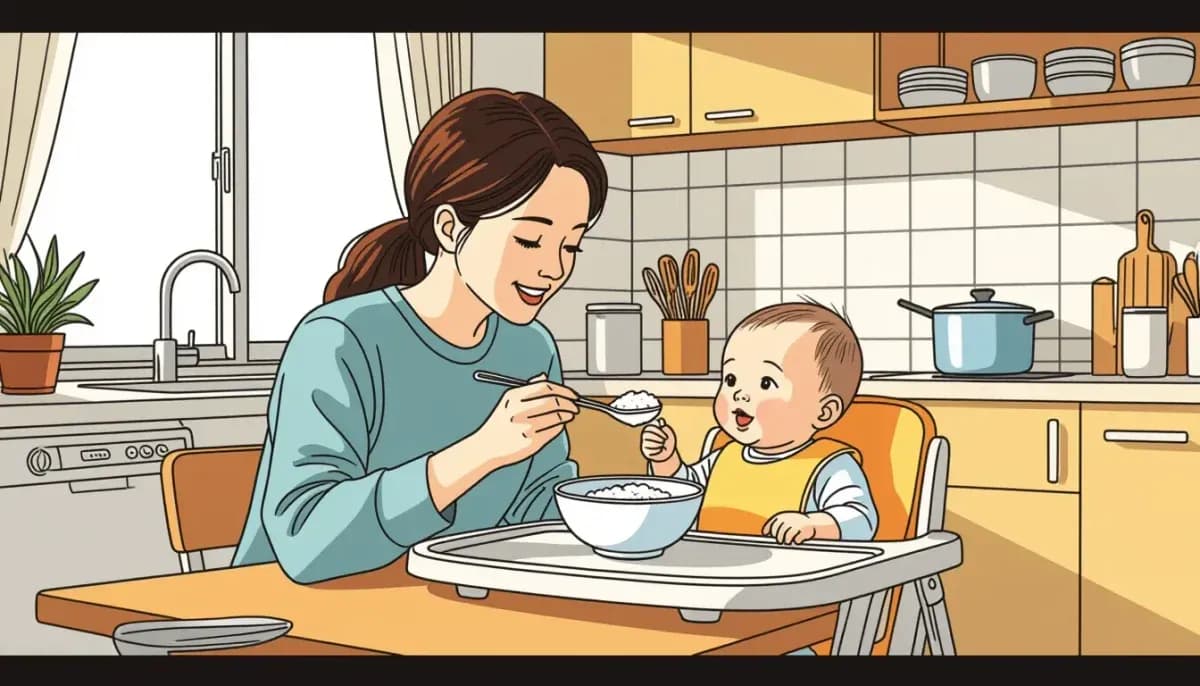
Complete guide to rinyushoku (離乳食) — Japanese baby food and weaning — for foreign parents in Japan. Covers all 4 stages, first foods, okayu, brands, and expat tips.
Japanese Baby Food and Weaning Guide for Parents
Starting solid foods is one of the most exciting — and sometimes overwhelming — milestones in your baby's first year. In Japan, the approach to introducing solids has a unique name, a structured timeline, and its own set of beloved tools and traditional foods. Whether you are a foreign parent newly arrived in Japan or a long-term expat wondering how to navigate rinyushoku (離乳食), this guide walks you through everything you need to know about Japanese baby food and weaning.
From understanding the four official stages to finding the best ready-made products at your local supermarket or pharmacist, you will find practical, real-world guidance here that draws on both Japanese official recommendations and the lived experiences of expat families across the country.
What Is Rinyushoku? Understanding the Japanese Approach to Weaning
In Japan, the introduction of solid foods is called rinyushoku (離乳食), which literally means "weaning food" or "transitional food." The Japanese Ministry of Health, Labour and Welfare publishes official weaning guidelines that most Japanese pediatricians and nutritionists follow closely.
According to these guidelines, most babies begin rinyushoku around 5 months of age — slightly earlier than the World Health Organization's recommendation of 6 months of exclusive breastfeeding. A 2022 study from the Osaka Maternal and Child Health Study found that 43.5% of Japanese infants started solid foods at 5 months, 14.7% started before 5 months, and 41.8% started at 6 months or later.
Unlike Western-style baby-led weaning, the traditional Japanese approach emphasizes:
- Gradual texture progression — from completely smooth purees toward soft family foods
- Single-ingredient introductions — one new food at a time to monitor allergies
- Rice as the universal first food — okayu (rice porridge) is nearly always the starting point
- Minimal seasoning — no salt, sugar, or soy sauce until well into the toddler stage
This methodical, patient approach reflects a broader Japanese philosophy around food: that good eating habits are built slowly, respectfully, and in harmony with a child's developmental readiness.
For foreign parents unfamiliar with this system, the structure can feel unfamiliar at first — but once understood, many expat parents find it reassuring in its clarity and detail.
The Four Stages of Rinyushoku: A Timeline for Parents
Japanese weaning is divided into four distinct developmental stages, each named after the chewing motion babies can manage at that age. Here is a breakdown of what to expect at each phase.
| Stage | Age | Nickname | Texture | Key Foods |
|---|---|---|---|---|
| Stage 1 | 5–6 months | Gulping Stage | Smooth purees | Rice porridge, sweet potato, pumpkin, carrot |
| Stage 2 | 7–8 months | Silky Tofu Stage | Soft, slightly lumpy | Tofu, egg yolk, finely minced fish, somen noodles |
| Stage 3 | 9–11 months | Banana Stage | Soft chunks, finger food | Minced meat, cooked veggie pieces, soft fruit |
| Stage 4 | 12–18 months | Meatball Stage | Near-family textures | Low-salt family meals, small safe pieces |
Stage 1: Gulping Stage (5–6 Months)
Start with just one teaspoon of 10× rice porridge (one part rice to ten parts water) at lunchtime. Offer this once a day for the first week. By the end of week two, you can increase to three teaspoons. Gradually introduce one new vegetable or grain per week: sweet potato, pumpkin, carrot, and broccoli all work well.
Do not add any salt, soy sauce, or other seasoning. Baby's kidneys are not yet ready to process sodium. The natural sweetness of these foods is enough.
Stage 2: Silky Tofu Stage (7–8 Months)
By now, babies can manage soft lumps the texture of silky tofu. You can introduce protein sources: well-cooked egg yolk (not the white yet), silken tofu, white-fleshed fish (tai, hirame), and plain yogurt. Somen noodles, udon, and soft cooked udon pieces are popular Japanese choices here.
Increase meals to twice a day and begin offering a small amount of water or mugicha (barley tea) with meals.
Stage 3: Banana Stage (9–11 Months)
Now you can move to textures the baby can mash with their gums — think ripe banana. Small pieces of soft cooked vegetable, minced chicken or fish, and small pieces of soft natto (fermented soybeans, a traditional Japanese superfood) all become fair game. Move to three meals a day and start encouraging self-feeding.
Stage 4: Meatball Stage (12–18 Months)
The goal is a gradual transition to lightly seasoned family meals. The baby should now be eating mostly what the family eats, just cut smaller and with far less salt. Prioritize variety, color, and texture over elaborate preparation.
First Foods: Starting with Okayu and Japanese Staples
The universal first food in Japan is okayu — Japanese rice porridge. Rice holds a deeply important cultural and nutritional status in Japan. It is easily digestible, low in allergens, naturally sweet, and extraordinarily versatile.
How to Make 10× Rice Porridge
The standard "10× porridge" (ju bai kayu) is made by cooking one tablespoon of uncooked rice with 10 tablespoons of water. A practical Japanese parent trick: place the rice and water in a small heat-resistant cup inside the adult rice cooker, then cook as normal. The result is a smooth, thick porridge that you simply mash or strain until completely smooth.
Freeze extra portions in a Richell silicon tray (15ml per cube) — these are the most popular baby food storage containers in Japan, available at BabiesRUs, Akachan Honpo, and Amazon Japan. They stack neatly in the freezer and pop out easily.
Safe First-Stage Foods
- Grains: Rice, udon (very soft), somen
- Vegetables: Pumpkin (kabocha), sweet potato (satsumaimo), carrot, broccoli, spinach (no stems)
- Fruits: Apple (steamed or grated), banana, pear
- Legumes: Silken tofu (kinugoshi tofu)
Foods to Avoid in the First Year
- Honey — absolute prohibition under 12 months due to risk of infant botulism
- Salt and soy sauce — delay as long as possible; use only tiny amounts after 12 months
- Whole nuts, round grapes, cherry tomatoes — choking hazards
- Raw egg white — wait until at least 12 months
- Caffeine — including green tea
- Processed foods with high sodium
Japanese Baby Food Products: What to Buy at the Store
Japan has a robust and well-regulated baby food industry. If you are short on time or just starting out, store-bought baby food is a practical and trusted option. Most products undergo strict quality testing and are available at every pharmacy (yakkyoku), baby goods store (Akachan Honpo, BabiesRus), and large supermarket.
The four most widely recommended commercial baby food brands among Japanese parents are:
Wakado (和光堂) — One of the oldest and most trusted brands. Known for their freeze-dried rinyushoku packs that dissolve quickly in hot water. Available in all four stages.
Kewpie (キューピー) — Famous for mayonnaise but also produces an excellent baby food line. Their pouches and jars cover vegetables, grains, and mixed meals. Many products are allergen-free.
Beanstalk (ビーンスターク) — Sold primarily through pharmacies, these products are developed in collaboration with nutritionists and pediatricians. Their vegetable cubes are particularly popular.
Meiji (明治) — Better known for dairy products, Meiji also produces a well-regarded baby food line including rice porridge, vegetable pastes, and stage-appropriate snacks.
Useful Store-Bought Products for Expat Parents
- "The Kindest" (いちばんやさしい) — Organic rice cereal and vegetable paste in shelf-stable packets
- Matsuya Rice Porridge — Plain or flavored with salmon or cod; just add hot water
- Frozen pureed vegetable cubes — No additives, easy to combine with okayu
- Baby Potage Veggie Flakes — Dissolve in warm water; great for travel
For English-speaking parents, the packaging can be intimidating at first. Look for labels that say 5ヶ月 (5 months), 7ヶ月 (7 months), 9ヶ月 (9 months), or 12ヶ月 (12 months) to identify the correct developmental stage.
For a deeper look at how Japanese baby care is structured for foreign parents, including healthcare and doctor visits, see our guide to Baby and Infant Care in Japan.
Essential Baby Feeding Tools in Japan
Japanese parents are known for their attention to detail when it comes to baby feeding gear. These are the items most recommended by local parents and expat communities:
| Item | Brand | Why It's Popular |
|---|---|---|
| Silicon freezer tray | Richell (15ml) | Perfect portion size, lid included, reusable |
| Temperature-sensing spoon | Richell | Changes color if food is too hot |
| Curved self-feeding spoon | Nonoji | Easy for babies to grip and guide to mouth |
| Stacking storage cups | Skater (15ml) | Has measurement lines at 5ml and 10ml |
| Soft bib with pocket | BabyBjorn / Puppapupo | Catches food, easy to clean, waterproof |
| Baby food mill/masher | Manual or electric | Electric saves time for busy parents |
You can find all of these at Akachan Honpo (most cities), BabiesRus, or on Amazon Japan. Expat groups on Facebook (such as "Gaijin Parents in Japan") often have recommended seller lists and second-hand gear exchanges.
Baby-Led Weaning in Japan: A Growing but Niche Approach
Baby-led weaning (BLW) — where babies self-feed soft finger foods from the start rather than being spoon-fed purees — is a well-established practice in the UK, US, and Australia. In Japan, it is far less common.
The pioneering BLW book by Gill Rapley was not translated into Japanese until 2019, meaning awareness of the approach is still quite recent and limited. Most Japanese pediatricians are not familiar with BLW and may express concern or even discouragement if you mention it.
That said, BLW is not prohibited, and foreign parents who prefer this method can practice it. A few points to keep in mind:
- Start with very soft finger foods: steamed broccoli florets, banana pieces, soft tofu slabs
- Japanese pediatricians will expect you to explain your approach; come prepared with information
- Commercial Japanese baby foods are all puree-based; you may need to prepare meals from scratch
- Japanese baby feeding communities online (including English-language groups) have BLW support
For broader strategies on helping your child navigate Japanese culture while maintaining your own, see our article on Cultural Identity for Hafu and Mixed-Race Children.
Breastfeeding and Formula in Japan
Understanding Japan's feeding culture also means understanding its breastfeeding context. According to the same Osaka Maternal and Child Health Study referenced above, among 8,028 children surveyed:
- 21.7% were exclusively breastfed
- 20.0% were exclusively formula-fed
- 58.3% received mixed feeding (both breast milk and formula)
Only 37.4% of Japanese mothers exclusively breastfed until 6 months. Mixed feeding is by far the most common approach in Japan, which means Japanese formula is widely available, well-regulated, and trusted.
For expat parents concerned about finding formula, Japan's major brands (Morinaga, Meiji, Wakodo, Beanstalk) are all available nationwide. EU or US formula brands are not sold in Japan but can be ordered online; import regulations permit personal quantities.
Mugicha (barley tea) is commonly given to babies from around 5–6 months as a water substitute, particularly during Japan's hot, humid summers. It is caffeine-free, mild in flavor, and widely available in pre-made bottles designed specifically for babies.
Navigating Allergies and Introducing the Big Eight
Japan's official allergy guidelines require careful, staged introduction of the eight major allergens: egg, milk, wheat, buckwheat (soba), peanuts, shrimp, crab, and tree nuts. Sesame was recently added to the mandatory labeling list as well.
Best practices for allergen introduction:
- Introduce one new allergen at a time
- Try in the morning or early afternoon so you can monitor reactions during daycare hours
- Start with a tiny amount (tip of a spoon)
- Wait 3–5 days before introducing another new allergen
- Keep an antihistamine on hand and know your nearest pediatric clinic
Japanese pediatricians (小児科 — shōnika) are experienced with food allergies and can conduct skin prick tests or blood tests if you suspect a reaction. See our full guide on Healthcare and Medical Care for Children in Japan for information on finding English-speaking pediatricians.
Practical Resources and Community Support
Navigating rinyushoku as a foreigner can feel isolating, especially when all the books, apps, and TV programs are in Japanese. Here are some practical resources that have helped many expat parents:
- Savvy Tokyo's weaning guide covers the full Japanese weaning process in English and is regularly updated: Savvy Tokyo – Weaning Your Baby in Japan
- Just One Cookbook's baby food guide covers all four rinyushoku stages with English recipes: Just One Cookbook – Baby Food in Japan
- Japan Living Guide offers a homemade baby food guide for expats: Japan Living Guide – Baby Food
- Travel x Girl's weaning essentials covers practical gear and what to buy: Travel x Girl – Baby Weaning Essentials in Japan
- Living in Nihon has broader resources for foreigners raising families in Japan: Living in Nihon
- For Work in Japan covers family and childcare topics for expat workers: For Work in Japan
- Chuukou Benkyou is a valuable resource for parents with older children navigating Japanese school education: Chuukou Benkyou
For the broader context of raising children in Japan as a foreign family, our pillar guide on Baby and Infant Care in Japan and our overview of Pregnancy and Giving Birth in Japan are excellent next reads.
Summary: What to Remember About Japanese Baby Food and Weaning
Starting solids in Japan follows a well-defined, methodical system. Here is a quick recap of the key points:
- Weaning is called rinyushoku (離乳食) and typically begins around 5 months
- The first food is okayu — smooth rice porridge at a 1:10 ratio
- There are four official stages, from smooth purees to near-family textures
- Never give honey to babies under 12 months (risk of botulism)
- Japan has excellent ready-made baby food brands: Wakado, Kewpie, Beanstalk, and Meiji
- Richell silicon freezer trays are the gold standard for storing home-made portions
- Baby-led weaning is possible but uncommon; most Japanese pediatricians follow the puree approach
- Mixed feeding (breast and formula) is the Japanese norm; high-quality formula is widely available
- Introduce allergens one at a time and monitor for reactions
- English-language communities and online resources make it easier to navigate this alone
The Japanese approach to baby food is one of the most structured and nutritionally thoughtful in the world. For expat parents willing to learn its rhythms, it offers a clear roadmap that takes the guesswork out of a genuinely complex developmental milestone.

Originally from Vietnam, living in Japan for 16+ years. Graduated from Nagoya University, with 11 years of professional experience at Japanese and international companies. Sharing practical information for foreign parents raising children in Japan.
View Profile →Related Articles
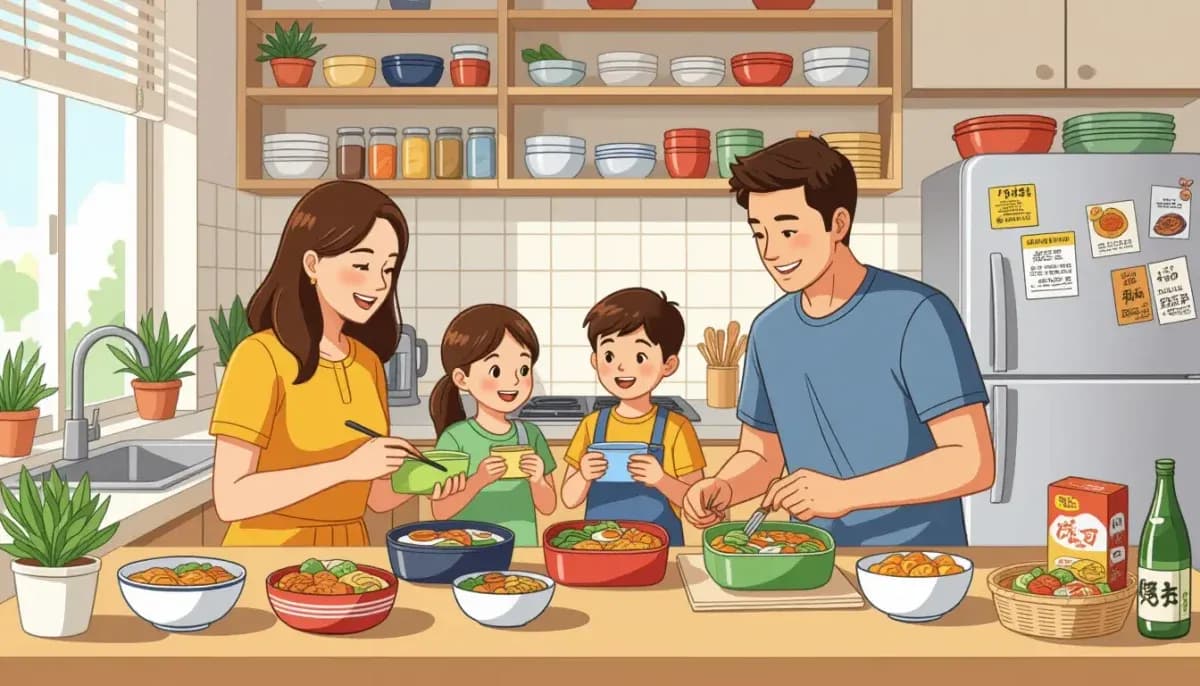
Meal Prep Tips for Busy Expat Families in Japan
Discover practical meal prep strategies for expat families in Japan. Learn tsukurioki techniques, bento box tips, Japanese grocery shopping, food storage, and weekly prep schedules to simplify weeknight cooking.
Read more →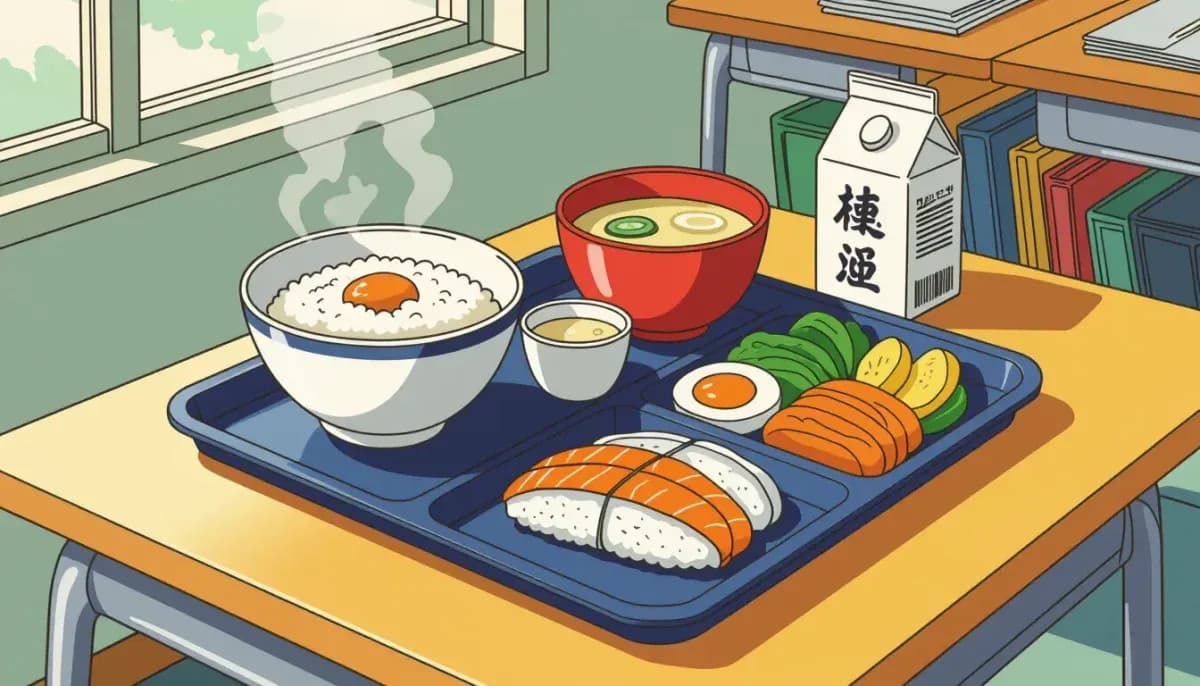
Nutrition Standards and Guidelines in Japanese Schools
Learn about Japan's school lunch (kyushoku) nutrition standards, what your child eats daily, allergy accommodations, costs, and the shokuiku food education system — a complete guide for foreign families.
Read more →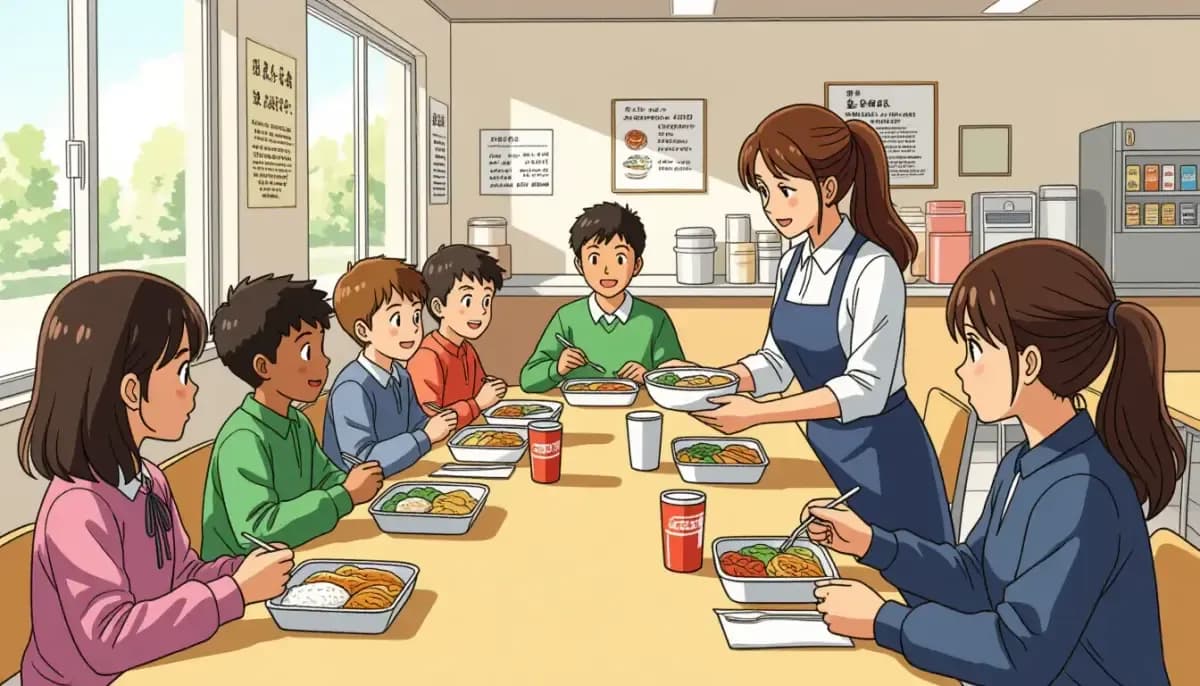
Halal, Kosher, and Vegetarian Options in Japanese Schools
Complete guide to halal, kosher, vegetarian, and vegan options in Japanese schools. Learn how to navigate Japan's kyushoku system, negotiate dietary accommodations, and find Islamic schools — practical advice for foreign parents in Japan.
Read more →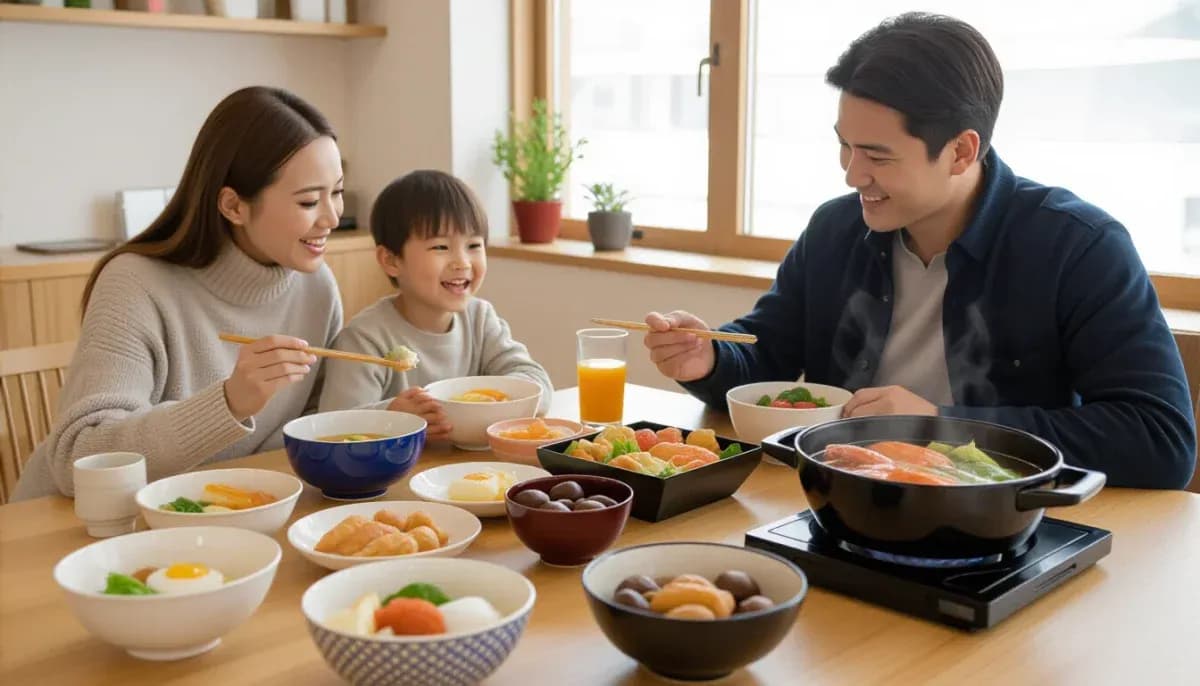
Seasonal Japanese Foods for Family Meals
Discover Japan's seasonal foods (shun) for every family meal across spring, summer, autumn, and winter. Practical tips for foreign families shopping and cooking seasonally in Japan.
Read more →
Cooking Japanese Food with Your Children: Fun Recipes
Discover fun Japanese recipes to cook with your children, from onigiri to gyoza and mochi. Learn about shokuiku, bento boxes, and tips to make cooking a family tradition in Japan.
Read more →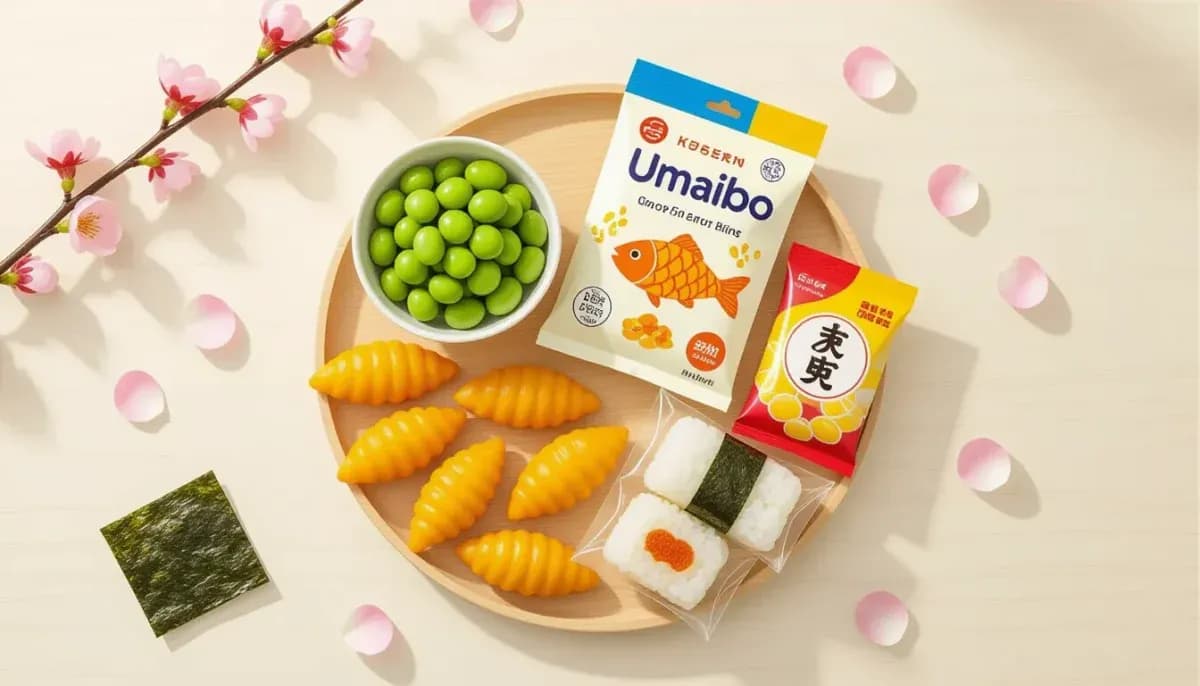
Japanese Snacks and Sweets for Children: What's Safe and Healthy
A complete guide to Japanese snacks and sweets for children. Discover what's safe, healthy, and age-appropriate — from oyatsu culture to konbini picks and traditional wagashi — for expat families in Japan.
Read more →