
Managing Food Allergies in Japanese Schools

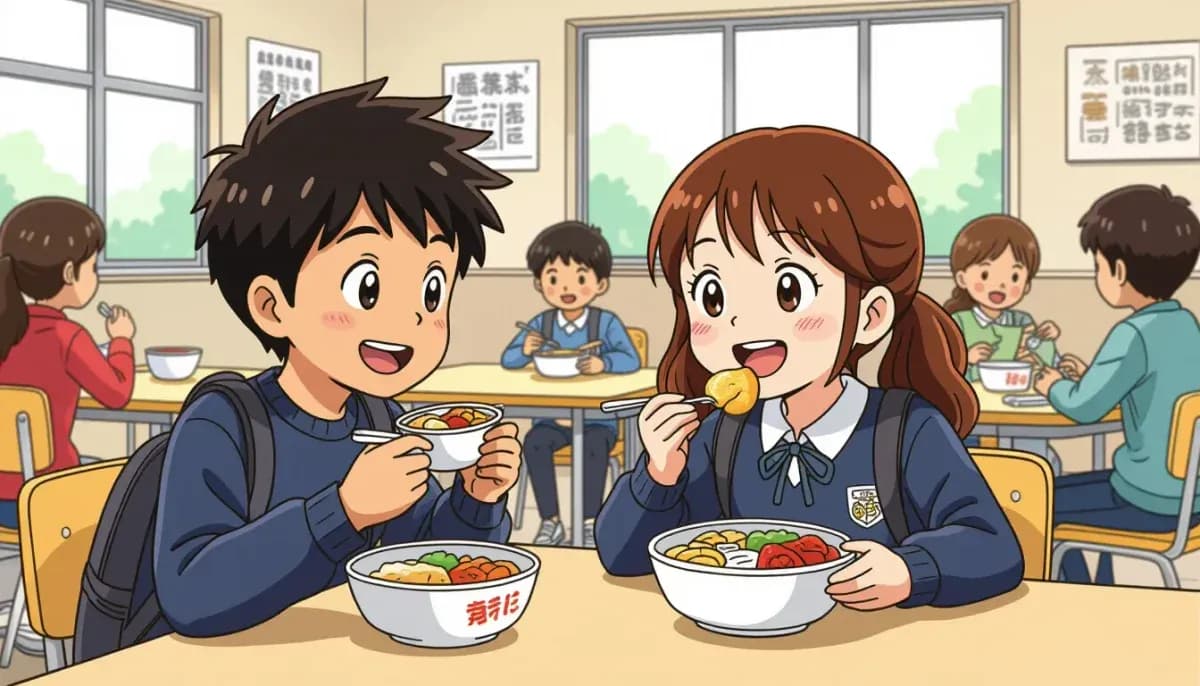
Everything foreign parents need to know about managing food allergies in Japanese schools — from registering allergies and navigating kyushoku to EpiPen policies and communication tips.
Managing Food Allergies in Japanese Schools: A Complete Guide for Foreign Parents
Navigating food allergies in any new country is stressful, but in Japan, the challenge is amplified by language barriers, a tightly structured school lunch system, and cultural norms that can make direct communication about dietary needs feel uncomfortable. If you are a foreign parent raising a child with food allergies in Japan, this guide will walk you through everything you need to know — from enrolling your child and registering their allergies to communicating with teachers, understanding the kyushoku lunch system, and keeping your child safe every day.
Japan's school food allergy protocols have improved significantly in recent years. According to a prefecture-wide survey published in BMC Pediatrics, 6.8% of students in Japanese schools had declared food allergies, with 0.7% having a history of anaphylaxis. Schools are responding: 96.8% conduct allergy response training and 92.1% provide practical training on epinephrine auto-injector use. However, challenges remain — particularly for foreign families who must navigate a system built almost entirely in Japanese.
Understanding the Japanese School Lunch System (Kyushoku)
One of the first things foreign parents encounter in Japan is the school lunch program, known as kyushoku (給食). This centrally prepared meal is served to all students at most public elementary and junior high schools. Unlike many Western countries where children bring packed lunches, the vast majority of Japanese public school students eat the same school-provided meal every day.
For children with food allergies, kyushoku presents both risks and opportunities. On the positive side, schools are required to maintain detailed ingredient lists for every meal, and parents of registered allergy students typically receive monthly menus in advance. On the challenging side, all documentation is almost always in Japanese only, and the system relies heavily on direct communication between parents and the school nurse (養護教諭, yougo kyouin).
How schools accommodate food allergies varies by prefecture and municipality:
- Full allergen-excluded meal: Some schools, particularly in larger cities like Tokyo, prepare a separate allergen-free version of the school lunch at a central kitchen. These meals are sealed and labeled individually.
- Substitution meals: The school removes the offending dish and replaces it with a safe alternative.
- Bento from home: In some cases, especially for complex allergy profiles, the school may ask parents to send a bento box from home on certain days.
- Partial bento: The child eats most of the school lunch but brings one or two items from home for the dishes they cannot eat.
A 2024 study of over 45,000 children with food allergies in Japanese nursery schools found that 98.5% of facilities provided customized lunch boxes that excluded allergen foods. This shows a strong commitment to accommodation, but it also means parents need to stay closely involved in the process.
For more on navigating the elementary school system in Japan, see our Complete Guide to Elementary School in Japan for Foreign Parents.
How to Register Your Child's Food Allergies at School
Registering your child's food allergies is one of the most important steps you will take, and ideally it happens before or at the time of enrollment. Here is how the process typically works:
Step 1: Obtain an official diagnosis from a Japanese doctor Most Japanese schools require a formal medical diagnosis certificate (診断書, shindan-sho) from a doctor, not just a parental declaration. This means you need to visit an allergist or pediatrician in Japan and have the allergy confirmed through testing. Schools generally will not implement special accommodations without this documentation.
Step 2: Submit the allergy declaration form At enrollment, the school will give you an アレルギー調査票 (arerugii chousa-hyou), an allergy survey form. This form asks about specific allergens, the severity of reactions, whether the child carries an epinephrine auto-injector (EpiPen/エピペン), and the child's history of anaphylaxis. Fill this out completely with the help of the diagnosis certificate from your doctor.
Step 3: Meet with the school nurse and homeroom teacher After submitting the form, request a meeting with the school nurse (yougo kyouin) and your child's homeroom teacher (担任, tanin). This meeting is your opportunity to explain your child's specific needs in detail, confirm how the school will handle kyushoku, and discuss emergency protocols.
Step 4: Provide an emergency contact card For children with severe allergies, prepare an アレルギー緊急連絡カード (allergy emergency contact card) that the school can access quickly if a reaction occurs. This card should include: allergens, symptoms to watch for, medications the child carries, emergency contact numbers, and the child's doctor's contact. Having this card in both Japanese and English is strongly recommended.
Step 5: Review the monthly menu Most schools distribute the next month's kyushoku menu a few weeks in advance. Review it carefully with the allergy information provided and flag any problematic days. Some schools will proactively highlight allergy concerns for registered students, but it is good practice to double-check yourself.
See our guide to Healthcare and Medical Care for Children in Japan for more on finding pediatric specialists and navigating the medical system as a foreign parent.
Japanese Allergy Labeling Laws: What You Need to Know
Japan has a mandatory food allergen labeling system regulated by the Consumer Affairs Agency. Understanding this system helps you read school menus and ingredient lists more effectively.
Japan's Mandatory and Recommended Allergens
| Category | Allergens | Notes |
|---|---|---|
| Mandatory (特定原材料, 8 items) | Eggs (卵), Milk (乳), Wheat (小麦), Buckwheat (そば), Peanut (落花生), Shrimp (えび), Crab (かに), Walnut (くるみ) | Must be labeled on all pre-packaged foods |
| Recommended (特定原材料に準ずるもの, 20 items) | Soy, Sesame, Almond, Cashew, Salmon, Mackerel, Abalone, Squid, Apple, Banana, Peach, Yam, Matsutake mushroom, Beef, Pork, Chicken, Gelatin, Orange, Kiwi | Labeling strongly encouraged but not legally required |
Important caveats for foreign parents:
- All allergen labeling is in Japanese only; English labeling is rare even in international supermarkets
- Small packages (very small candies, etc.) may be exempt from labeling requirements
- Hidden allergens are a risk: if a component is considered "common knowledge" (for example, mayonnaise containing eggs), it may not be separately called out on the label
- Even familiar products differ in Japan: ingredients in Japanese versions of international food brands can differ from their home-country counterparts
For a deeper dive into allergen labeling in Japan, see the comprehensive guide on Living in Nihon's food allergy labeling guide, which covers how to read Japanese labels and navigate grocery shopping with allergies.
Communication Tips for Foreign Parents
The single biggest challenge for foreign parents managing their child's food allergies in Japanese schools is communication. Unlike in Western countries where food allergy awareness is high and staff are often trained to proactively accommodate, in Japan parents need to take a more assertive role in educating staff and setting up systems.
Key Japanese vocabulary for food allergy discussions:
| Japanese | Romaji | Meaning |
|---|---|---|
| 食物アレルギー | shokubutsu arerugi | food allergy |
| アレルゲン | arerugeen | allergen |
| アナフィラキシー | anafiraxii | anaphylaxis |
| エピペン | EpiPen | epinephrine auto-injector |
| アレルギー調査票 | arerugii chousa-hyou | allergy survey form |
| 養護教諭 | yougo kyouin | school nurse |
| 担任 | tanin | homeroom teacher |
| 給食 | kyuushoku | school lunch |
| 除去食 | jokyo-shoku | allergen-excluded meal |
| 診断書 | shindan-sho | medical diagnosis certificate |
Practical communication strategies:
- Use written communication whenever possible. Verbal conversations are easily misunderstood, especially across a language barrier. Send written requests and confirmations by note or email so there is a record.
- Prepare a bilingual allergy information sheet. Create a one-page document in both Japanese and English describing your child's specific allergens, reaction severity, and emergency steps. Tools like foodallergycard.com offer printable bilingual allergy cards.
- Build a relationship with the school nurse. The yougo kyouin is your most important ally. Visit during office hours regularly and keep them updated on any changes to your child's allergy status or medications.
- Monthly menu review. Download or print the monthly kyushoku menu and go through it line by line, translating as needed. Flag specific days and contact the teacher in advance for problematic meals.
- Notify for special events. School events like cooking classes, cultural festivals, and sports day often involve food. Make sure you are proactively notified and that arrangements are in place.
For resources on raising children with special needs at Japanese schools, For Work in Japan provides useful guidance for foreign residents navigating institutional systems in Japan.
EpiPen Administration at Japanese Schools: What Parents Must Know
One of the most critical issues for parents of children with severe allergies is whether the school will administer an epinephrine auto-injector (EpiPen) during an emergency. Japanese law and school policy on this topic have evolved in recent years.
The legal position: Under Japanese law, administering medications — including EpiPens — is technically a medical act restricted to licensed healthcare professionals. However, in 2008, the Ministry of Health issued a clarification that teachers and school staff may administer an EpiPen in a life-threatening emergency, provided the child has a prescription, parents have provided consent, and the child cannot self-administer. This guidance was updated following a tragic 2012 incident in which a child died from anaphylaxis during school lunch.
What parents need to do:
- Ensure your child has a valid EpiPen prescription from a Japanese doctor
- Submit written consent for school staff to administer the EpiPen if the child cannot do so themselves
- Confirm with the school principal (校長, kouchou) that staff have been trained on EpiPen use — 92.1% of schools now conduct this training, per recent surveys
- Practice with teachers: ask them to do a walkthrough of the emergency plan at least once a year
- For children old enough, work with the school to help them understand when and how to self-administer
If you are bringing an EpiPen from abroad: Bringing prescription medications including epinephrine auto-injectors into Japan from overseas requires a Yunyu Kakunin-sho (輸入確認書), an import confirmation certificate issued by the Japanese government. Without this document, your medication may be confiscated at customs. Apply before you travel through the nearest Japanese embassy or consulate.
For more information on medication and health documentation for foreign families in Japan, visit The Tokyo Chapter's guide to living in Japan with severe food allergies.
Statistics: Food Allergies in Japanese Schools
Understanding the scale of the issue can help foreign parents advocate more effectively within the school system. Here is a summary of the latest data:
| Metric | Figure | Source |
|---|---|---|
| Students with declared food allergies | 6.8% | BMC Pediatrics prefecture-wide survey |
| Students with anaphylaxis history | 0.7% | BMC Pediatrics survey |
| Preschool prevalence (2019) | 5.7% | Yoshisue et al., 2024 |
| Increase in under-6 prevalence (2010–2019) | +1.7× | Yoshisue et al., 2024 |
| Schools conducting allergy training | 96.8% | BMC Pediatrics survey |
| Schools with EpiPen practical training | 92.1% | BMC Pediatrics survey |
| Annual accidental ingestion rate (nursery) | 7.6% of allergy children | PMC nursery school study |
| Schools with a designated allergy manager | 65.6% | PMC nursery school study |
| Egg as top allergen in school incidents | 74.8% | PMC nursery school study |
| Schools providing allergen-excluded lunches | 98.5% | PMC nursery school study |
These numbers tell an encouraging story overall: the vast majority of Japanese schools have implemented allergy training and accommodation systems. However, the 65.6% figure for schools having a designated allergy accountability staff member is a gap worth noting — ask your school directly whether a specific person is responsible for allergy management.
For a full statistical overview, see the published research at PMC (PubMed Central) on accidental ingestion in Japanese nursery schools.
Practical Tips for Day-to-Day Allergy Management at School
Beyond registration and emergency planning, day-to-day management is where most of the real work happens. Here are practical strategies for keeping your child safe:
Before the school year starts:
- Attend the school's parent orientation (保護者会, hogoshakai) and introduce yourself to the homeroom teacher and school nurse
- Submit all allergy documentation well before the school year begins — schools in Japan typically request health paperwork in March for the April school year start
- Visit the school kitchen if possible to understand how meals are prepared and to identify cross-contamination risks
During the school year:
- Keep an updated list of all school staff who should know about your child's allergies
- Send a fresh allergy summary at the start of each new school year, even if your child's allergies have not changed
- For school trips (修学旅行, shuugaku ryokou) and excursions, contact the organizer well in advance with specific accommodation requests in writing
- If your child's class has cooking activities (家庭科, kateika), request advance notice of ingredients
At lunch time:
- If your child receives an allergen-excluded meal, the school should have a system to ensure the correct meal reaches the correct child — confirm this process with the teacher
- For children old enough, teach them the names of their allergens in Japanese so they can ask questions themselves
- Make sure your child knows not to share or trade food with classmates
Resources for further help:
- Savvy Tokyo's guide to food allergies in Japan covers allergen labeling, common hidden allergens, and grocery shopping tips in English
- The Chuukou Benkyou resource site covers school-life topics for families raising children in Japan
Special Considerations for Foreign Children
Foreign children in Japanese schools face some unique challenges that Japanese families do not:
Language barrier at lunch: Even if your child has been in Japan for a few years and speaks some Japanese, the technical vocabulary around ingredients and allergens may be beyond their level. Make sure teachers understand the child cannot reliably self-screen for allergens in Japanese.
Cultural differences in allergy awareness: Japan's food culture tends to emphasize communal eating and not standing out. Some children may feel embarrassed about having special meals. Work with teachers to handle the child's allergy accommodations discreetly and sensitively. Our guide to Mental Health and Emotional Wellbeing for Foreign Children in Japan offers useful perspective on helping children navigate social differences.
International school option: If the language and cultural barriers feel overwhelming, international schools in Japan typically offer more flexible catering options and English-language communication. See our Guide to International Schools in Japan for details on costs, enrollment, and options across major cities.
Allergens that differ by country: Some allergens that are common in your home country may not be on Japan's mandatory labeling list. For example, sesame (ゴマ, goma) is only on the recommended list, not the mandatory list, meaning it may not always appear on labels. Be extra vigilant about allergens your child has that are not among Japan's 8 mandatory allergens.
Conclusion
Managing food allergies in Japanese schools requires preparation, communication, and persistence — especially for foreign parents working across a language barrier. The good news is that Japan's public school system has made substantial improvements in allergy accommodation over the past decade, with most schools offering allergen-excluded lunches, trained staff, and formal management systems.
Your most powerful tools are: a formal Japanese diagnosis certificate, a thorough allergy declaration form submitted at enrollment, a strong relationship with the school nurse, and clear written communication about your child's needs. Stay proactive, review menus monthly, and do not hesitate to ask questions — the wellbeing of your child is the most important priority.
For more on supporting your child through the Japanese education system, explore our Complete Guide to the Japanese Education System for Foreign Families and our guide to Daycare and Hoikuen in Japan for Foreign Parents.

Originally from Vietnam, living in Japan for 16+ years. Graduated from Nagoya University, with 11 years of professional experience at Japanese and international companies. Sharing practical information for foreign parents raising children in Japan.
View Profile →Related Articles
Meal Prep Tips for Busy Expat Families in Japan
Discover practical meal prep strategies for expat families in Japan. Learn tsukurioki techniques, bento box tips, Japanese grocery shopping, food storage, and weekly prep schedules to simplify weeknight cooking.
Read more →
Nutrition Standards and Guidelines in Japanese Schools
Learn about Japan's school lunch (kyushoku) nutrition standards, what your child eats daily, allergy accommodations, costs, and the shokuiku food education system — a complete guide for foreign families.
Read more →
Halal, Kosher, and Vegetarian Options in Japanese Schools
Complete guide to halal, kosher, vegetarian, and vegan options in Japanese schools. Learn how to navigate Japan's kyushoku system, negotiate dietary accommodations, and find Islamic schools — practical advice for foreign parents in Japan.
Read more →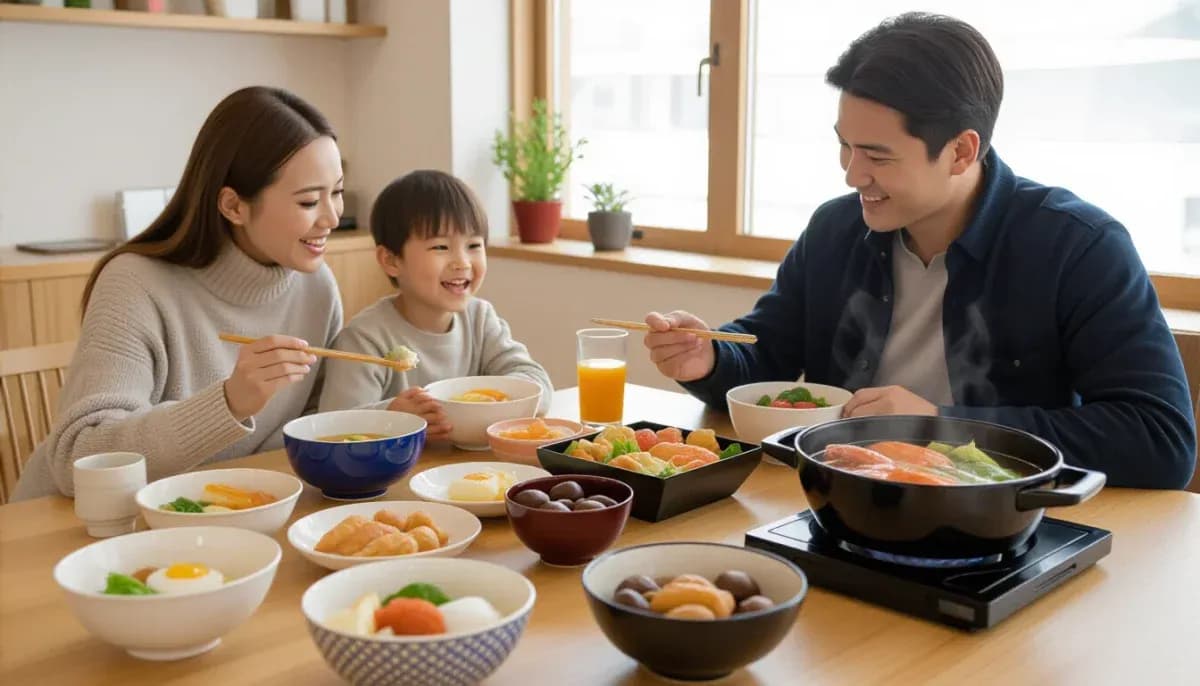
Seasonal Japanese Foods for Family Meals
Discover Japan's seasonal foods (shun) for every family meal across spring, summer, autumn, and winter. Practical tips for foreign families shopping and cooking seasonally in Japan.
Read more →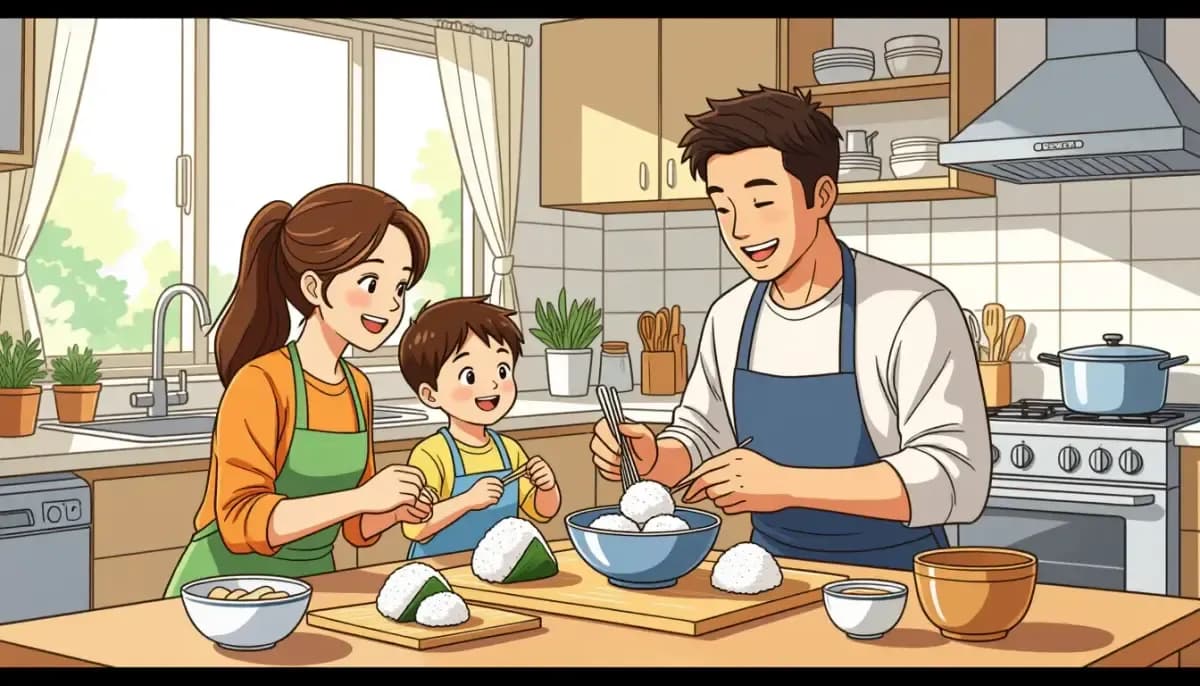
Cooking Japanese Food with Your Children: Fun Recipes
Discover fun Japanese recipes to cook with your children, from onigiri to gyoza and mochi. Learn about shokuiku, bento boxes, and tips to make cooking a family tradition in Japan.
Read more →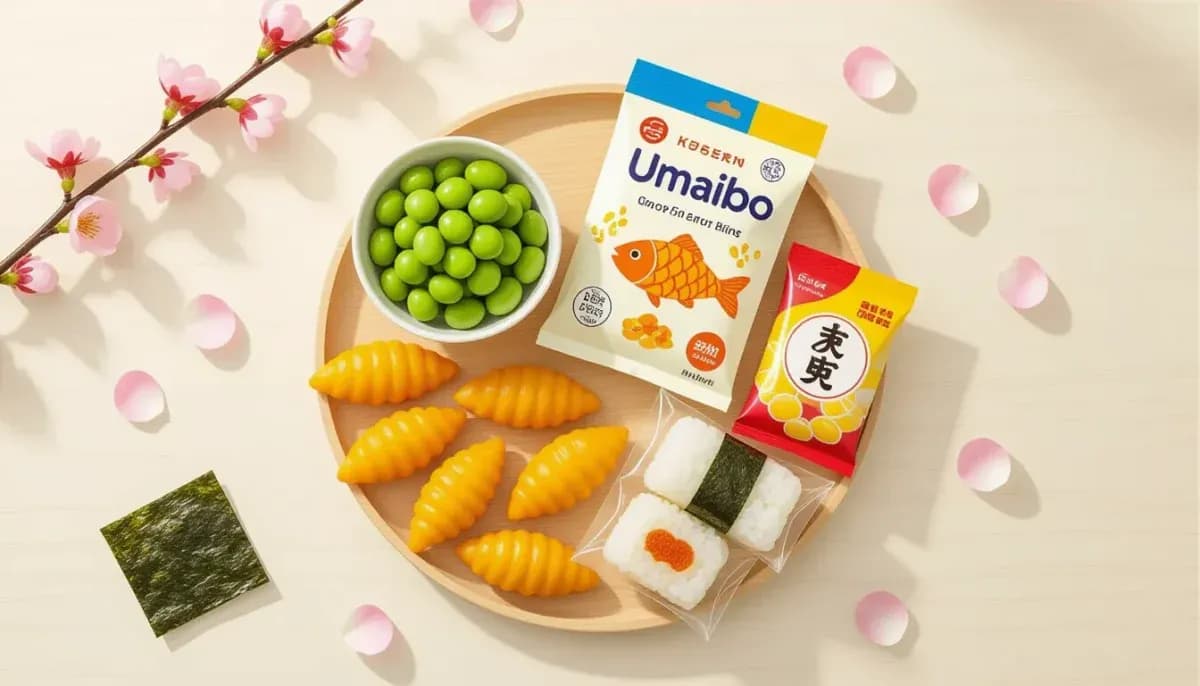
Japanese Snacks and Sweets for Children: What's Safe and Healthy
A complete guide to Japanese snacks and sweets for children. Discover what's safe, healthy, and age-appropriate — from oyatsu culture to konbini picks and traditional wagashi — for expat families in Japan.
Read more →