
Parental Controls and Monitoring Tools Available in Japan

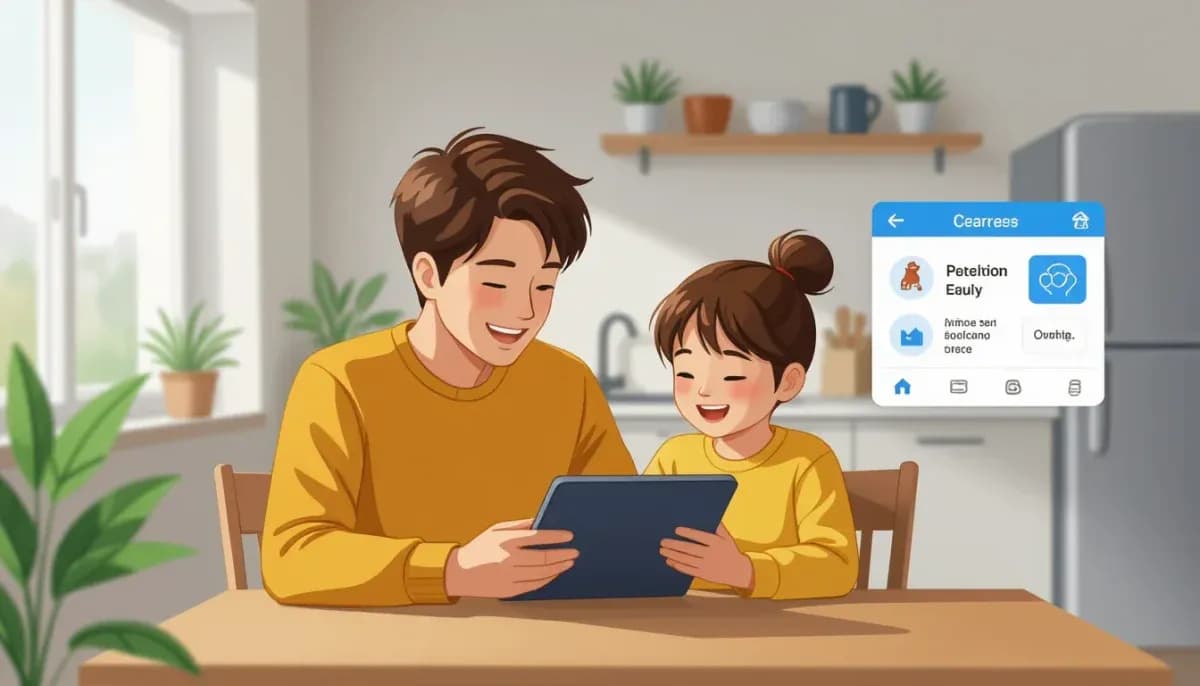
Complete guide to parental controls and monitoring tools for families in Japan. Covers Apple Screen Time, Google Family Link, LINE safety, Japanese regulations, and expert tips for foreign parents raising kids in Japan.
Parental Controls and Monitoring Tools Available in Japan
Raising children in Japan as a foreign parent comes with unique digital challenges. Japanese children are among the most connected in the world — by high school, virtually every child owns a personal mobile device, and the average elementary schooler gets their first smartphone at just 6 years old. For expat and foreign families, navigating Japan's digital landscape means understanding both global parental control tools and Japan-specific platforms, regulations, and risks.
This guide covers the best parental control and monitoring tools available in Japan, key statistics about child internet use, Japan's evolving regulatory landscape, and practical strategies for keeping your children safe online — all from a foreign family's perspective.
Why Parental Controls Matter in Japan
Japan may feel like one of the safest countries in the world physically, but its digital environment presents serious risks for children. According to research published by Nippon.com, 46% of surveyed Japanese youth ages 10–19 experienced difficulties linked to internet use, including:
- Emotional stress from social comparison on social media
- Exposure to criminal or sexual exploitation
- Intimate photo misuse and cyberbullying
- School absences and, in extreme cases, links to youth suicides
The scale of device ownership makes these risks widespread. A landmark Hokkaido Study (2020–2021) tracking over 3,000 Japanese children found that 81.3% of all children owned personal mobile devices, with that figure reaching 99.8% among high school students. The median age of first mobile device use was just 7.0 years old overall — and 6.0 years for elementary schoolers.
For foreign families, language barriers make it even harder to monitor what platforms your children are using and who they are talking to. Japanese children primarily use:
| Platform | Usage Rate Among Youth (Ages 10–19) |
|---|---|
| LINE | 95.0% |
| YouTube | 94.3% |
| 72.9% | |
| TikTok | 70.0% |
| X (Twitter) | 65.7% |
Research consistently shows that households without screen rules face 2.41x higher risk of children developing prolonged screen time habits. Parental controls and active monitoring are among the most effective tools available.
Built-In Parental Controls: iOS and Android in Japan
Before reaching for third-party apps, start with the built-in controls on your child's device. Both major platforms offer robust free tools that work fully in Japan.
Apple Screen Time (iOS)
Apple's Screen Time feature (設定 → スクリーンタイム on Japanese devices) is built into every iPhone and iPad running iOS 12 or later. For foreign parents, the good news is that it can be set to English and syncs across your Apple Family Sharing group.
Key features:
- App limits — Set daily time limits per app or category (e.g., Social Networking, Games)
- Downtime — Scheduled periods where only approved apps work (great for bedtime)
- Content & Privacy Restrictions — Block adult websites, restrict app installs, control Siri settings
- Communication Limits — Control who your child can call and message during downtime
- Screen Distance — New in iOS 17, alerts when device is held too close (helpful for young eyes)
You can manage your child's Screen Time from your own iPhone via Family Sharing, which works seamlessly whether you're in Japan or abroad.
Google Family Link (Android)
Google Family Link is the equivalent for Android devices — and it's completely free. Most Japanese Android phones (Sharp, Sony, Fujitsu) are fully compatible.
Key features:
- App approval — Children under 13 must get parent approval to install any app
- Daily activity reports — See which apps your child used and for how long
- Screen time limits — Set daily limits and bedtime locks
- Device location — See your child's device location on a map
- Content filters — Restrict Google Play app ratings, YouTube content, and SafeSearch
Family Link is managed through the Google Family Link app on your own Android or iPhone, and works anywhere in the world including Japan.
Best Third-Party Parental Control Apps Available in Japan
For families who want more comprehensive monitoring — especially for older children or when managing LINE and Japanese social platforms — third-party apps offer deeper features.
| App | Best For | Price | Platform |
|---|---|---|---|
| Qustodio | All-in-one monitoring | ~¥5,000–¥8,000/yr | iOS, Android, PC |
| Bark | Social media AI monitoring | ~¥4,500/yr | iOS, Android |
| Norton Family | Web filtering + reporting | ~¥5,500/yr | iOS, Android, PC |
| Google Family Link | Android monitoring | Free | Android |
| Apple Screen Time | iOS monitoring | Free | iOS |
| Kaspersky Safe Kids | Budget option + GPS | ~¥2,500/yr | iOS, Android |
| FamilyTime | Geofencing + SOS alerts | ~¥3,500/yr | iOS, Android |
| OurPact | Device blocking, scheduling | Free/Premium | iOS, Android |
Note: Pricing shown in approximate JPY equivalents. All apps listed function in Japan and are available on global App Store / Google Play Japan.
Qustodio
Qustodio is one of the most comprehensive parental control solutions available internationally. It monitors web browsing, app usage, social media activity (including YouTube and TikTok), and can set time limits across multiple devices. The dashboard is in English, making it easier for foreign parents to navigate than Japanese-only alternatives.
LINE monitoring note: LINE is Japan's dominant messaging app, and most international tools cannot monitor LINE messages directly due to end-to-end encryption. Bark and Qustodio offer partial LINE monitoring on Android only.
Bark
Bark takes a different approach — instead of blocking content, it uses AI to scan your child's messages and activity for signs of cyberbullying, self-harm, sexual content, and depression. It monitors 30+ apps and platforms. Bark is particularly popular among parents of teenagers who need privacy but still require oversight.
Kaspersky Safe Kids
A budget-friendly option with location tracking via GPS and geofencing alerts. Kaspersky Safe Kids works well in Japan and supports both Japanese and English app environments.
Japan-Specific Monitoring Considerations
LINE — Japan's Dominant Messaging App
LINE is not just popular in Japan — it's the primary communication platform for most Japanese families, schools, and communities. Unlike WhatsApp or iMessage, LINE is used for school group chats, club activities, and teacher communications.
For parents:
- LINE Family feature allows parents to link accounts and set usage times
- Children under 18 can be set to restricted "Teen" mode which limits who can add them as a friend
- End-to-end encryption limits third-party monitoring tools
For foreign families new to Japan, getting familiar with LINE early is essential. For context on how digital tools integrate with school life, see our guide on Elementary School in Japan for Foreign Parents.
Nintendo Switch and Gaming Consoles
Japan has one of the highest rates of Nintendo Switch ownership in the world. Nintendo's Nintendo Switch Parental Controls app (free, iOS and Android) is one of the best console parental control tools available:
- Set playtime limits with bedtime alarms
- Restrict content ratings
- Block online features and communication with strangers
- View monthly playtime reports
The app works in English and is highly recommended for families with younger children.
Instagram Teen Accounts (Launched Japan 2025)
In January 2025, Instagram launched Teen Accounts in Japan — a significant policy change. For users under 16:
- Accounts are private by default
- Messaging is restricted to approved followers
- Sensitive content is filtered
- Parents can supervise through linked accounts
This built-in platform-level protection is an important new layer for families in Japan.
Japan's Regulatory Landscape: What Parents Should Know
Japan's approach to child internet safety is evolving rapidly. For foreign families, understanding the legal and policy context helps you know what protections exist — and where gaps remain.
Key developments (2024–2025):
- Japan's Children and Families Agency launched a working group in November 2024 to study age restrictions for social media
- Australia passed a landmark law in December 2024 requiring users to be 16 or older to use social media — Japan is closely watching this model
- A 2023 Japanese law strengthened children's personal data protections, requiring platforms to obtain explicit parental consent for data collection on minors
Japan's regulatory framework lags behind Europe's GDPR in terms of age verification requirements, but change is underway. For foreign families navigating Japanese bureaucracy and legal context, our resource on Visa and Legal Issues for Foreign Families in Japan offers useful background.
For detailed reading on Japan's current data protection framework, Nishimura & Asahi's legal briefing covers recent regulatory amendments.
Practical Strategies for Foreign Families in Japan
Research consistently shows that technology alone isn't enough — household rules and parent-child communication are the most powerful tools. Here's a practical framework for foreign families:
1. Establish Clear Household Rules Early
Families without screen rules face significantly worse outcomes. Create a Family Media Agreement that includes:
- Screen-free times (meals, before bed, during homework)
- Maximum daily screen time by age
- Rules about which apps require parental approval
- Consequences for violations
2. Start with Built-In Controls Before Buying Apps
Apple Screen Time and Google Family Link are free, reliable, and sufficient for most families. Only upgrade to paid third-party apps if you need advanced social media monitoring or multi-platform management.
3. Model Healthy Digital Behavior
Japanese research found that a mother's internet use of 2+ hours daily increases her child's risk of prolonged screen time by 2.55x, and a father's by 2.35x. Parental behavior matters as much as restrictions.
4. Delay Device Ownership Where Possible
The Hokkaido Study found that delaying first device exposure had a greater positive impact on child outcomes than parental supervision after exposure began. If your child doesn't need a device yet, waiting has lasting benefits.
5. Learn to Use LINE Safely
For foreign families, LINE is unavoidable once children start school. Set up LINE's Teen Account restrictions, enable message history review, and discuss safe use directly with your children. For broader strategies on communication in Japan's school system, see our guide on Raising Bilingual Children in Japan.
Support Resources for Foreign Families in Japan
Managing children's digital wellbeing as a foreigner in Japan can feel overwhelming — especially when school group chats are in Japanese. These resources can help:
- Living in Nihon — Comprehensive English resource for expat life in Japan, including family and lifestyle guides
- For Work in Japan — Career and life guidance for foreign residents in Japan
- Chuukou Benkyou — Resources for Japanese school preparation, useful for understanding the academic context your children navigate
- TELL (Tokyo English Life Line) — English-language mental health support: 03-5774-0992
- Tokyo Apartment's Expat Parenting Guide — Practical advice for raising kids in Japan as a foreigner
- Nippon.com Cyberspace Safety Report — In-depth analysis of Japan's child internet safety landscape
For more on supporting your child's overall wellbeing in Japan, see our guide on Mental Health and Emotional Wellbeing for Foreign Children in Japan.
Summary: Best Parental Control Approach by Child's Age
| Age Group | Recommended Tools | Key Focus |
|---|---|---|
| Under 6 | No personal device | Delay first exposure |
| 6–9 | Apple Screen Time / Google Family Link | Time limits, content filters |
| 10–12 | Family Link + Nintendo Parental Controls | App approval, gaming limits |
| 13–15 | Qustodio or Bark + LINE Teen restrictions | Social media monitoring |
| 16–18 | Open communication + platform controls | Trust-building + oversight |
The most effective approach combines technical tools with open family conversations — and staying informed about Japan's rapidly evolving digital regulations ensures you can adjust as the landscape changes.
For related guidance on supporting your family's life in Japan, explore our articles on Healthcare and Medical Care for Children in Japan and Government Benefits and Subsidies for Families in Japan.

Originally from Vietnam, living in Japan for 16+ years. Graduated from Nagoya University, with 11 years of professional experience at Japanese and international companies. Sharing practical information for foreign parents raising children in Japan.
View Profile →Related Articles

Impact of Technology on Child Development in Japan
A comprehensive guide for foreign parents on screen time, AI use, and digital education in Japan. Backed by Japanese research data and practical parenting tips for expat families.
Read more →
Balancing Digital and Outdoor Activities for Children
Practical guide for expat families on balancing screen time and outdoor play in Japan. Research-backed strategies, Japanese seasonal activities, and school-level tips for raising healthy, balanced children.
Read more →
Coding and Programming Classes for Kids in Japan
Find the best English-friendly coding classes for kids in Japan. Compare Tokyo Coding Club, Little Hackers, Coding Lab Japan, and more — with prices, ages, and enrollment tips for foreign families.
Read more →
Cyberbullying Prevention and Online Safety for Kids
Learn how to protect your child from cyberbullying in Japan. Covers warning signs, laws, English-language resources, and practical online safety rules for foreign families.
Read more →
Digital Literacy Education in Japanese Schools
Complete guide to digital literacy education in Japanese schools for foreign families. Covers GIGA School initiative, mandatory programming, Information I entrance exam, and tips for expat children.
Read more →
Smartphone Rules and Policies for Children in Japan
Complete guide to smartphone rules and policies for children in Japan — school bans, regional ordinances, screen time data, and practical tips for foreign families navigating Japanese digital culture.
Read more →