
Smartphone Rules and Policies for Children in Japan

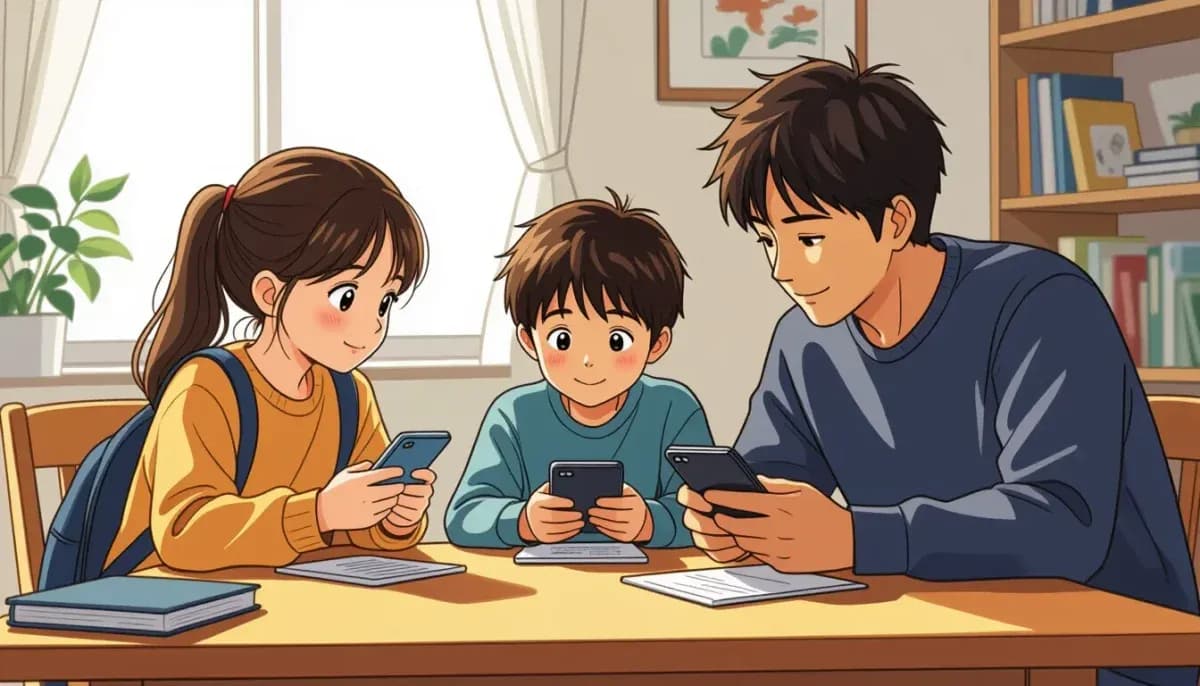
Complete guide to smartphone rules and policies for children in Japan — school bans, regional ordinances, screen time data, and practical tips for foreign families navigating Japanese digital culture.
Smartphone Rules and Policies for Children in Japan: A Complete Guide for Foreign Families
Moving to Japan with children means navigating a unique digital landscape. Japan has some of Asia's most discussed—and in some cases legally codified—rules around children and smartphones. Whether your child attends a local Japanese school or an international school, understanding these policies will help you make informed decisions about screen time, online safety, and school compliance.
This guide covers national policies, regional regulations, school rules, practical parenting strategies, and how Japan compares globally—with everything you need to know as a foreign parent raising children in Japan.
How Many Japanese Children Own Smartphones?
Smartphone ownership among Japanese children has risen sharply in recent years. For the first time ever, more than 50% of upper elementary school students (4th–6th grade) now own a smartphone—up from just 17% in 2018. Among junior high students, the figure reaches 88.8%, and nearly all high schoolers (94%) use smartphones regularly.
The average age at which children receive their first smartphone has also dropped significantly: from 11.3 years in 2019 to 10.4 years as of the most recent survey. More than half of parents (51.6%) now provide smartphones to children at elementary school age.
Daily Usage Among Japanese Children
| Age Group | Average Daily Smartphone/Internet Use |
|---|---|
| Elementary (10+) | 3 hours 44 minutes |
| Younger elementary | 2 hours 9 minutes |
| Junior high students | 5 hours 2 minutes |
| High school students | 6 hours 19 minutes |
These figures concern educators and health experts, particularly because research shows a clear academic penalty. A study by the Sendai City Board of Education, conducted with 24,000 middle schoolers, found that students who used smartphones for more than 1 hour per day scored consistently lower academically—even those who also studied for 2 or more hours. Students with zero phone use and only 30 minutes of studying still outperformed heavy phone users.
Japan's National Smartphone Policy for Schools
Japan's national policy on smartphones in schools has gone through significant changes:
- 2009: The Ministry of Education, Culture, Sports, Science and Technology (MEXT) issued a notice banning smartphones for all elementary and junior high students at school.
- June 2025: A MEXT advisory panel approved lifting the ban for junior high students under specific conditions: smartphones may be brought to school strictly as emergency communication tools during the commute. Schools must establish their own rules for device storage and content restrictions during school hours.
- Elementary school ban remains in effect. Feature phones (with limited functions) are permitted with parental permission in some areas.
The policy shift reflects the reality that many junior high students already carry smartphones and parents want emergency contact options during commuting—especially after natural disaster preparedness concerns.
If your child attends a Japanese public junior high school, check with the school about their specific device rules. The national guideline sets the framework, but individual schools have discretion in implementation.
For more on navigating the Japanese school system as a foreign parent, see our guides on junior high school in Japan and elementary school in Japan.
Regional and Municipal Regulations: Beyond National Policy
Japan's approach to regulating children's smartphone use doesn't stop at the national level. Several prefectures and municipalities have enacted their own ordinances:
Kagawa Prefecture Ordinance
Kagawa Prefecture passed Japan's most well-known regional ordinance targeting internet and gaming addiction. Key rules for children:
- Under 18: Gaming limited to 1 hour on weekdays, 90 minutes on weekends and holidays
- Elementary students: Smartphones must be turned off by 9:00 PM
- Junior high students and older: Smartphones off by 10:00 PM
These limits are guidelines supported by the ordinance, primarily aimed at encouraging families to adopt these habits voluntarily. While enforcement is limited, the rules set clear community expectations.
Toyoake City, Aichi Prefecture
Toyoake City made national news as the first municipality in Japan to set a specific voluntary 2-hour daily smartphone use guideline through a city ordinance. There are no penalties or enforcement mechanisms—the ordinance is designed to prompt awareness and family conversations. It faced some public pushback for perceived government overreach, but has sparked a national discussion about whether local governments should set digital wellness standards.
General Government Recommendation
The national government's recommended guideline for all children: limit leisure smartphone use to under 2 hours per day. This isn't legally enforceable but is widely cited by schools, pediatricians, and parenting organizations across Japan.
As a foreign family, be aware of the specific rules in your prefecture or municipality. If you're in Kagawa, for example, these guidelines are part of the local social contract around parenting. For more on navigating regional systems, Living in Nihon covers daily life practicalities for foreigners in Japan.
What Are Children Actually Doing Online in Japan?
Social media use has surged among Japanese children. In 2024, 65% of 4th–6th graders reported using social media—up from just 37% in 2019. The most popular platforms among children and teens:
| Platform | Usage Rate Among Teens |
|---|---|
| LINE | 95.0% |
| YouTube | 94.3% |
| 72.9% | |
| TikTok | 70.0% |
| X (Twitter) | 65.7% |
LINE dominates because it functions as the primary messaging platform in Japan for all age groups—children use it to communicate with classmates, school groups, and club activities. This makes it simultaneously necessary for social participation and a vector for cyberbullying.
Documented online risks for children in Japan include:
- Cyberbullying via chat (LINE is the most common platform)
- Unauthorized sharing of photos or screenshots
- Sexual exploitation and grooming
- Recruitment into fraud schemes (ores-ore scams increasingly target young people)
- Online harassment linked to suicides (notably in Tokyo in 2020 and Osaka in 2022)
Only 45% of parents with younger children exercise any digital oversight, compared to 84.6% of parents with teenagers—suggesting a gap precisely during the vulnerable early smartphone years.
Platform Age Restrictions in Japan
Japanese children are subject to the same platform terms of service as in other countries, but enforcement is lax:
| Platform | Minimum Age | Notes |
|---|---|---|
| 13+ | Teen Accounts (launched January 2025): private by default for 13–17 | |
| X (Twitter) | 13+ | Limited content filtering |
| TikTok | 13+ | 60-minute daily limit for under-16 built in |
| LINE | 12+ recommended | Dominant in Japan; ID search restricted for under-18 |
| YouTube | 13+ (supervised mode available) | YouTube Kids available for younger children |
Despite these restrictions, many children in Japan access these platforms well below the stated minimum ages with parental smartphones or by entering false birth dates. Foreign parents should be aware that Japanese platform interfaces are in Japanese, which may make parental control settings harder to navigate without language support.
How to Set Smartphone Rules as a Foreign Parent in Japan
Foreign families navigating Japanese smartphone culture often find themselves balancing local school expectations, their home country's digital habits, and their own family values. Here are practical steps:
1. Check Your Child's School Policy First
Before setting household rules, find out what the school requires. Japanese public elementary schools typically prohibit personal smartphones on campus. Junior high schools are in transition as of 2025—ask your school's homeroom teacher or the PTA for current rules.
If your child attends an international school, policies vary widely. For Work in Japan has resources for expat families navigating Japanese institutional systems.
2. Use Parental Controls from Day One
Both Android and iOS have robust parental control features. For Japan-specific use:
- iOS Screen Time: Set daily limits by app category, block age-inappropriate content, and require approval for app downloads
- Google Family Link: Suitable for Android devices, allows location tracking, app approval, and screen time schedules
- LINE's Teen Settings: Enable through LINE's in-app settings to restrict ID search, content filtering, and night-mode messaging limits
3. Establish Clear Household Rules
Draw on the Japanese community consensus as a starting point. Many Japanese families follow something close to:
- No smartphones at mealtimes
- Devices charged in a common area (not bedrooms) at night
- No phone use after 9 or 10 PM (aligning with Kagawa Prefecture guidelines)
- Homework completed before free screen time
- Parents have full access to all accounts and messages
Document your rules and revisit them as your child ages and gains trust.
4. Talk About Online Safety in Japan's Context
Japan's online safety risks have local flavors. Talk with your children about:
- Why LINE messages can be screenshotted and shared widely
- That club activities and school groups often use LINE—it's not optional, but boundaries are
- The legal consequences of sharing others' images without consent (Japan has strict photo-sharing laws)
- Reporting mechanisms for cyberbullying at Japanese schools
For support around your child's overall mental health in a cross-cultural environment, see our guide on mental health and emotional wellbeing for foreign children in Japan.
How Japan Compares Globally on Children's Smartphone Policies
Japan's approach is stricter than many Western countries in terms of formal school bans, but less stringent than France (which bans smartphones in all schools for under-15s nationwide) and South Korea (which has detailed youth internet addiction treatment programs).
| Country | School Smartphone Ban | National Screen Time Law |
|---|---|---|
| Japan | Elementary (national), Junior high (transitioning) | No (regional guidelines only) |
| France | Under-15 full school ban | No |
| South Korea | In-class restrictions, addiction clinics | No national law |
| China | Ban for under-18 in schools; 2-hour daily app limits | Yes (app-enforced limits) |
| USA | State-by-state; no national standard | No |
| UK | Guidance issued 2024 recommending bans | No |
Japan is unique in having legally passed prefecture-level ordinances (Kagawa) while still lacking a national enforcement framework. This patchwork approach means your experience will vary significantly depending on where you live.
For broader context on Japanese school life, see our overview of the Japanese education system for foreign families and our guide to raising bilingual children in Japan.
Resources for Foreign Parents in Japan
Navigating smartphone policies in Japan is easier with the right information sources:
- Nippon.com – Keeping Japanese Children Safe in Cyberspace: In-depth English-language analysis of government, corporate, and parental roles in online safety
- Japan Times – Should Japan Ban Smartphones in Schools?: Latest commentary on the 2025 policy debate
- Living in Nihon: Practical guides for foreigners navigating daily life in Japan, including mobile phone setup and school life
- For Work in Japan: Resources for expat professionals and families settling in Japan
- Chuukou Benkyou: Japanese-language study resources for junior high students, useful context for understanding the academic pressures driving smartphone policy debates
For questions about your child's school enrollment, see our guide on healthcare and medical care for children in Japan and government benefits and subsidies for families in Japan.
Key Takeaways for Foreign Families
Understanding Japan's smartphone rules is straightforward once you know the framework:
- Elementary schools ban personal smartphones on campus (national policy, still in effect)
- Junior high schools are transitioning — as of June 2025, smartphones may be allowed for emergency use during commuting only, with school-specific rules
- Regional ordinances exist — Kagawa Prefecture has detailed screen time limits; check your local prefecture
- Social media use is high and rising — LINE is practically mandatory for school social life; prepare accordingly
- Academic research confirms harm from overuse — over 1 hour/day correlates with measurable academic decline
- Set rules early — Japan's community norms support firm household rules; using them as a reference point can help
Foreign parents often find that Japanese families share similar concerns about smartphone overuse and online safety. Building connections with other parents at your child's school—Japanese and expat alike—is one of the best ways to stay informed about what's normal, what's expected, and what your family can do to keep your child safe in Japan's digital environment.

Originally from Vietnam, living in Japan for 16+ years. Graduated from Nagoya University, with 11 years of professional experience at Japanese and international companies. Sharing practical information for foreign parents raising children in Japan.
View Profile →Related Articles
Impact of Technology on Child Development in Japan
A comprehensive guide for foreign parents on screen time, AI use, and digital education in Japan. Backed by Japanese research data and practical parenting tips for expat families.
Read more →
Balancing Digital and Outdoor Activities for Children
Practical guide for expat families on balancing screen time and outdoor play in Japan. Research-backed strategies, Japanese seasonal activities, and school-level tips for raising healthy, balanced children.
Read more →
Coding and Programming Classes for Kids in Japan
Find the best English-friendly coding classes for kids in Japan. Compare Tokyo Coding Club, Little Hackers, Coding Lab Japan, and more — with prices, ages, and enrollment tips for foreign families.
Read more →
Parental Controls and Monitoring Tools Available in Japan
Complete guide to parental controls and monitoring tools for families in Japan. Covers Apple Screen Time, Google Family Link, LINE safety, Japanese regulations, and expert tips for foreign parents raising kids in Japan.
Read more →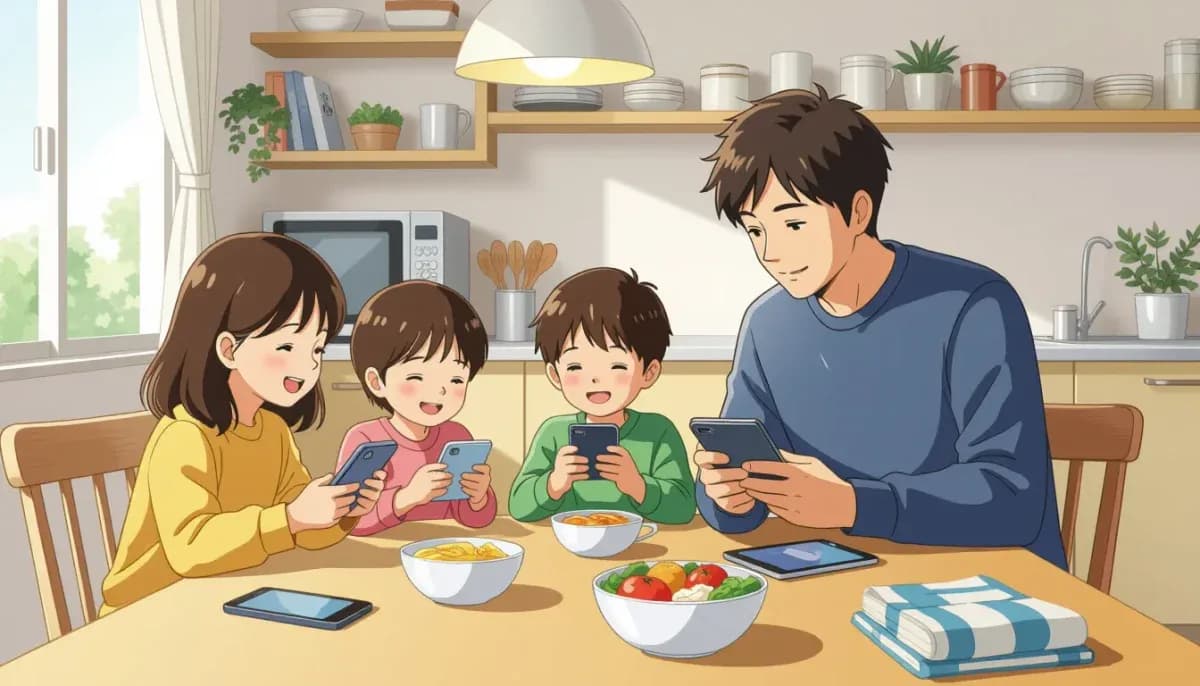
Cyberbullying Prevention and Online Safety for Kids
Learn how to protect your child from cyberbullying in Japan. Covers warning signs, laws, English-language resources, and practical online safety rules for foreign families.
Read more →
Digital Literacy Education in Japanese Schools
Complete guide to digital literacy education in Japanese schools for foreign families. Covers GIGA School initiative, mandatory programming, Information I entrance exam, and tips for expat children.
Read more →