
School Lunch Menu Planning and Nutritional Standards

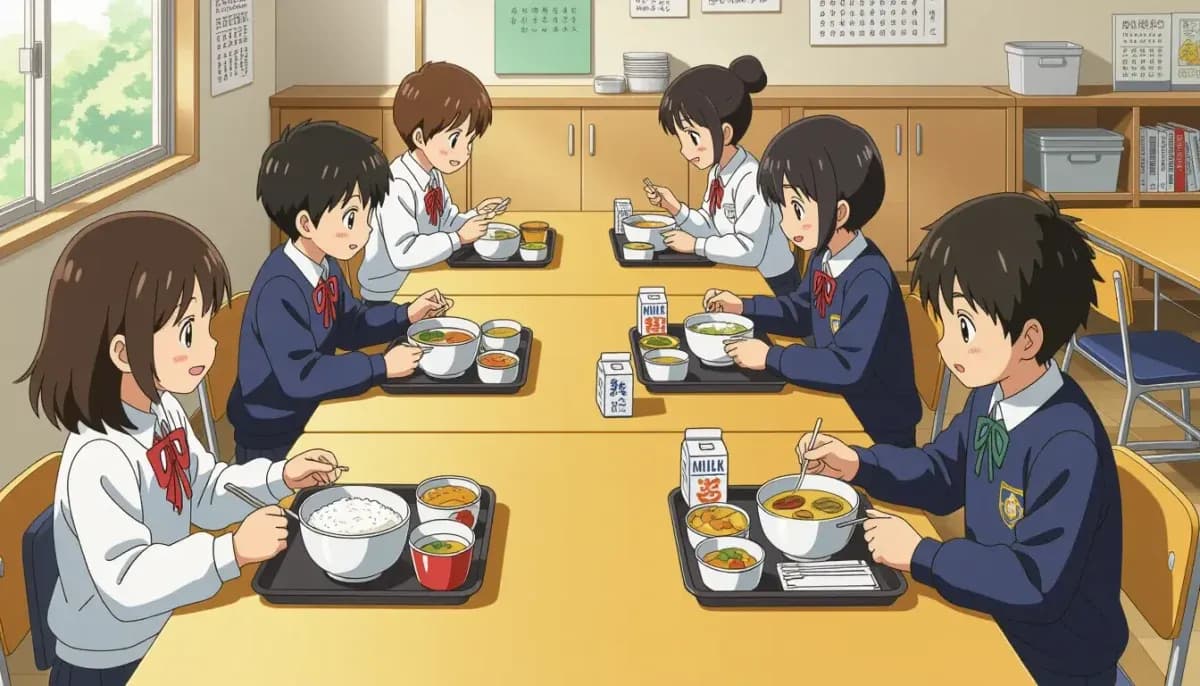
Everything foreign families need to know about Japan's kyushoku school lunch program: nutritional standards, calorie targets, allergy accommodations, costs, and shokuiku food education.
School Lunch Menu Planning and Nutritional Standards in Japan: A Complete Guide for Foreign Families
Japan's school lunch program — known as kyushoku (給食) — is one of the most admired in the world. For foreign families enrolling children in Japanese public schools, understanding how school lunches are planned, what nutritional standards govern them, and what to expect day-to-day can make a huge difference in your child's transition. This guide covers everything from calorie targets by grade to allergy accommodations, the role of nutrition teachers, and how Japan's approach to school meals doubles as food education.
The History and Legal Foundation of Kyushoku
Japan's school lunch program has deep roots. The School Lunch Program Act (学校給食法), enacted in 1954, legally mandated that all public elementary and junior high schools provide nutritious meals to students. What began as a postwar nutrition intervention has evolved into a sophisticated system that balances health science, cultural education, and local food sourcing.
As of May 2021, 99.7% of elementary schools and 98.2% of junior high schools participate in the program. The remaining schools are mostly in rural areas where centralized kitchen logistics remain challenging, or are private institutions that operate independently.
The program is overseen by the Ministry of Education, Culture, Sports, Science and Technology (MEXT), which sets nationwide nutritional standards that are revised periodically. The most recent major revision took effect in April 2021, lowering sodium targets in response to concerns about long-term cardiovascular health in children.
For foreign families new to Japan's school system, understanding this legal backbone is important: kyushoku is not optional in most public schools. Children are expected to eat the same meal as everyone else, and bringing a packed lunch (obento) from home is generally not permitted unless there is a documented medical reason.
For a broader overview of how the Japanese school system works for foreign families, see our guide on the Japanese education system.
Nutritional Standards: What Every Kyushoku Must Provide
Japan's school lunches are meticulously calibrated to meet one-third of a child's daily nutritional requirements in a single meal. The standards vary by school level and age group, but the core philosophy is consistent: lunch must fill key dietary gaps that breakfast and dinner may leave.
Calorie Targets by School Level
| School Level | Age Range | Target Calories per Lunch |
|---|---|---|
| Lower Elementary (Grades 1–2) | 6–8 years | ~530 kcal |
| Mid Elementary (Grades 3–4) | 8–10 years | ~620 kcal |
| Upper Elementary (Grades 5–6) | 10–12 years | ~700 kcal |
| Junior High School | 12–15 years | ~820 kcal |
Macronutrient and Micronutrient Requirements
Beyond calories, MEXT specifies targets for key nutrients:
- Protein: 13–20% of total lunch calories
- Fat: 20–30% of total lunch calories
- Calcium: At least 33% of the child's daily recommended intake per meal (this is why milk is mandatory in nearly every kyushoku)
- Iron: Approximately one-third of the daily recommended value
- Sodium (revised 2021): Under 2g per meal for junior high students; lower thresholds for elementary students
- Dietary fiber: Targets set to ensure adequate intake especially on school days, as fiber is commonly deficient in children's home diets
Research published in Public Health Nutrition (Cambridge/PMC, covering 910 students across 27 schools) found that school lunches improved nutrient intake on school days compared to non-school days for approximately 60% of measured nutrients. The same research identified persistent challenges: fat inadequacy affected 29.9–47.7% of children, dietary fiber insufficiency affected up to 76.1%, and sodium overconsumption remained near-universal (97–100% of students).
These findings have driven MEXT's ongoing revisions — particularly the 2021 sodium reduction — and underscore why proper menu planning is taken so seriously by school nutritionists.
For more on children's healthcare and nutrition needs while in Japan, visit our healthcare guide for children.
How School Lunch Menus Are Planned
Menu planning for kyushoku is a professional responsibility, not an afterthought. Japan established the Diet and Nutrition Teacher (栄養教諭, Eiyou Kyouyu) system in 2005, creating a new category of school professional who holds both a registered dietitian qualification and a teaching license. These teachers are responsible for planning menus, overseeing food preparation, and integrating food education (shokuiku) into the curriculum.
Staffing Standards
- School-based kitchens: 1 nutrition teacher per 550 students
- Centralized/shared kitchens (serving multiple schools): 1 nutrition teacher per 1,500 students
Menu Planning Principles
Every kyushoku menu must include:
- A staple: rice (most common), bread, or noodles (udon or ramen)
- A main protein dish: fish, meat (chicken, pork, beef), tofu, or eggs
- A vegetable side dish: seasonal vegetables, often lightly simmered or dressed
- Soup: miso soup, consommé, or regional specialty soups
- Milk: 200ml carton, served daily regardless of the meal type
Meals rotate on approximately monthly cycles with seasonal adjustments. Nutritionists are required to incorporate:
- Local and regional produce: Approximately 56% of ingredients are locally sourced; ~89% of all ingredients are domestic (Japanese-grown or produced)
- Seasonal menus: Menus change with the seasons to expose children to peak-quality produce
- Cultural education dishes: International dishes (pasta, curry, dumplings, etc.) are introduced regularly to broaden children's food awareness
No added sugars, artificial preservatives, or heavily processed ingredients are permitted. Frozen or pre-packaged meals are generally not used in school-based kitchen systems.
For context on what daily life looks like for children in Japanese elementary schools, see our elementary school guide for foreign parents.
What Foreign Parents Should Know: Allergies, Costs, and Practical Tips
For expat families, several practical aspects of kyushoku differ from what you may be used to in your home country.
Food Allergies and Dietary Restrictions
Japan takes food allergies seriously within the kyushoku system, but the process requires active parental involvement:
- Documentation required: You must submit written allergy documentation from a licensed physician at the time of school enrollment
- Accommodation process: The school nutritionist reviews the documented allergens and prepares a separate, modified meal for the child on days when the regular menu contains those allergens
- Common accommodations: Dairy (milk), eggs, wheat, and peanuts are the most commonly accommodated
- No religious dietary exemptions by default: Halal or vegetarian accommodations are not standard in most public schools, though some urban schools in areas with large expat populations have begun to offer alternatives. You will need to inquire directly with your child's school
Packed lunches (obento) are not permitted in most public schools under the kyushoku system, except in cases of severe, documented allergies that cannot be safely accommodated. If your child's school does not accept packed lunches, contact the school's nutrition teacher directly to discuss accommodation options.
For help navigating enrollment paperwork and school systems as a foreign parent, Living in Nihon offers comprehensive guides on settling into life in Japan.
Kyushoku Costs
School lunch in Japan is one of the most affordable quality meal programs anywhere in the world:
| Cost Type | Amount |
|---|---|
| Ingredient cost per meal (family pays) | ~¥250–¥300 (~$2 USD) |
| Monthly family cost (approx.) | ~¥4,000–¥4,500 (~$40 USD) |
| Labor and facility costs | Covered by municipality |
| Free lunch programs (as of 2025) | All Tokyo municipalities; ~30% of nationwide municipalities |
As of January 2025, all Tokyo municipalities have made school lunches completely free of charge for all students. Approximately 30% of cities nationwide have already eliminated lunch fees, and the national government has announced plans to make school lunches universally free starting 2026, beginning with elementary schools and extending to junior high.
For families on tight budgets or planning their finances in Japan, this shift toward free school lunches is an important benefit to factor in. See our financial planning guide for expat families for more on managing family costs in Japan.
For additional resources on working and living in Japan as a foreigner, For Work in Japan is a valuable reference for employment and visa-related questions that affect family finances.
Shokuiku: School Lunch as Food Education
One of the most distinctive aspects of Japan's kyushoku system is its integration with shokuiku (食育) — literally "food education." School lunch is not just a meal break; it is treated as a structured learning experience.
Key elements of this educational approach include:
- Classroom service: In most schools, students serve each other the meal in the classroom, rotating duties weekly. This teaches responsibility, hygiene, cooperation, and appreciation for food preparation
- Eating together with the teacher: Unlike many countries where teachers eat separately, Japanese teachers eat the same meal with students in the classroom, reinforcing community and modeling healthy eating behavior
- Monthly food newsletters: Many schools send home a monthly newsletter (給食だより, kyushoku dayori) explaining the month's menu, featured ingredients, and nutritional goals — valuable for foreign parents trying to understand what their child is eating
- Food origin lessons: Children are taught where their food comes from, which regions produce which ingredients, and the importance of supporting Japanese agriculture
- International food days: Regular exposure to dishes from other countries (Korean bibimbap, Italian pasta, Chinese dim sum) expands children's food horizons and connects to social studies curricula
This philosophy has attracted international attention. Organizations like the Global Child Nutrition Foundation (GCNF) have highlighted Japan's approach as a model for countries seeking to address childhood nutrition through institutional meals rather than voluntary programs.
For families raising bilingual or multicultural children, shokuiku can actually be a positive cultural touchpoint — your child experiences Japanese food culture deeply while also seeing their own cultural foods represented on international food days. Read more in our guide on cultural identity for children in Japan.
How Kyushoku Differs at Different School Levels
The kyushoku experience is not identical across all school levels. Here is a practical comparison:
| Feature | Elementary School | Junior High School |
|---|---|---|
| Participation rate | 99.7% | 98.2% |
| Menu control | Fixed (nutritionist-planned) | Fixed (nutritionist-planned) |
| Calorie target | 530–700 kcal | ~820 kcal |
| Classroom service | Yes (students serve) | Varies (some use cafeteria-style) |
| Milk | Mandatory | Mandatory (some exceptions) |
| Packed lunch | Not permitted (except allergy) | Not permitted (except allergy) |
| Sodium limit | Under 2g/meal | Under 2g/meal (stricter monitoring) |
At the high school level, the situation changes significantly. High schools are not covered under the same kyushoku mandate, and many high schools operate a school cafeteria (食堂, shokudo) instead, where students choose from a menu. Some high schools still provide a structured bento-style lunch, while others have no school food service at all. See our high school guide for foreign families for details.
Research and Global Recognition
Japan's kyushoku system has been extensively studied as a model for global school feeding programs. Key research findings confirm what nutritionists have long observed:
- A peer-reviewed study published in Public Health Nutrition (PMC10261553) confirmed that school lunches provide essential nutrients that children from all income backgrounds benefit from equally, demonstrating a significant equity effect — children from low-income families achieve similar nutrient intake to higher-income peers on school lunch days
- The MEXT/MAAF 2023 School Meals Case Study (published with the School Meals Coalition) documents how Japan's centralized kitchen model provides cost efficiency without sacrificing nutritional quality
- JICA (Japan International Cooperation Agency) has exported Japan's kyushoku model to developing countries across Africa and Southeast Asia as part of official development assistance
For families curious about the detailed nutritional science behind the meals your child is eating, the NYC Food Policy Center's overview of Japan's school lunch program provides an accessible English-language breakdown, as does the JapanGov official feature on school lunches.
If you are considering supplementary study resources for your child or want to understand the broader academic context of Japanese schooling, Chuukou Benkyou is a resource focused on middle and high school academic preparation in Japan.
Key Takeaways for Foreign Families
Japan's school lunch program is one of the best in the world — nutritionally rigorous, culturally rich, and increasingly free of charge. For foreign families, the main action points are:
- Submit allergy documentation immediately at enrollment if your child has food allergies — do not wait
- Expect fixed menus — your child will eat what everyone else eats, and that is by design
- Check the monthly kyushoku newsletter (給食だより) — it will be in Japanese, but translation apps make it accessible and it helps you know what your child is eating
- Ask about costs proactively — many municipalities now offer free or subsidized lunches; confirm with your school or local board of education
- Embrace shokuiku — your child will learn to eat vegetables, try new foods, and develop a healthy relationship with food as part of the school experience
Understanding kyushoku helps foreign parents not just manage logistics, but appreciate one of the genuine strengths of Japanese public education. For more on supporting your child's overall school experience in Japan, explore our junior high school guide for foreign families.

Originally from Vietnam, living in Japan for 16+ years. Graduated from Nagoya University, with 11 years of professional experience at Japanese and international companies. Sharing practical information for foreign parents raising children in Japan.
View Profile →Related Articles
Meal Prep Tips for Busy Expat Families in Japan
Discover practical meal prep strategies for expat families in Japan. Learn tsukurioki techniques, bento box tips, Japanese grocery shopping, food storage, and weekly prep schedules to simplify weeknight cooking.
Read more →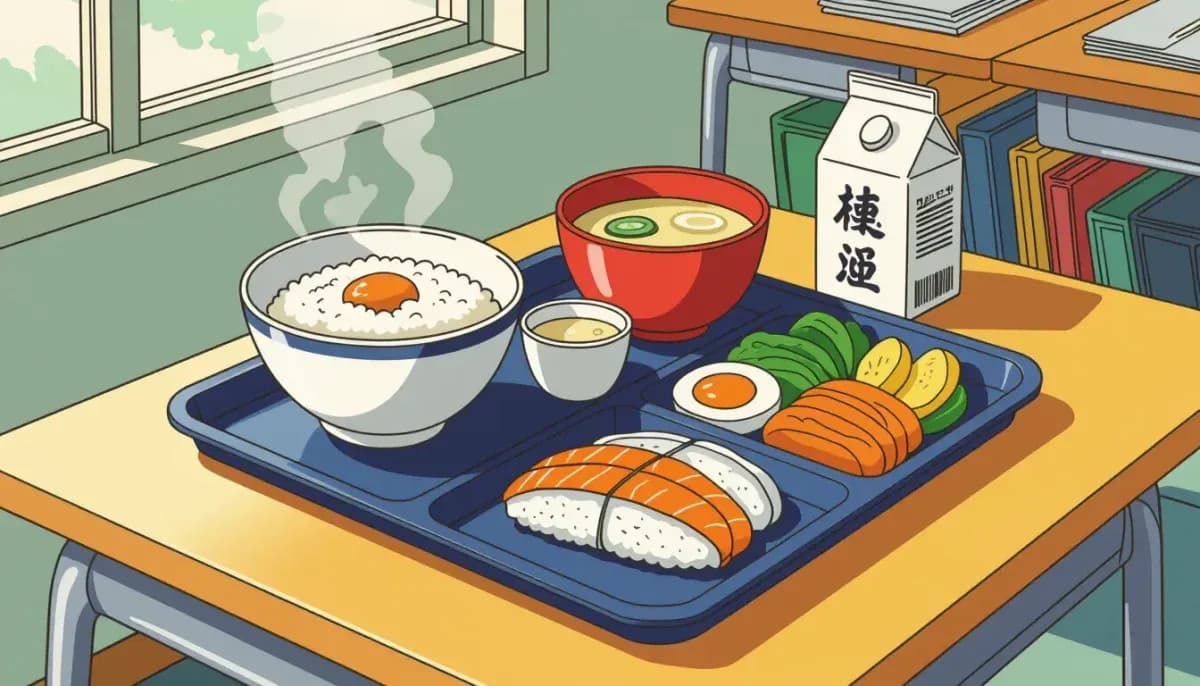
Nutrition Standards and Guidelines in Japanese Schools
Learn about Japan's school lunch (kyushoku) nutrition standards, what your child eats daily, allergy accommodations, costs, and the shokuiku food education system — a complete guide for foreign families.
Read more →
Halal, Kosher, and Vegetarian Options in Japanese Schools
Complete guide to halal, kosher, vegetarian, and vegan options in Japanese schools. Learn how to navigate Japan's kyushoku system, negotiate dietary accommodations, and find Islamic schools — practical advice for foreign parents in Japan.
Read more →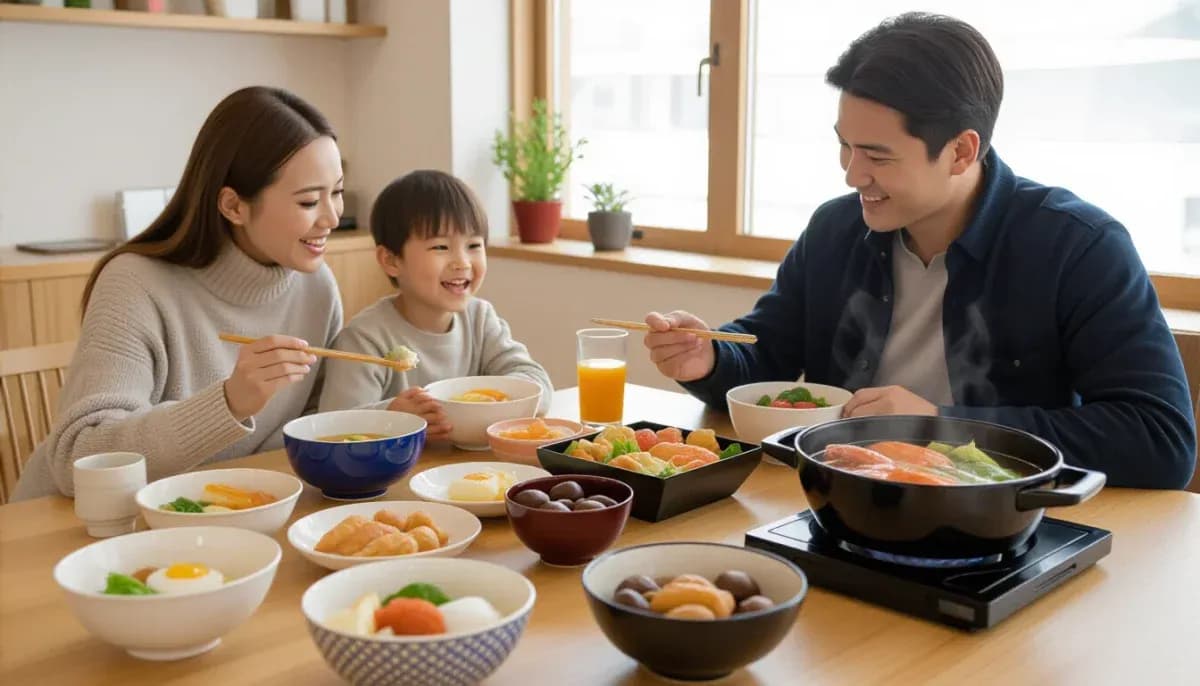
Seasonal Japanese Foods for Family Meals
Discover Japan's seasonal foods (shun) for every family meal across spring, summer, autumn, and winter. Practical tips for foreign families shopping and cooking seasonally in Japan.
Read more →
Cooking Japanese Food with Your Children: Fun Recipes
Discover fun Japanese recipes to cook with your children, from onigiri to gyoza and mochi. Learn about shokuiku, bento boxes, and tips to make cooking a family tradition in Japan.
Read more →
Japanese Snacks and Sweets for Children: What's Safe and Healthy
A complete guide to Japanese snacks and sweets for children. Discover what's safe, healthy, and age-appropriate — from oyatsu culture to konbini picks and traditional wagashi — for expat families in Japan.
Read more →