
Social Media Use Among Japanese Youth: What Parents Should Know

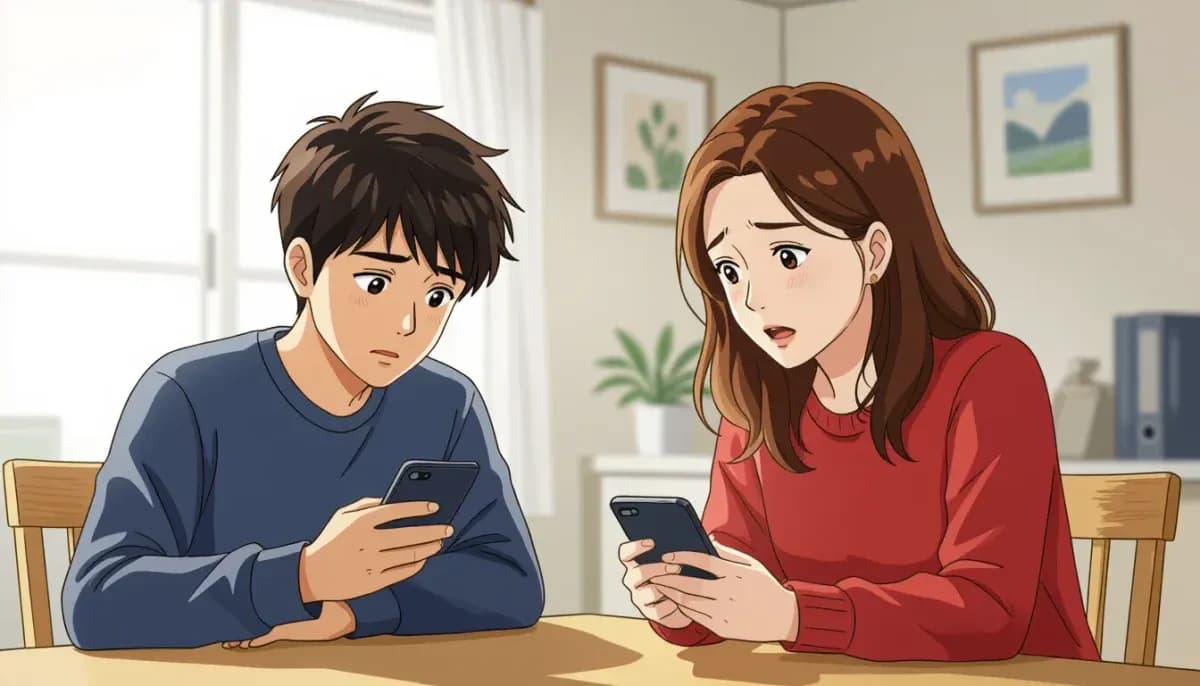
Everything foreign parents in Japan need to know about social media use among Japanese youth: top platforms, screen time stats, safety risks, parental controls, and practical strategies.
Social Media Use Among Japanese Youth: What Parents Should Know
If you're raising children in Japan, social media is one of the most important parenting challenges you'll face. Japanese youth are among the most digitally connected in the world, yet parents — both Japanese and foreign — often feel ill-equipped to guide their children through the landscape. This guide covers the current state of social media use among Japanese youth, the platforms your child is likely using, the risks involved, and practical strategies you can implement at home.
How Widespread Is Social Media Among Japanese Children?
The numbers are striking. According to the Children and Families Agency (2023), 98.7% of Japanese minors aged 10–17 use the internet, with 83.2% doing so on smartphones. By the time children reach high school, the figure is essentially universal: 99.6% of high school students are online, and 98.1% use smartphones.
Social media adoption is growing fast, even among younger children. A 2024 NTT Docomo survey found that 65% of 4th–6th grade elementary students use social media, up sharply from 37% in 2019. Gender plays a role: 75% of girls in grades 4–6 use social media compared to 53% of boys. By junior high, the gap widens further — 96% of female junior high students use social networks.
These aren't just passive users. Japanese youth aged 10–17 average nearly 5 hours online per day on weekdays. For high school students, that jumps to over 6 hours daily — more than a quarter of their waking lives. Social media specifically accounts for about 56 minutes per weekday, and video-sharing platforms add another 112 minutes on top of that.
For foreign parents who may be used to different norms around screen time in their home countries, adjusting to the Japanese digital landscape — where smartphones are often given at remarkably young ages — can be a real culture shock.
Which Platforms Are Japanese Youth Using?
Understanding which platforms your child is likely on is the first step to effective oversight. Japan has some notable differences from Western countries in platform preference, largely driven by LINE's dominance as a messaging platform.
| Platform | Usage Rate (Ages 10–19) | Notes |
|---|---|---|
| LINE | 95.0% | Japan's dominant messaging app; group chats common in schools |
| YouTube | 94.3% | Video consumption; also used for studying |
| 72.9% | Photo/story sharing; popular with teen girls | |
| TikTok | 70.0% | Short-form video; rapidly growing among younger teens |
| X (Twitter) | 65.7% | News, fandom, anonymous expression |
| ~20% | Low among youth; more common with older users |
Source: Ministry of Internal Affairs and Communications (MIC), 2023 survey.
LINE deserves special attention. Unlike WhatsApp or iMessage, LINE is Japan's social fabric — it's used for school group chats, club activities, teacher communications, and friend circles. Your child will almost certainly need it for school-related communication by junior high. This means blanket bans on LINE can actually isolate children socially, which is why a rules-based approach is more realistic than outright prohibition.
Instagram introduced Teen Accounts in Japan in January 2025. Accounts for users aged 13–17 are now private by default, with restricted messaging settings. This is a positive development, but enforcement of age requirements across platforms remains weak in Japan.
For more context on digital life in Japan as an expat, Living in Nihon offers practical guides on integrating into Japanese daily life.
Risks Parents Should Be Aware Of
Social media offers real benefits — connection, entertainment, learning — but the risks for children in Japan are serious and documented.
Online Crime and Exploitation
In 2025, 167 elementary school children became victims of sex crimes facilitated through social media — the highest number in 10 years and approximately 20% higher than the previous year (National Police Agency data). Instagram, TikTok, and LINE together accounted for roughly half of those cases.
While high school student victimization has actually fallen about 40% since 2016 (due to increased awareness campaigns targeting older teens), elementary school victimization has quadrupled in the same period. Younger children are increasingly targeted precisely because they are less aware of the risks.
"Yami Baito" and Deceptive Recruitment
A newer phenomenon is yami baito (闇バイト) — fraudulent or criminal part-time job offers that circulate on social media, often on X (Twitter) or Telegram. These ads lure teens with promises of easy cash and have been linked to robbery, fraud, and organized crime. Teenagers who engage out of desperation or naivety have faced serious legal consequences.
Mental Health and Addiction
A USC Annenberg study found that 61% of Japanese parents believe their teens are addicted to their devices, and 45% of teens agree with that self-assessment. Nineteen percent of parents report arguing daily with their children over device use, and 23% feel devices are actively harming their parent-child relationships.
The mental health dimension is real: excessive social media use correlates with sleep disruption, reduced academic focus, anxiety, and social comparison issues, particularly for girls using image-heavy platforms like Instagram.
For families dealing with mental health challenges, our guide on mental health and emotional wellbeing for foreign children in Japan provides useful resources.
Cyberbullying
Japan has its own distinct cyberbullying culture. Anonymous messaging platforms and LINE group exclusion ("LINE hazu") are common vectors. Unlike direct verbal bullying, digital harassment can be invisible to parents and relentless — continuing even after school hours and during weekends. If your child is struggling socially at school, check our guide on junior high school in Japan for foreign families for broader context on school social dynamics.
Japan's Legal and Regulatory Framework
Japan's approach to protecting children online is a patchwork of regulations, carrier obligations, and voluntary platform measures.
The 2008 Act on Development of an Environment That Provides Safe and Secure Internet Use for Young People (revised 2018) requires mobile carriers to provide internet filtering for users under 18 by default. In practice, many families opt out, and enforcement is inconsistent.
Most platforms set a minimum age of 13, but there is no robust age verification system. LINE recommends 12+ with parental consent; in reality, younger children frequently use accounts registered under a parent's name or a false age.
Notably, under Japanese law, social media platforms currently face no legal obligation to protect children from harmful content — a gap that advocacy groups are actively pushing to close.
At the regional level, Kagawa Prefecture enacted Japan's most well-known local ordinance in 2020: it recommends limiting under-18s to 1 hour of gaming per weekday (90 minutes on weekends) and suggests smartphone curfews of 9pm for elementary students and 10pm for older students. While the ordinance is non-binding, it sparked a national conversation about childhood screen time.
For families navigating Japanese administrative systems, For Work in Japan has helpful resources on understanding Japanese bureaucracy and daily life as a resident.
Practical Strategies for Foreign Parents
As a foreign parent, you face a unique challenge: you need to navigate Japanese social norms around screen use while also applying your own parenting values. Here are evidence-based strategies:
Set Clear Rules Early — Before Your Child Gets a Smartphone
The best time to establish screen time rules is before handing over the device. Create a family tech agreement that covers:
- Daily screen time limits by category (messaging, video, social media)
- No-phone zones (dinner table, bedrooms after a set time)
- What apps can be downloaded and how
- What to do if something online makes them uncomfortable
Japanese schools increasingly send home smartphone usage agreements when students start junior high — even if the school doesn't require one, having your own documented agreement sets expectations clearly.
Use Platform Parental Controls
Most devices and platforms offer built-in controls:
- iPhone/iPad: Screen Time in Settings — set app limits, downtime schedules, communication limits
- Android: Digital Wellbeing and Family Link by Google
- LINE: Parental monitoring through LINE's Family Account feature
- Instagram: Teen Accounts (enabled by default for under-17s as of January 2025)
Don't rely solely on platform defaults — configure these actively and review them periodically.
Keep Devices in Common Areas
Research consistently shows that placing devices in shared family spaces rather than bedrooms reduces risky online behavior. Establish a charging station in the living room or kitchen, and make it a household norm that phones charge there overnight.
Build Digital Literacy, Not Just Restrictions
Pure restriction often backfires with older children. More effective is ongoing conversation about what they encounter online. Ask open questions:
- "What are people your age watching on TikTok?"
- "Have you ever seen anything online that felt weird?"
- "How do people in your grade use LINE?"
Japanese school culture tends to be group-oriented and conformist, which means social media pressures (to respond instantly, to share certain content, to be part of certain group chats) can be intense. Teaching your child to recognize these pressures — and that it's okay to set limits — is a crucial life skill.
For broader context on raising children in Japan, see our complete guide to the Japanese education system for foreign families.
Connect with Other Expat Parents
You're not navigating this alone. Foreign parent communities in Japan often share practical advice about how to handle screen time within the local context — what Japanese schools expect, what level of phone access is normal by age, and how to balance Japanese social norms with your own values.
Chuukou Benkyou is a resource specifically focused on middle and high school education in Japan and can help you understand the academic context your teenager is operating in.
When to Seek Help
Sometimes social media problems escalate beyond what parents can manage alone. Watch for these warning signs:
- Your child becomes secretive or anxious about their phone
- Sleep disruption or declining school performance
- Social withdrawal from in-person activities
- Evidence of online harassment (reluctance to go to school, vague emotional distress)
- Inappropriate contacts or requests from strangers
Japan has resources specifically for internet-related issues for minors:
- SafeLine (セーフライン): A nonprofit hotline for online abuse cases involving children
- Internet Hotline Center Japan: Reports illegal online content
- Children and Families Agency: Publishes annual surveys and resources for parents
For broader resources on child wellbeing in Japan, see our guide on healthcare and medical care for children in Japan.
Key Takeaways for Foreign Parents
Social media use among Japanese youth is pervasive, and navigating it requires understanding both the Japanese context and the specific platforms your child uses. You can read more about managing digital risks for young people in Japan at Nippon.com's in-depth guide on keeping children safe in cyberspace and follow ongoing coverage of child safety and social media crime trends at The Japan Times.
The core principles are consistent regardless of your nationality: set rules early, stay engaged, use available tools, and keep communication open. In Japan's group-oriented school culture, your child will face real social pressure around device use — but with the right framework at home, you can help them navigate it safely.
Raising children in Japan comes with unique challenges and opportunities. For a comprehensive overview of everything from school enrollment to daily life, visit our complete guide to the Japanese education system for foreign families and explore related guides throughout this site.

Originally from Vietnam, living in Japan for 16+ years. Graduated from Nagoya University, with 11 years of professional experience at Japanese and international companies. Sharing practical information for foreign parents raising children in Japan.
View Profile →Related Articles
Impact of Technology on Child Development in Japan
A comprehensive guide for foreign parents on screen time, AI use, and digital education in Japan. Backed by Japanese research data and practical parenting tips for expat families.
Read more →
Balancing Digital and Outdoor Activities for Children
Practical guide for expat families on balancing screen time and outdoor play in Japan. Research-backed strategies, Japanese seasonal activities, and school-level tips for raising healthy, balanced children.
Read more →
Coding and Programming Classes for Kids in Japan
Find the best English-friendly coding classes for kids in Japan. Compare Tokyo Coding Club, Little Hackers, Coding Lab Japan, and more — with prices, ages, and enrollment tips for foreign families.
Read more →
Parental Controls and Monitoring Tools Available in Japan
Complete guide to parental controls and monitoring tools for families in Japan. Covers Apple Screen Time, Google Family Link, LINE safety, Japanese regulations, and expert tips for foreign parents raising kids in Japan.
Read more →
Cyberbullying Prevention and Online Safety for Kids
Learn how to protect your child from cyberbullying in Japan. Covers warning signs, laws, English-language resources, and practical online safety rules for foreign families.
Read more →
Digital Literacy Education in Japanese Schools
Complete guide to digital literacy education in Japanese schools for foreign families. Covers GIGA School initiative, mandatory programming, Information I entrance exam, and tips for expat children.
Read more →