
Yochien Enrollment Process and Timeline Guide

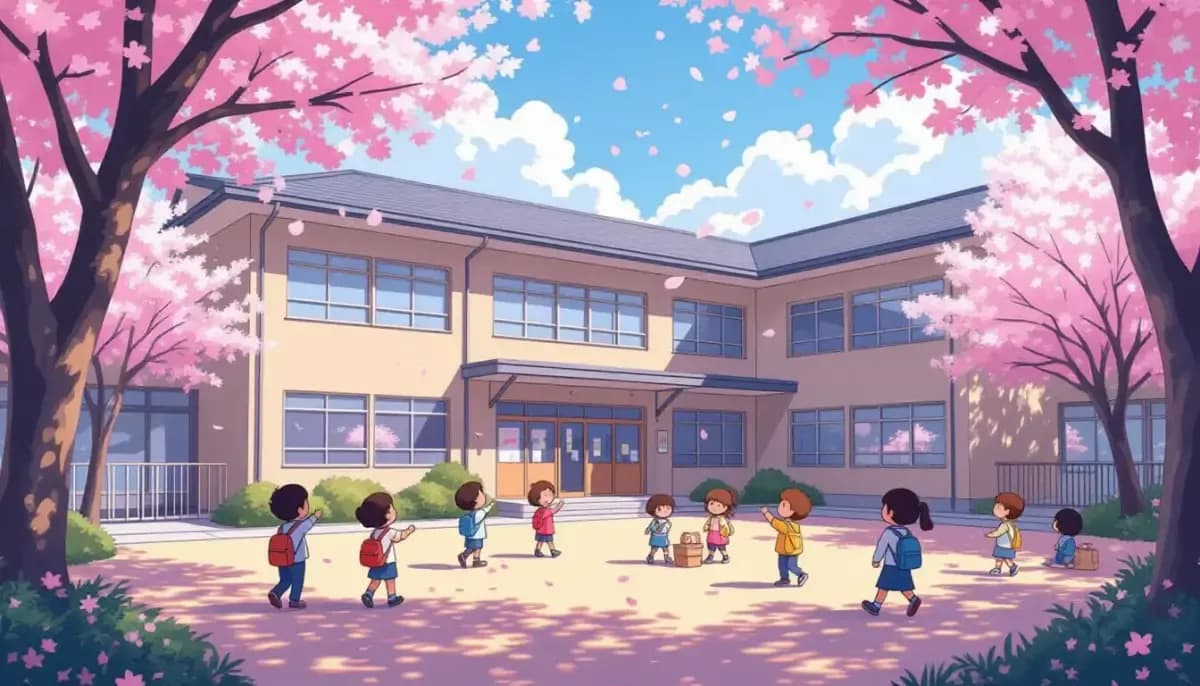
Complete guide to the Japanese yochien (kindergarten) enrollment process and timeline for foreign families. Learn application steps, required documents, costs, and tips for expat parents navigating the system.
Yochien Enrollment Process and Timeline Guide
Enrolling your child in a Japanese yochien (幼稚園) can feel overwhelming, especially if you are navigating the system as a foreign parent. The good news is that the process follows a predictable timeline each year, and with the right preparation, you can secure a spot for your child without unnecessary stress. This guide walks you through every step of the yochien enrollment process, from choosing the right kindergarten to surviving the first day.
What Is Yochien and Who Can Attend?
Yochien are educational kindergartens overseen by the Ministry of Education (MEXT). They accept children aged 3 to 5, specifically those who turn 3 by April 1 of the enrollment year. Most yochien operate from approximately 9:00 AM to 2:00 PM on weekdays, making them ideal for families where one parent is available during the afternoon.
Unlike hoikuen (daycare), yochien does not require parents to be working. The focus is on early childhood education — social skills, music, arts, physical activity, and basic pre-academic preparation for elementary school. According to OECD data, 98% of four- and five-year-olds in Japan are enrolled in some form of early childhood education, placing Japan among the top ten countries globally.
If you need longer hours but still want an educational curriculum, consider a Nintei Kodomo-en (認定こども園), which is a hybrid facility combining yochien-style education with full-day hoikuen hours. You can learn more about all options in our complete kindergarten guide.
The Complete Yochien Enrollment Timeline
The enrollment process follows a consistent annual schedule across Japan. While exact dates vary by municipality and between public and private yochien, the general pattern is remarkably similar.
| Period | Activity | What to Do |
|---|---|---|
| April–June | Research phase | Visit ward offices, collect brochures, ask other parents |
| July–September | Open houses and tours | Attend kengakukai (見学会) at target yochien |
| September–October | Information sessions | Attend setsumei-kai (説明会) for detailed enrollment info |
| October–November | Application distribution | Pick up application forms from yochien or ward office |
| November–December | Application submission | Submit completed forms with required documents |
| December–January | Interviews and selection | Attend mensetsu (面接) or lottery drawing |
| February–March | Results and orientation | Receive acceptance, attend nyuuen setsumei-kai |
| April | School year begins | Entrance ceremony (nyuuen-shiki) and first day |
Start your research early. Popular yochien — especially private ones with strong reputations — fill up quickly. If you are targeting a specific school, begin visiting in the summer before the April you want your child to start.
How to Choose the Right Yochien
Not all yochien are created equal. Public yochien (公立幼稚園) are run by the municipal government and tend to be affordable with smaller class sizes. Private yochien (私立幼稚園) offer more diverse programs but at higher costs. Here are the key factors to evaluate:
Educational philosophy: Some yochien emphasize free play and nature (similar to Montessori approaches), while others focus on structured academics, music, or physical education. Visit open houses to observe the teaching style firsthand.
Location and transportation: Many private yochien offer school bus services (en-bus), which can be a major convenience. Check the bus routes and pickup times. Public yochien typically require parents to walk or cycle with their child.
Language support: If your child does not yet speak Japanese fluently, ask whether the yochien has experience with foreign children. Some larger cities have yochien with bilingual support or teachers accustomed to non-Japanese-speaking families. For strategies on building your child's Japanese skills, see our guide on teaching Japanese to foreign children.
Extended hours (azukari hoiku): Some yochien offer after-school care until 5:00 or 6:00 PM for an additional fee. This can be valuable if you work part-time or have occasional scheduling conflicts.
Parent involvement: Japanese yochien often require significant parent participation — PTA meetings, event preparation, bento-making duties, and seasonal festivals. Ask about expectations during the information session so you know what to expect.
Required Documents for Enrollment
The documents you need differ slightly between public and private yochien, but the core requirements are consistent. Foreign parents should prepare extra copies of everything.
For public yochien:
- Enrollment application form (入園願書) from your ward or city office
- Copy of your child's health insurance card
- Copy of your Residence Card (在留カード) — front and back
- Proof of residence in the ward (住民票)
- Any allergy or medical information forms
For private yochien:
- The school's own application form (often distributed at setsumei-kai)
- Application fee (検定料) — typically ¥3,000 to ¥10,000
- Family photo in some cases
- Copy of Residence Card and passport
- Birth certificate or juminhyo (住民票)
If your Japanese reading ability is limited, ask a Japanese-speaking friend or contact your local international support center for help with the paperwork. Many ward offices also have multilingual consultation windows.
The Interview Process: What to Expect
Most yochien conduct some form of interview (mensetsu) as part of the selection process. For public yochien, this is usually brief and focuses on confirming basic information about your child. For competitive private yochien, the interview can be more involved.
What they typically assess:
- Can your child say their name and age?
- Can they follow simple instructions?
- Do they interact appropriately with other children?
- Are there any developmental concerns or special needs?
Tips for foreign families:
- If your child speaks limited Japanese, mention this beforehand. Most yochien are understanding and experienced with children who are still learning the language.
- Dress neatly but not overly formally. Business casual is appropriate for parents.
- Bring your child's favorite small toy or comfort item in case they become anxious.
- If the yochien uses a lottery system (chuusen), the interview may simply be a formality to confirm enrollment eligibility.
For oversubscribed public yochien, siblings of current students often receive priority. If you have an older child already enrolled, your younger child has a strong advantage.
Understanding Yochien Costs and Subsidies
Since October 2019, the Japanese government's "free early childhood education" policy covers the basic monthly tuition for all children aged 3 to 5 at licensed yochien. This means you will not pay standard tuition fees. However, several additional costs remain your responsibility.
| Cost Item | Approximate Range | Notes |
|---|---|---|
| Enrollment fee (入園料) | ¥30,000–¥150,000 | One-time, private yochien only |
| Uniform and supplies | ¥20,000–¥50,000 | One-time purchase |
| School bus fee | ¥3,000–¥5,000/month | If using en-bus service |
| Lunch fee | ¥3,000–¥6,000/month | For schools providing lunch |
| Extended care (azukari) | ¥5,000–¥15,000/month | If using after-school hours |
| PTA and event fees | ¥5,000–¥10,000/year | Varies by school |
| Materials and supplies | ¥2,000–¥5,000/year | Crayons, notebooks, etc. |
For a detailed breakdown of education costs from kindergarten through university, check out this comprehensive guide on Living in Nihon. You may also want to explore government subsidies available to families in Japan to offset some of these expenses.
Preparing Your Child for the First Day
The transition to yochien is a big change for any child, but especially for those growing up in a bilingual or multicultural household. Here is how to prepare:
Language preparation: Teach your child basic Japanese phrases they will hear daily — greetings (ohayou gozaimasu), requests (toire ni ikitai = I need the bathroom), and responses (hai, wakarimashita = yes, I understand). Even a small vocabulary gives them confidence. Our guide on raising bilingual children in Japan has more detailed strategies.
Practice the routine: In the weeks before school starts, practice waking up early, getting dressed independently, and eating breakfast within a set time. Allow at least two hours for the morning routine initially.
Label everything: Japanese yochien require names on every item — shoes, bags, hats, crayons, clothes, water bottles. Invest in name stamps (onamae stamps) or waterproof name labels, which you can order online or at stores like Nitori and Daiso.
Bento preparation: If your yochien requires packed lunches, start practicing simple bento preparation. Focus on healthy, easy-to-eat foods rather than elaborate Instagram-worthy designs. Rice balls, tamagoyaki (rolled omelet), and cut vegetables are perfectly acceptable.
Emotional readiness: Some separation anxiety is completely normal. Talk positively about yochien, read picture books about kindergarten life, and reassure your child that you will always come back to pick them up.
For more tips on navigating the toddler-to-preschool transition, see our toddler parenting guide.
Common Challenges for Foreign Families
Foreign families often face unique hurdles during the yochien enrollment process. Being aware of them helps you prepare:
Language barrier with paperwork: Yochien paperwork is almost exclusively in Japanese. Use translation apps (DeepL, Google Translate) or ask for help at your ward's international desk. Savvy Tokyo's yochien guide recommends highlighting key details — place, time, cost, and what to bring — on every notice you receive.
Understanding unwritten rules: Japanese kindergartens have many unspoken expectations, from how you fold towels in your child's bag to proper shoe-changing etiquette. Befriend other parents early. Most Japanese mothers are welcoming and happy to explain the details if you ask.
PTA participation: Yochien PTA roles are often assigned by rotation. As a foreign parent, you may feel extra pressure. Start with smaller tasks and gradually take on more as your comfort level grows. The experience is also excellent for building your Japanese social network.
Dietary requirements: If your child has food allergies or follows specific dietary restrictions (halal, vegetarian, etc.), discuss this with the yochien during enrollment. Most schools are accommodating but need advance notice.
For families considering other educational paths, Japan Handbook's guide to daycare and kindergarten provides an excellent comparison of all available options.
Key Resources and Next Steps
Here is a summary of resources to help you through the enrollment process:
- Your local ward office (区役所/市役所): The first stop for public yochien information and application forms
- Expat community groups: Facebook groups and local meetups where experienced parents share advice — see Expat.jp's preschool guide for an overview
- International support centers: Free consultation and translation services available in most major cities
- School calendar reference: Check E-Housing's Japan school year calendar for official start dates and holidays
If your child's enrollment journey eventually leads to entrance exams for competitive schools, Chuukou Benkyou's guide for returnee and foreign students covers the special exam systems available to international families.
The yochien enrollment process may seem complex at first, but thousands of foreign families successfully navigate it every year. Start early, ask questions, and remember that Japanese kindergarten teachers are experienced at helping children — and parents — adjust to this exciting new chapter.

Originally from Vietnam, living in Japan for 16+ years. Graduated from Nagoya University, with 11 years of professional experience at Japanese and international companies. Sharing practical information for foreign parents raising children in Japan.
View Profile →Related Articles
Transitioning from Yochien to Elementary School in Japan
A complete guide for foreign parents on transitioning from yochien to elementary school in Japan. Covers enrollment timelines, language support, costs, and what to expect in Grade 1.
Read more →
Religious Kindergartens in Japan: Buddhist and Christian Options
Discover the differences between Buddhist and Christian kindergartens in Japan. Compare teaching philosophies, curriculum approaches, enrollment processes, and tips for foreign families choosing religious preschools.
Read more →
Bilingual and English Kindergartens in Japan
Discover the best bilingual and English kindergartens in Japan for foreign families. Compare costs, enrollment processes, government subsidies, and top school options across Tokyo and beyond.
Read more →
After-School Care Options at Kindergartens in Japan
Comprehensive guide to after-school care options at kindergartens in Japan for foreign parents, covering azukari hoiku, gakudo programs, costs, enrollment, and tips for working families.
Read more →
Yochien Events and Annual Activities Calendar
Complete month-by-month guide to Japanese kindergarten (yochien) annual events and activities. From undokai sports day to happyokai performances, everything foreign parents need to know.
Read more →
Preparing Your Child for Yochien: Readiness Checklist
Complete yochien readiness checklist for foreign families in Japan. Cover self-care skills, Japanese phrases, supplies, enrollment timeline, and daily routine preparation for kindergarten.
Read more →