
Transitioning from Yochien to Elementary School in Japan

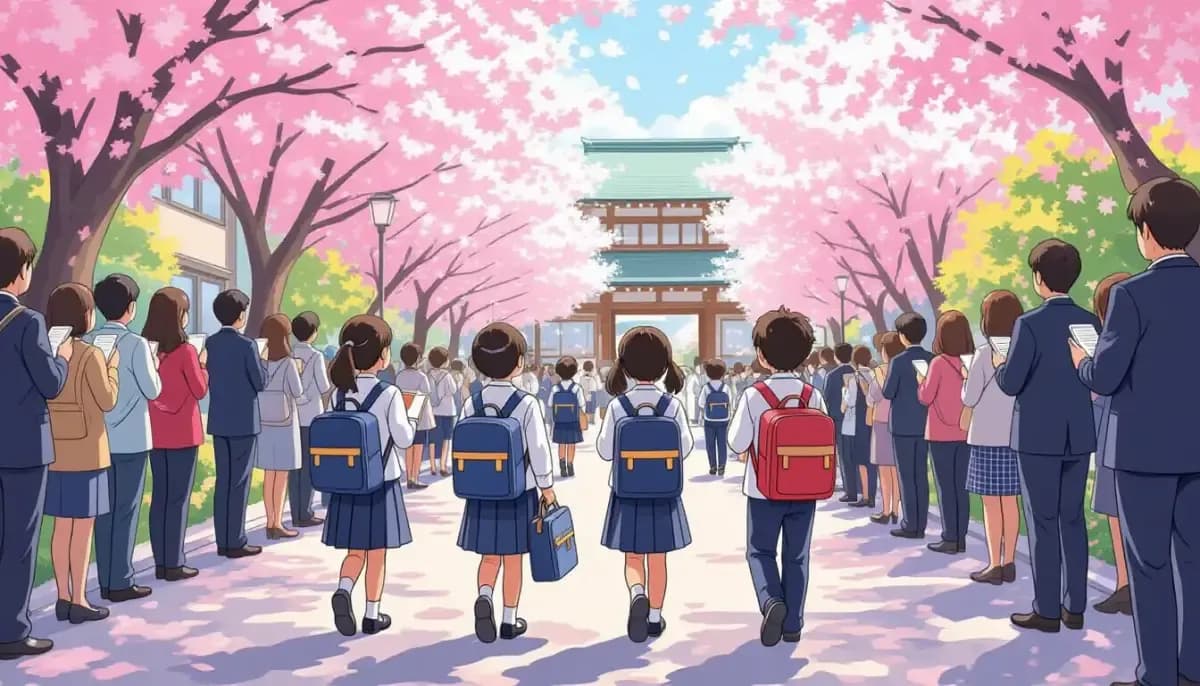
A complete guide for foreign parents on transitioning from yochien to elementary school in Japan. Covers enrollment timelines, language support, costs, and what to expect in Grade 1.
Transitioning from Yochien to Elementary School in Japan: A Complete Guide for Foreign Parents
The day your child moves from the warm, play-filled world of yochien (幼稚園) into the structured environment of Japanese elementary school (小学校, shōgakkō) is a milestone that many foreign parents find both exciting and overwhelming. From paperwork in Japanese to cultural expectations you never anticipated, the transition involves far more than just switching schools. This guide walks you through every step — from enrollment timelines and costs to what your child will experience on their first day and how you can support them through the change.
Understanding the Key Differences Between Yochien and Elementary School
Japanese kindergarten and elementary school operate on very different philosophies, and understanding this shift helps parents prepare their children emotionally and practically.
Yochien focuses almost entirely on play-based learning, social development, and building emotional resilience. Academic content is minimal — less than 5% of classroom time in Japanese preschools is spent on formal academics. Children are encouraged to explore, build friendships, participate in seasonal events, and develop a sense of self within a group.
Elementary school marks a decisive turn toward structure. Children follow a timetable of 45-minute lessons, with subjects including Japanese language (reading and writing hiragana and kanji), math, physical education, arts and crafts, and life science. The day is organized around homeroom periods, short recesses, and lunch.
Several cultural features appear for the first time at elementary school:
- Sōji (掃除): Students clean their own classrooms and shared school spaces every day. This daily cleaning duty is a cornerstone of Japanese education, teaching responsibility and communal care.
- Kyūshoku (給食): School lunch is served in the classroom by student lunch duty monitors. Children eat together, learn manners, and occasionally participate in nutrition education.
- Todan (登団): Children walk to school in neighborhood groups led by the oldest child. Each group follows an assigned route. This system teaches leadership, punctuality, and neighborhood awareness.
For foreign children accustomed to a more relaxed preschool environment, these new expectations can feel significant. Talking with your child in advance about what to expect — especially sōji and walking groups — helps ease the transition.
| Feature | Yochien (Kindergarten) | Elementary School (Shōgakkō) |
|---|---|---|
| Age range | 3–6 years | 6–12 years |
| Daily structure | Play-based, flexible | Timed lessons (45 min each) |
| Academic focus | Minimal (<5%) | Structured curriculum |
| Cleaning duty | None | Daily sōji with students |
| Lunch | Bento box from home (often) | School lunch (kyūshoku) |
| Commute | Parent drop-off | Walking group (todan) |
| Uniform | Smock, often casual | Uniform varies by school |
| School supplies | Teacher-provided | Randoseru, own supplies |
The Enrollment Timeline: What Happens When
The administrative process for elementary school entry begins almost a full year before your child's first day. Japan's school year starts in April, and children who turn 6 by April 1 enter first grade that April. Here is the standard timeline foreign parents should follow:
April–May (Year Before Entry) This is when Japanese families typically begin randoseru (ランドセル) shopping. These structured leather backpacks are deeply tied to Japanese school identity and are often purchased well in advance because popular designs sell out. Budget between ¥30,000 and ¥80,000 for a quality randoseru.
July–August Contact your municipal board of education (教育委員会, kyōiku iinkai) to notify them of your child's enrollment and ask about language support services for non-Japanese speaking children. Start this process early — some municipalities have limited multilingual capacity.
September–October A health screening notice (就学時健康診断通知書) arrives from your city or ward office. You must bring your child to a local school for a vision, hearing, and general health check. This is mandatory and forms part of the official enrollment record.
November–December You will receive a school assignment notification based on your home address (residential zoning, called gakku/学区). If you have not yet registered your home address at the local municipal office (役所, yakusho), do this immediately — your school assignment is tied to your registered address.
January–February The assigned school holds an enrollment explanation meeting (入学説明会, nyūgaku setsumeikai). Attend this even if your Japanese is limited — bring a translator or use a translation app. You will receive the full list of required school supplies, uniform details, and daily schedule.
March Final preparations: label everything your child brings to school, purchase remaining supplies, and if your yochien offers transition sessions (体験入学, taiken nyūgaku), take advantage of them. These trial days at elementary school help children become familiar with the environment before the official start.
April The school year begins with the entrance ceremony (入学式, nyūgaku shiki), typically held in the first week of April. Parents attend in formal attire. Cherry blossoms often frame the occasion, making it one of the most memorable family milestones in Japan.
For more on the broader Japanese education system and how elementary school fits into it, see our guide: The Complete Guide to the Japanese Education System for Foreign Families.
Language Support for Foreign Children
One of the most pressing concerns for foreign parents is how their child will cope linguistically in a Japanese-only classroom. The good news is that Japanese public schools are legally required to accept foreign resident children, and many municipalities offer meaningful support.
Pullout Japanese Language Instruction Most schools with foreign students provide separate Japanese language lessons (日本語指導, nihongo shidō) where children receive individualized or small-group instruction from a specialist teacher. The frequency and quality varies significantly between municipalities and schools.
Mother-Tongue Support Staff In cities and wards with large foreign communities — particularly Tokyo, Osaka, Nagoya, and Hamamatsu — municipal boards of education employ mother-tongue instructors or bilingual support staff for major languages including Portuguese, Chinese, Filipino, Korean, Vietnamese, and English.
Grade Placement Flexibility If your child has no Japanese ability, some schools may offer temporary placement in a lower grade while language skills develop. This is decided on a case-by-case basis and should be discussed with the school's principal and the board of education.
Multilingual Resources The Ministry of Education (MEXT) publishes multilingual guides to elementary school enrollment in over 20 languages. Your municipal board of education can provide these, or you can access them through MEXT's official website.
What You Can Do at Home Research consistently shows that a strong home literacy environment significantly supports children learning to read. Even in Japanese school, your child benefits from reading together in your home language, building vocabulary, and maintaining strong communication at home. See our article on Raising Bilingual Children in Japan: Strategies and Best Practices for research-backed approaches.
For more on foreign-language schooling options if you decide Japanese public school is not the right fit, read our International Schools in Japan: The Definitive Guide for Families.
For additional guidance on navigating daily life in Japan as a foreign resident, Living in Nihon's elementary school guide covers enrollment procedures, costs, and what to expect in Japanese public school.
Preparing Your Child Emotionally and Practically
The shift from yochien to elementary school is not just logistical — it is emotional. Children may feel nervous about a new environment, new classmates, and new expectations. Here are practical strategies to help:
Visit the School in Advance If your child's yochien does not arrange transition visits, contact the elementary school directly and ask whether your child can visit before April. Familiarity with the building, the classroom, and even the route to school makes a significant difference on the first day.
Practice the Walking Route If your child will join a todan (walking group), walk the route together several times before school starts. Identify landmarks, crossing points, and the meeting spot for the group. Practice safe road crossing habits, as elementary-age children are expected to manage independently in the group.
Set Up Morning Routines Early Elementary school typically starts at 8:00–8:15 AM, earlier than many yochien. Begin adjusting sleep and wake schedules at least two weeks before the school year starts.
Label Everything — Twice Japanese schools require name labels (なまえシール, namae shiiru) on every single item your child brings: pencils, erasers, lunch box, gym shoes, ruler, scissors, crayons, even the handkerchief. Purchase iron-on labels, sticker sets, or use a permanent marker. Budget time for this — it takes longer than expected.
Discuss Sōji and Kyūshoku Many children are surprised that they clean their own classroom and that lunch is served in the classroom rather than a cafeteria. Frame these as special Japanese traditions and fun parts of school life, not chores.
Connect with Other Foreign Parents Your yochien likely has other families making the same transition. Connecting with them through parent groups, Facebook communities, or local expat networks means you have people to ask questions and share experiences with. For community support options, see our article on Community and Support Networks for Foreign Families in Japan.
For expat parents navigating both work and the school system, For Work in Japan offers resources for foreign professionals building their lives in Japan.
Costs of Transitioning: What to Budget For
Public elementary school in Japan is tuition-free for all children, including foreign residents. However, the transition involves meaningful upfront costs. Here is what to expect:
| Expense | Estimated Cost (¥) | Notes |
|---|---|---|
| Randoseru (school bag) | ¥30,000–¥80,000 | Required; bought before entry |
| Uniform (if required) | ¥10,000–¥20,000 | Varies by school |
| Gym clothes + shoes | ¥5,000–¥8,000 | School-specific colors often required |
| School supplies (pencils, ruler, etc.) | ¥5,000–¥10,000 | Full list given at explanation meeting |
| Indoor shoes (uwabaki) | ¥1,000–¥2,000 | Worn inside the school building |
| Name labels | ¥3,000–¥5,000 | Iron-on or sticker sets |
| Lunch box set | ¥3,000–¥5,000 | If school has bento days |
| Total preparation costs | ¥57,000–¥130,000 | Varies significantly |
Ongoing annual costs for public elementary school typically total around ¥350,000, including school lunch fees (approximately ¥4,500/month), extracurricular activities, school trip contributions, and materials.
Financial Assistance If your household income is limited, apply for the enrollment support system (就学援助制度, shūgaku enjo seido). This program, available to Japanese and foreign resident families alike, can cover school lunch fees, supplies, transportation, and medical costs. Apply through your municipal board of education. For a broader overview of available financial support, see our guide on Government Benefits and Subsidies for Families in Japan.
For an overview of how to plan your family's finances while raising children in Japan, see Financial Planning for Expat Families Raising Children in Japan.
You can also find resources on navigating study support and educational systems at Chuukou Benkyou, which covers Japanese school preparation content.
What to Expect in Grade 1: Academic and Social Life
Grade 1 (一年生, ichinensei) is a year of firsts. Here is what your child's daily life will look like:
Academic Content The Grade 1 curriculum covers hiragana and katakana writing, basic kanji (about 80 characters in the first year), addition and subtraction up to 100, basic measurement concepts, and introductory life science (seasons, plants, animals). For foreign children still acquiring Japanese, progress may be slower initially, but most children develop conversational fluency within 1–2 years of immersion.
Social Dynamics Japanese classrooms emphasize group harmony, cooperation, and collective responsibility. Children learn to wait their turn, speak in organized ways, and participate in group decision-making. This culture can feel different to children from more individualistic backgrounds, but it is also a source of deep belonging for many children over time.
PTA Participation Japanese elementary schools rely heavily on parent volunteers through the PTA (保護者会, hogoshakai). Attendance at PTA meetings, class observation days (授業参観, jugyō sankan), and school events (sports day, cultural festival) is expected. As a foreign parent, you are not exempt — and participating, even with limited Japanese, is one of the most effective ways to build relationships with other families and understand your child's school environment.
Key School Events
- Undōkai (運動会): School sports day, usually in May or October. Children train for weeks.
- Gakugeikai (学芸会): Cultural festival with performances and exhibitions.
- Shusshoku-shiki (修学旅行): School trip, usually begins in Grade 5 or 6.
- Sotsugyōshiki (卒業式): Graduation ceremony at the end of Grade 6.
Understanding what your child experiences socially in Japanese school — including how to navigate bullying if it arises — is covered in our dedicated guide: Bullying (Ijime) in Japanese Schools: Prevention and Response Guide.
Frequently Asked Questions
Can my child attend public elementary school if they don't speak Japanese? Yes. Japanese public schools accept all foreign resident children regardless of language ability. Language support varies by municipality but is legally available. Contact your local board of education before enrollment.
Does my child need to be a Japanese citizen to attend public school? No. Any child holding a valid residence status and registered address in Japan is eligible to attend the local public school at no cost.
What if the assigned school is far away or not a good fit? You can request a transfer to another school (区域外就学, kuikigatagaku) based on special circumstances. This requires approval from both the home and receiving schools and the board of education.
What should I do if my child is struggling socially or academically? Speak with the homeroom teacher (担任の先生, tantō no sensei) first. Most elementary schools have a school counselor (スクールカウンセラー, sukūru kaunsera) available on set days. For mental health support resources for foreign children, see our article on Mental Health and Emotional Wellbeing for Foreign Children in Japan.
Is there support for children with learning differences or special needs? Yes. Japan has a tiered support system ranging from additional in-class support to specialist classes (通級指導教室, tsūkyū shidō kyōshitsu) to special needs schools. See our guide on Special Needs Education and Support for Children in Japan for a full overview.
The transition from yochien to shōgakkō is a significant step for both children and parents. With preparation, language support in place, and an understanding of what to expect culturally, your child can navigate this milestone with confidence — and often thrive in ways that surprise you.
For more on your child's complete educational journey in Japan, start with our comprehensive Elementary School in Japan: A Complete Guide for Foreign Parents and the broader Kindergarten in Japan (Yochien) guide.
Additional reading on expat family experiences with Japanese kindergarten and school transitions is available at Savvy Tokyo's guide to surviving yochien and the Japan Handbook's expat family education overview.

Originally from Vietnam, living in Japan for 16+ years. Graduated from Nagoya University, with 11 years of professional experience at Japanese and international companies. Sharing practical information for foreign parents raising children in Japan.
View Profile →Related Articles
Religious Kindergartens in Japan: Buddhist and Christian Options
Discover the differences between Buddhist and Christian kindergartens in Japan. Compare teaching philosophies, curriculum approaches, enrollment processes, and tips for foreign families choosing religious preschools.
Read more →
Bilingual and English Kindergartens in Japan
Discover the best bilingual and English kindergartens in Japan for foreign families. Compare costs, enrollment processes, government subsidies, and top school options across Tokyo and beyond.
Read more →
After-School Care Options at Kindergartens in Japan
Comprehensive guide to after-school care options at kindergartens in Japan for foreign parents, covering azukari hoiku, gakudo programs, costs, enrollment, and tips for working families.
Read more →
Yochien Events and Annual Activities Calendar
Complete month-by-month guide to Japanese kindergarten (yochien) annual events and activities. From undokai sports day to happyokai performances, everything foreign parents need to know.
Read more →
Preparing Your Child for Yochien: Readiness Checklist
Complete yochien readiness checklist for foreign families in Japan. Cover self-care skills, Japanese phrases, supplies, enrollment timeline, and daily routine preparation for kindergarten.
Read more →
Kindergarten Bus Service in Japan: How It Works
Learn how kindergarten bus service works in Japan, including costs (around ¥4,000/month), safety features, character-themed designs, signup process, and tips for foreign families with young children.
Read more →