Kindergarten in Japan (Yochien): Everything Foreign Parents Need to Know
Complete guide to Japanese kindergarten (yochien) for foreign parents. Covers enrollment, costs, daily schedule, yochien vs hoikuen, documents needed, and practical tips for expat families in Japan.
13 articles
Kindergarten in Japan (Yochien): Everything Foreign Parents Need to Know
Moving to Japan with young children brings a whirlwind of questions, and choosing the right early education path is one of the biggest. Japanese kindergartens, known as yochien (幼稚園), offer a structured, education-focused environment for children aged 3 to 5. For foreign parents navigating unfamiliar enrollment processes, language barriers, and cultural expectations, this guide breaks down everything you need to know about yochien in Japan.
Whether you are deciding between yochien and hoikuen, preparing your child for their first day, or wondering how much it will cost, this article covers it all. For a broader overview of how schooling works in Japan, see our complete guide to the Japanese education system.
What Is Yochien? Understanding the Japanese Kindergarten System
Yochien is a kindergarten program overseen by the Ministry of Education, Culture, Sports, Science and Technology (MEXT). Unlike hoikuen (daycare/nursery schools), which fall under the Ministry of Health, Labour and Welfare, yochien is classified as an educational institution rather than a childcare facility.
This distinction matters because yochien focuses on preparing children for elementary school through structured learning, social development, and group activities. About 98% of Japanese four- and five-year-olds are enrolled in some form of early childhood education, making preschool attendance nearly universal in Japan.
Key characteristics of yochien include:
Ages served: Children who turn 3 by April 1 of the enrollment year through age 5
Hours: Typically 8:30 AM to 2:00 PM (approximately 4 hours of instruction)
School year: April through March, following the standard Japanese academic calendar
Governance: Regulated by MEXT with a nationally standardized curriculum framework
Around 60% of kindergartens in Japan are privately operated, while the rest are public municipal facilities. Both follow the same basic curriculum guidelines, though private yochien often add extras like English lessons, music programs, or sports activities.
Yochien vs. Hoikuen: Which Is Right for Your Family?
One of the first decisions foreign parents face is choosing between yochien and hoikuen (daycare). The two serve different purposes and have different eligibility requirements.
Feature
Yochien (幼稚園)
Hoikuen (保育園)
Ministry
MEXT (Education)
MHLW (Health/Welfare)
Ages
3–5 years
0–5 years
Hours
~8:30 AM – 2:00 PM
~7:30 AM – 6:30 PM
Eligibility
Any family
Parents must be working/studying
Focus
Education and school readiness
Childcare with developmental support
Application
Apply directly to school
Apply through municipal ward office
Extended care
Some offer it (extra fee)
Standard full-day care
Vacations
Summer, winter, spring breaks
Minimal closures year-round
If one parent stays home or works part-time, yochien is usually the natural choice since hoikuen requires proof that both parents work or study. If both parents work full-time, hoikuen or a newer kodomoen (certified center combining both) may be a better fit.
A third option, the nintei kodomoen (認定こども園), merges elements of yochien and hoikuen under a single facility. These integrated centers accept children regardless of parents' work status and offer both educational programming and extended childcare hours. For more about family life as a foreigner in Japan, check out this helpful resource.
How to Enroll Your Child in Yochien
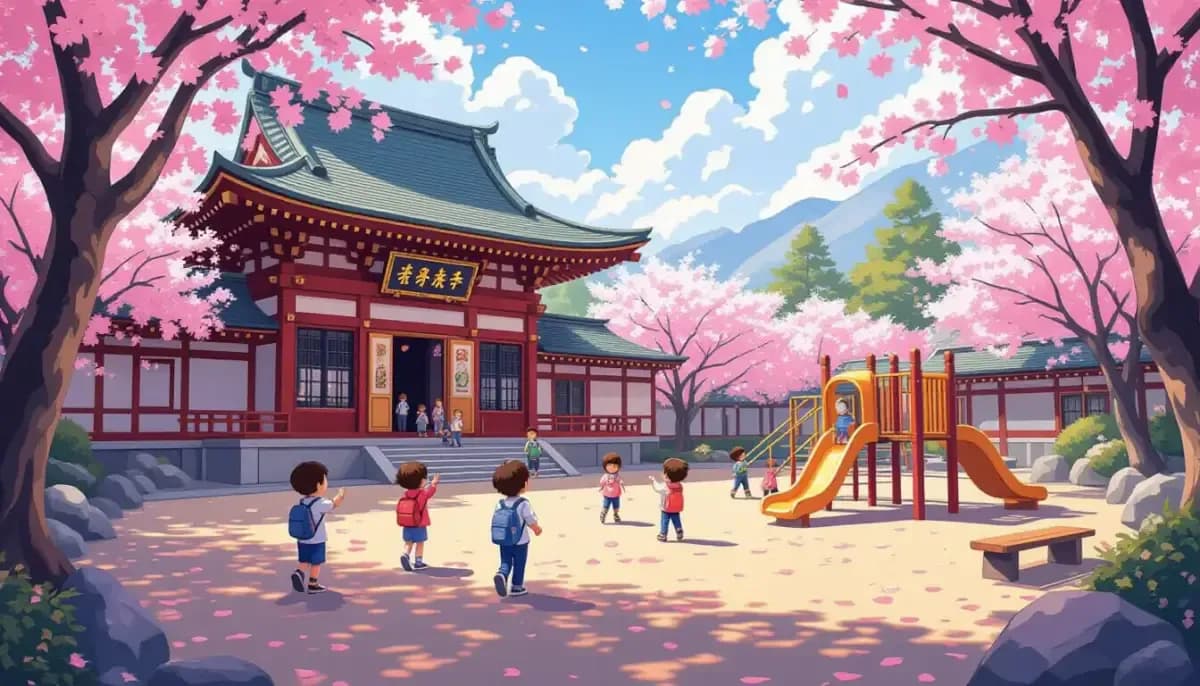
The enrollment timeline and process differ between public and private kindergartens, but both follow a general pattern tied to the April school year start.
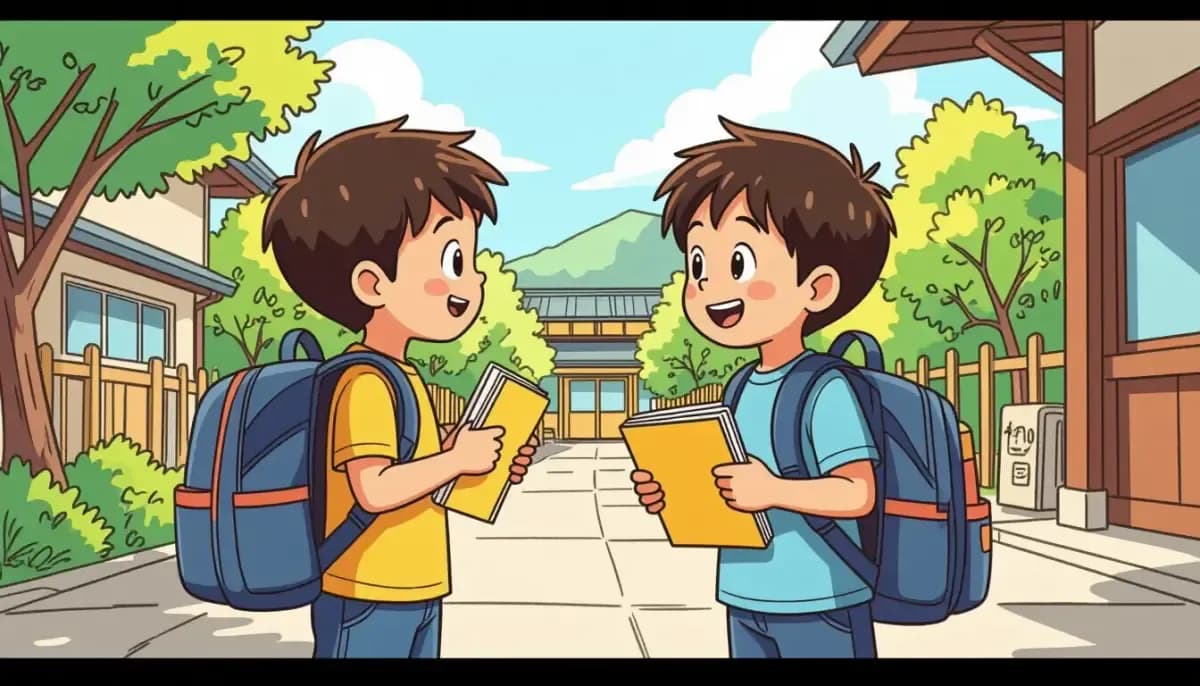
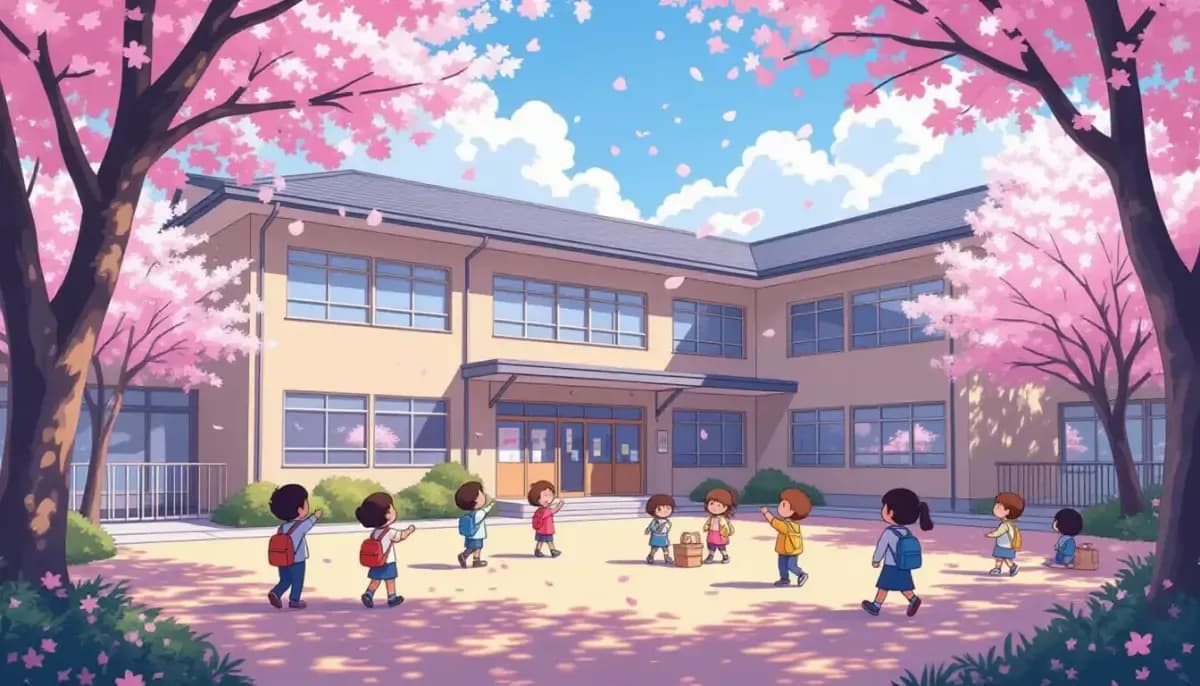
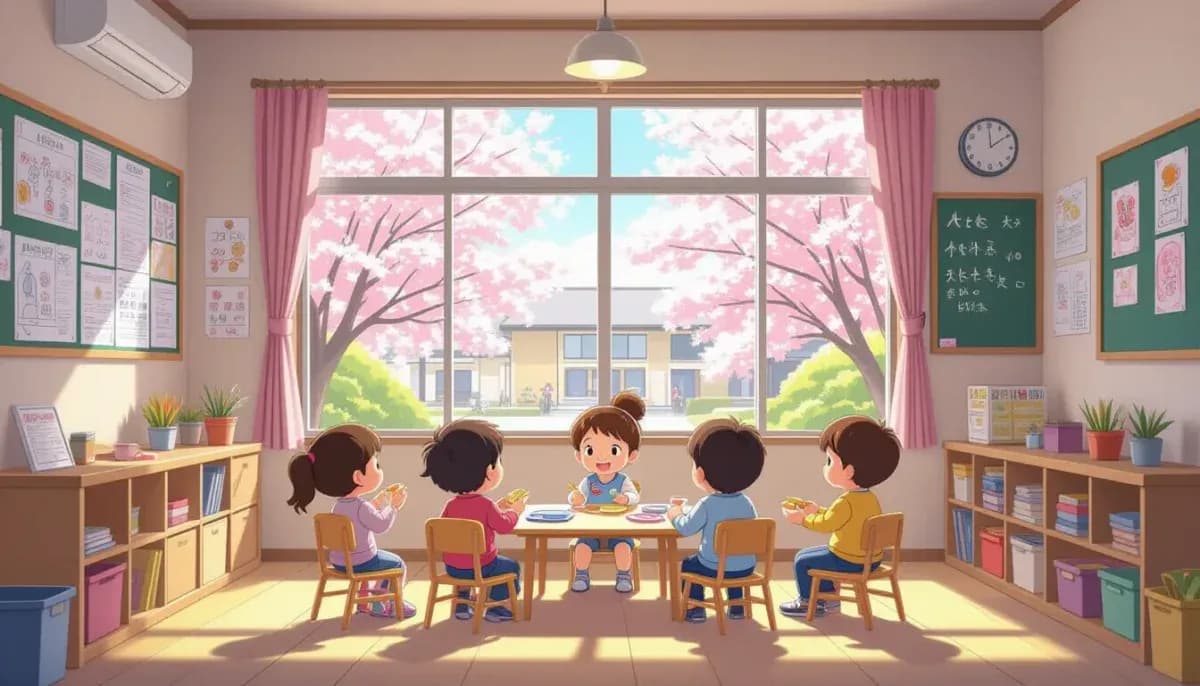
How to Enroll Your Child in Yochien - illustration for Kindergarten in Japan (Yochien): Everything Foreign Parents Need to Know
Enrollment Timeline
June–September: Open houses and school tours (見学会). Visit multiple schools to compare.
October–November: Application submission period. Private yochien accept applications directly; public yochien go through the municipal education board.
November–January: Interviews and entrance examinations (面接). These range from casual conversations to structured assessments depending on the school.
February–March: Acceptance notifications and orientation sessions.
April: First day of school.
Documents Needed for Foreign Families
Foreign parents should prepare the following:
Residence card (在留カード) — front and back copies
Passport copies for parent and child
Health records and vaccination history (母子手帳 if you have one)
Proof of address (住民票)
Application form provided by the school or ward office
Some schools may also ask for a family photo or brief essay about your child. If forms are in Japanese and you need help, tools like DeepL Translate or ChatGPT can assist, and many ward offices have multilingual support staff.
Tips for the Interview
The entrance interview (面接) at yochien is typically relaxed for public schools but can be more formal at popular private institutions. Teachers want to see that your child can:
Respond to simple instructions
Separate from parents without extreme distress
Interact with other children in a basic way
Foreign children who do not yet speak Japanese are generally still accepted. Teachers understand that language develops quickly through immersion. Bringing a brief note explaining your family's language situation can ease communication.
Cost of Kindergarten in Japan
Since October 2019, Japan's free preschool education policy (幼児教育無償化) covers basic tuition fees for all children aged 3 to 5 at licensed yochien. However, "free" does not mean zero cost. Several additional expenses remain:
Expense
Approximate Cost
Tuition
Free (covered by government subsidy)
Entrance fee (入園料)
¥30,000–¥150,000 (one-time, private only)
Uniform and supplies
¥20,000–¥50,000
School lunch fees
¥3,000–¥5,000/month
Bus transportation
¥3,000–¥5,000/month
PTA fees
¥500–¥1,000/month
Event and materials fees
¥1,000–¥3,000/month
Extended care (預かり保育)
¥500–¥1,000/day
For private yochien not covered under the new support system, the monthly subsidy cap is ¥25,700. Public kindergartens tend to have lower additional fees overall. Planning for these education costs early is wise — this guide on education fund planning offers practical saving strategies for families in Japan.
What Your Child Will Learn: Daily Life at Yochien
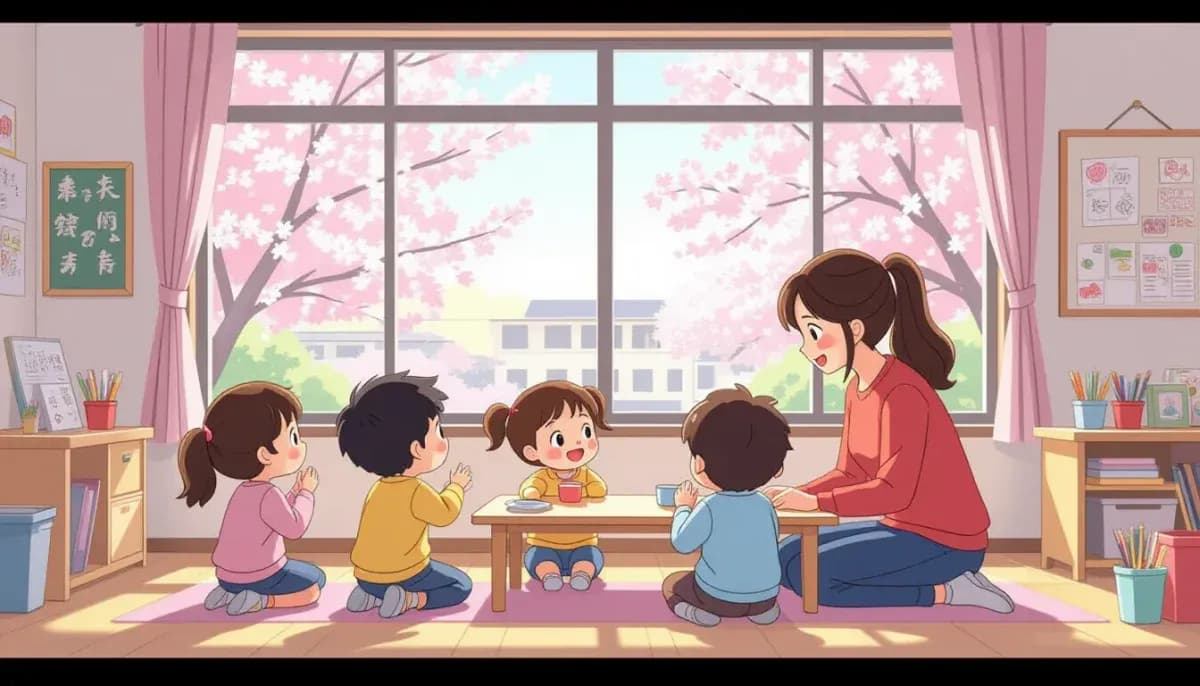
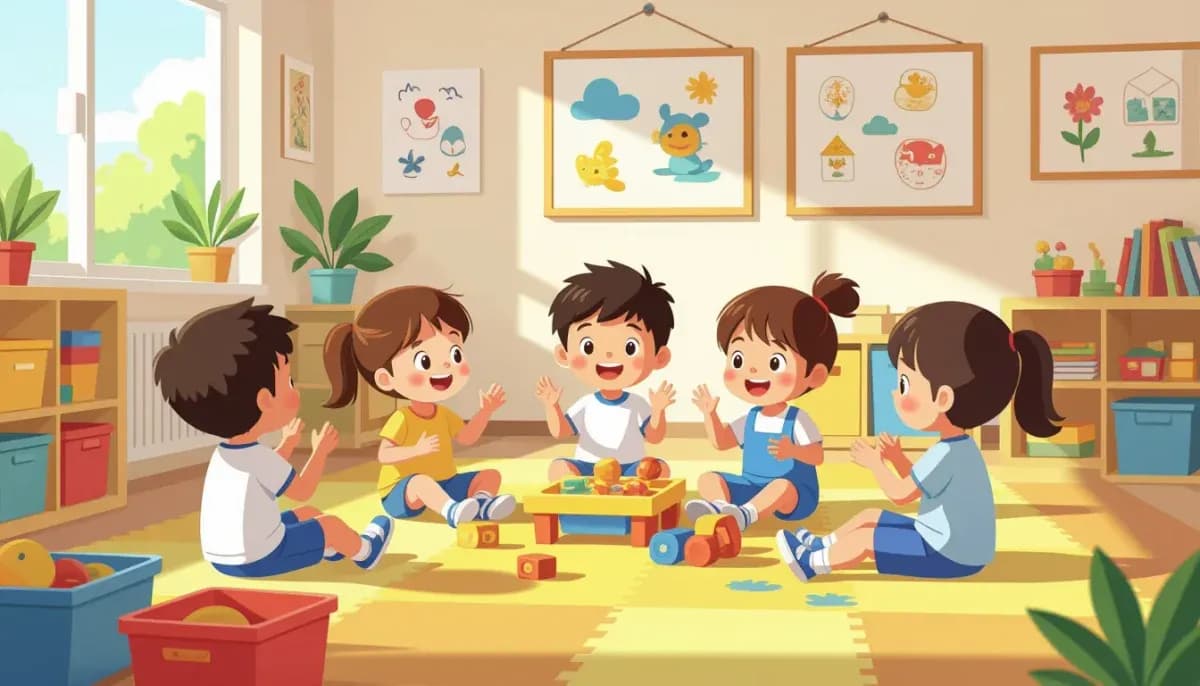
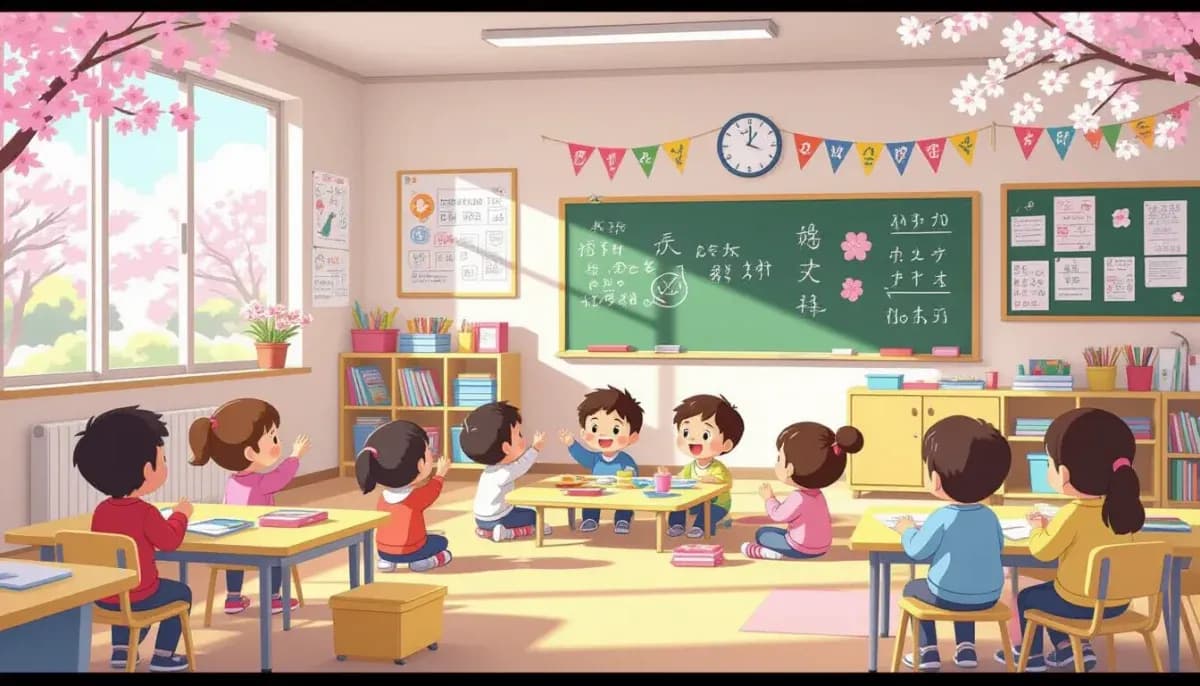
A typical day at yochien looks quite different from Western kindergartens. Japanese preschool education emphasizes whole-person development — social skills, emotional growth, and physical activity take priority over academic drilling. Less than 5% of class time in Japanese kindergartens is spent on formal academic instruction.
Sample Daily Schedule
Time
Activity
8:30–9:00
Arrival, free play
9:00–9:30
Morning assembly, greetings, attendance
9:30–10:30
Structured activity (crafts, music, nature study)
10:30–11:00
Outdoor play
11:00–12:00
Group activity or circle time
12:00–13:00
Lunch (bento or school lunch)
13:00–13:30
Free play or cleanup
13:30–14:00
Farewell assembly, dismissal
Key Educational Approaches
Japanese kindergartens focus on building shuudanseikatsu (集団生活) — the ability to live and function as part of a group. Children learn to:
Take turns speaking and listening during circle time
Clean up after themselves and help maintain the classroom
Change clothes independently (for PE and outdoor play)
Follow routines and transitions without constant adult direction
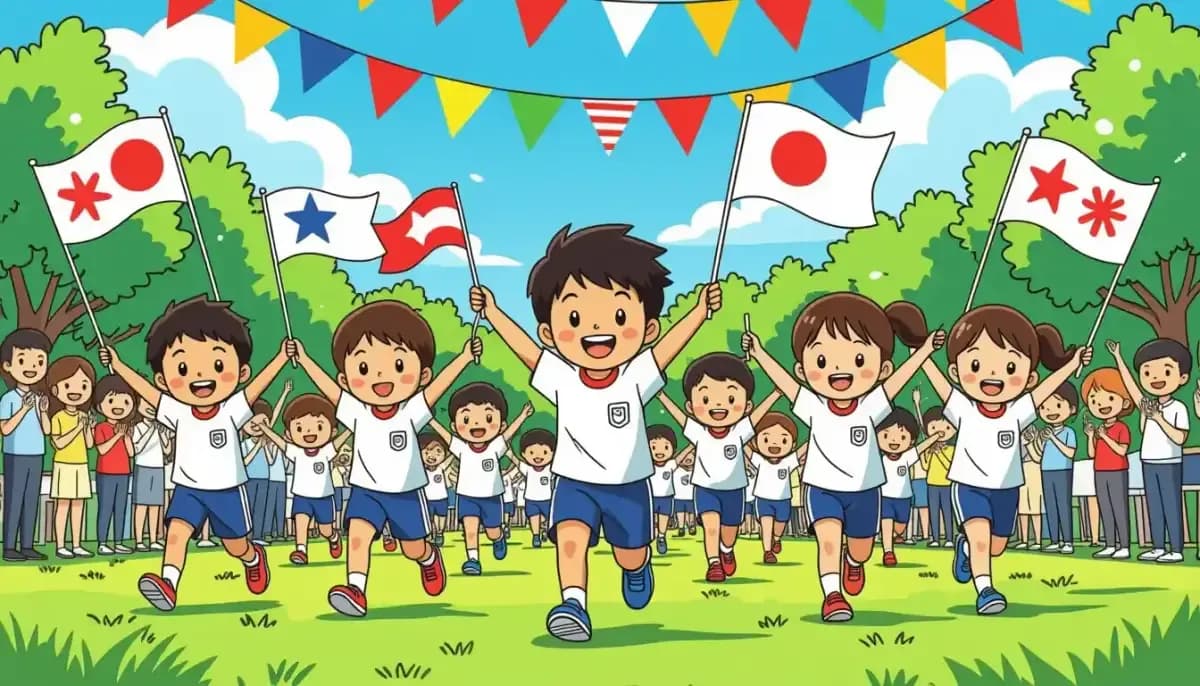
Arts and crafts, music, seasonal events, and outdoor play form the core of the curriculum. Children frequently participate in undokai (sports day), happyokai (recital), and seasonal festivals, which require significant preparation and parent involvement.
Preparing Your Child for Yochien
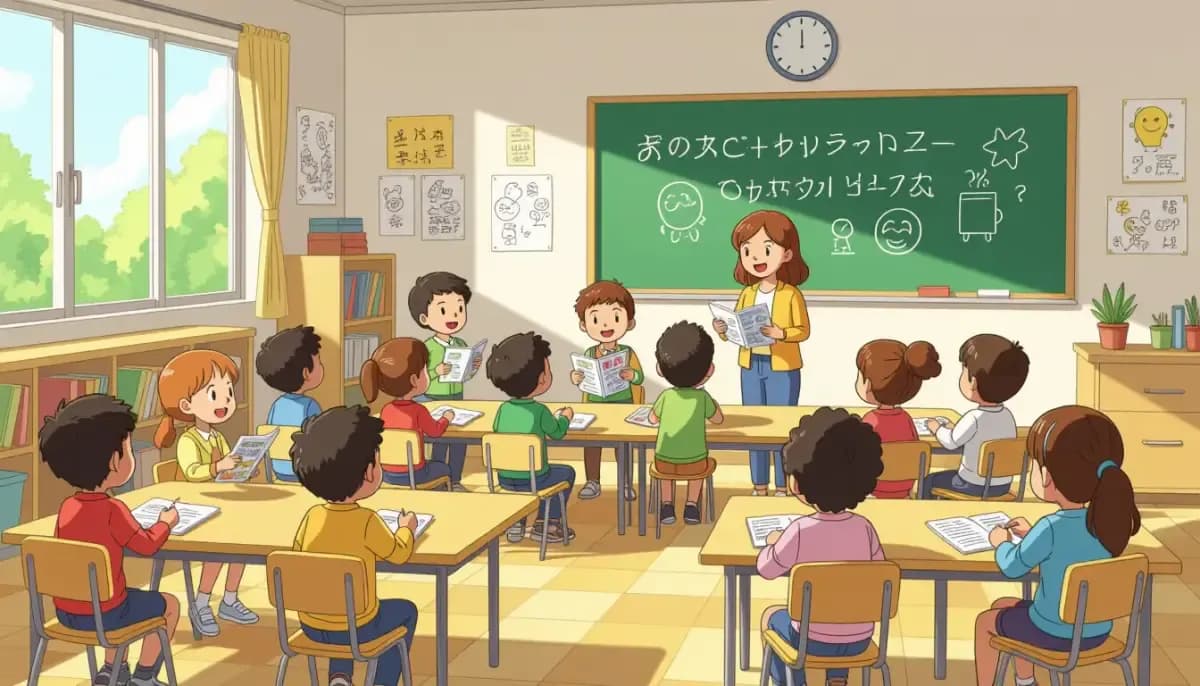
Starting kindergarten in a foreign country can be daunting for both parent and child. Here are practical ways to prepare:
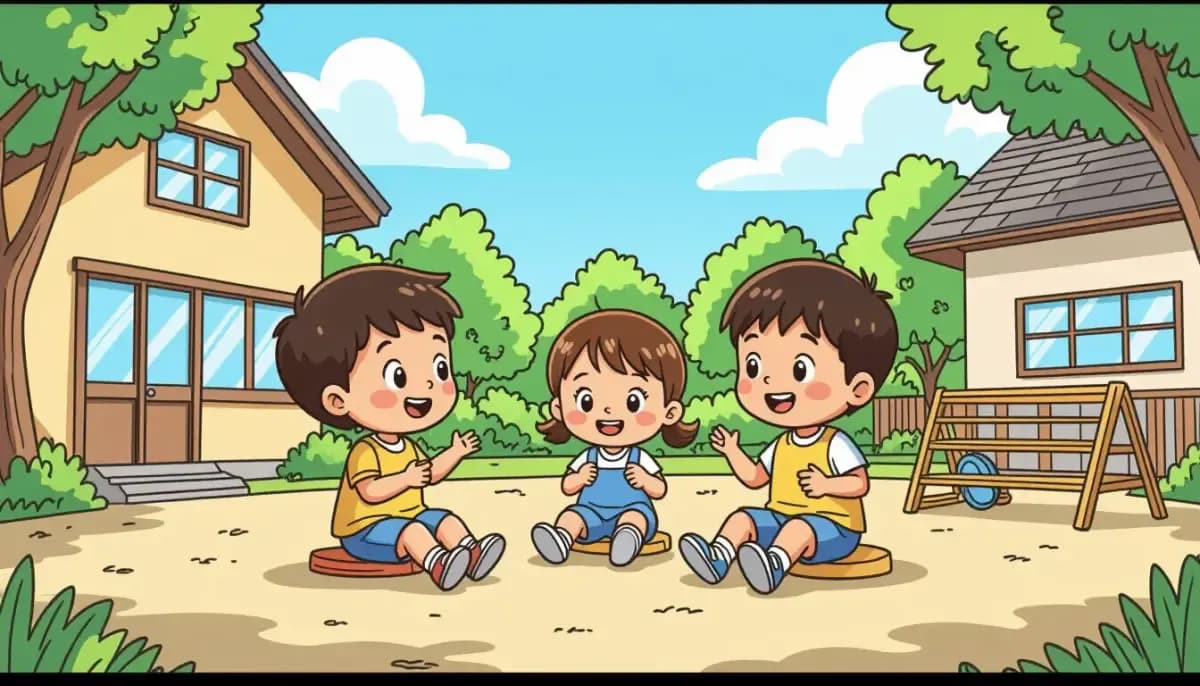
Preparing Your Child for Yochien - illustration for Kindergarten in Japan (Yochien): Everything Foreign Parents Need to Know
Language Preparation
Your child does not need to be fluent in Japanese before starting. However, teaching a few key phrases helps:
トイレに行きたい (Toire ni ikitai) — "I want to go to the toilet"
できる (Dekiru) — "I can do it"
やめて (Yamete) — "Stop"
先生 (Sensei) — "Teacher"
Watching Japanese children's shows like Okaasan to Issho or Shimajiro can help your child get comfortable with Japanese sounds and routines. For more strategies on building language skills, see our guide on teaching Japanese to foreign children.
Practical Preparations
Label everything. Use waterproof name stamps (お名前スタンプ) or iron-on labels from 100-yen shops. Every item — shoes, hat, crayons, chopsticks case — needs your child's name.
Practice independence. Children are expected to change clothes, use the toilet, and eat lunch without adult help. Practice these skills at home.
Prepare easy-to-wear clothing. Choose tops and bottoms your child can put on and remove independently. Avoid complicated buttons or ties.
Get rain gear. A sturdy umbrella, raincoat (that fits over the school bag), and rain boots are essential.
Bento tips. If your school requires homemade lunch, keep it simple: mini onigiri, small sandwiches, cut fruits, and easy-to-eat proteins. Focus on foods your child already enjoys.
Japanese kindergartens expect active parent participation, which can surprise foreign families. Here is what to expect:
The Renrakucho (連絡帳)
The contact notebook is the primary communication channel between parents and teachers. You write daily notes about your child's health, mood, or concerns, and the teacher responds with observations from the school day. If writing in Japanese is difficult, short entries are acceptable, and some parents use translation apps to compose their messages.
PTA and Volunteer Duties
Most yochien have an active PTA (Parent-Teacher Association), and participation is expected. Duties rotate among parents and may include:
Organizing school events and festivals
Supervising field trips
Cleaning school facilities
Serving on committees
For foreign parents, PTA involvement can feel overwhelming but is also an excellent way to build relationships with other families. Do not hesitate to ask the class representative (クラス委員) for help understanding announcements.
Events Calendar
Yochien schedules are packed with events. Mark your calendar for:
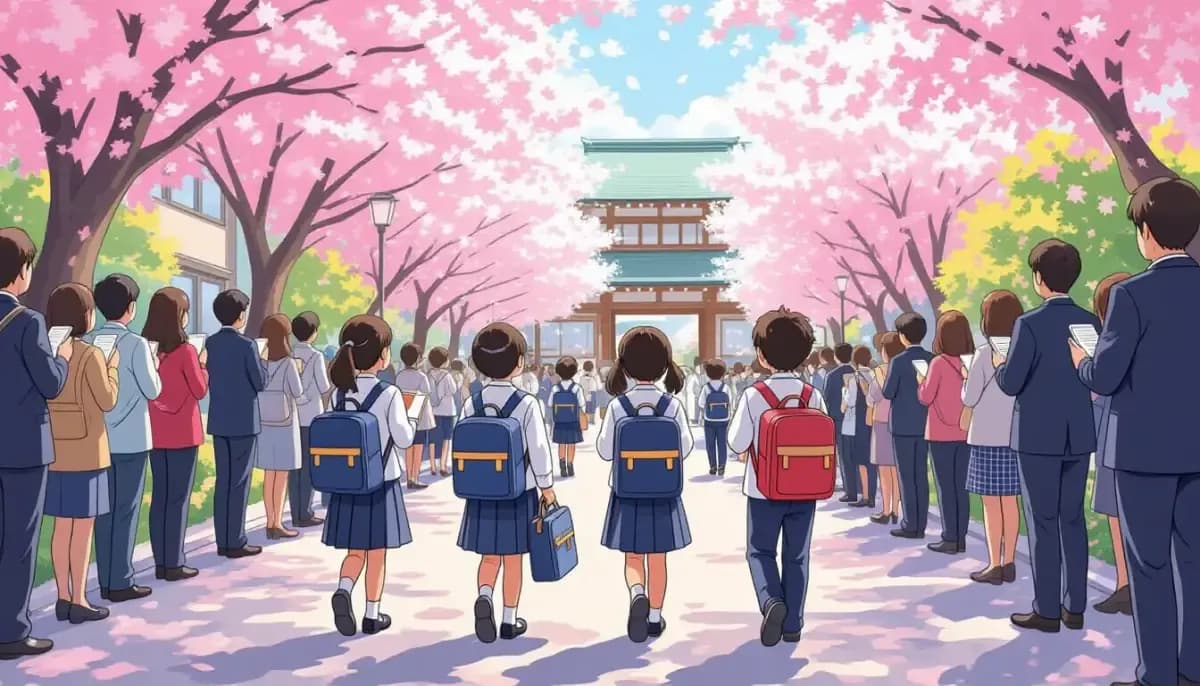
入園式 (Entrance ceremony) — April
遠足 (Field trips) — Throughout the year
運動会 (Sports day) — Usually October
発表会 (Recital/performance) — December or February
卒園式 (Graduation ceremony) — March
Each event typically requires specific preparations — costumes, bento boxes, or supplies — communicated through printed handouts (おたより). Keeping an organized folder for school documents is highly recommended.
Challenges Foreign Families May Face
Language Barriers
All communication from the school — newsletters, schedules, emergency notices — will be in Japanese. Solutions include:
Using translation apps (DeepL, Google Translate) to photograph and translate documents
Asking a Japanese-speaking friend or neighbor for help with important notices
Requesting the school to communicate via LINE (many already do), which makes translation easier
Cultural Differences
Japanese kindergarten culture values conformity and group harmony. Your child will be expected to follow the same rules and routines as everyone else. Things that may feel unfamiliar include:
Strict uniform and appearance guidelines (no accessories, specific hairstyles)
Emphasis on sitting still and listening during group activities
Expectations around seasonal clothing changes (switching to summer/winter uniforms on set dates regardless of actual weather)
Social Integration
Foreign children may initially struggle to make friends due to language differences. However, young children are remarkably adaptable, and most foreign kids integrate within a few months. Playdates outside school and participation in school events accelerate this process. For more on supporting your child's adjustment, read about raising bilingual children in Japan.
Choosing the Right Yochien
When comparing kindergartens, consider these factors:
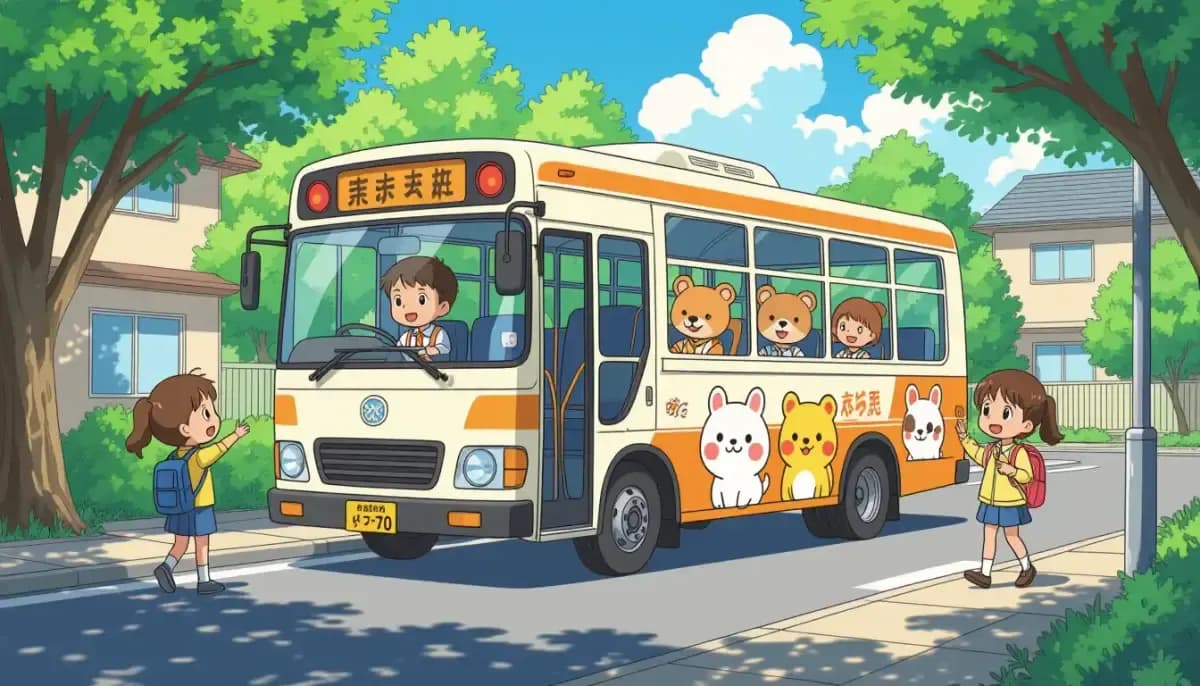
Location and commute: Is the school within walking distance, or does it offer a school bus?
Teaching philosophy: Some schools are play-based (自由保育), others more structured (一斉保育). Visit open houses to see the approach firsthand.
Extended care availability: If you work part-time, does the school offer azukari hoiku (預かり保育) until 5 or 6 PM?
Class size: The national average is about 24 students per class. Smaller classes mean more individual attention.
Reputation and reviews: Ask other parents in your area. Word of mouth (口コミ) is the most trusted source of information in Japan.
Special programs: Some yochien offer English classes, swimming, gymnastics, or music instruction as part of their curriculum.
Yochien prepares children for entry into elementary school at age 6. The transition is generally smooth since yochien instills the routines, social skills, and independence that Japanese elementary schools expect from day one.
If you are thinking ahead about your child's educational path, understanding the middle school entrance exam system can help you plan early. Many families begin considering whether to pursue public or private education tracks well before elementary school ends.
Kindergarten in Japan offers foreign children an incredible opportunity to develop social skills, independence, and Japanese language ability in a supportive and structured environment. While the enrollment process, cultural expectations, and language barriers may feel challenging at first, thousands of foreign families successfully navigate yochien every year.
Start by visiting schools during open house season, prepare your documents early, and remember that teachers are generally supportive and patient with international families. Your child's yochien years will be some of the most formative — and memorable — of their early education journey in Japan.