
What Children Learn at Kindergarten in Japan: Curriculum Guide

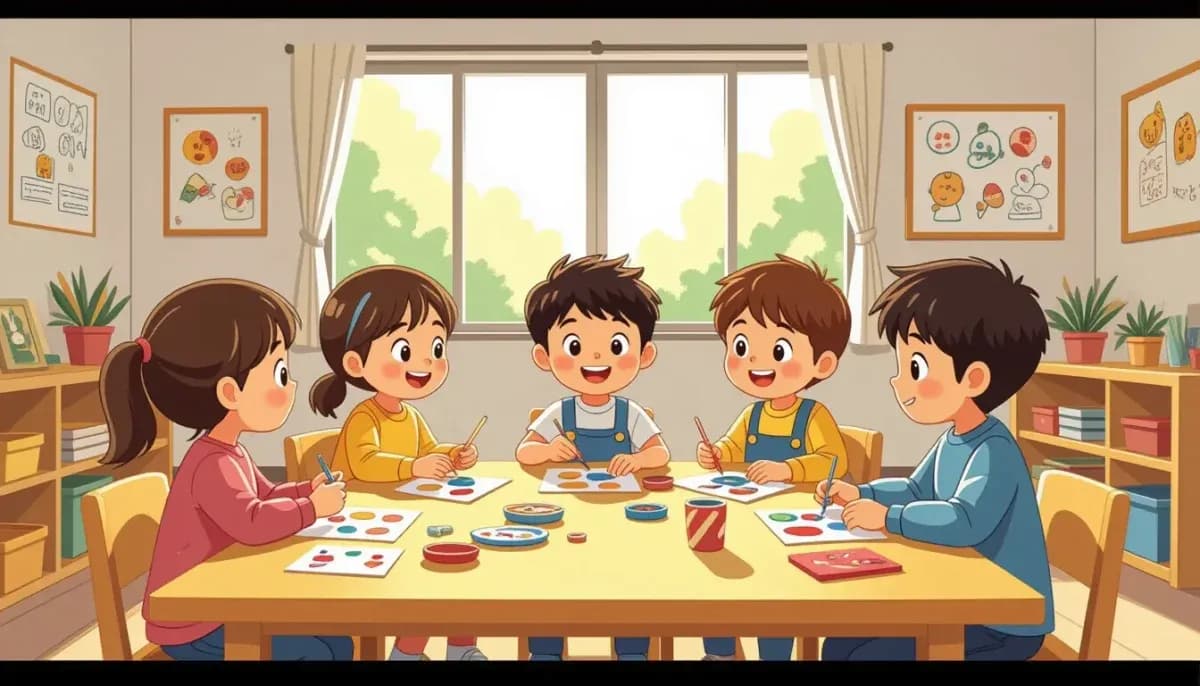
Discover what children learn at kindergarten in Japan, from the play-based curriculum to social skills development. A complete guide for foreign parents navigating yochien education.
What Children Learn at Kindergarten in Japan: Curriculum Guide
If you are a foreign parent considering kindergarten in Japan for your child, you might be surprised by just how different the approach is compared to Western countries. Japanese kindergartens, known as yochien (幼稚園), emphasize social skills, emotional growth, and hands-on learning through play rather than formal academic instruction. This comprehensive guide explains what your child will actually learn, how daily life is structured, and what makes the Japanese kindergarten curriculum unique.
Whether you are already settled in Japan or planning to move with your family, understanding the kindergarten curriculum helps you make informed decisions about your child's early education. For a broader overview of the education system, see our complete guide to the Japanese education system.
Understanding the Japanese Kindergarten System
Japan offers three main types of early childhood education facilities for children aged 3 to 5:
- Yochien (幼稚園) — Kindergartens focused on education, operating shorter hours (typically 9 AM to 2 PM)
- Hoikuen (保育園) — Daycare centers with longer hours for working parents, accepting children from infancy
- Nintei Kodomoen (認定こども園) — Certified centers combining features of both yochien and hoikuen
Yochien falls under the Ministry of Education (MEXT) and follows the National Curriculum Standard for Kindergartens. This means the curriculum is standardized across Japan, though individual kindergartens have flexibility in how they implement it. For more details on the daycare option, check our guide to daycare and hoikuen.
An astounding 98% of four- and five-year-olds in Japan are enrolled in some form of early childhood education, placing Japan among the top OECD countries for preschool enrollment. Since 2019, kindergarten tuition has been free for children aged 3 to 5, making it accessible to virtually all families including foreign residents.
The Five Areas of the Kindergarten Curriculum
The Japanese kindergarten curriculum is built around five core developmental areas defined by MEXT. Rather than separate "subjects," these areas are woven into daily activities and play:
| Curriculum Area | Japanese Term | What Children Learn |
|---|---|---|
| Health | 健康 (Kenkou) | Physical fitness, hygiene habits, healthy eating, body awareness |
| Human Relationships | 人間関係 (Ningen Kankei) | Cooperation, empathy, sharing, group rules, conflict resolution |
| Environment | 環境 (Kankyou) | Nature observation, seasonal awareness, curiosity about surroundings |
| Language | 言葉 (Kotoba) | Listening, speaking, storytelling, early literacy through play |
| Expression | 表現 (Hyougen) | Art, music, dance, crafts, creative self-expression |
These five areas work together holistically. For example, a single activity like planting flowers in the school garden touches on health (physical activity), environment (nature), human relationships (working together), language (discussing what they observe), and expression (drawing what they planted). You can learn more about how this foundation prepares children for the next step in our elementary school guide.
Play-Based Learning: The Heart of Japanese Kindergarten
One of the most striking differences between Japanese and Western kindergartens is the emphasis on play-based learning. Less than 5% of class time in Japanese preschools is devoted to formal academic instruction, compared to approximately 30% in American preschools. This is not a lack of rigor — it reflects a deeply intentional educational philosophy.
Japanese educators believe that children aged 3 to 5 learn best through self-directed play and hands-on experiences. Teachers create carefully designed environments and then step back, allowing children to explore, experiment, and discover on their own. The teacher's role is more of a facilitator than a lecturer.
What play-based learning looks like in practice:
- Free play periods lasting up to two hours where children choose their own activities
- Group games that teach cooperation, turn-taking, and rule-following
- Nature exploration such as catching insects, growing vegetables, and observing seasonal changes
- Creative activities including drawing, painting, clay work, and building with blocks
- Dramatic play where children act out stories and real-life scenarios
This approach builds critical thinking, problem-solving abilities, and social intelligence — skills that research shows are more predictive of long-term success than early academic achievement. For strategies on supporting your child's language development alongside kindergarten, see our guide on raising bilingual children in Japan.
Daily Schedule and Routine Activities
A typical day at a Japanese kindergarten follows a structured routine that balances active play, creative work, and group activities. Here is what a standard day looks like:
Morning (9:00–10:00): Children arrive, change into indoor shoes, put away belongings in their designated cubbies, and begin free play. Teachers greet each child individually.
Mid-morning (10:00–11:30): Structured group activities begin. This might include morning assembly with singing, stretching exercises (taiso), and announcements. The class then moves into the day's main activity — art projects, music, nature walks, or cooperative games.
Lunch (11:30–12:30): Children eat together in their classroom. Many kindergartens require obento (お弁当) — homemade lunch boxes prepared by parents. Some offer school lunch (kyushoku). Children serve food, say "itadakimasu" before eating, and clean up after themselves. These routines teach responsibility and independence.
Afternoon (12:30–14:00): More free play or seasonal activities. Children might practice for upcoming school events, do crafts, or play outdoors. The day ends with a group reflection, singing a goodbye song, and preparation for pickup.
Seasonal events are a major part of the kindergarten calendar. Children prepare for and participate in sports days (undoukai), arts festivals (happyokai), summer festivals (natsu matsuri), and graduation ceremonies. These events build community, confidence, and a sense of shared accomplishment. Learn more about navigating school events in our guide on parenting in Japan for toddlers.
Social and Emotional Skills Development
Perhaps the most important aspect of the Japanese kindergarten curriculum is its focus on shakasei (社会性) — social competence. Japanese educators believe that learning to function well within a group is the primary goal of early childhood education.
Children learn to:
- Resolve conflicts independently — Teachers encourage children to talk through disagreements rather than intervening immediately
- Take responsibility — Students rotate as "toban" (当番), daily monitors who lead activities, distribute materials, and care for classroom pets
- Show empathy — Activities are designed to help children understand others' feelings and perspectives
- Follow group norms — Children learn to listen during meetings, wait their turn, and contribute to group decisions
- Care for shared spaces — Everyone participates in cleaning (souji) the classroom and school grounds
The average class size in Japanese kindergartens is about 24 students with a ratio of 16 children per teacher. While this may seem high by Western standards, the emphasis on peer learning and group dynamics means children actively teach and support each other. For more on supporting your child's emotional development, see our article on mental health and wellbeing for foreign children in Japan.
Academic Readiness: What About Reading and Math?
Many foreign parents wonder whether their children will be academically prepared for elementary school after attending a play-focused kindergarten. The answer is yes — but the approach is indirect.
Literacy preparation:
- Children are exposed to hiragana and katakana through songs, picture books, name cards, and environmental print
- Five-year-olds begin recognizing and writing their own names
- Storytelling and read-aloud sessions build vocabulary and comprehension
- No formal reading instruction — children develop pre-literacy skills naturally
Numeracy preparation:
- Counting is practiced through songs, games, and daily routines (counting children present, distributing materials)
- Spatial awareness develops through block building, puzzles, and outdoor play
- Basic concepts of more/less, big/small, and patterns emerge through hands-on activities
Physical development:
- Fine motor skills are strengthened through chopstick use, origami, drawing, and crafts
- Gross motor skills develop through daily outdoor play, gymnastics, and sports day practice
- Many kindergartens include structured physical education activities
By the time children enter first grade, they are expected to sit still, follow instructions, work in groups, and have basic familiarity with hiragana — all skills the kindergarten curriculum builds gradually. For guidance on helping your foreign child learn Japanese, visit our article on teaching Japanese to foreign children.
Tips for Foreign Parents Enrolling Children in Japanese Kindergarten
Navigating kindergarten enrollment as a foreign family comes with unique challenges. Here are practical tips:
- Start early — Most kindergartens hold open days (kengaku) in September and accept applications by November for the following April enrollment
- Language barrier — Even if your child does not speak Japanese, children pick up the language remarkably quickly through immersion and play
- Prepare for obento — If your kindergarten requires homemade lunches, practice making age-appropriate Japanese-style bento boxes
- Attend events — Parent participation is expected at sports days, class observations, and PTA meetings
- Communicate with teachers — Use a translation app or ask for help from bilingual parents; teachers are generally patient and accommodating
- Understand the costs — While tuition is free for ages 3-5, expect additional fees for supplies, uniforms, bus service, and extended care (typically ¥5,000-¥15,000 monthly)
For more on visa considerations when raising children in Japan, see our guide on visa and legal issues for foreign families. You can also find helpful resources about planning education costs for your child's future schooling.
How Japanese Kindergarten Compares to Western Approaches
Understanding the philosophical differences helps foreign parents set appropriate expectations:
| Aspect | Japanese Kindergarten | Western Kindergarten |
|---|---|---|
| Primary focus | Social-emotional development | Academic readiness |
| Academic instruction | Less than 5% of class time | 20-30% of class time |
| Teacher role | Facilitator and observer | Direct instructor |
| Conflict resolution | Child-led with minimal intervention | Teacher-mediated |
| Class size | ~24 students | ~15-20 students |
| Lunch | Homemade bento or school lunch with group rituals | Cafeteria-style |
| Cleaning | Children clean classrooms daily | Janitorial staff |
| Outdoor play | 2+ hours daily, all weather | Weather-dependent, shorter |
| Homework | None | Sometimes worksheets |
Research supports the Japanese approach. Studies show that children who attend play-based programs demonstrate stronger self-regulation, social skills, and long-term academic outcomes compared to those in academically-focused preschools. For families considering alternatives, our international schools guide covers English-medium options.
For additional perspectives on family life and education in Japan, visit the family life guide at For Work in Japan and learn about preparing for entrance exams at Chuukou Benkyou as your child grows older.
Choosing the Right Kindergarten for Your Child
When selecting a kindergarten, consider these factors:
- Public vs. private — Public kindergartens (kouritsu) are less expensive but may have limited spots; private kindergartens (shiritsu) offer more diverse programs but at higher cost
- Educational philosophy — Some kindergartens emphasize nature education, others focus on music or Montessori methods
- Location and transport — Many kindergartens offer school bus service (tsuuen basu)
- Extended care — If you work, check whether the kindergarten offers after-hours care (hoiku jikan no enchō)
- Foreign-friendly environment — Some kindergartens in urban areas have experience with non-Japanese families
Visit multiple kindergartens during their open days, observe classes in action, and ask about their approach to supporting children who do not yet speak Japanese. For a deeper understanding of navigating the kindergarten system specifically, see our comprehensive kindergarten guide for foreign parents.
Conclusion
Japanese kindergarten offers foreign children a unique and enriching educational experience. The curriculum's emphasis on play, social development, and emotional growth creates a strong foundation for lifelong learning. While the approach may seem unfamiliar to parents from countries with more academically-oriented preschools, the results speak for themselves — Japanese children consistently rank among the highest in international assessments of both academic achievement and social skills.
Your child will learn far more than letters and numbers. They will learn how to be a thoughtful member of a community, how to express themselves creatively, and how to approach challenges with resilience and curiosity. These are gifts that serve children well throughout their education and beyond.
For more resources on raising children in Japan, explore our complete guide to the Japanese education system and learn about baby and infant care for younger children. You can also find practical information about childcare options for expat families and detailed research on Japan's education system from the National Center on Education and the Economy.

Originally from Vietnam, living in Japan for 16+ years. Graduated from Nagoya University, with 11 years of professional experience at Japanese and international companies. Sharing practical information for foreign parents raising children in Japan.
View Profile →Related Articles
Transitioning from Yochien to Elementary School in Japan
A complete guide for foreign parents on transitioning from yochien to elementary school in Japan. Covers enrollment timelines, language support, costs, and what to expect in Grade 1.
Read more →
Religious Kindergartens in Japan: Buddhist and Christian Options
Discover the differences between Buddhist and Christian kindergartens in Japan. Compare teaching philosophies, curriculum approaches, enrollment processes, and tips for foreign families choosing religious preschools.
Read more →
Bilingual and English Kindergartens in Japan
Discover the best bilingual and English kindergartens in Japan for foreign families. Compare costs, enrollment processes, government subsidies, and top school options across Tokyo and beyond.
Read more →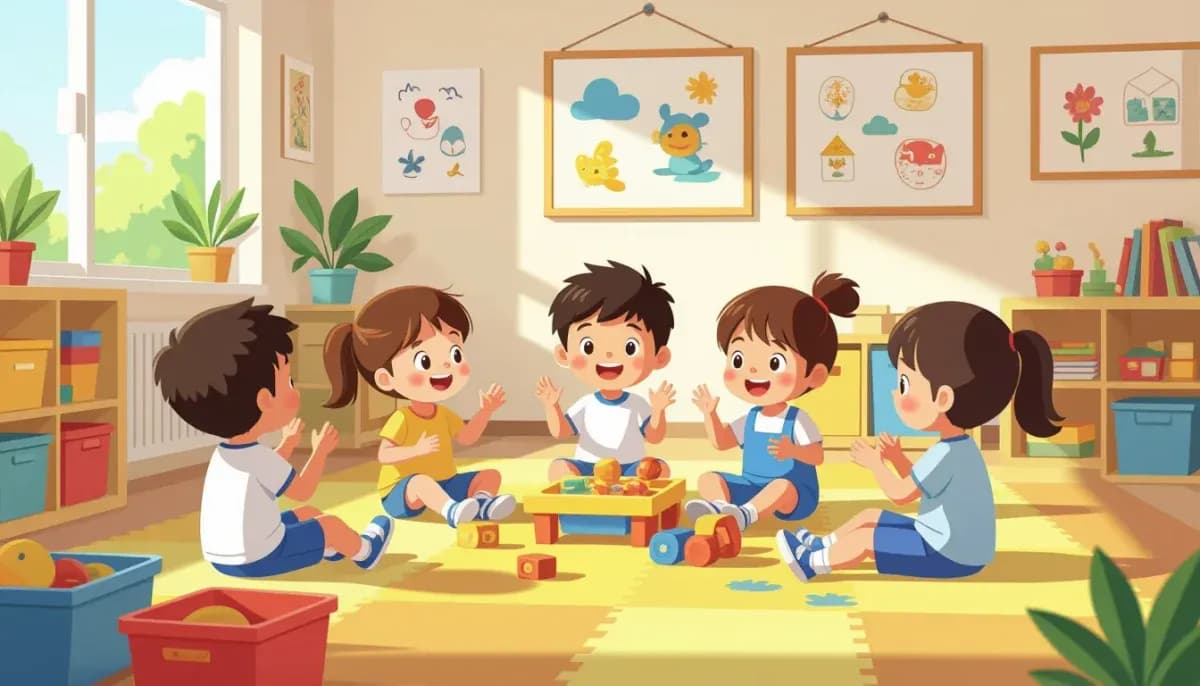
After-School Care Options at Kindergartens in Japan
Comprehensive guide to after-school care options at kindergartens in Japan for foreign parents, covering azukari hoiku, gakudo programs, costs, enrollment, and tips for working families.
Read more →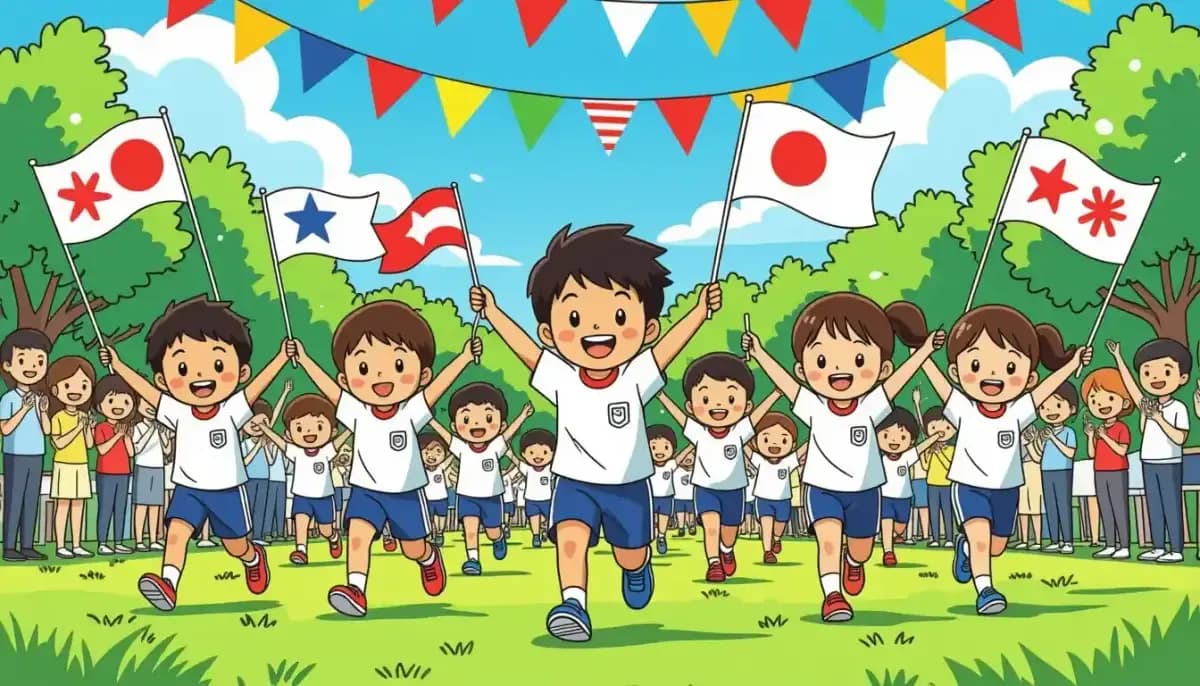
Yochien Events and Annual Activities Calendar
Complete month-by-month guide to Japanese kindergarten (yochien) annual events and activities. From undokai sports day to happyokai performances, everything foreign parents need to know.
Read more →
Preparing Your Child for Yochien: Readiness Checklist
Complete yochien readiness checklist for foreign families in Japan. Cover self-care skills, Japanese phrases, supplies, enrollment timeline, and daily routine preparation for kindergarten.
Read more →