
Preparing Your Child for Yochien: Readiness Checklist

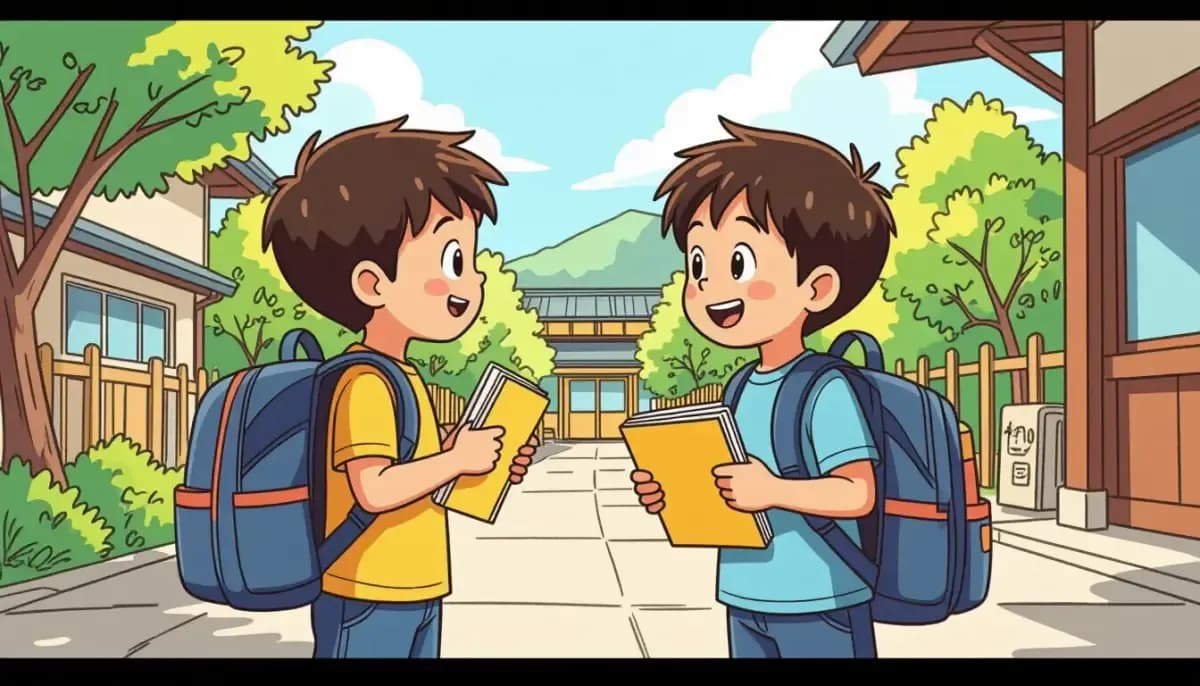
Complete yochien readiness checklist for foreign families in Japan. Cover self-care skills, Japanese phrases, supplies, enrollment timeline, and daily routine preparation for kindergarten.
Preparing Your Child for Yochien: The Complete Readiness Checklist
Starting yochien (幼稚園) is one of the biggest milestones in your child's early years in Japan. For foreign families, the transition comes with unique challenges — from language barriers to unfamiliar daily routines and cultural expectations. Whether your child is entering at age 3 or 4, proper preparation can make the difference between a smooth start and weeks of stressful mornings.
This comprehensive readiness checklist covers every aspect of yochien preparation, from self-care skills and Japanese language basics to the practical items you need to buy and the paperwork you need to complete. If you are still deciding between yochien and hoikuen, check out our complete guide to kindergarten in Japan first.
Understanding Yochien Age Requirements and Enrollment Timeline
Before diving into preparation, it is important to understand when and how enrollment works. Yochien accepts children aged 3 to 5, with most programs running for three years before elementary school. Some kindergartens accept children who have already turned 3 by April 1st of the enrollment year, while others offer pre-kindergarten programs for younger toddlers.
The enrollment timeline typically follows this pattern:
| Timeline | Action |
|---|---|
| June–August | Research yochien options, attend open days (見学会) |
| September–October | Submit application forms (願書) |
| October–November | Entrance interviews and selection |
| November–December | Receive acceptance notification |
| January–March | Orientation meetings, purchase supplies |
| April | First day of yochien |
About 80% of children in Japan attend private yochien, which means enrollment is competitive in popular areas. Start your research early and visit multiple schools. For a broader look at the Japanese education system for foreign families, our pillar guide covers all stages from preschool through high school.
Essential Self-Care Skills Your Child Should Practice
Japanese yochien places heavy emphasis on independence and self-reliance. Unlike Western preschools where teachers assist with many tasks, yochien expects children to manage basic self-care from day one. Less than 5% of class time is devoted to academic instruction — the focus is overwhelmingly on social and emotional development.
Here are the key self-care skills to practice before the first day:
Toilet Training: This is non-negotiable. Most yochien require children to be fully toilet-trained. Schools will not allow children who still wear diapers to participate in summer swimming activities, so aim to complete toilet training well before April.
Dressing and Undressing: Your child will need to change clothes multiple times per day — into play clothes, swimming gear, and back into their uniform. Practice putting on and taking off shirts, pants, socks, and shoes independently. Choose clothing that is easy to manage: joggers, elastic waistbands, and simple t-shirts.
Eating Independently: Bento (box lunches) are a daily requirement at most yochien. Your child should be able to open their lunch box, eat with chopsticks or a spoon, and clean up afterward. Start with mini portions — mini onigiri, mini sandwiches, and small cut fruits — to make the bento manageable.
Washing Hands and Blowing Nose: Proper handwashing technique and being able to blow their own nose are expected skills. Practice these daily at home.
If your child is still developing these skills, our guide on toddler parenting in Japan offers age-appropriate milestones and tips.
Japanese Language Basics Every Child Should Know
One of the biggest concerns for expat parents is language. The good news is that children pick up Japanese remarkably fast through play and daily immersion. However, teaching your child a few essential phrases before starting yochien can significantly reduce anxiety and help them communicate basic needs.
Must-Know Phrases for Yochien:
| Japanese | Romaji | English |
|---|---|---|
| トイレに行きたい | Toire ni ikitai | I want to go to the toilet |
| いたい | Itai | It hurts |
| たすけて | Tasukete | Help! |
| やめて | Yamete | Stop it |
| かして | Kashite | Can I borrow that? |
| いれて | Irete | Can I join in? |
| できる! | Dekiru! | I can do it! |
| いいよ | Ii yo | Sure / OK |
How to Build Language Skills at Home:
- Watch Japanese children's programs like Okaasan to Issho (おかあさんといっしょ) and Inai Inai Baa (いないいないばあっ!)
- Listen to Japanese nursery rhymes (童謡) during car rides or at home
- Read simple Japanese picture books together each night
- Practice greetings: ohayou gozaimasu, sayonara, arigatou
- Play with Japanese-speaking children at local parks and children's centers
For more structured approaches to building your child's language abilities, see our guide on teaching Japanese to foreign children. Families raising children in two languages will also benefit from our article on raising bilingual children in Japan.
Social and Emotional Readiness
With an average classroom size of 23.9 students and a teacher-to-student ratio of about 16:1, your child will need to navigate group situations independently. Japanese yochien strongly emphasizes social harmony, cooperation, and emotional regulation.
Skills to Develop:
- Taking turns and sharing: Practice with siblings, at playgrounds, or during playdates. Japanese kindergarten culture values group cooperation over individual achievement.
- Following group instructions: Play games at home where your child follows simple multi-step directions like "put your shoes on, then line up at the door."
- Managing separation anxiety: If your child has not been away from you regularly, start with short separations — a few hours at a family member's home or a children's center. Develop a consistent goodbye routine that is calm and cheerful.
- Conflict resolution: Teach your child to use words instead of physical reactions. The phrases yamete (stop) and sensei (teacher) are crucial for seeking help.
Expect tears during the first few weeks. This is completely normal, even for Japanese children. Stay positive during drop-off, keep goodbyes short, and resist the urge to linger. For deeper support on this topic, our article on mental health and emotional wellbeing for foreign children in Japan provides comprehensive guidance.
The Complete Yochien Supply Checklist
Japanese yochien requires an extensive list of supplies, many of which must be handmade or specifically sized. Your school will provide a detailed list at the orientation meeting (入園説明会), but here is a general checklist to start preparing:
Clothing and Accessories:
- School uniform (制服) if required — purchased through the school
- Indoor shoes (上履き) and outdoor shoes
- Smock or play clothes (スモック)
- Hat — usually school-specific color
- Rain gear: umbrella, raincoat, rain boots
Bags and Containers:
- School backpack or bag (通園バッグ)
- Shoe bag (上履き入れ)
- Drawstring bags for clothes changes
- Bento box, chopsticks set, water bottle
- Placemat for lunchtime
Labeling Everything: This cannot be overstated — every single item must be labeled with your child's name. Buy name stamps (お名前スタンプ) or waterproof name labels from 100-yen shops, Amazon Japan, or specialty stores. You will need to label crayons individually, each piece of clothing, shoes, bags, and lunch containers.
Handmade Items: Many yochien require handmade bags and covers in specific dimensions. If sewing is not your strength, order custom-made items from Minne, Creema, or local handmade shops. Some yochien also accept store-bought alternatives — ask at orientation.
For help planning the financial side of education in Japan, Living in Nihon's guide to education fund planning covers costs from kindergarten through university.
Daily Routine Preparation
Establishing a yochien-ready daily routine weeks before the first day helps your child adjust naturally. Most yochien operate from around 8:30 AM to 2:00 PM, with some offering extended care (預かり保育) until 5:00 or 6:00 PM.
Sample Morning Routine to Practice:
- Wake up by 6:30–7:00 AM
- Wash face and brush teeth
- Get dressed independently
- Eat breakfast
- Check bag: bento, water bottle, handkerchief, tissues
- Put on shoes and leave by 8:00 AM
Tips for a Smooth Morning:
- Lay out clothes and pack the bag the night before
- Use a visual schedule chart with pictures so your child can follow along
- Allow at least two hours for the morning routine — rushing increases anxiety
- Practice the walk or bus route to school multiple times before the first day
A typical yochien day includes free play in the morning, organized activities like music, crafts, or exercise, lunch, more play, and then pickup. Understanding this rhythm helps your child know what to expect. For Work in Japan's family life guide offers additional insights into daily family routines in Japan.
Navigating Paperwork and Communication
The administrative side of yochien can be overwhelming for foreign parents. Forms, newsletters, and notices come almost entirely in Japanese. Here is how to manage:
Essential Documents:
- Enrollment application (入園願書)
- Health record and vaccination history (母子健康手帳 excerpts)
- Emergency contact forms
- Allergy and medical condition notifications
- Bank account registration for automatic fee payment
Communication Tips:
- Use translation apps (Google Translate camera mode, DeepL) for printed documents
- Write questions in the renrakucho (連絡帳) — the daily communication notebook between parents and teachers
- Ask the PTA class representative or other parents for help understanding announcements
- Keep a calendar with all school events, noting time, location, cost, and required items
- Save copies of completed forms for reference in future years
94% of yochien teachers are female, and most are very understanding of foreign families' language challenges. Do not hesitate to ask for clarification — teachers would rather you ask than miss important information.
For families dealing with broader administrative challenges, our guide on visa and legal issues for foreign families with children covers important documentation requirements.
Building Parent Connections and Community
Your relationship with other yochien parents matters more than you might expect. Japanese yochien culture involves significant parent participation — PTA meetings, school events, classroom volunteering, and informal social networks.
How to Get Involved:
- Attend all parent meetings and school events, even if language is a barrier
- Join the class LINE group — this is where most informal communication happens
- Volunteer for PTA roles if possible, even small tasks build connections
- Arrange playdates with classmates to help your child (and yourself) build friendships
The parent community becomes your support network for everything from lost-and-found items to understanding complex school announcements. Chuukou Benkyou's guide on parental roles in education success explores how active parent involvement benefits children throughout their school years.
For additional tips on surviving and thriving during the first year of yochien, Savvy Tokyo's guide to surviving yochien is an excellent resource written by expat parents who have been through it. You can also find detailed statistics and cultural context at Facts and Details' comprehensive overview of Japanese kindergarten.
Final Readiness Checklist Summary
Use this quick-reference checklist in the weeks before your child's first day:
| Category | Ready? |
|---|---|
| Toilet trained independently | ☐ |
| Can dress/undress without help | ☐ |
| Knows basic Japanese phrases | ☐ |
| Comfortable with short separations | ☐ |
| Can eat lunch independently | ☐ |
| Morning routine established | ☐ |
| All supplies purchased and labeled | ☐ |
| Handmade bags completed or ordered | ☐ |
| School route practiced | ☐ |
| Paperwork submitted | ☐ |
| Emergency contacts registered | ☐ |
| Bento-making practiced | ☐ |
Starting yochien is a big step for both children and parents. With preparation and patience, your child will adapt faster than you expect. Most expat parents report that within a few months, their children are happily chattering in Japanese with classmates and fully integrated into the yochien routine.
For the full picture of childcare and education options available to you, explore our guides on daycare and hoikuen and elementary school preparation to plan ahead for the next stages of your child's education journey in Japan.

Originally from Vietnam, living in Japan for 16+ years. Graduated from Nagoya University, with 11 years of professional experience at Japanese and international companies. Sharing practical information for foreign parents raising children in Japan.
View Profile →Related Articles
Transitioning from Yochien to Elementary School in Japan
A complete guide for foreign parents on transitioning from yochien to elementary school in Japan. Covers enrollment timelines, language support, costs, and what to expect in Grade 1.
Read more →
Religious Kindergartens in Japan: Buddhist and Christian Options
Discover the differences between Buddhist and Christian kindergartens in Japan. Compare teaching philosophies, curriculum approaches, enrollment processes, and tips for foreign families choosing religious preschools.
Read more →
Bilingual and English Kindergartens in Japan
Discover the best bilingual and English kindergartens in Japan for foreign families. Compare costs, enrollment processes, government subsidies, and top school options across Tokyo and beyond.
Read more →
After-School Care Options at Kindergartens in Japan
Comprehensive guide to after-school care options at kindergartens in Japan for foreign parents, covering azukari hoiku, gakudo programs, costs, enrollment, and tips for working families.
Read more →
Yochien Events and Annual Activities Calendar
Complete month-by-month guide to Japanese kindergarten (yochien) annual events and activities. From undokai sports day to happyokai performances, everything foreign parents need to know.
Read more →
Kindergarten Bus Service in Japan: How It Works
Learn how kindergarten bus service works in Japan, including costs (around ¥4,000/month), safety features, character-themed designs, signup process, and tips for foreign families with young children.
Read more →