
After-School Care Options at Kindergartens in Japan

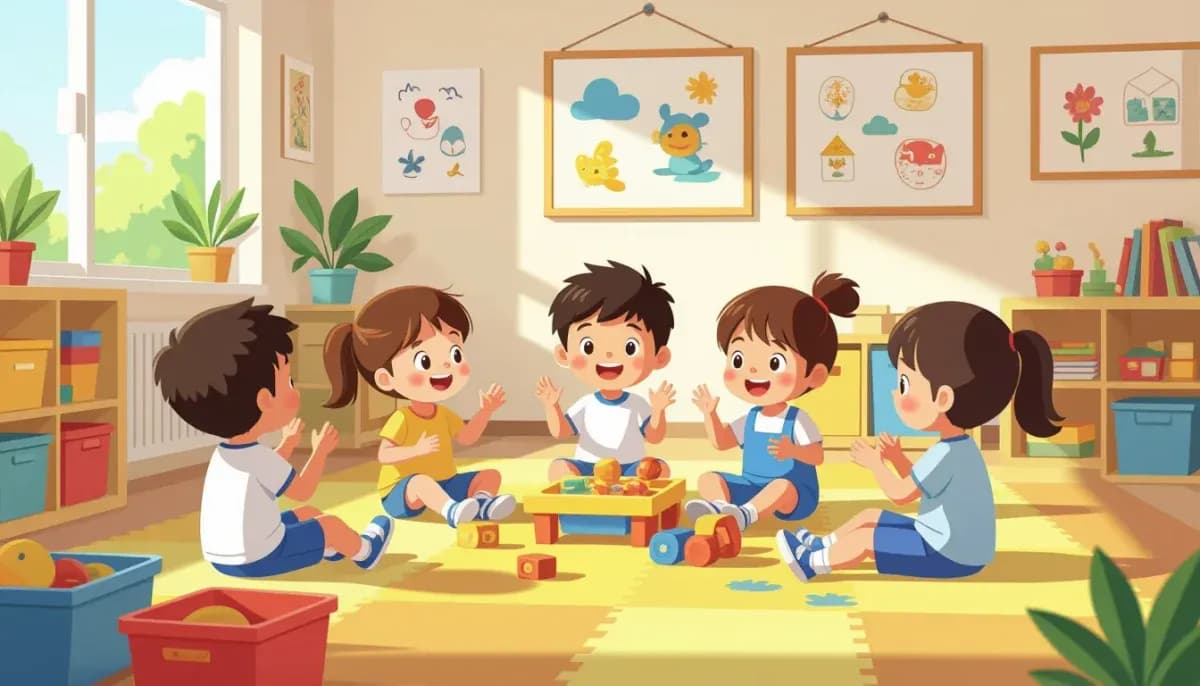
Comprehensive guide to after-school care options at kindergartens in Japan for foreign parents, covering azukari hoiku, gakudo programs, costs, enrollment, and tips for working families.
After-School Care Options at Kindergartens in Japan
Finding reliable after-school care is one of the biggest challenges for working parents in Japan, especially foreign families navigating an unfamiliar system. Whether your child attends a yochien (kindergarten) or you are preparing for the transition to elementary school, understanding the full range of after-school care options will help you plan ahead and avoid stressful last-minute scrambles.
This guide covers everything from kindergarten extended care and gakudo hoiku programs to private alternatives and enrichment classes, so you can make the best decision for your family.
Understanding Kindergarten Hours and Why After-School Care Matters
Japanese kindergartens (yochien/幼稚園) traditionally operate on short schedules, typically from around 9:00 AM to 2:00 PM. This was designed with the assumption that one parent — usually the mother — would be at home. For dual-income families and single parents, these hours create a significant childcare gap.
Unlike daycare centers (hoikuen), which provide full-day care aligned with working hours, kindergartens in Japan focus on early childhood education with shorter operating hours. This means working parents must find supplementary care to bridge the afternoon gap.
The good news is that after-school care options have expanded significantly in recent years, driven by government policy changes and growing demand from working families.
Extended Care at Kindergartens (Azukari Hoiku)
Many Japanese kindergartens now offer extended care programs called azukari hoiku (預かり保育). This is the most convenient option since your child stays in a familiar environment with teachers they already know.
How Azukari Hoiku Works
- Hours: Typically extends care until 5:00–6:00 PM on regular school days
- Availability: Also offered during summer, winter, and spring breaks at many kindergartens
- Activities: Children enjoy free play, crafts, outdoor time, and sometimes homework support
- Staff: Usually handled by kindergarten teachers or dedicated extended-care staff
Cost and Subsidies
The Japanese government provides subsidies for kindergarten extended care. Families recognized as needing childcare support can receive up to ¥11,300 per month toward extended care costs, calculated at ¥450 per day. Any amount exceeding this cap is the family's responsibility.
| Cost Element | Amount |
|---|---|
| Daily extended care fee | ¥300–¥800 per day |
| Monthly subsidy cap (qualifying families) | ¥11,300 |
| Typical out-of-pocket after subsidy | ¥0–¥5,000/month |
| Summer/holiday extended care | ¥500–¥1,500/day |
| Snack fee | ¥100–¥200/day |
Not all kindergartens offer extended care, so if this is important for your family, check availability before enrollment. For a comprehensive look at the Japanese education system for foreign families, our pillar guide covers all stages.
Gakudo Hoiku: After-School Clubs for Elementary Students
Once your child enters elementary school, the primary after-school care option is gakudo hoiku (学童保育), also known as houkago jidou kurabu (放課後児童クラブ). These municipal after-school clubs are the backbone of after-school care in Japan.
Key Facts About Gakudo
- Age range: Primarily grades 1–3, though many programs now accept students through grade 6
- School day hours: From dismissal (around 1:00–3:00 PM) until 6:00–7:00 PM
- Saturday hours: 8:30 AM to 5:00 PM
- School holidays: Full-day care during spring, summer, and winter breaks
- Activities: Supervised play, homework help, snacks, outdoor recreation
A record 1,570,645 children were registered for gakudo facilities across Japan in 2025, reflecting the growing importance of these programs. However, waiting lists remain a concern — as of May 2025, approximately 16,330 children were still on waitlists nationwide, though this marked the first decline in four years. Read more about gakudo programs.
Public vs. Private Gakudo
| Feature | Public Gakudo | Private Gakudo |
|---|---|---|
| Monthly cost | ¥4,000–¥20,000 | ¥30,000–¥80,000+ |
| Snack fee | ~¥2,000/month | Often included |
| Hours | Until 6:00–6:30 PM | Until 8:00–9:00 PM |
| Curriculum | Free play, basic supervision | Structured programs, English, tutoring |
| Waitlist | Common in urban areas | Usually available |
| Location | At or near elementary school | Independent facilities |
For more details on daily school schedules and after-school options, see this comprehensive guide.
Nintei Kodomo-en: The Best of Both Worlds
Nintei kodomo-en (認定こども園) are certified children's gardens that combine the educational focus of kindergartens with the extended childcare hours of daycare centers. These hybrid facilities have been expanding across Japan as part of government efforts to address childcare needs.
Advantages for Working Parents
- Full-day care available (similar hours to hoikuen)
- Educational curriculum matching kindergarten standards
- After-school care built into the program — no need for separate arrangements
- Accepts children regardless of parents' work status (unlike hoikuen)
If you are choosing between a traditional yochien and a nintei kodomo-en, the latter may be the better choice if you need after-school coverage. Learn more about raising children and education in Japan for a broader perspective on your options.
Private After-School Programs and Enrichment Classes
Beyond the public system, Japan has a thriving market of private after-school options that serve both childcare and educational enrichment purposes.
Popular After-School Enrichment Options
Many kindergartens partner with external providers to offer on-campus after-school classes:
- Swimming (スイミング): One of the most popular extracurricular activities
- English conversation: Increasingly common, especially at kindergartens catering to international families
- Piano and music: Traditional favorite among Japanese families
- Martial arts: Judo, karate, and kendo classes
- Dance and gymnastics: Ballet, hip-hop, and rhythmic gymnastics
- Art and crafts: Creative expression programs
- Kumon or other academic tutoring: Math and reading advancement
These classes typically run from 2:00–5:00 PM and cost ¥5,000–¥15,000 per month per activity. While not full childcare, stacking two or three activities can effectively cover the after-school gap on certain days.
For families considering international schools in Japan, many offer built-in extended day programs that run until 6:00 PM or later.
How to Enroll in After-School Care Programs
Navigating the enrollment process can be confusing for foreign parents. Here is a step-by-step overview:
Kindergarten Extended Care (Azukari Hoiku)
- Ask your kindergarten about availability during the admission process
- Submit an application form (often included in enrollment paperwork)
- Provide proof of employment if required for subsidy eligibility
- Register for specific days or blanket coverage
Gakudo Hoiku Enrollment
- When to apply: November–February for the following April intake
- Where to apply: Your city/ward office or directly at the gakudo facility
- Required documents: Application form, proof of employment, residence card (both sides for foreign residents)
- Priority system: Younger grades, single-parent families, and low-income households receive priority
- Important: Enrollment at elementary school does NOT guarantee gakudo admission
Fourth graders face the toughest waitlist competition, with 5,589 children on waiting lists nationwide — a phenomenon sometimes called the "grade 4 wall" (小4の壁). Planning ahead is essential, especially in urban areas like Tokyo and Osaka.
For information on support services available to foreign families, check out resources for foreigners in Japan.
Tips for Foreign Parents Navigating After-School Care
Language Barriers
Most after-school care programs operate entirely in Japanese. While staff are generally patient and accommodating, having basic Japanese communication skills will help significantly. If you are raising bilingual children, after-school care in Japanese provides excellent immersion opportunities.
Cultural Expectations
- Children are expected to bring their own snacks or bento to some programs
- Parents may need to participate in cleaning duties or events on a rotating basis
- Communication from the facility (newsletters, schedules) will be in Japanese
- Many programs use a contact notebook (連絡帳) for daily updates
Planning Ahead
- Research after-school options BEFORE choosing a kindergarten
- Visit gakudo facilities during your child's final kindergarten year
- Connect with other foreign parents through community groups and NPOs
- Consider a mix of options: extended care on some days, enrichment classes on others
For guidance on helping your child adjust culturally, our article on cultural identity for mixed-race children in Japan offers valuable insights.
Government Support and Recent Policy Changes
The Japanese government has been actively expanding after-school care infrastructure. Key developments include:
- Free preschool education: Since October 2019, kindergarten fees are free for children aged 3–5, freeing up family budgets for after-school care
- Expanded gakudo capacity: Local governments have been increasing facility capacity, contributing to the first decline in waitlists since 2021
- Subsidy programs: Working families can access subsidies for both kindergarten extended care and gakudo
- Childcare support centers: Municipal family support centers (ファミリーサポートセンター) connect parents with registered caregivers for flexible after-school coverage
To understand more about the exam and education pathway your child may follow, learn about Japan's education system for returnee and foreign students.
Choosing the Right Option for Your Family
The best after-school care solution depends on your specific situation. Consider these factors:
| Your Situation | Recommended Option |
|---|---|
| Working full-time, child in kindergarten | Azukari hoiku + enrichment classes |
| Need full-day coverage year-round | Switch to nintei kodomo-en or hoikuen |
| Child entering elementary school | Apply for gakudo hoiku early |
| Want academic enrichment | Private gakudo or juku + gakudo |
| Budget-conscious | Public gakudo (¥4,000–¥6,000/month) |
| Need flexible/late hours | Private gakudo or family support center |
| International education focus | International school with extended day |
Whatever option you choose, starting your research early and understanding the application timelines will give your family the best chance of securing quality after-school care. Japan's childcare infrastructure continues to improve, and with the right preparation, foreign families can find solutions that work for both parents and children.

Originally from Vietnam, living in Japan for 16+ years. Graduated from Nagoya University, with 11 years of professional experience at Japanese and international companies. Sharing practical information for foreign parents raising children in Japan.
View Profile →Related Articles
Transitioning from Yochien to Elementary School in Japan
A complete guide for foreign parents on transitioning from yochien to elementary school in Japan. Covers enrollment timelines, language support, costs, and what to expect in Grade 1.
Read more →
Religious Kindergartens in Japan: Buddhist and Christian Options
Discover the differences between Buddhist and Christian kindergartens in Japan. Compare teaching philosophies, curriculum approaches, enrollment processes, and tips for foreign families choosing religious preschools.
Read more →
Bilingual and English Kindergartens in Japan
Discover the best bilingual and English kindergartens in Japan for foreign families. Compare costs, enrollment processes, government subsidies, and top school options across Tokyo and beyond.
Read more →
Yochien Events and Annual Activities Calendar
Complete month-by-month guide to Japanese kindergarten (yochien) annual events and activities. From undokai sports day to happyokai performances, everything foreign parents need to know.
Read more →
Preparing Your Child for Yochien: Readiness Checklist
Complete yochien readiness checklist for foreign families in Japan. Cover self-care skills, Japanese phrases, supplies, enrollment timeline, and daily routine preparation for kindergarten.
Read more →
Kindergarten Bus Service in Japan: How It Works
Learn how kindergarten bus service works in Japan, including costs (around ¥4,000/month), safety features, character-themed designs, signup process, and tips for foreign families with young children.
Read more →