
Bilingual and English Kindergartens in Japan

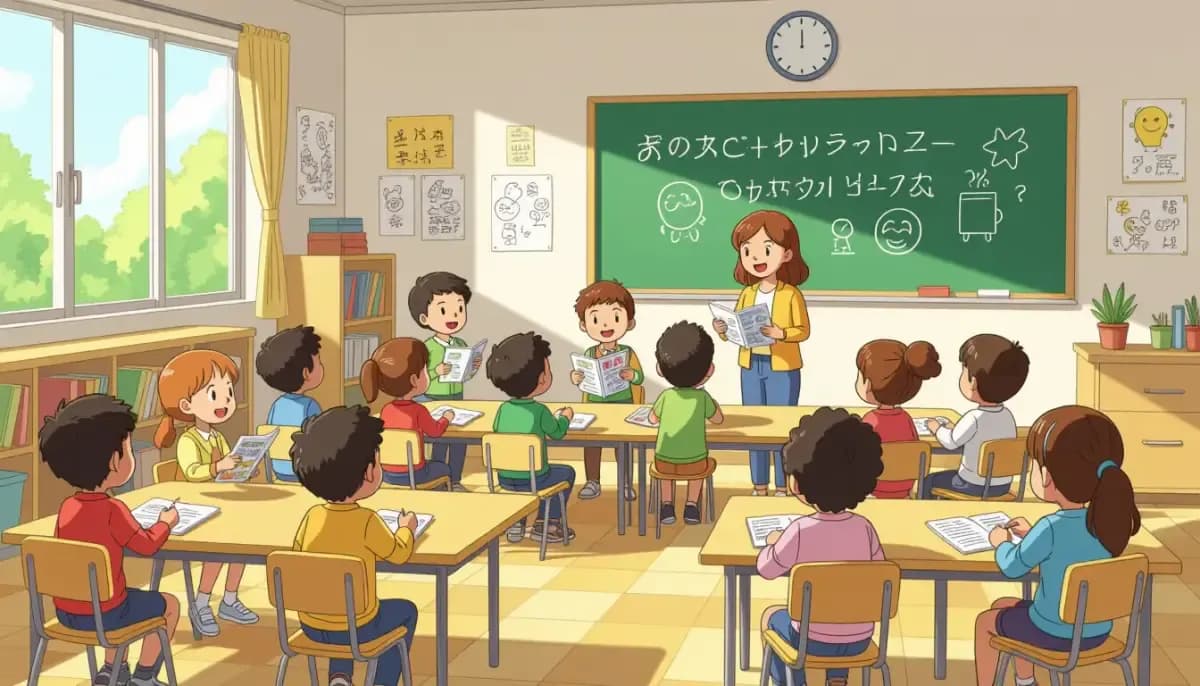
Discover the best bilingual and English kindergartens in Japan for foreign families. Compare costs, enrollment processes, government subsidies, and top school options across Tokyo and beyond.
Bilingual and English Kindergartens in Japan: A Complete Guide for Foreign Families
Choosing the right kindergarten for your child in Japan can feel overwhelming, especially when you want them to grow up speaking both English and Japanese. Bilingual and English-medium kindergartens have surged in popularity across Japan, offering foreign families a middle path between full immersion in the Japanese system and the high costs of traditional international schools. This guide breaks down everything you need to know — from the types of programs available to real costs, enrollment tips, and what happens after graduation.
Types of Bilingual and English Kindergartens in Japan
Not all English kindergartens are created equal. Understanding the three main categories will help you find the right fit for your family's language goals and budget.
Type 1: Established International Schools operate almost entirely in English (100% English environment) with native-speaking, licensed teachers from their home countries. These include well-known institutions like ASIJ, BST, and Seisen International. Japanese language support is minimal, and graduates typically continue into the school's elementary section. These are best for families committed to the international school track long-term.
Type 2: Bilingual Kindergartens and Preschools use roughly a 70% English and 30% Japanese split. They employ native English instructors alongside Japanese-speaking staff and include dedicated Japanese language classes. Schools like Kinder Kids, KDI, and Laurus fall into this category. This type offers the most flexible post-graduation options, allowing children to transition into either Japanese public schools or international schools.
Type 3: Japanese Kindergartens with English Focus are predominantly Japanese-medium (around 80% Japanese) with supplemental English instruction. Japanese teachers lead activities while English instructors assist. These programs follow the standard Japanese kindergarten curriculum with added English enrichment and feed into regular public or private elementary schools.
For more on navigating the broader Japanese education system for foreign families, see our comprehensive guide.
How to Choose the Right Program for Your Child
Selecting a bilingual kindergarten goes beyond just the English-to-Japanese ratio. Here are the key factors to evaluate:
- Language balance and goals: Do you want your child dominant in English, balanced in both, or primarily Japanese with English exposure? Match this to the program type above.
- Teacher retention and quality: High staff turnover is a red flag. Ask about average teacher tenure during your visit.
- Post-graduation pathways: Some programs prepare children specifically for international school entry exams, while others align with Japanese public school standards.
- Outdoor play and facilities: Japanese education values outdoor play heavily. Check that the school has adequate outdoor space.
- Parent community: A supportive, diverse parent community makes a significant difference for foreign families adjusting to life in Japan.
- Proximity and commute: Some schools offer bus services (at additional cost), but consider the daily logistics carefully.
Kindergarten visits are typically available year-round in Japan — book a tour and observe a class in session before committing. For families also considering traditional Japanese kindergartens, our guide to kindergarten (yochien) in Japan for foreign parents provides detailed coverage.
Costs and Tuition: What to Expect
One of the biggest considerations for families is cost. Here is a breakdown of typical annual expenses by program type:
| Cost Category | International Schools | Bilingual Chains (KDI, Kinder Kids) | Local/Community Preschools |
|---|---|---|---|
| Annual Tuition | ¥2,500,000 – ¥3,000,000 | ¥1,200,000 – ¥1,500,000 | ¥900,000 – ¥1,200,000 |
| Enrollment Fee | ¥500,000 – ¥1,800,000 | ¥100,000 – ¥300,000 | ¥50,000 – ¥200,000 |
| Bus Service | ¥100,000 – ¥500,000 | ¥100,000 – ¥300,000 | ¥50,000 – ¥150,000 |
| Lunch Program | ¥100,000 – ¥200,000 | ¥100,000 – ¥150,000 | ¥80,000 – ¥120,000 |
| Uniforms & Materials | ¥50,000 – ¥100,000+ | ¥30,000 – ¥80,000 | ¥20,000 – ¥50,000 |
| Total First Year | ¥3,500,000 – ¥5,000,000 | ¥1,800,000 – ¥2,300,000 | ¥1,200,000 – ¥1,500,000 |
Keep in mind that seasonal programs and summer camps at major chains are often "virtually mandatory" and can add ¥100,000–¥200,000 annually. For tips on managing these expenses, check out our article on financial planning for expat families raising children in Japan.
You can also find more detailed information about education funding and planning for children in Japan to help budget for the long term.
Government Subsidies and Free Preschool Programs
Since October 2019, Japan's "Free Early Childhood Education and Care" policy has made kindergarten essentially free for children aged 3 to 5 in authorized facilities. However, many English and bilingual kindergartens are classified as "unauthorized" childcare facilities, which affects subsidy eligibility.
National subsidy: Up to ¥37,000 per month for children aged 3–5 attending unauthorized facilities (including many international preschools). This requires obtaining "New Type 2 Certification" from your local municipality.
Tokyo local top-up subsidies: When combined with national subsidies, Tokyo families can receive ¥80,000–¥100,000 per month, potentially reducing out-of-pocket costs to ¥50,000–¥70,000 monthly.
Eligibility requirements: Typically, dual-income households, families with caregiving needs, or job-seeking parents qualify. You will need to submit proof of employment and residency documents to your ward or city office.
Some bilingual kindergartens have actively sought official accreditation to become subsidy-eligible. When visiting schools, always ask whether they qualify for government subsidies — this can make a massive difference in affordability. For more on family life in Japan as a foreigner, including practical tips on navigating bureaucracy, see this helpful resource.
Enrollment Process and Timeline
The enrollment process differs depending on the type of school:
Japanese public/private kindergartens follow a strict timeline. Application forms are distributed in October, with submissions due in November. Interviews may be required, and admission offers come with fee payment deadlines. Entry is almost exclusively in April, when the Japanese school year begins.
International and bilingual preschools are generally more flexible. Many accept rolling enrollment throughout the year as long as spaces are available. You typically apply directly to the school, submit required documents (residence card, immunization records, family information), and attend an interview or trial class.
Key documents to prepare:
- Residence card (zairyu card) copies for parent and child
- Immunization history (boshi techo or translated records)
- Employment certificates (for subsidy applications)
- Tax documentation (for income-based fee calculations)
Children in Japan can enter kindergarten from age 3 (specifically, those who turn 3 by April 1 of the relevant school year). Starting the search 6–12 months before your desired enrollment date is recommended, as popular bilingual programs fill up quickly.
The "First-Grade Wall": Maintaining English After Kindergarten
One of the most significant challenges families face is the dramatic loss of English ability when children transition from a bilingual kindergarten to a Japanese elementary school. Research shows that children can lose functional English proficiency in as little as three months without consistent exposure.
Three main strategies address this challenge:
- Continue to an international elementary school: Ensures ongoing English growth but comes with high tuition (¥3,000,000+ annually) and may limit integration into Japanese society.
- Enroll in a private school with strong English programs: A growing number of Japanese private schools offer robust English tracks. Admission is competitive, so prepare early.
- Public school combined with after-school English programs: The most common and affordable approach. Attending English after-school classes 3–4 times per week or daily online English lessons can maintain proficiency.
Successful bilingual families emphasize maintaining complete language separation — English at school or in lessons, Japanese at home with Japanese-speaking family members. Reading Japanese picture books daily and having children explain their school day in Japanese helps build strong foundations in both languages.
For a deeper dive into bilingual parenting approaches, read our guide on raising bilingual children in Japan. You can also explore resources on Japanese exam preparation for returning and foreign students as your children grow older.
Top Bilingual Kindergarten Chains and Schools
Here are some of the most well-known bilingual and English kindergarten options across Japan:
- Kinder Kids International – One of Japan's largest bilingual preschool chains with locations in Tokyo, Osaka, Nagoya, and more. Uses a 50/50 English-Japanese curriculum.
- KDI (Kids Duo International) – Combines bilingual education with physical development programs. Growing rapidly with franchises nationwide.
- Laurus International School – Tokyo-based, offering STEAM-focused bilingual education from preschool through elementary.
- Aoba-Japan Bilingual Preschool – Implements the IB (International Baccalaureate) framework in a bilingual setting.
- HILLOCK Bilingual Kinder School – Located in Tokyo's Meguro and Shinagawa areas, offering a nature-focused bilingual program.
- Kspace International – Tokyo-based preschool offering bilingual and Japanese immersion programs with flexible scheduling.
When evaluating schools, request trial classes whenever possible. Many schools offer free or low-cost trial days so you and your child can experience the environment firsthand. For families weighing the full international school option, our guide to international schools in Japan covers the broader landscape.
Avoiding the "Semilingual" Trap
A growing concern among educators is the risk of "semilingualism" — where a child develops surface-level ability in two languages but deep proficiency in neither. Research suggests that without a strong foundation in the mother tongue, a second language cannot develop deeply.
To prevent this:
- Ensure the kindergarten includes robust Japanese language instruction (for families where Japanese is the community language)
- Maintain consistent reading habits in both languages at home
- Choose a program that assesses and supports both language tracks
- Consider your child's dominant language and build the second language on that foundation
Quality bilingual programs now incorporate structured Japanese curriculum components to ensure graduates match public school Japanese proficiency levels by the time they enter elementary school. For more on teaching Japanese to your children, see our article on teaching Japanese to foreign children.
Practical Tips for Foreign Parents
- Visit multiple schools: Attend open days and observe actual classes. The feel of a school matters as much as the curriculum on paper.
- Ask about teacher qualifications: Native English teachers should ideally hold teaching certifications from their home countries. Japanese teachers should be licensed kindergarten teachers (youchien kyoyu).
- Check the school's track record: Where do graduates end up? A school that regularly places children in strong elementary programs is a good sign.
- Budget for the long term: Bilingual education does not end at kindergarten. Factor in after-school programs, tutoring, and potential international school fees for elementary and beyond.
- Connect with other foreign parents: Join parent communities and social media groups for honest reviews and practical advice. Organizations and networks for expat families with children in Japan can be invaluable.
- Understand visa implications: Your visa status can affect access to certain subsidies and school options. Review our guide on visa and legal issues for foreign families for details.
For additional information on childcare options in Tokyo for foreign families and comparing Japanese vs. international schools, these resources offer useful perspectives.
Final Thoughts
Bilingual and English kindergartens in Japan offer foreign families a valuable opportunity to give their children strong foundations in both English and Japanese. The key is matching your family's language goals, budget, and long-term plans to the right type of program. Start your search early, visit schools in person, and plan beyond kindergarten to ensure your child's bilingual journey continues successfully into elementary school and beyond.

Originally from Vietnam, living in Japan for 16+ years. Graduated from Nagoya University, with 11 years of professional experience at Japanese and international companies. Sharing practical information for foreign parents raising children in Japan.
View Profile →Related Articles
Transitioning from Yochien to Elementary School in Japan
A complete guide for foreign parents on transitioning from yochien to elementary school in Japan. Covers enrollment timelines, language support, costs, and what to expect in Grade 1.
Read more →
Religious Kindergartens in Japan: Buddhist and Christian Options
Discover the differences between Buddhist and Christian kindergartens in Japan. Compare teaching philosophies, curriculum approaches, enrollment processes, and tips for foreign families choosing religious preschools.
Read more →
After-School Care Options at Kindergartens in Japan
Comprehensive guide to after-school care options at kindergartens in Japan for foreign parents, covering azukari hoiku, gakudo programs, costs, enrollment, and tips for working families.
Read more →
Yochien Events and Annual Activities Calendar
Complete month-by-month guide to Japanese kindergarten (yochien) annual events and activities. From undokai sports day to happyokai performances, everything foreign parents need to know.
Read more →
Preparing Your Child for Yochien: Readiness Checklist
Complete yochien readiness checklist for foreign families in Japan. Cover self-care skills, Japanese phrases, supplies, enrollment timeline, and daily routine preparation for kindergarten.
Read more →
Kindergarten Bus Service in Japan: How It Works
Learn how kindergarten bus service works in Japan, including costs (around ¥4,000/month), safety features, character-themed designs, signup process, and tips for foreign families with young children.
Read more →